
Sand Replacement Test Set
STANDART: BS 1377:9, 1924:2
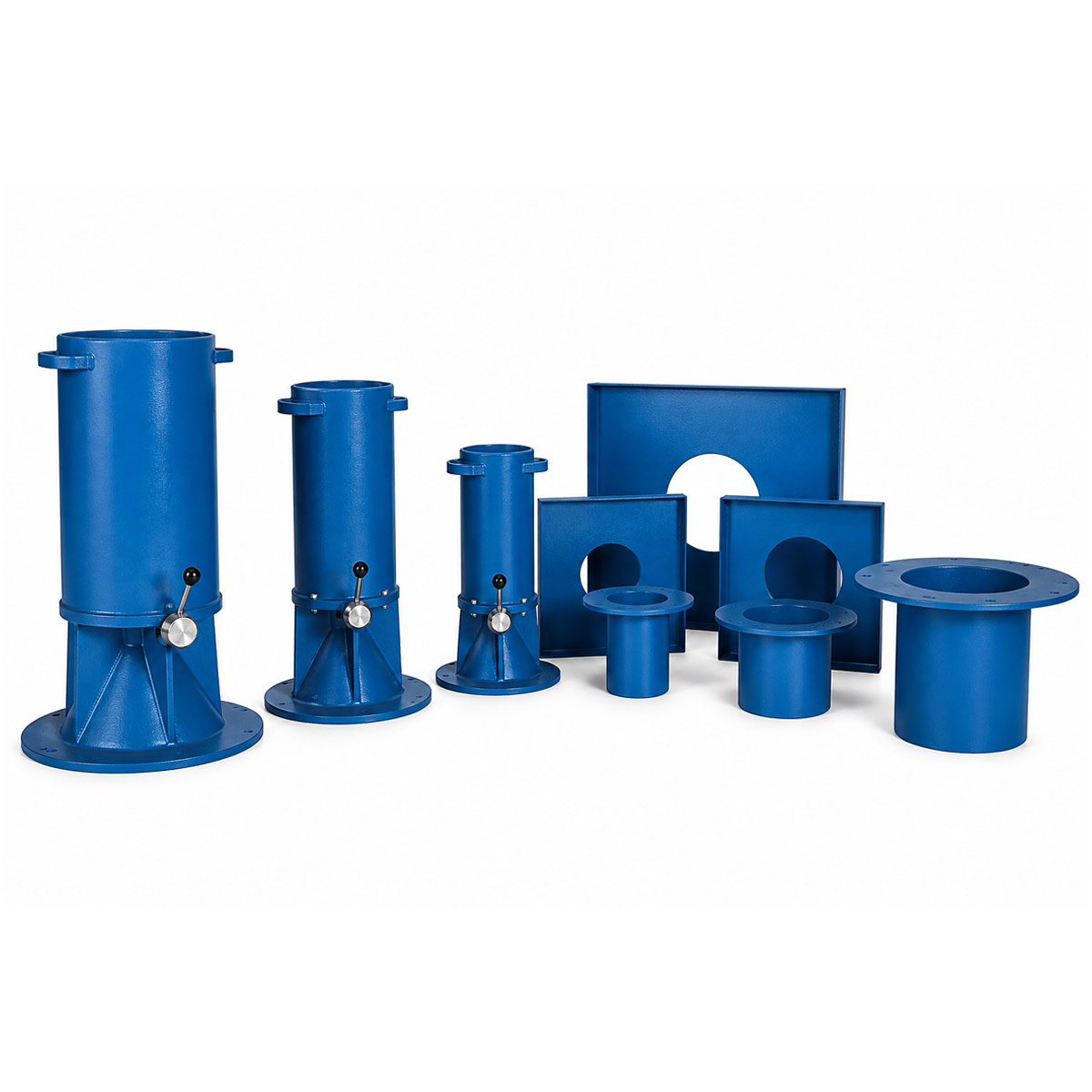
LT-S0015 Sand Replacement Test Seti | 100mm
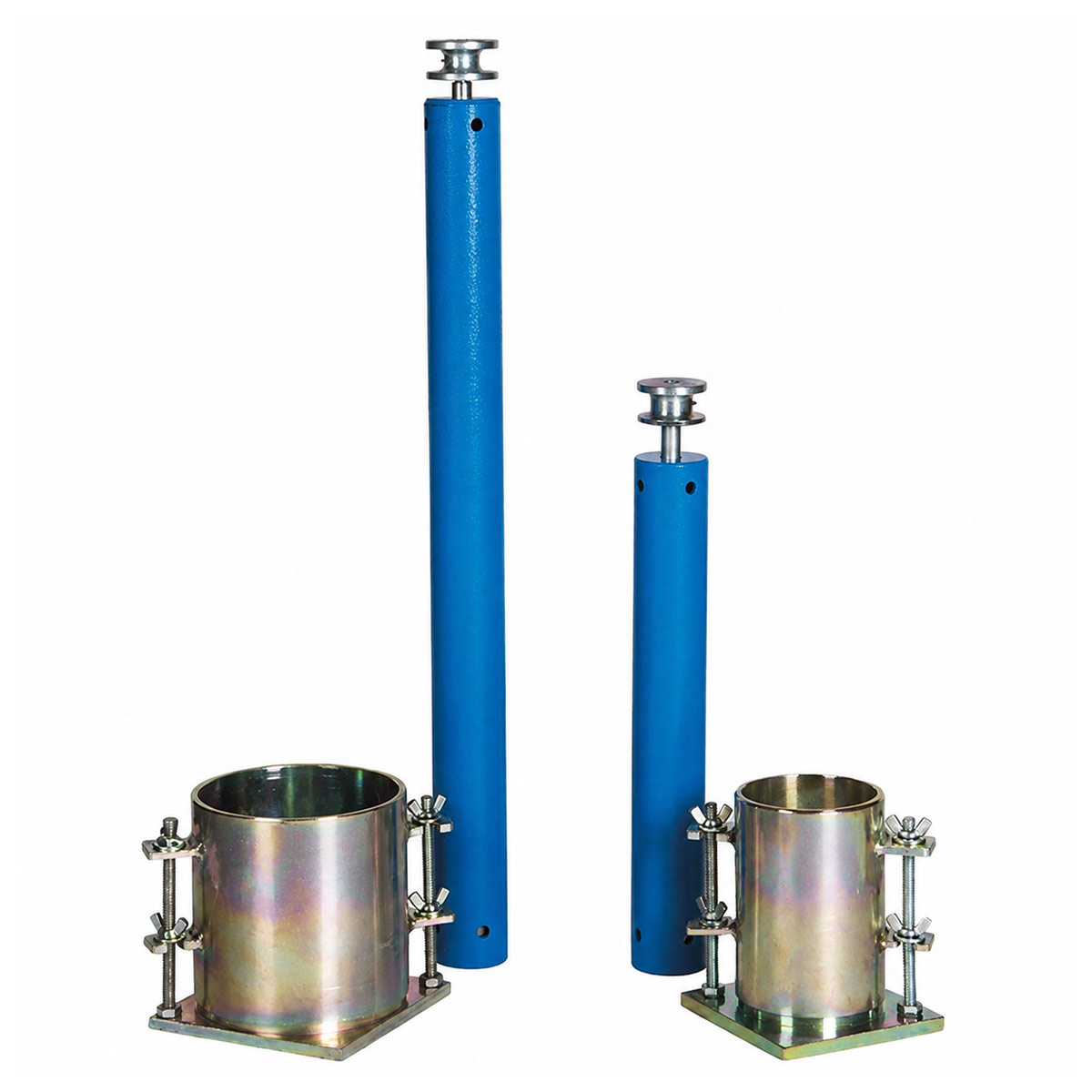
LT-S0015/1 Cone With Valve and Upper Cylinder | Ø100mm
LT-S0015/2 Calibration Container |Ø100mm
LT-S0015/2 Metal Tepsi |Ø100mm
LT-S0016 Sand Replacement Test Set | 150mm
LT-S0016/1 Cone With Valve and Upper Cylinder| Ø150mm
LT-S0016/2 Calibration Container|Ø150mm
LT-S0016/2 Metal Tray |Ø150mm
LT-S0017 Sand Replacement Test Set | 200mm
LT-S0017/1 Cone With Valve and Upper Cylinder | Ø200mm
LT-S0017/2 Calibration Container |Ø200mm
LT-S0017/2 Metal Tray |Ø200mm
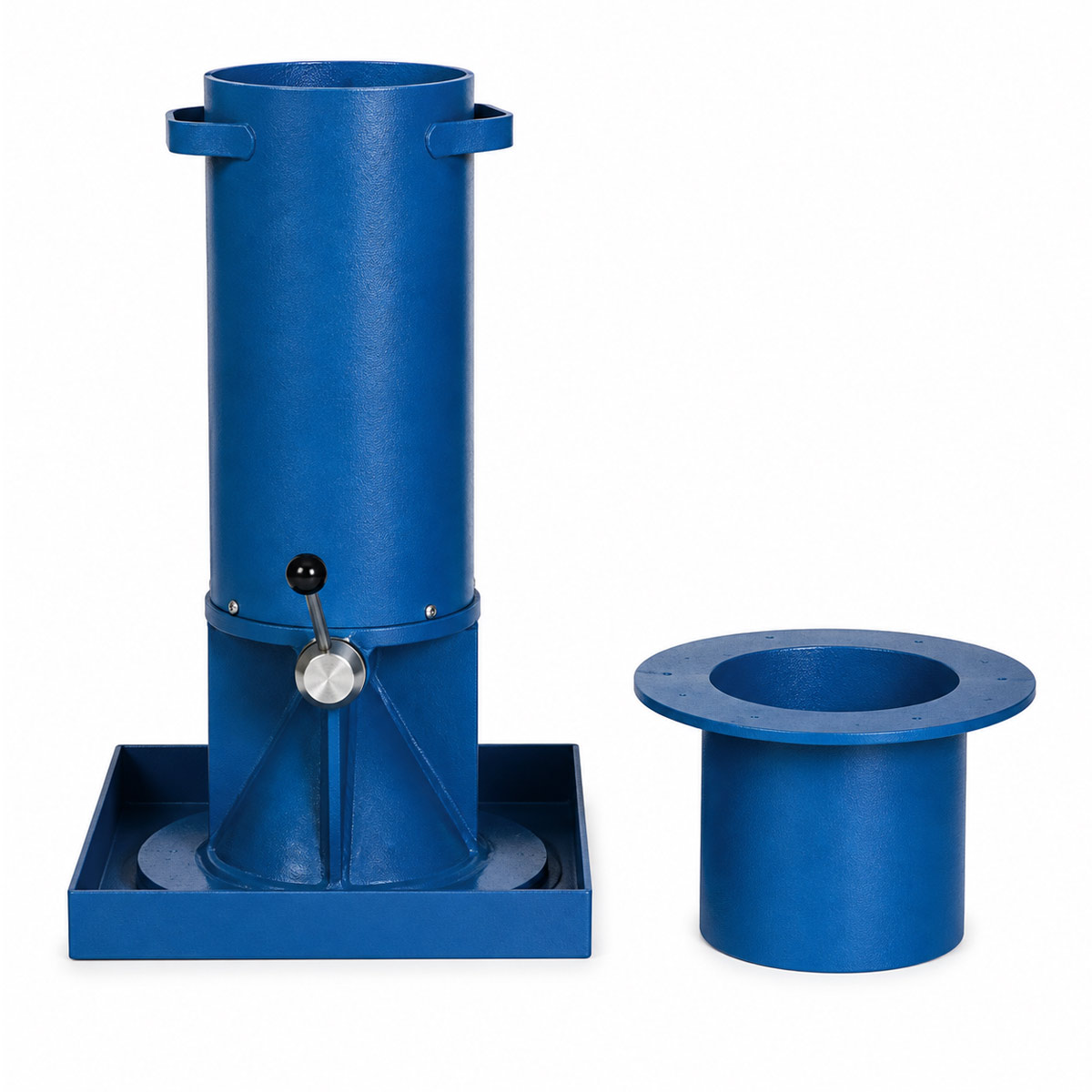
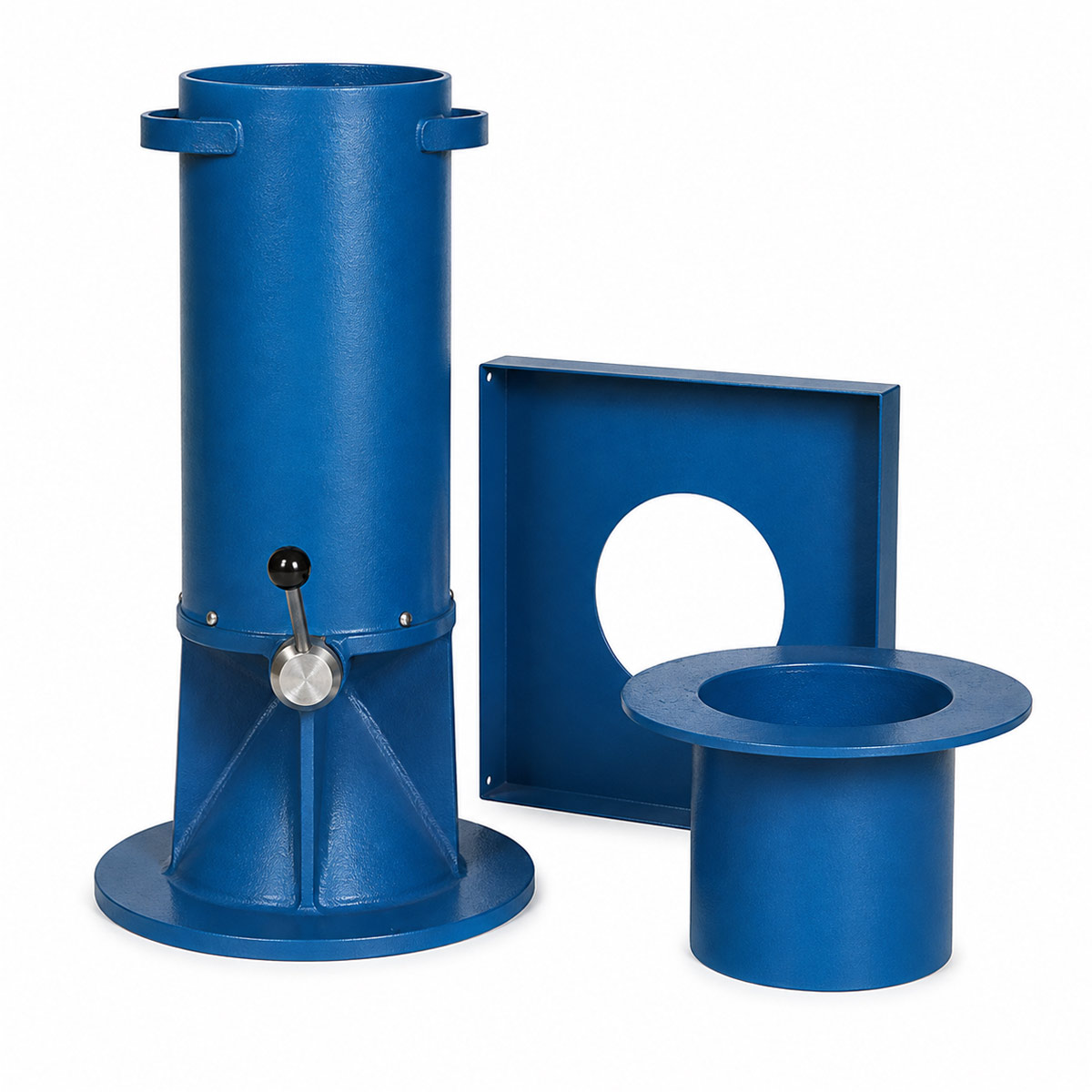
The Sand Replacement Apparatus is designed to determine the in-situ density of compacted soils by the sand replacement method. The complete set consists of a sand pouring cylinder with valve, a metal tray with centre hole and a calibration container. Three different sizes are available to suit different field-density applications.
- In-situ density testing: Supports field determination of compacted soil density.
- Three size options: Available in Ø100, Ø150 and Ø200 mm configurations.
- Complete test set: Includes sand pouring cylinder, calibration container and metal tray.
- Controlled sand flow: Valve system starts and stops the flow of calibrated test sand.
- Cast aluminium cylinder: The sand pouring cylinder is accurately machined from cast aluminium.
- Steel accessories: Calibration container and metal tray are manufactured from plated sheet steel.
- Central opening: Metal tray positions the apparatus directly above the test excavation.
- Calibration container: Supports determination of the bulk density of the test sand.
- Mechanical operation: Requires no electrical power.
- LT-S0015 dimensions: 30 × 30 × 44 cm, approximately 8 kg.
- LT-S0016 dimensions: 30 × 30 × 57 cm, approximately 16 kg.
- LT-S0017 dimensions: 50 × 50 × 66 cm, approximately 27 kg.
- Compatible test sand: LİYA offers controlled test sands in 300–600 µm and 600 µm–1.18 mm grading ranges.
| Product Code | Product Name | Dimensions (cm) | Weight (kg) |
| LT-S0015 | Sand Replacement Test Set, Ø100 mm | 30 × 30 × 44 | 8 |
| LT-S0015/1 | Cone With Valve and Upper Cylinder, Ø100 mm | — | — |
| LT-S0015/2 | Calibration Container, Ø100 mm | — | — |
| LT-S0015/3 | Metal Tray, Ø100 mm | — | — |
| LT-S0016 | Sand Replacement Test Set, Ø150 mm | 30 × 30 × 57 | 16 |
| LT-S0016/1 | Cone With Valve and Upper Cylinder, Ø150 mm | — | — |
| LT-S0016/2 | Calibration Container, Ø150 mm | — | — |
| LT-S0016/3 | Metal Tray, Ø150 mm | — | — |
| LT-S0017 | Sand Replacement Test Set, Ø200 mm | 50 × 50 × 66 | 27 |
| LT-S0017/1 | Cone With Valve and Upper Cylinder, Ø200 mm | — | — |
| LT-S0017/2 | Calibration Container, Ø200 mm | — | — |
| LT-S0017/3 | Metal Tray, Ø200 mm | — | — |

What Is a Sand Replacement Apparatus?
The Sand Replacement Apparatus is a field testing system used to determine the in-situ density of compacted soil.
During the test, the operator excavates a small hole in the prepared soil surface and collects the removed material. Calibrated, free-flowing test sand is then allowed to fill the excavation. By measuring the quantity of sand required to fill the hole, the operator can determine the volume of the excavated soil.
The mass of the removed soil is then evaluated together with the calculated test-hole volume. This allows the in-situ wet density to be determined. If the moisture content is also known, the dry density can be calculated and compared with laboratory compaction results.
Three Different Test Set Sizes
LİYA offers the Sand Replacement Test Set in three different configurations.
The LT-S0015 uses a Ø100 mm sand pouring system. It measures 30 × 30 × 44 cm and weighs approximately 8 kg.
The LT-S0016 provides a Ø150 mm configuration. Its external dimensions are 30 × 30 × 57 cm, with an approximate weight of 16 kg.
For larger field-density applications, the LT-S0017 uses a Ø200 mm arrangement and measures 50 × 50 × 66 cm. The complete set weighs approximately 27 kg.
Sand Pouring Cylinder and Valve System
Each set includes a sand pouring cylinder fitted with a valve.
The operator fills the cylinder with calibrated test sand and positions the apparatus above the test hole. Opening the valve allows the sand to flow into the cone and excavation.
Once the hole is completely filled, the valve is closed. The difference between the initial and final mass of the apparatus provides the quantity of sand used during the test.
LİYA manufactures the sand pouring cylinder from accurately machined cast aluminium. The calibration container and metal tray are manufactured from plated sheet steel.
Calibration Container
Before field density measurements are performed, the bulk density of the test sand must be established under controlled conditions.
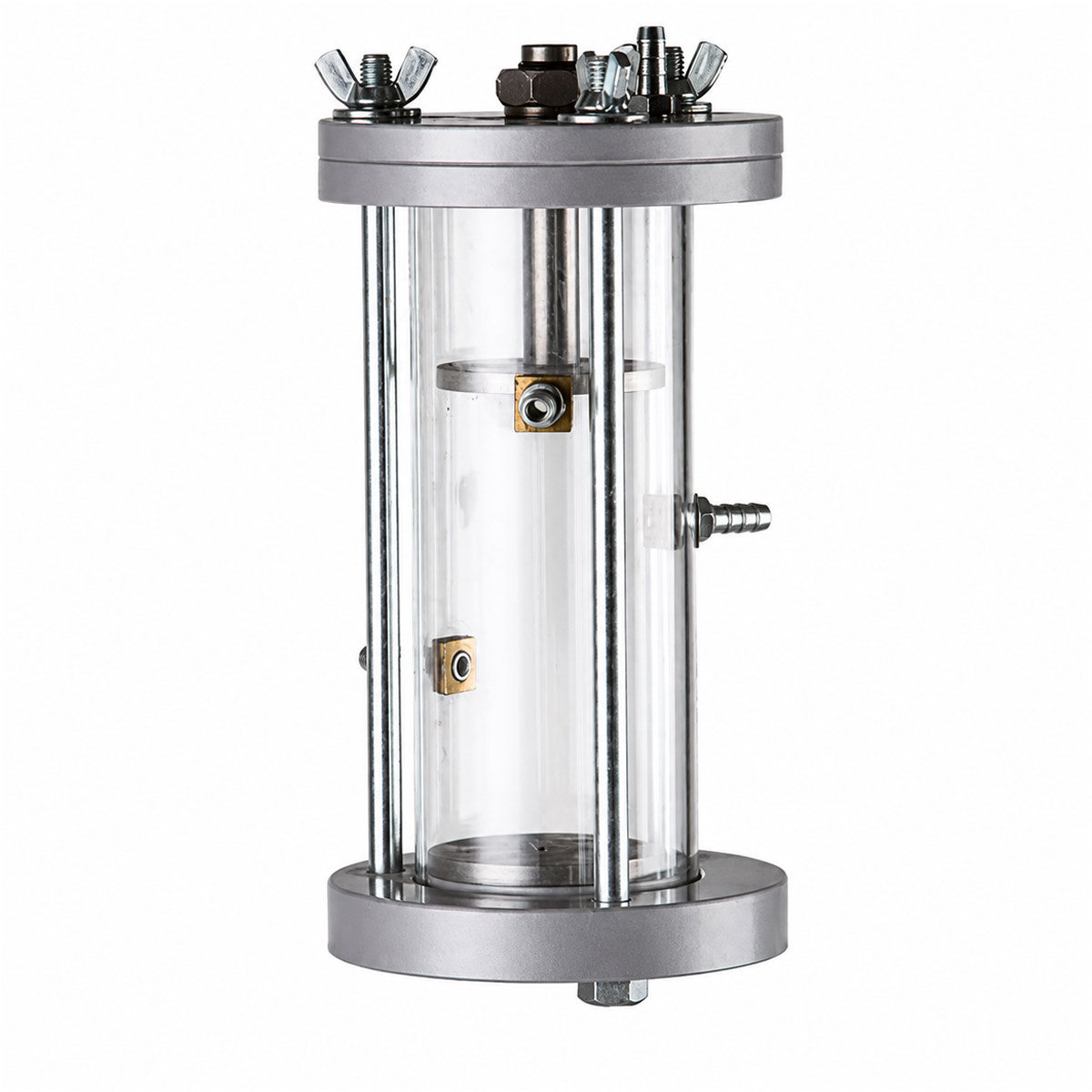
The calibration container provides a known volume for this purpose. The operator fills the container with the same sand used during field testing and determines its mass.
Once the sand bulk density is known, the amount of sand filling the field excavation can be converted into a volume.
Using the same sand and maintaining similar handling conditions throughout a test series helps improve consistency.
Metal Tray With Centre Hole
The metal tray is placed on the prepared test surface before excavation.
Its central opening defines the test-hole position and provides a stable location for the sand replacement apparatus. The operator excavates the material through this opening and collects all removed soil.
After the excavation has been completed, the sand pouring cylinder is positioned over the same opening and the calibrated sand is released.
ASTM D1556/D1556M-24 Sand-Cone Method
The active ASTM D1556/D1556M-24 covers determination of the in-place density and unit weight of soils using a sand-cone apparatus. The method is commonly used for compacted soils in earth embankments, road fills and structural backfills.
ASTM generally limits the method to soils without appreciable quantities of particles larger than 38 mm. It also cautions against use in soft, friable, saturated or highly plastic soils where the excavation may deform or fail to retain its shape.
For the LİYA product, I would keep ASTM D1556/D1556M-24 as a RELATED STANDARD, because the current official product page specifically declares BS references rather than ASTM conformity.
BS 1377-9:2025
The old LİYA page lists BS 1377:9. The current edition is BS 1377-9:2025.
BSI describes this standard as covering in-situ soil testing and specifically states that it contains seven methods for determination of in-situ density.
This makes BS 1377-9:2025 directly relevant to the field-density application of the Sand Replacement Apparatus.
BS 1924-2:2025
The second reference currently shown as BS 1924:2 should be updated to BS 1924-2:2025.
The current standard covers testing of unbound, hydraulically bound and stabilized materials used for civil engineering purposes. Its scope includes density determination, compaction-related testing, water-content determination and associated material testing.
Overall, the Sand Replacement Apparatus provides a fully mechanical field solution for determining the in-situ density of compacted soils. With Ø100, Ø150 and Ø200 mm configurations, calibration equipment and controlled sand-flow components, the system can support different field-density testing requirements.