
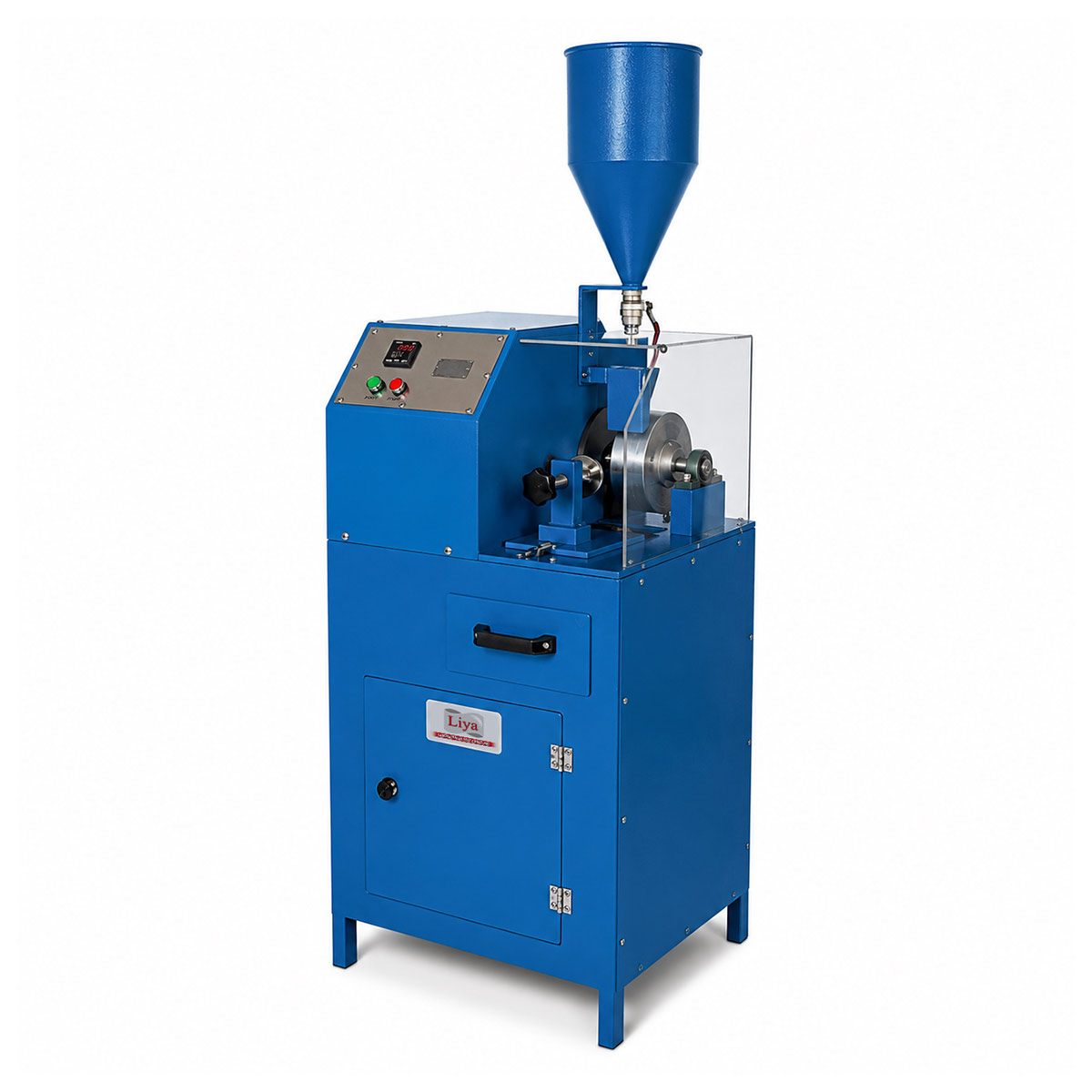
Abrasion Testing Machine | Natural Stones and Concrete Tiles
STANDART: EN 1338, 1341, 1342, 1343, EN 14157
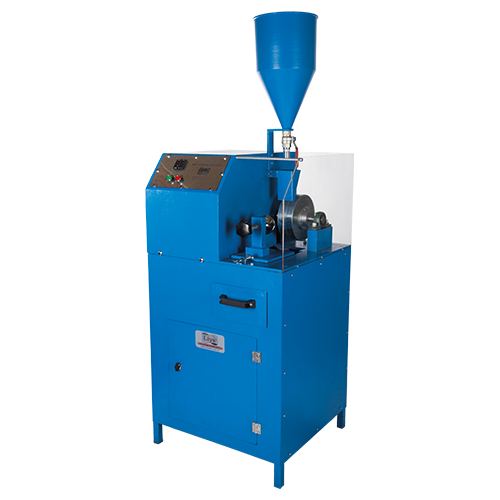
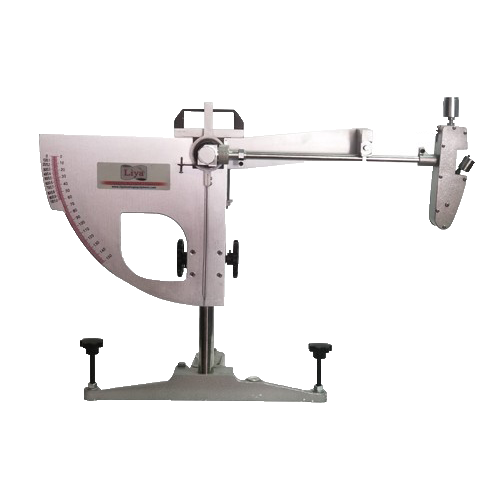
LT-A0058 Abrasion Testing Machine | Natural Stone and Concrete
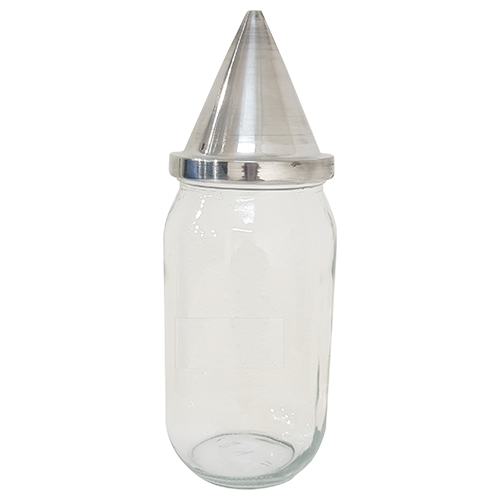
LT-A0058/1 Abrasive Powder
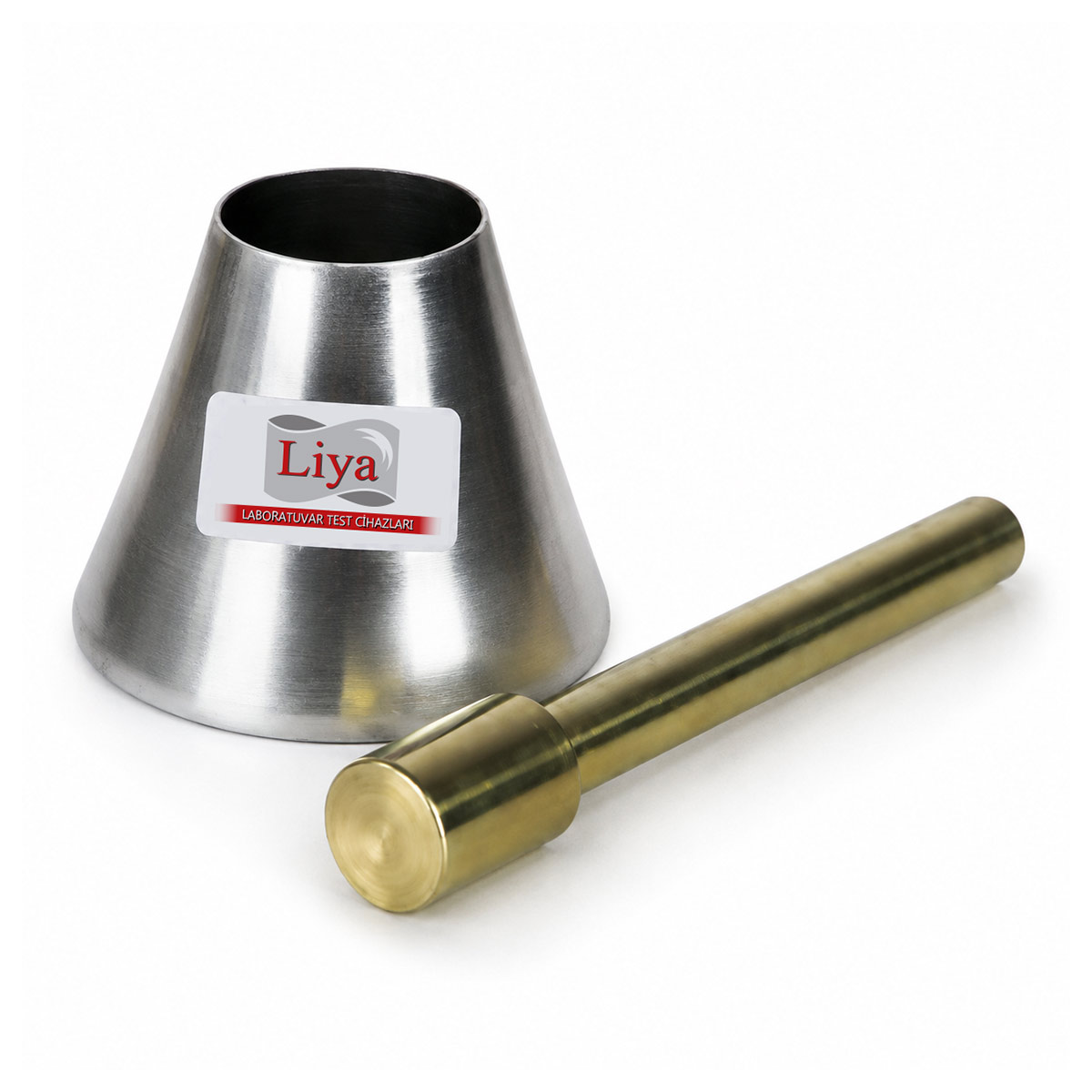
LT-A0058/2 Calibration Marble
LT-A0058/3 Abrasive Powder, 1 Kg
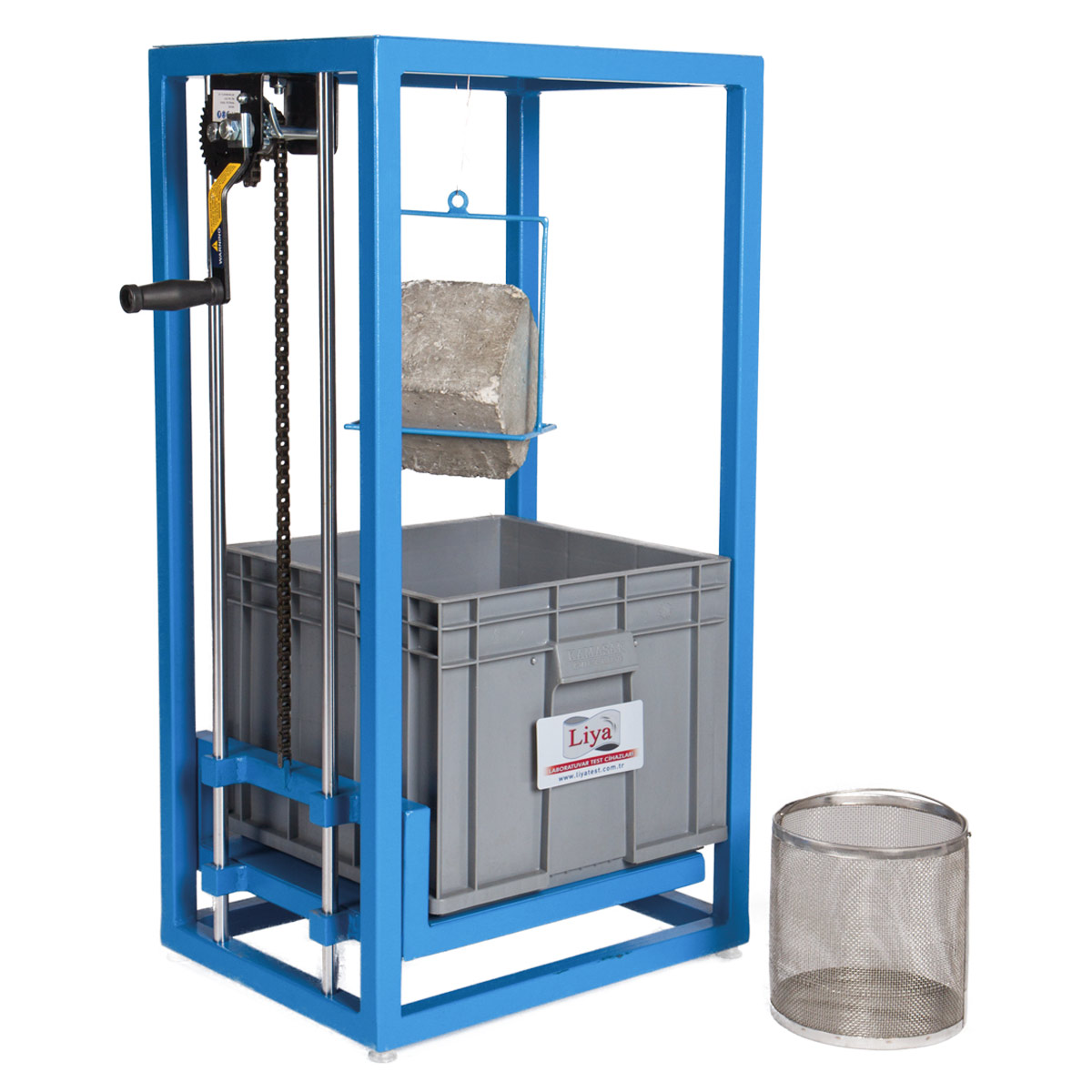
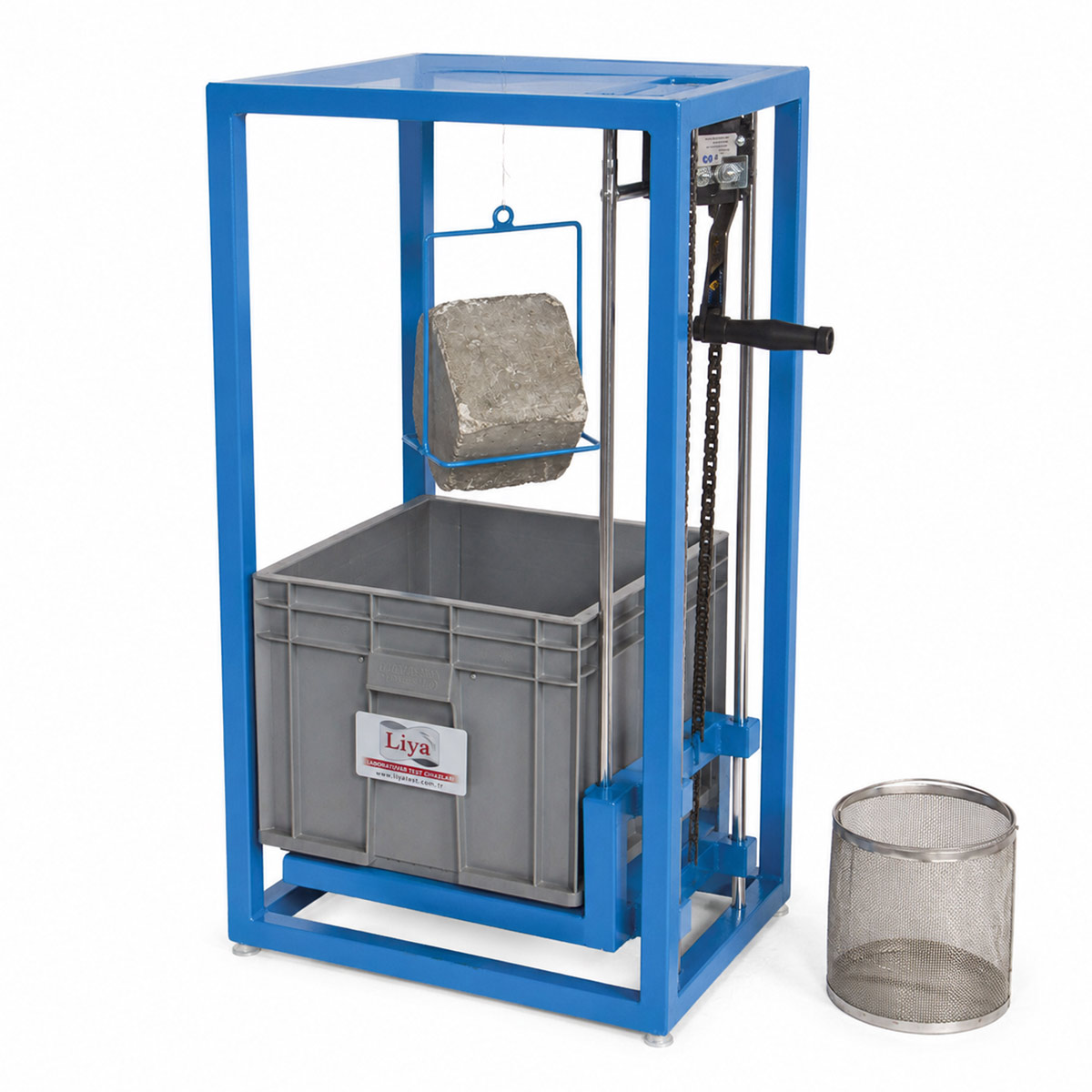
Wide Wheel Abrasion Testing Machine determines the abrasion resistance of natural stone and concrete products under controlled laboratory conditions. The 70 mm wide abrasion wheel rotates at a constant speed of 75 rpm, while abrasive material is supplied between the wheel and specimen surface. A digital revolution counter controls the test cycle and automatically stops the machine when the preset number of revolutions is completed.
- Abrasion Resistance Testing: Determines the surface wear resistance of natural stone and concrete products.
- Wide Wheel System: Equipped with a 70 mm thick abrasion wheel.
- Constant Rotation Speed: Abrasion wheel operates at 75 rpm.
- Wheel Hardness: Steel abrasion wheel has a hardness of 203–245 HB.
- Digital Revolution Counter: Allows the required number of revolutions to be preset.
- Automatic Stop: Machine stops automatically when the programmed cycle is completed.
- Secure Specimen Clamping: Keeps the sample stable during abrasion testing.
- Waste Collection System: Enclosed lower compartment collects abrasive powder and test residues.
- Heavy-Duty Construction: Suitable for intensive laboratory testing.
- Dimensions: 65 × 70 × 200 cm
- Approximate Weight: 190 kg
- Power Supply: 380 V, 50–60 Hz, 3 ph
- Standards: EN 1338, EN 1341, EN 1342, EN 1343, EN 14157
| Product Code | Product Name | Dimensions (cm) | Weight (kg) | Power Supply |
| LT-A0058 | Wide Wheel Abrasion Testing Machine for Natural Stone and Concrete | 65 × 70 × 200 | 190 | 380 V, 50–60 Hz, 3 ph |
| LT-A0058/1 | Abrasive Powder | — | 50 | — |
| LT-A0058/3 | Abrasive Powder | — | 1 | — |
| LT-A0058/2 | Calibration Marble (Boulonnaise) | — | — | — |

LT_DİKEYAŞINDIRMADOĞALTAŞ_
What Is a Wide Wheel Abrasion Testing Machine?
The Wide Wheel Abrasion Testing Machine determines the resistance of natural stone and concrete products to surface wear. During testing, a wide steel abrasion wheel applies controlled abrasive action to the specimen surface.
Abrasive material is continuously supplied between the rotating wheel and the specimen. This process creates a defined wear groove on the test surface. The laboratory then measures the resulting groove and evaluates the material’s abrasion resistance.
The 70 mm wide wheel operating at 75 rpm is characteristic of the wide-wheel abrasion method used for natural stone and concrete paving products.
Controlled Wide Wheel Abrasion System
The abrasion wheel has a thickness of 70 mm and operates at a constant speed of 75 revolutions per minute.
Its hardness range of 203–245 HB provides a stable working surface for repeated abrasion tests.
The specimen clamping mechanism holds the sample securely in the correct position. Proper fixation is important because movement during testing can affect the shape and dimensions of the abrasion groove.
Digital Revolution Counter
The machine incorporates a digital revolution counter.
Before starting the test, the operator enters the required number of wheel revolutions. The system continuously monitors the test cycle.
Once the preset number of revolutions has been reached, the machine automatically stops.
This feature reduces operator intervention and helps laboratories maintain similar testing conditions between different specimens.
How Is the Wide Wheel Abrasion Test Performed?
First, the operator prepares and cleans the specimen according to the applicable test method.
The specimen is then positioned securely in the clamping system. The required abrasive powder is placed in the feeding system.
After the test parameters are set, the machine is started.
During operation, abrasive material is supplied between the rotating steel wheel and the specimen surface. The combined action of the wheel and abrasive powder gradually creates a wear groove.
When the preset test cycle is completed, the machine stops automatically.
The specimen is removed and cleaned. The resulting groove is then measured according to the relevant standard procedure.
Abrasion Testing of Concrete Products
Concrete paving products can be exposed to continuous pedestrian and vehicle traffic during service. Surface wear resistance is therefore an important quality parameter for these materials.
The Wide Wheel Abrasion Testing Machine allows laboratories to compare concrete paving blocks and similar concrete products under standardized conditions.
Lower surface wear generally indicates better resistance to abrasive action. However, abrasion performance should be evaluated together with other mechanical and durability properties.
Natural Stone Testing
Natural stone used for paving and external construction applications must also resist mechanical surface wear.
The wide-wheel method provides a controlled way to compare different stone types and production batches.
The system is particularly suitable for evaluating materials intended for paving, pedestrian areas, landscaping and other surfaces exposed to regular traffic.
Abrasive Powder and Calibration Marble
The abrasive powder used during testing is supplied separately in 1 kg and 50 kg packages.
A Boulonnaise calibration marble is also available. The calibration specimen supports verification of the abrasion system before routine measurements.
Abrasive powder and calibration marble are also commonly listed as dedicated accessories for wide-wheel abrasion testers.
Easy Cleaning and Maintenance
A covered collection compartment beneath the working area collects abrasive powder and material removed from the specimen.
This design reduces contamination around the machine and simplifies cleaning after testing.
Operators should regularly inspect the abrasion wheel, specimen holder and abrasive feeding mechanism. Worn or damaged components can affect repeatability.
Testing According to EN Standards
EN 14157 covers methods for determining the abrasion resistance of natural stone.
The wide-wheel abrasion method is also commonly associated with European standards for concrete paving and natural stone products, including EN 1338, EN 1341 and EN 1342.
The Wide Wheel Abrasion Testing Machine combines controlled wheel rotation, digital revolution counting, automatic stopping and secure specimen positioning.
As a result, laboratories can evaluate the abrasion resistance of natural stone and concrete products under repeatable and controlled conditions.