
Rock Original Test Hammer | L Type
STANDART: ASTM D 5873; ISRM
LT-R0005 Rock Original Test Hammer | L Tipi
L Type Rock Test Hammer is designed for rapid measurement and classification of the rebound hardness of rock surfaces and core specimens in laboratory and field applications. Its low 0.74 Nm impact energy makes the L Type suitable for fragile rock specimens and structures thinner than approximately 100 mm. The instrument provides a quick rebound value that can support rock classification and, when a suitable correlation is available, estimation of mechanical properties.
- Low Impact Energy: 0.74 Nm for controlled testing of rock specimens.
- Rock Rebound Hardness: Provides rapid surface-hardness assessment.
- Core Sample Testing: Suitable for laboratory rock-core measurements.
- Fragile Specimen Applications: Suitable for relatively thin or delicate specimens.
- Laboratory and Field Use: Portable design supports both environments.
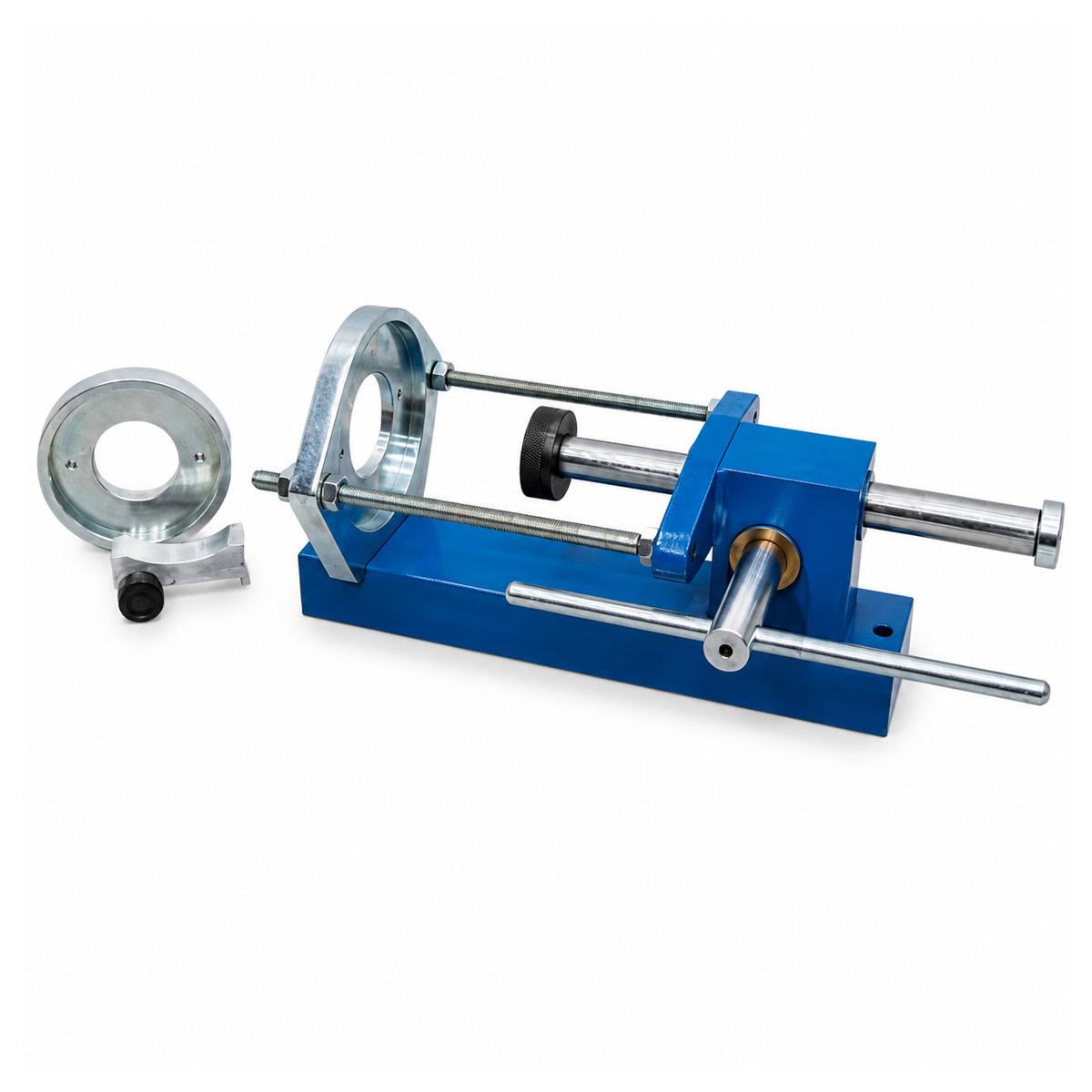
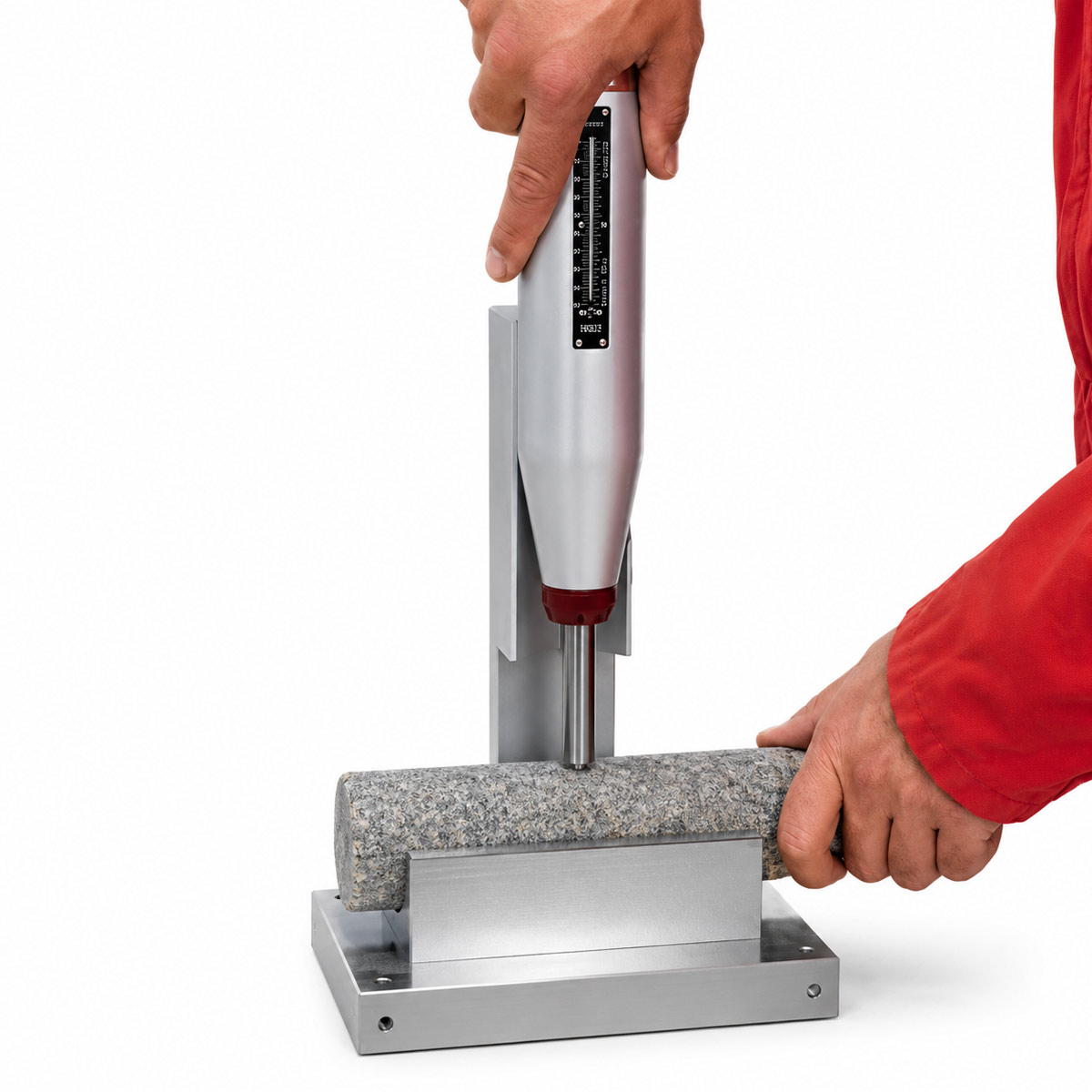
- V-Shaped Rock Cradle: Holds cylindrical core specimens during testing.
- Core Diameter Range: Cradle accommodates approximately 21.46–54.74 mm diameter specimens.
- Perpendicular Testing Position: Vertical support helps position the hammer correctly against the specimen.
- Portable Design: Supplied with a protective carrying case.
- Compact Dimensions: Approximately 10 × 10 × 36 cm.
- Weight: Approximately 2 kg.
- Product Code: LT-R0005.
- Reference Methods: ASTM D5873 / ISRM Schmidt Hammer Method.
| Product Code | Product Name | External Dimensions (cm) | Weight (kg) |
| LT-R0005 | Rock Original Test Hammer L Type | 10 × 10 × 36 | 2 |

LT_KAYA_LTİPİCEKIİC_
What Is an L Type Rock Test Hammer?
The L Type Rock Test Hammer is a portable instrument used to determine the rebound hardness of rock surfaces and core specimens. A spring-loaded mechanism applies a controlled impact to the test surface. The resulting rebound value provides a rapid indication of the relative hardness of the rock.
The device is suitable for both laboratory and field applications. Its compact design also makes it useful for rock-core classification, geological investigations and preliminary material comparisons. The rebound value should not be considered a direct compressive-strength result unless a suitable rock-specific correlation has been established. ASTM also notes that rebound results are intended primarily for rock-hardness classification and should not automatically be converted into design strength values.
Low 0.74 Nm Impact Energy
The L Type mechanism operates with approximately 0.74 Nm impact energy. This lower energy level is particularly suitable for smaller core specimens, relatively weak rocks and fragile materials.
Liya recommends the L Type for structures or specimens with a thickness below approximately 100 mm. ASTM D5873 likewise described rebound hammers with impact energies not exceeding about 0.735 Nm for rock applications.
Rock Core Testing Cradle
A dedicated rock-test cradle can be used for cylindrical specimens. The V-shaped metal bed holds core samples with diameters between approximately 21.46 and 54.74 mm.
The vertical support connected to the cradle helps keep the hammer perpendicular to the test surface. Correct positioning is important because impact direction, surface condition, moisture and rock structure can influence rebound measurements.
How Is the Rock Hammer Test Performed?
First, the operator selects a clean and representative rock surface. Loose particles and surface irregularities should be removed.
The hammer is positioned perpendicular to the test surface. The plunger is then pressed steadily until the spring mechanism releases the impact. The resulting rebound value is recorded.
Several readings should be taken rather than relying on a single impact. The results can then be evaluated according to the selected test procedure. Consistent specimen condition and impact direction improve comparability between test series.
ISRM Schmidt Hammer Method
The ISRM revised suggested method describes the Schmidt hammer as an index device for evaluating rock rebound hardness in laboratory and field conditions. It also discusses factors such as hammer type, impact direction, specimen condition, weathering and moisture content.
ISRM also currently lists a Schmidt Hammer Rebound Hardness resource dated 2024 in its Suggested Methods materials.
As a result, the L Type Rock Test Hammer provides a simple and portable method for rapid rock-hardness classification and comparative testing.