
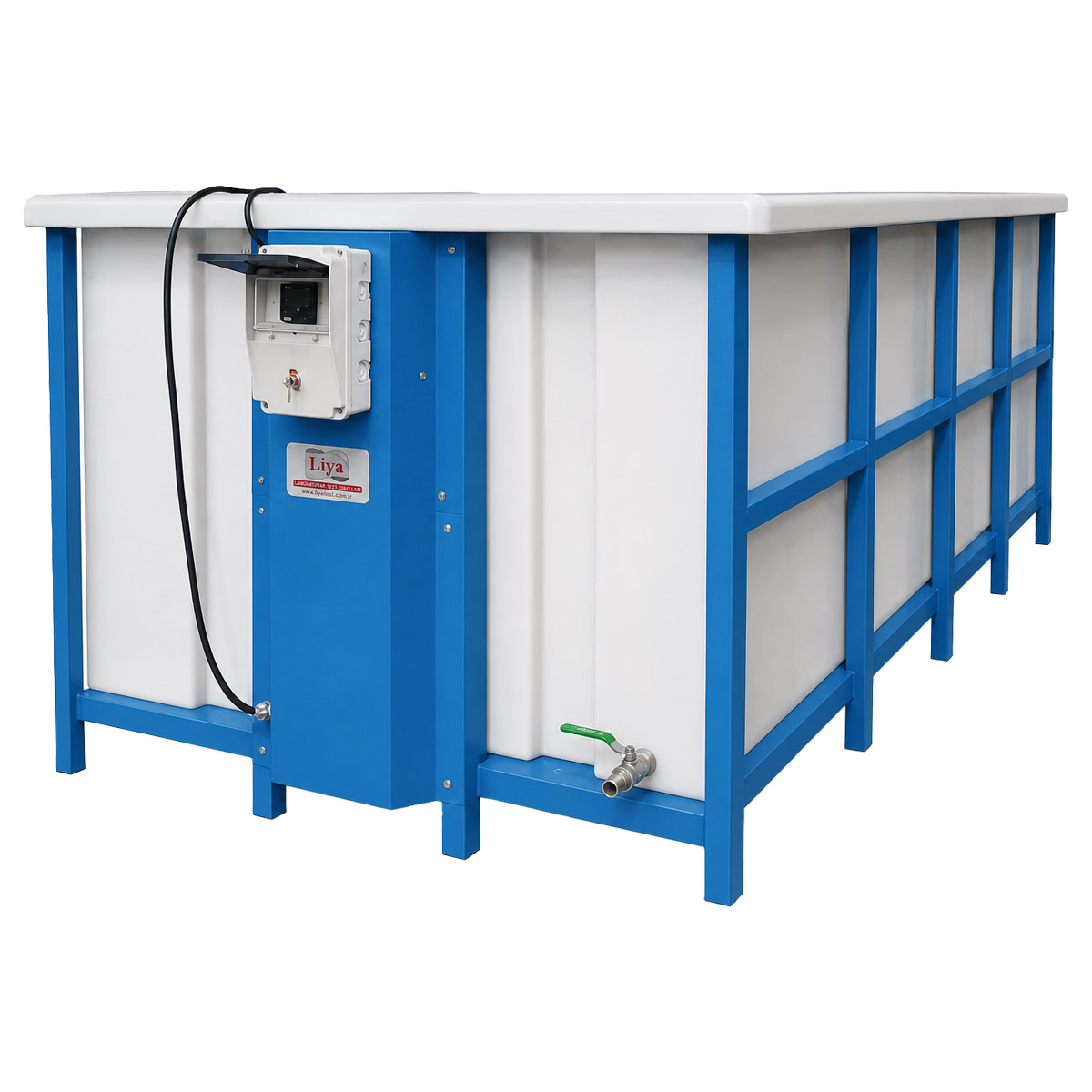
Curing Tank
STANDART: EN 12390-2 , ASTM C31 , ASTM C192 , ASTM C511
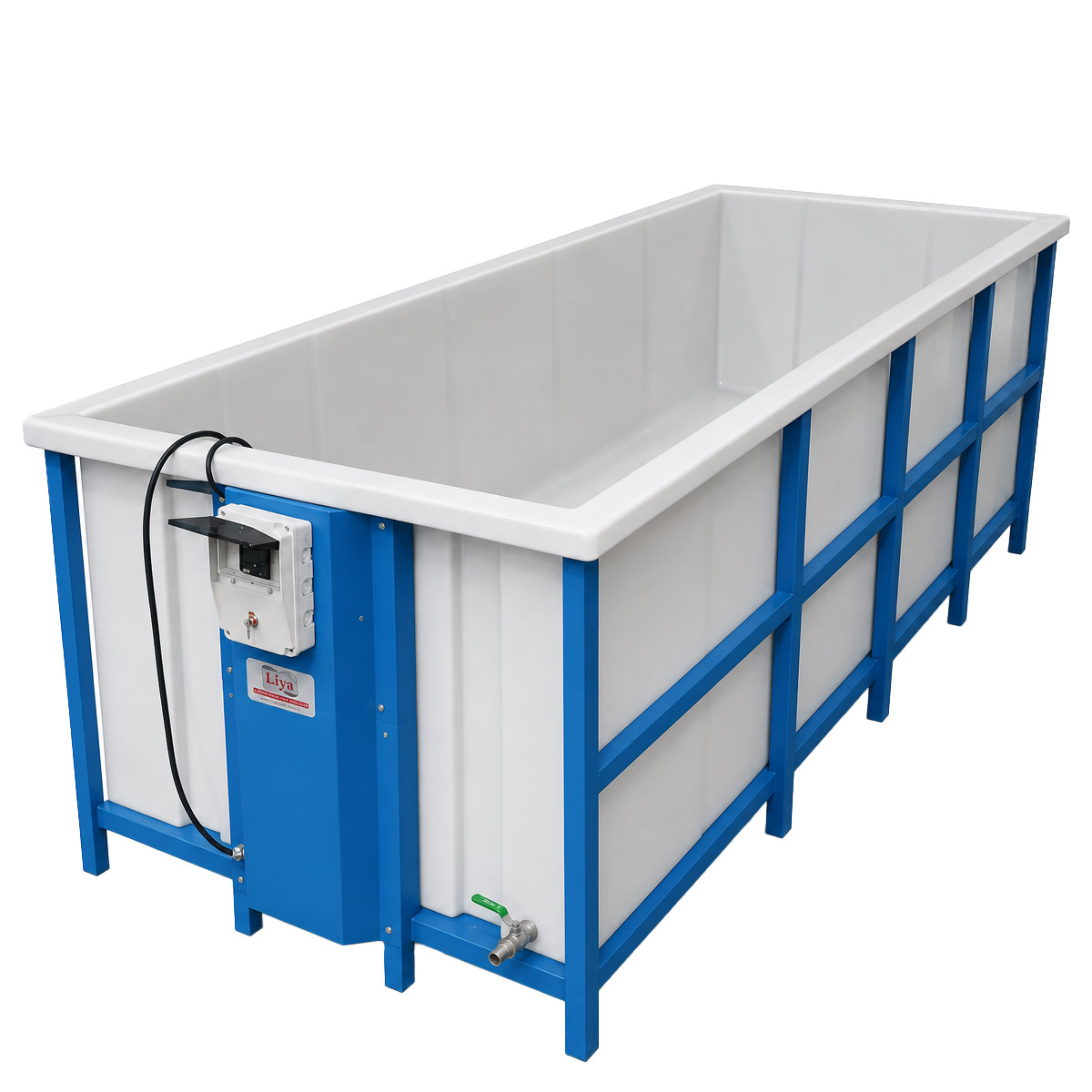
LT-C0110 Concrete Curing Tank | Polyethylene
LT-C0111 Concrete Curing Tank | Polyethylene
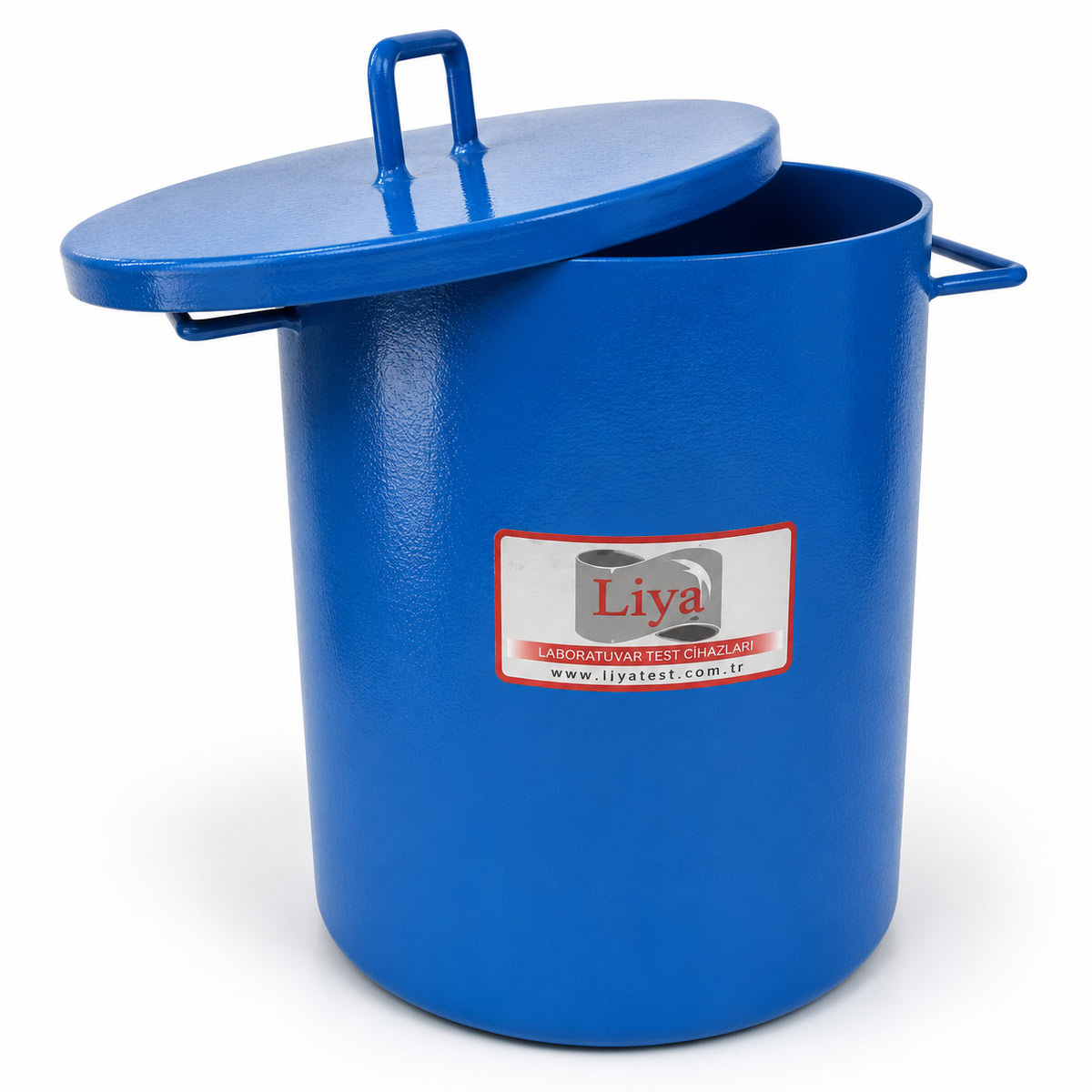
LT-C0112 Concrete Curing Tank | Metal
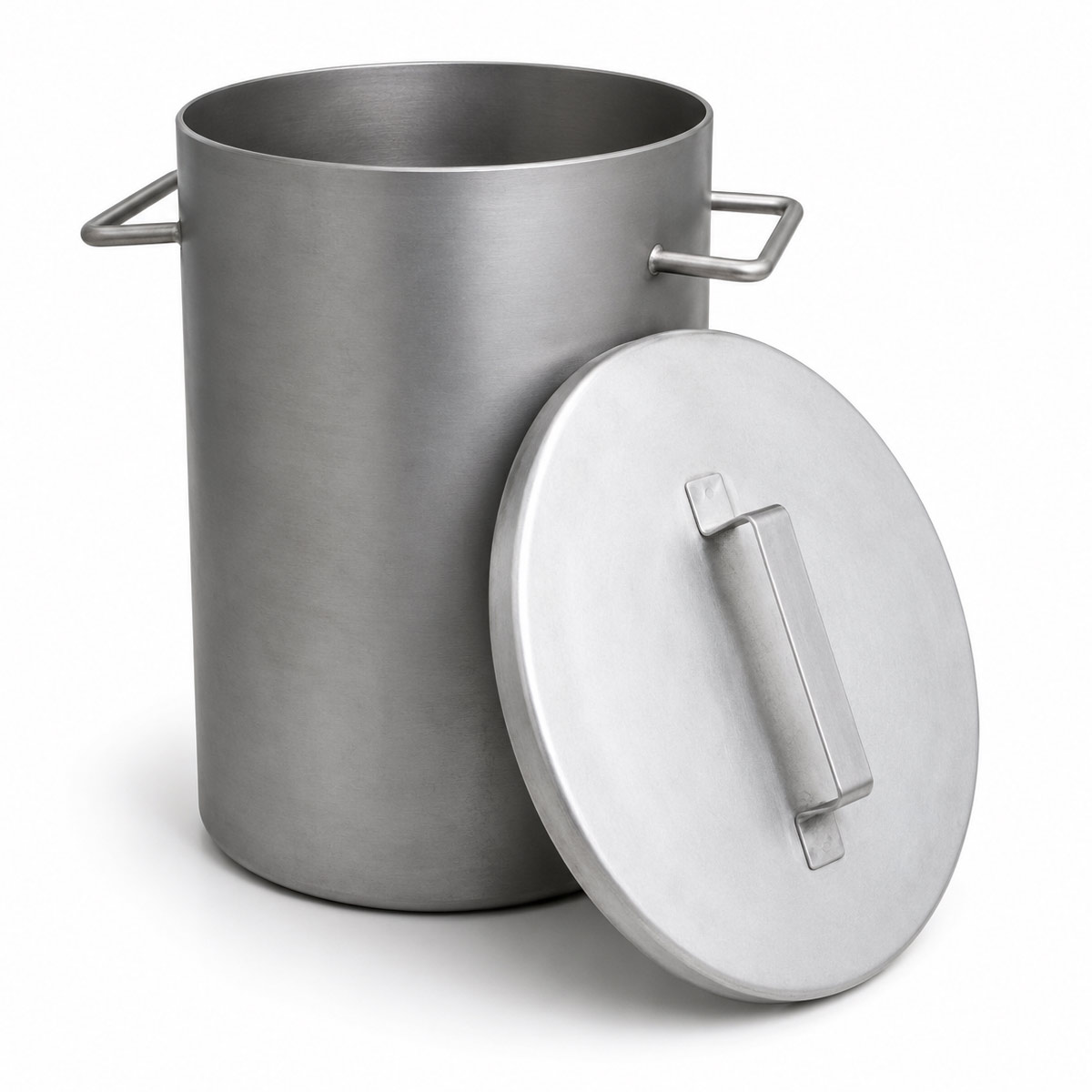
LT-C0113 Concrete Curing Tank | Stainless Steel
Concrete Curing Tanks provide a controlled water environment for curing concrete cube and cylinder specimens before strength testing. A thermostatically controlled heater maintains a stable water temperature, while the circulation pump promotes uniform temperature distribution throughout the tank. LİYA Test offers polyethylene, painted metal and stainless-steel models with different specimen capacities to meet various laboratory requirements.
- Application: Water curing of concrete cube and cylinder specimens
- Model Options: Two polyethylene, one metal and one stainless-steel model
- Maximum Capacity: Up to 390 × 150 mm cubes or 195 × 150 × 300 mm cylinders
- Controlled Water Temperature: Approximately 21 °C
- Temperature Control: Approximately ±2 °C
- Water Circulation: Submersible pump promotes uniform temperature distribution
- Bottom Grid: Keeps specimens raised above the base of the tank
- Material Options: Polyethylene, painted metal and stainless steel
- Power Supply: 220 V, 50–60 Hz, 1 ph
- Standards: EN 12390-2, ASTM C31/C31M, ASTM C192/C192M, ASTM C511
| Product Code | Product Name | Capacity (Cube / Cylinder) | Dimensions (cm) | Weight (kg) | Power Supply |
| LT-C0110 | Concrete Curing Tank, Polyethylene | 390 / 195 | 100 × 200 × 80 | 130 | 220 V, 50–60 Hz, 1 ph |
| LT-C0111 | Concrete Curing Tank, Polyethylene | 220 / 110 | 80 × 185 × 70 | 90 | 220 V, 50–60 Hz, 1 ph |
| LT-C0112 | Concrete Curing Tank, Metal | 135 / 67 | 80 × 150 × 55 | 95 | 220 V, 50–60 Hz, 1 ph |
| LT-C0113 | Concrete Curing Tank, Stainless Steel | 135 / 67 | 80 × 150 × 55 | 115 | 220 V, 50–60 Hz, 1 ph |

LT_BETON_KÜRTANKI_
What Is a Concrete Curing Tank?
The Concrete Curing Tank provides a controlled water environment for concrete cube and cylinder specimens before strength testing. The system helps prevent moisture loss while maintaining stable curing conditions for different specimens.
Proper curing directly influences the reliability of concrete test results. If a specimen loses moisture at an early age, cement hydration may slow down. As a result, the measured strength may not represent the expected concrete performance. Therefore, laboratories should monitor both water temperature and water level throughout the curing period.
Different Materials and Capacities
LİYA Test offers polyethylene, painted metal and stainless-steel curing tanks.
The LT-C0110 is the largest model. It can accommodate up to 390 × 150 mm cube specimens or 195 × 150 × 300 mm cylinders.
The LT-C0111 provides capacity for 220 cubes or 110 cylinders.
The LT-C0112 metal model and LT-C0113 stainless-steel model each accommodate up to 135 cubes or 67 cylinders. Therefore, laboratories can select a tank according to their daily specimen volume and preferred construction material.
Temperature Control and Water Circulation
A thermostatically controlled heater maintains the water temperature at approximately 21 °C. The system provides approximately ±2 °C temperature control.
In addition, a submersible circulation pump keeps the water moving throughout the tank. This circulation helps reduce temperature differences between different areas of the curing environment.
A metal grid at the bottom keeps specimens raised above the tank base. As a result, water can circulate beneath the specimens more easily.
How Are Concrete Specimens Cured?
First, the operator fills the tank with clean water. The heating and circulation systems are then activated.
Once the water reaches the required temperature, demoulded concrete specimens are placed inside the tank. Enough space should remain between the specimens to allow free water circulation.
The water level must completely cover all specimens. In addition, the laboratory should check and record the water temperature and level at regular intervals.
When the required curing period is complete, the specimens can be removed and prepared for the specified strength test.
Curing According to Test Standards
EN 12390-2 covers the preparation and curing of concrete specimens intended for strength testing.
ASTM C31/C31M addresses making and curing concrete test specimens in the field, while ASTM C192/C192M covers laboratory-made concrete specimens.
In addition, ASTM C511 specifies requirements for moist rooms, moist cabinets and water storage tanks used for curing hydraulic-cement concrete specimens.
Reliable Concrete Specimen Curing
The Concrete Curing Tank combines controlled temperature, continuous water circulation and multiple construction options in one practical laboratory system.
With capacities ranging from 135 to 390 cube specimens, the product series can support both routine and high-volume concrete testing laboratories.
As a result, LİYA Test Concrete Curing Tanks provide a stable and repeatable environment for curing concrete specimens before compressive strength and other hardened-concrete tests.