
Hoek Cell
STANDART: EN 1926, 14580; ASTM D2664, D2938, D3148, D5407
LT-R0070/4 Hoek Cell for Triaxial Testing
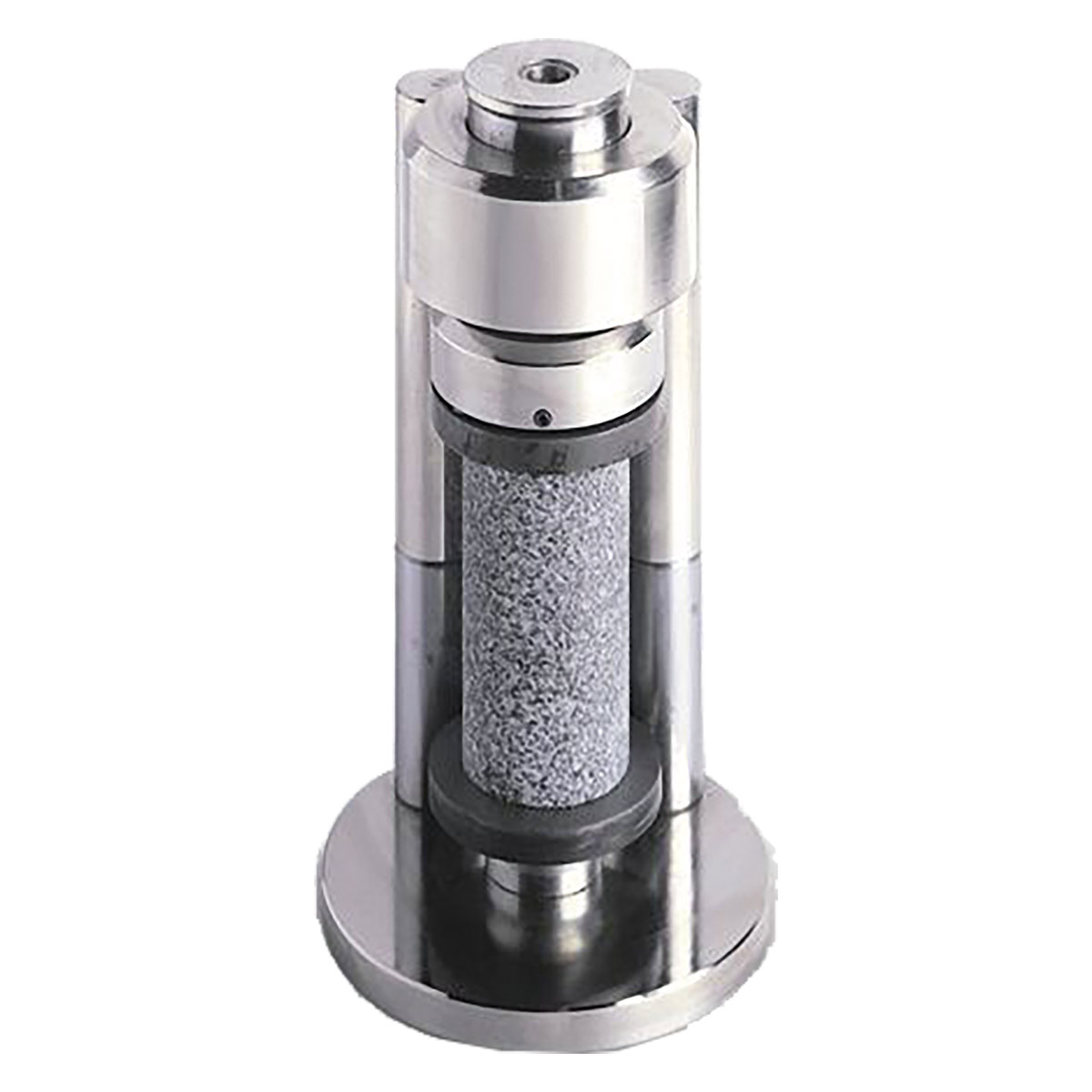
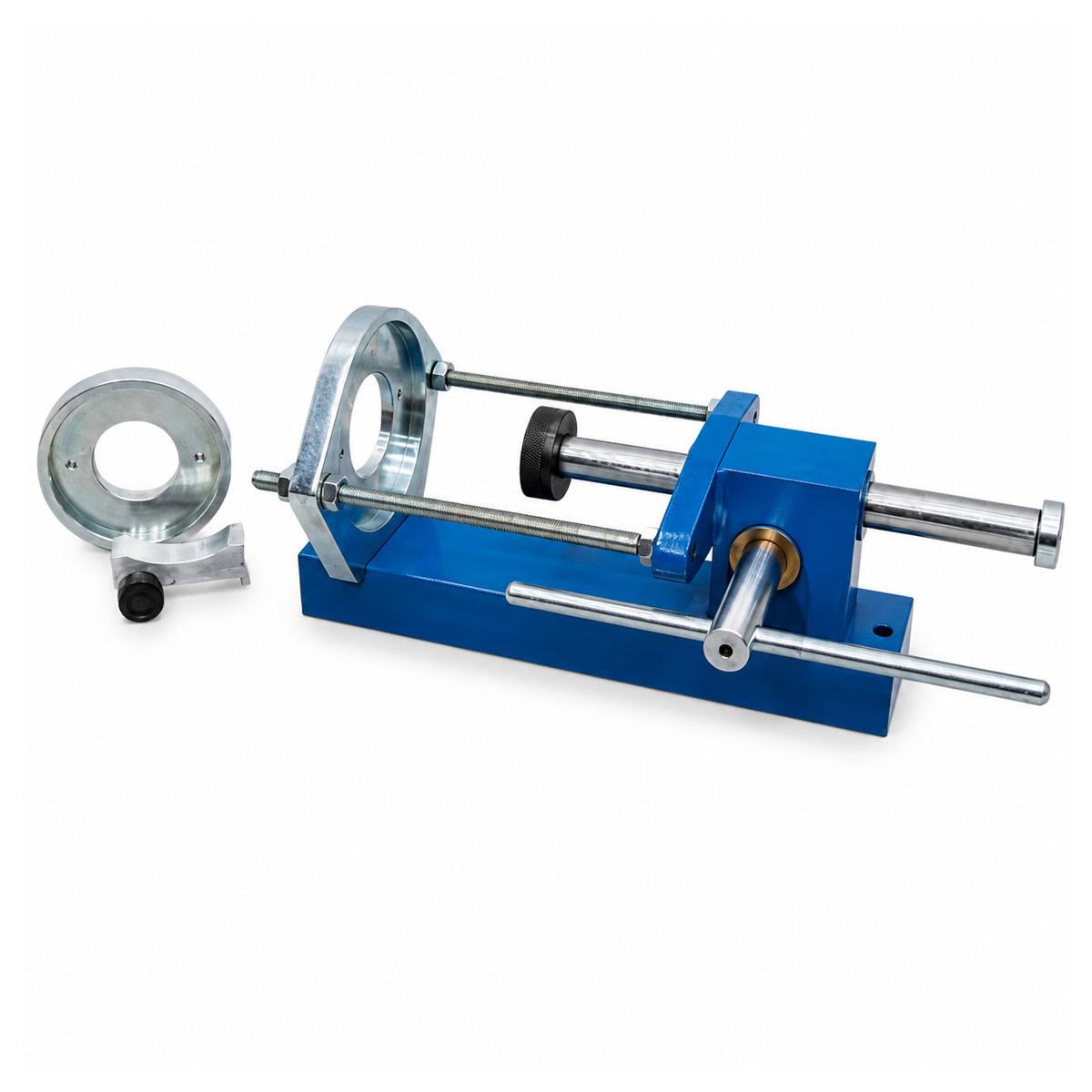
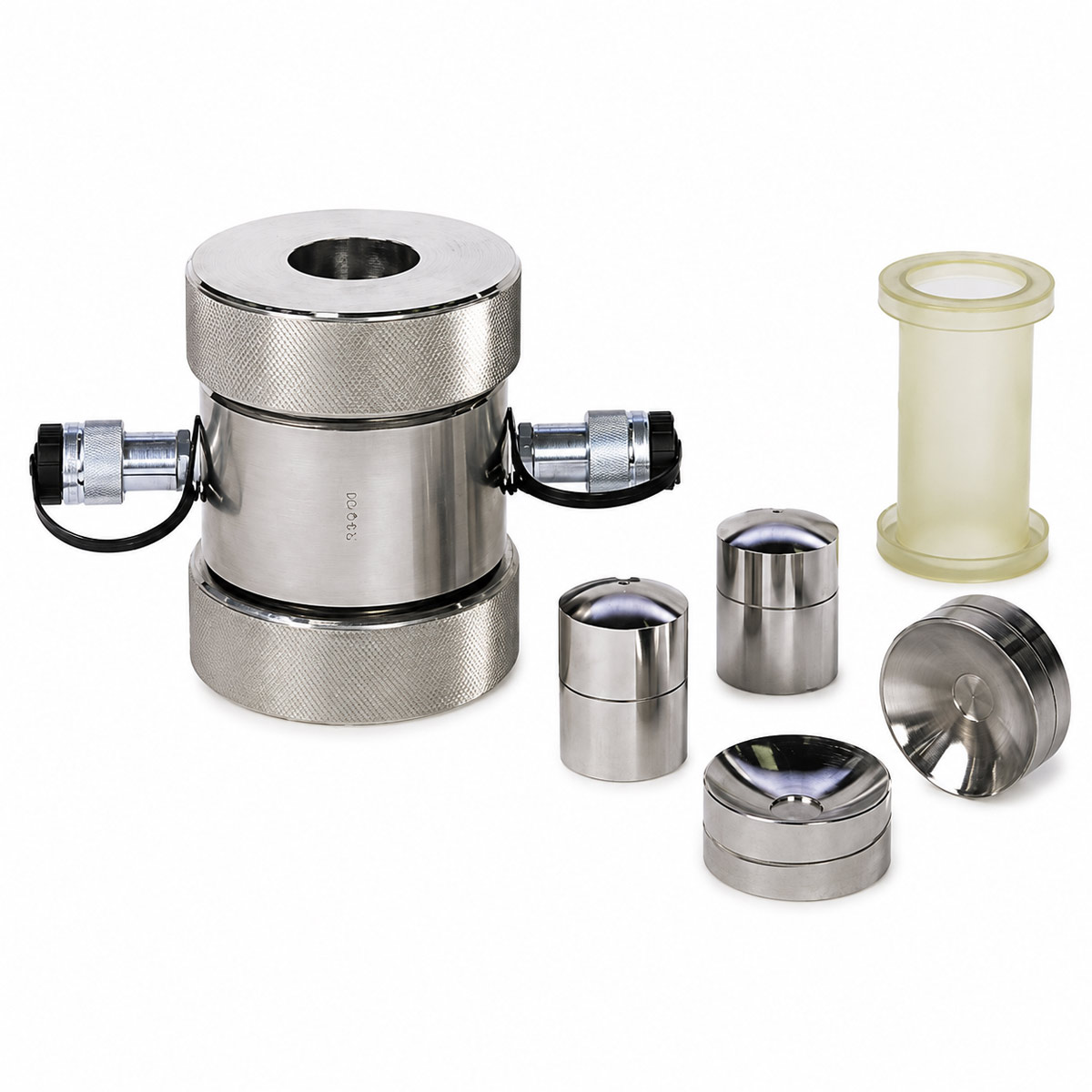
Hoek Cell is designed for triaxial compression testing of intact rock core specimens under controlled confining pressure. The rigid steel cell body safely contains the pressurizing fluid, while the rubber sealing sleeve isolates the specimen from the cell fluid. Spherical loading caps help transfer axial load evenly, and quick-release self-sealing couplings simplify connection to the pressure system. When combined with a suitable loading machine, confining-pressure unit and measurement system, the Hoek Cell allows laboratories to evaluate rock behaviour under different stress conditions.
- Triaxial Rock Testing: Supports controlled testing of intact rock cores under confining pressure.
- Rigid Steel Cell: Maintains stable circumferential pressure throughout the test.
- Rubber Sealing Sleeve: Separates the rock specimen from the pressurizing fluid.
- Spherical Loading Caps: Help transfer axial load evenly to the specimen.
- Quick-Release Couplings: Two self-sealing connections simplify pressure-line installation.
- Screw-Type End Caps: Make specimen installation and removal more practical.
- Different Cell Configurations: Suitable cell size can be selected according to specimen diameter and test pressure.
- External Pressure Connection: Works with a compatible manual or automatic confining-pressure system.
- Triaxial Test System: Requires an axial loading machine and suitable measuring equipment.
- Product Code: LT-R0070/4.
- External Dimensions: 35 × 15 × 20 cm.
- Weight: Approximately 15 kg.
- Current ASTM Reference: ASTM D7012-23, Methods A and B
| Product Code | Product Name | External Dimensions (cm) | Weight (kg) |
| LT-R0070/4 | Hoek Cell | 35 × 15 × 20 | 15 |

LT_KAYA_HOEKCELL_
Hoek Cell for Triaxial Rock Testing
The Hoek Cell is designed for triaxial compression testing of intact rock core specimens. It allows a laboratory to apply controlled confining pressure around the specimen while a separate compression machine applies axial load. This arrangement helps engineers study rock behaviour under more complex stress conditions than a conventional uniaxial compression test.
The LT-R0070/4 Hoek Cell combines a rigid steel body with sealed pressure connections and dedicated specimen components. Therefore, it provides a practical test chamber for rock mechanics laboratories.
Rigid and Sealed Steel Cell
The steel cell body contains the pressurizing fluid during the test. Two screw-type steel end caps close the body securely.
The unit also includes two quick-release self-sealing couplings. These connections simplify installation of the pressure line and help maintain a sealed hydraulic system during testing.
Rubber Sealing Sleeve
A rubber sealing sleeve surrounds the rock core specimen. It isolates the specimen from the cell fluid while allowing the external pressure to act around the sample.
This separation is important because the test requires controlled confining pressure without direct penetration of the hydraulic fluid into the specimen. The operator must select a sleeve that matches the specimen diameter and test configuration.
Spherical Loading Caps
The Hoek Cell includes upper and lower loading caps with spherical coupling. These components help transfer the axial force through the rock specimen.
The spherical arrangement compensates for small alignment differences. However, laboratories should still prepare core ends flat and parallel. Proper specimen geometry improves load distribution and test repeatability.
How Is a Triaxial Rock Test Performed?
First, the operator places the prepared rock core inside the rubber sleeve. The loading caps and end covers are then installed.
Next, the pressure line connects to the Hoek Cell. The confining-pressure system applies the required lateral pressure. At the same time, the compression machine increases the axial load at the selected rate.
The measuring system records load, pressure and, when required, deformation data. Laboratories can repeat the test at several confining-pressure levels to compare rock strength under different stress states.
ASTM D7012-23 Methods A and B
ASTM D7012-23 Method A covers triaxial compressive strength testing of intact rock cores. Method B extends the triaxial procedure to include axial and lateral strain measurements for determining elastic properties such as Young’s modulus and Poisson’s ratio.
As a result, the Hoek Cell provides a compact and robust solution for controlled triaxial rock testing when combined with the required axial loading and confining-pressure systems.