
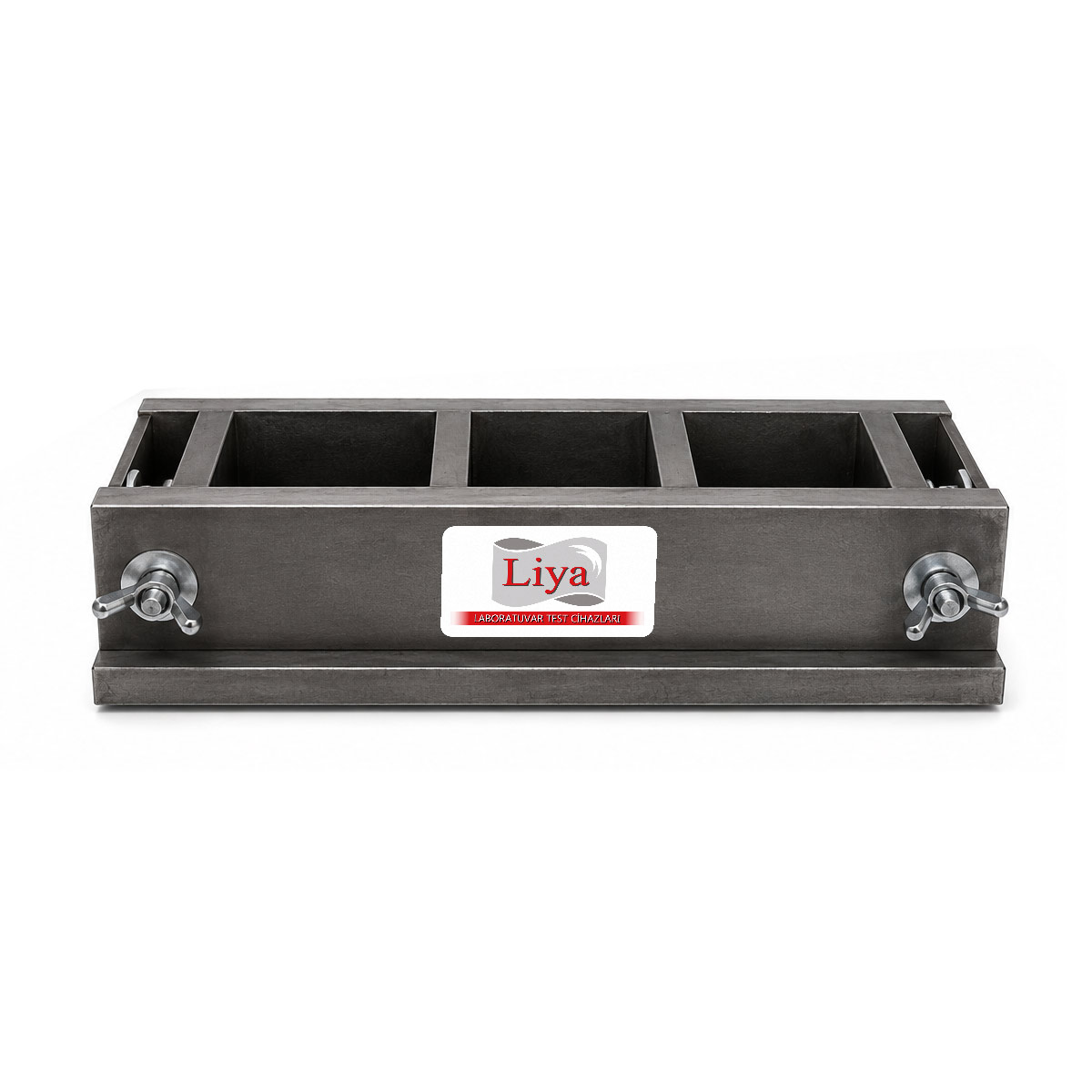
Cement Moulds
STANDART: EN 196-1, ASTM C109, BS 4550
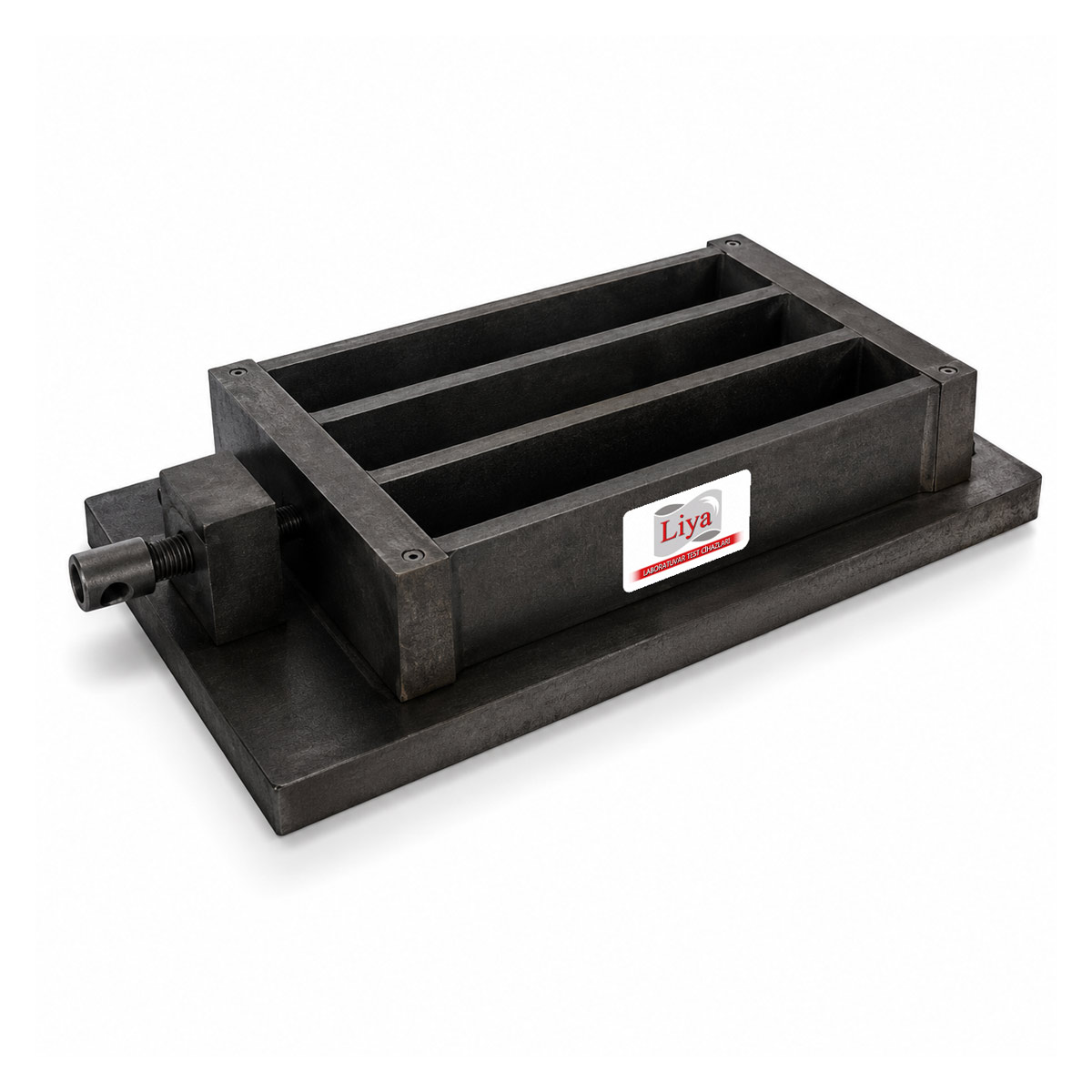
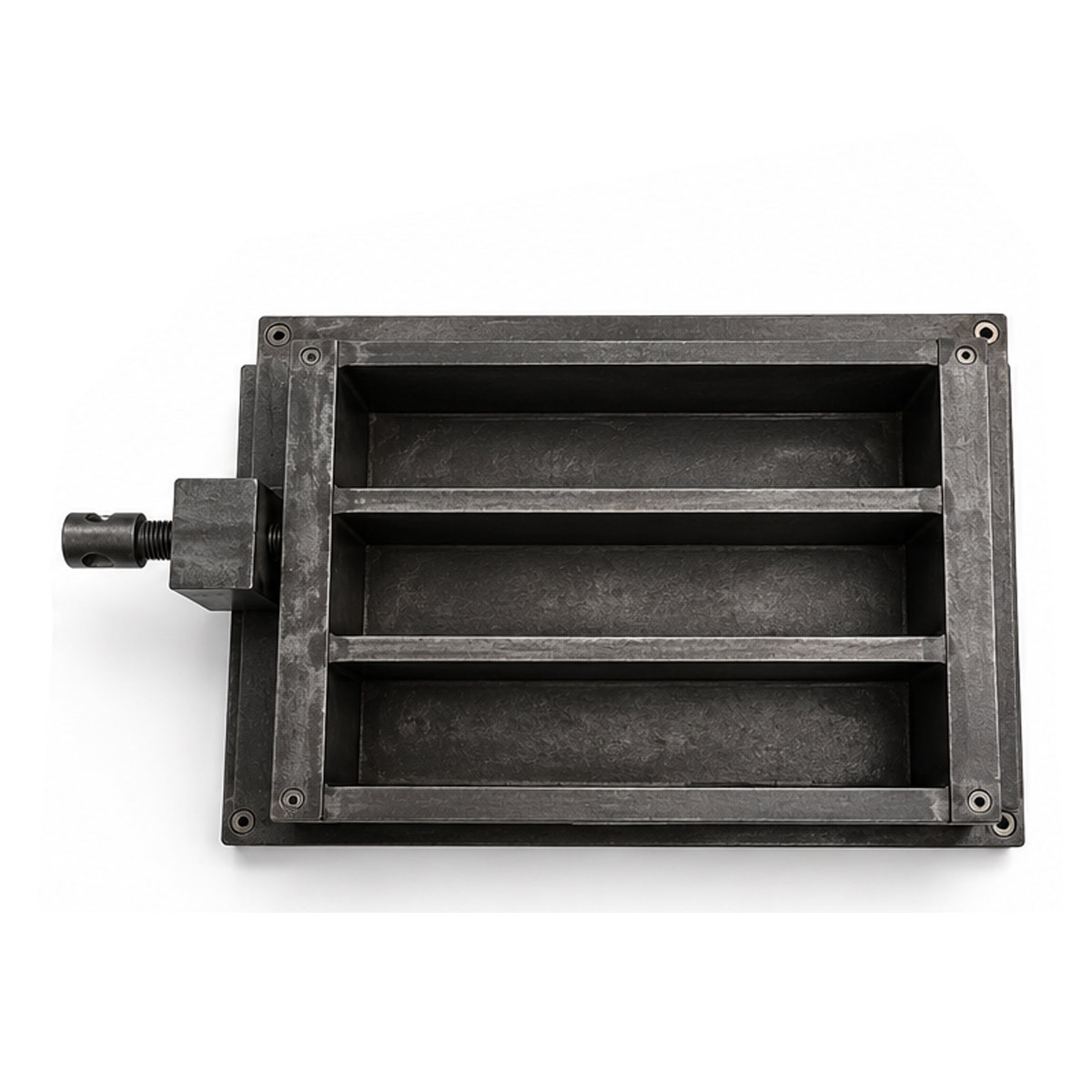
LT-CE0035 Three Gang Mould | 40x40x160mm
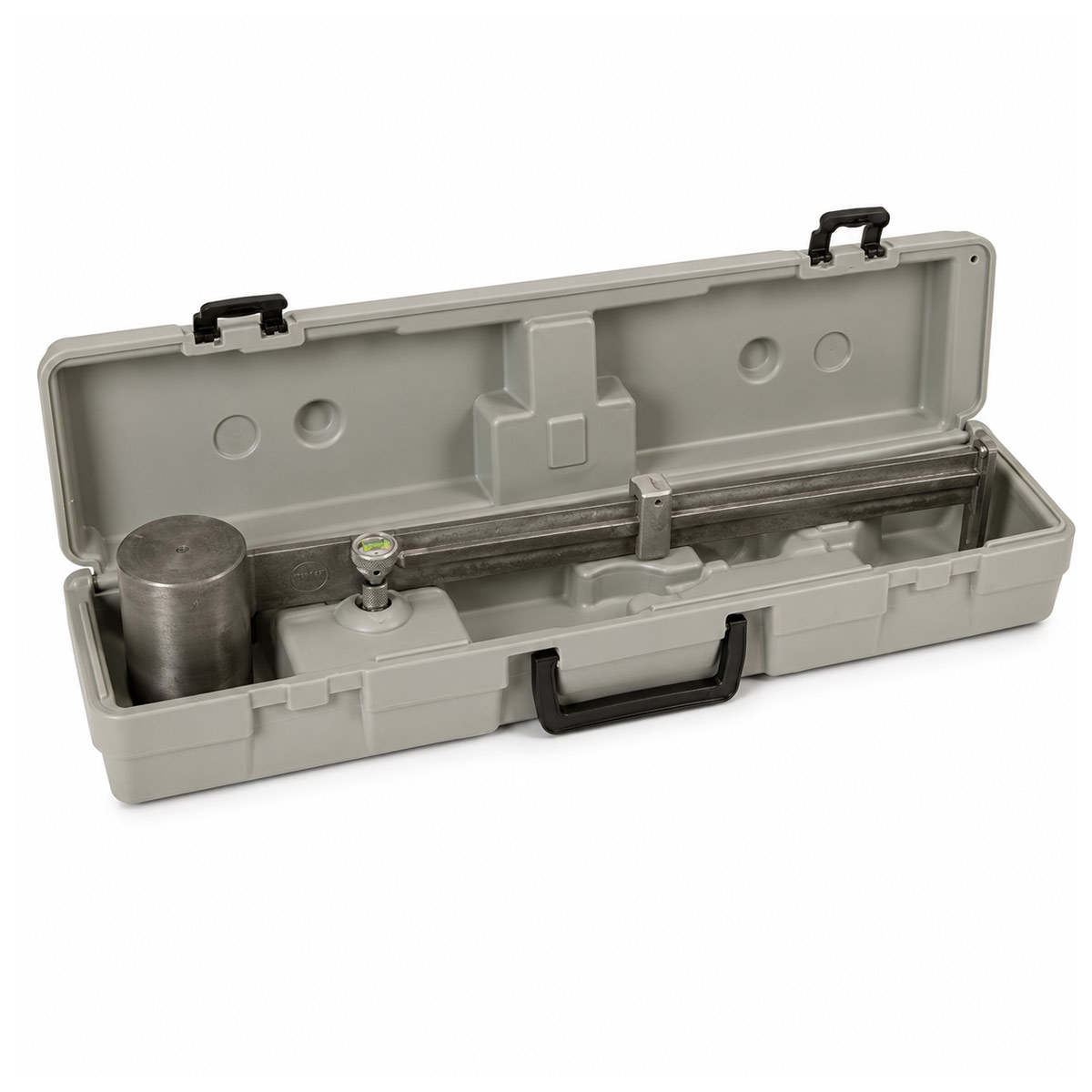
LT-CE0035/1 Feed Hopper | 40x40x160mm
LT-CE0036 Steel Three Gang Cube Mould | 50x50x50mm
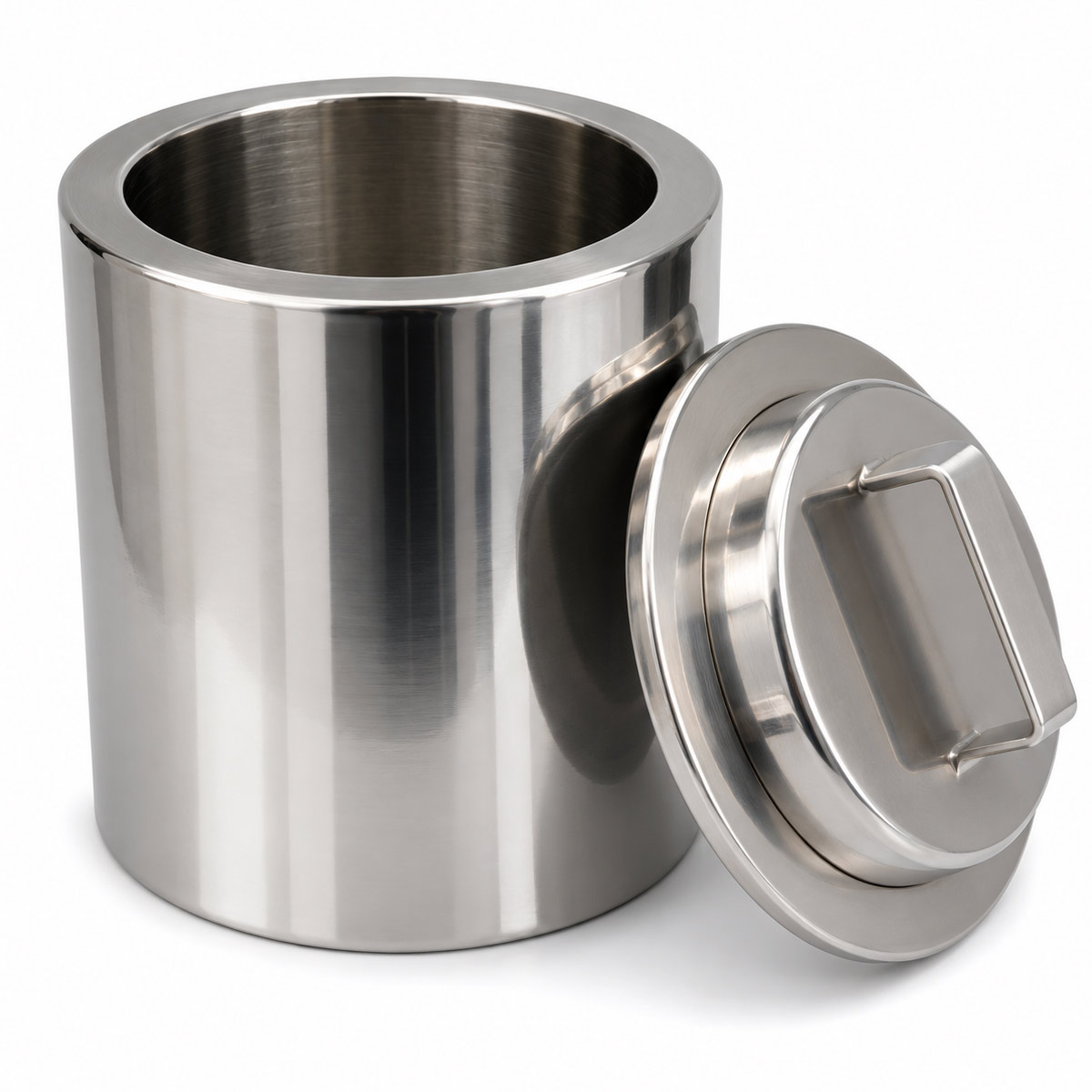
LT-CE0037 Steel Cube Mould | 70,7mm
LT-CE0038 Steel Cement Shrinkage Mould | 25x25x285mm
LT-CE0038/2 Steel Insert | 10 Pack
LT-CE0038/3 Reference Rod | 305mm
Cement Moulds are designed to prepare standardized mortar specimens for compression, flexural and shrinkage tests. The rigid steel construction maintains accurate specimen geometry during filling and compaction. The product range includes 40 × 40 × 160 mm prism moulds, 50 × 50 × 50 mm cube moulds, 70.7 mm cube moulds and 25 × 25 × 285 mm shrinkage moulds, together with compatible accessories.
- 40 × 40 × 160 mm Prism Mould: Three-gang steel mould for standard cement mortar prisms.
- 50 × 50 × 50 mm Cube Mould: Three-gang steel mould for compression test specimens.
- 70.7 mm Cube Mould: Single-gang steel mould for suitable mortar testing applications.
- 25 × 25 × 285 mm Shrinkage Mould: Two-gang mould for dimensional-change specimens.
- Rigid Steel Construction: Helps maintain specimen dimensions during filling and compaction.
- Precision-Machined Surfaces: Support consistent specimen geometry.
- Demountable Design: Simplifies specimen removal and mould cleaning.
- Feed Hopper: Available for filling 40 × 40 × 160 mm prism moulds.
- Steel Inserts: Available as a pack of 10 for the shrinkage mould.
- Reference Rod: 305 mm reference rod is available for dimensional-change measurements.
- Laboratory Applications: Suitable for cement, mortar and construction-material laboratories.
| Product Code | Product Name | External Dimensions (mm) | Weight (kg) |
| LT-CE0035 | Three Gang Mould, 40 × 40 × 160 mm | 300 × 190 × 70 | 7 |
| LT-CE0036 | Three Gang Cube Mould, 50 × 50 × 50 mm | 110 × 230 × 60 | 3 |
| LT-CE0037 | Cube Mould, 70.7 mm | 100 × 130 × 90 | 3.5 |
| LT-CE0038 | Two Gang Shrinkage Mould, 25 × 25 × 285 mm | 90 × 340 × 40 | 4 |

LT_CIMENTO_CIMENTOKALIPLAR_
Cement Moulds for Standard Mortar Specimen Preparation
Cement Moulds are used to produce accurately dimensioned mortar specimens before compression, flexural and dimensional-change testing. Correct specimen geometry is important because dimensional variations can influence load distribution and test results.
Liya Test offers several steel mould configurations for different laboratory methods, including prism, cube and shrinkage specimens.
40 × 40 × 160 mm Three Gang Mould
The LT-CE0035 is a three-gang steel mould designed to prepare three 40 × 40 × 160 mm mortar prisms simultaneously.
This specimen size is widely used in cement strength testing under EN 196-1. The prisms can first be tested in flexure. The broken portions may then be used for compression testing according to the applicable procedure.
A dedicated LT-CE0035/1 Feed Hopper is available to simplify filling and help distribute fresh mortar into the three mould compartments.
50 mm and 70.7 mm Cube Moulds
The LT-CE0036 contains three cavities measuring 50 × 50 × 50 mm. This geometry is suitable for hydraulic cement mortar compression specimens, including applications based on ASTM C109/C109M.
The LT-CE0037 is a single-gang 70.7 mm cube mould. It provides an additional specimen geometry for laboratories working with different mortar specifications.
Both moulds use rigid steel construction to maintain dimensional stability during filling and compaction.
Cement Shrinkage Mould
The LT-CE0038 Cement Shrinkage Mould contains two 25 × 25 × 285 mm specimen compartments.
Steel inserts are positioned at the specimen ends to provide reference points for subsequent length measurements. A 305 mm reference rod can then be used with suitable measuring equipment for calibration and dimensional-change evaluation.
EN 12617-4:2002 specifies methods for determining shrinkage and expansion caused by changes in moisture content in hydraulic mortars and concretes. The standard remains current.
Durable Steel Construction
The mould bodies are manufactured from steel and designed to retain their geometry during repeated laboratory use. Precision surfaces help produce specimens with regular edges and consistent dimensions.
The demountable construction also simplifies specimen removal and cleaning after testing.
As a result, Cement Moulds provide laboratories with multiple specimen sizes for standardized compression, flexural and shrinkage testing while maintaining reliable and repeatable sample geometry.