
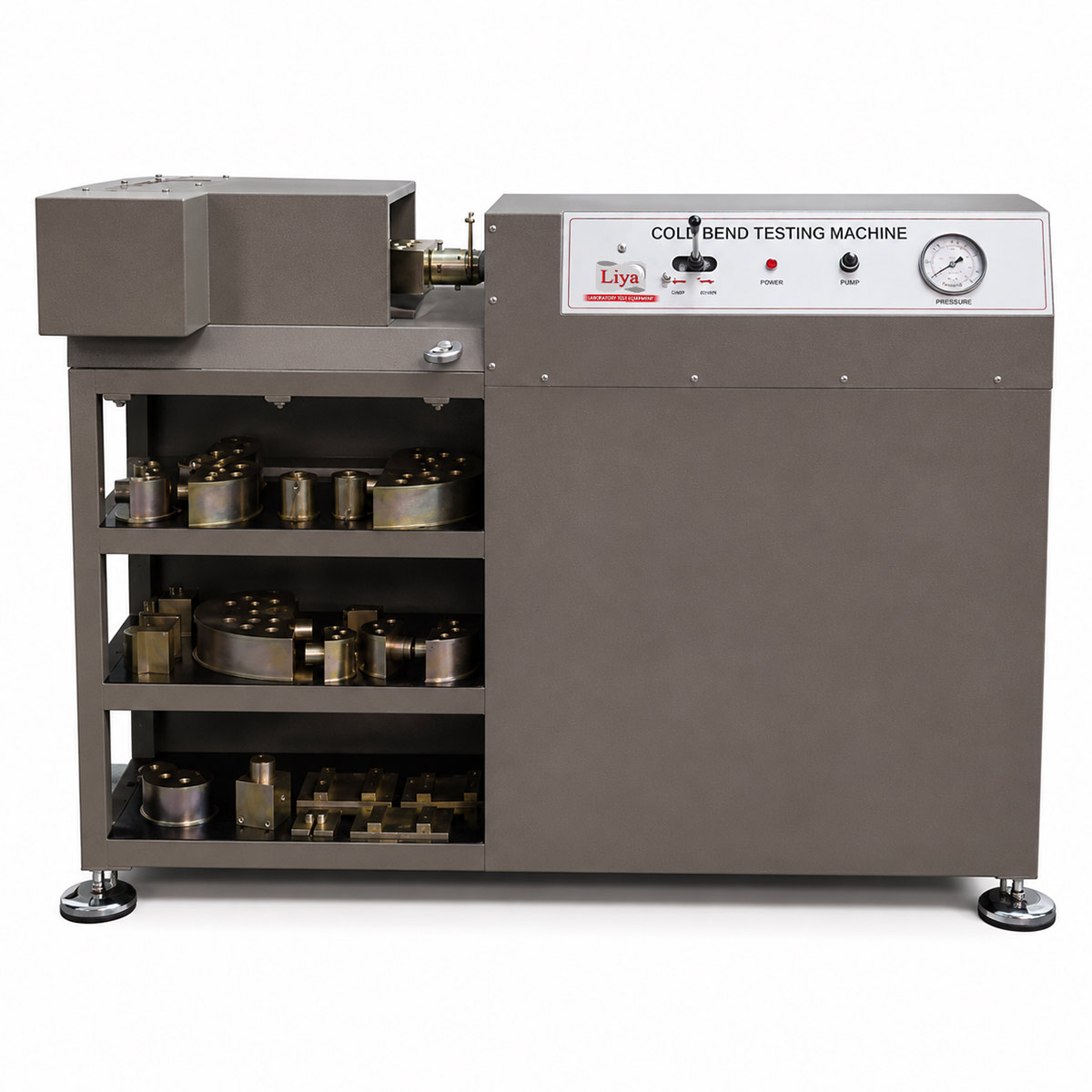
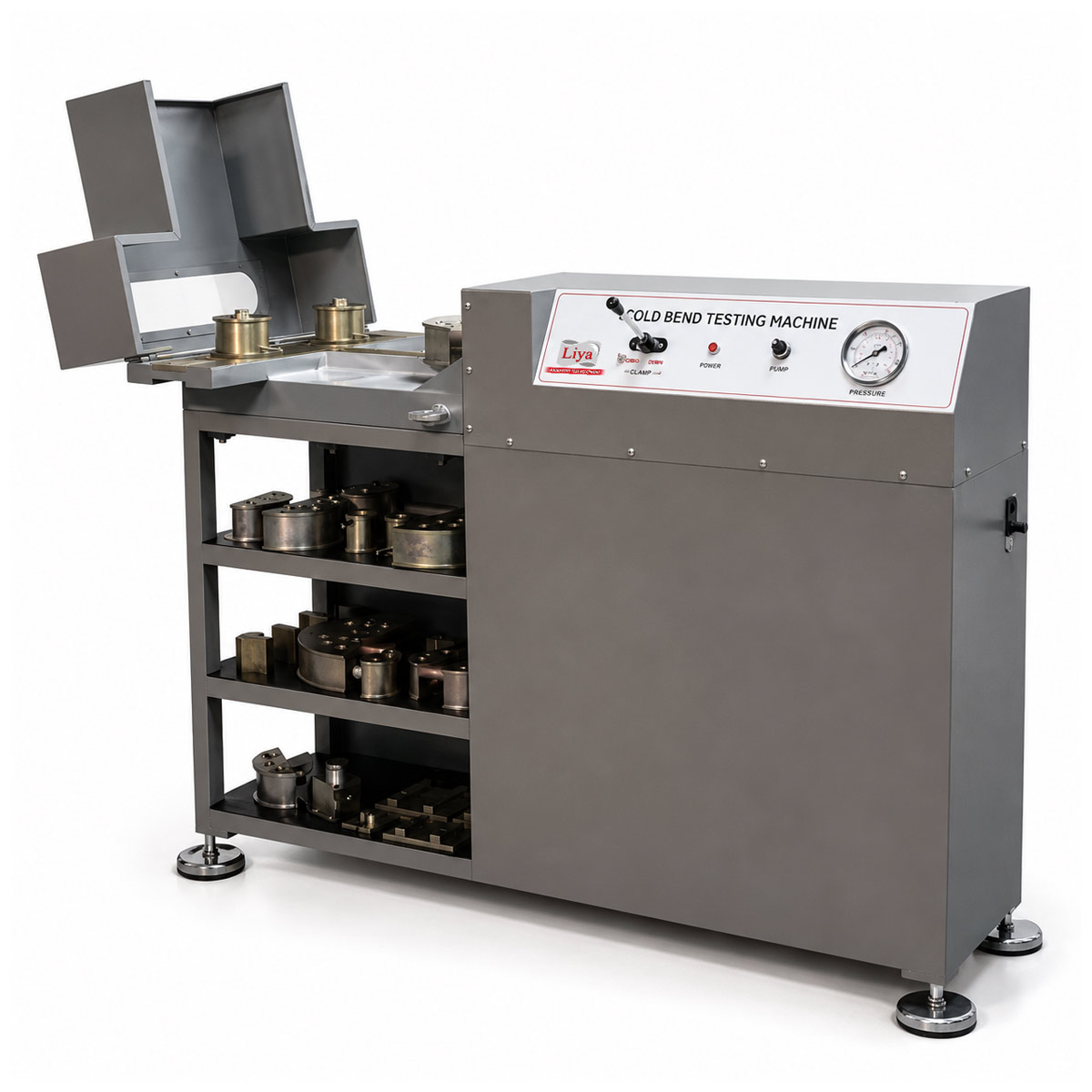
Cold Bending Test Device
STANDART: ASTM E 23, EN 10045, ISO 148, GOST 9454; AS 1544; JIS Z 2242, B 7722
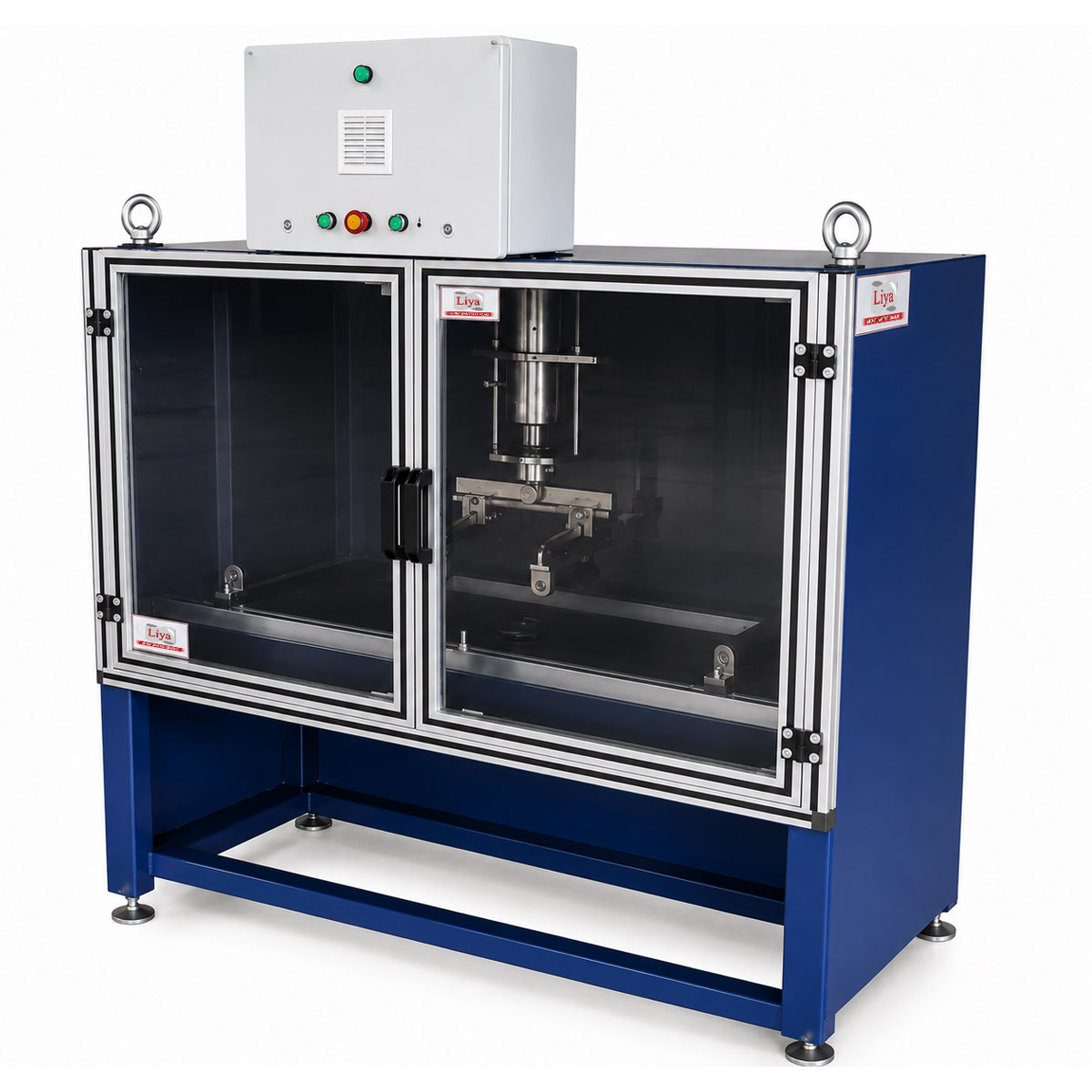
LT-U0200 Cold Bending Test Device
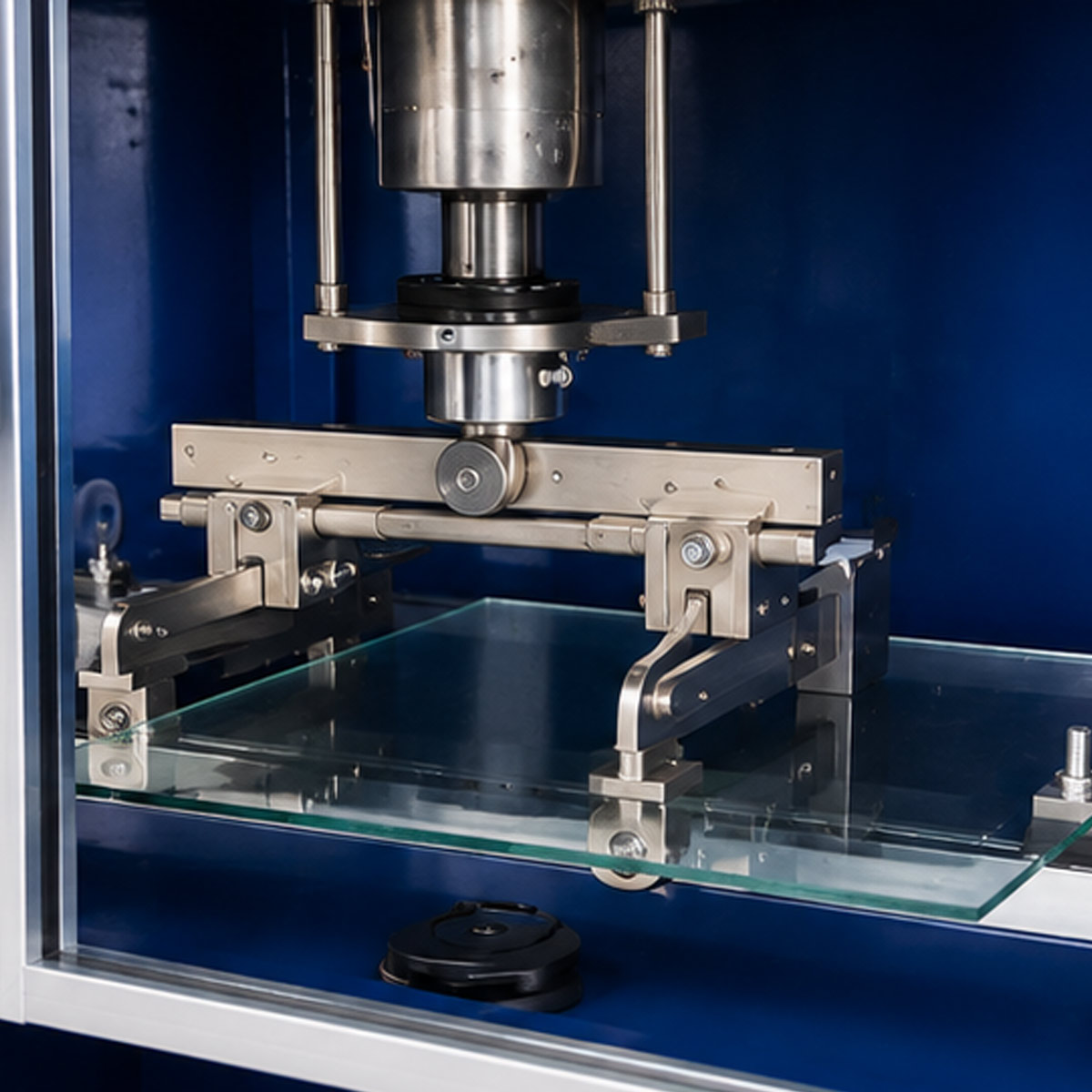
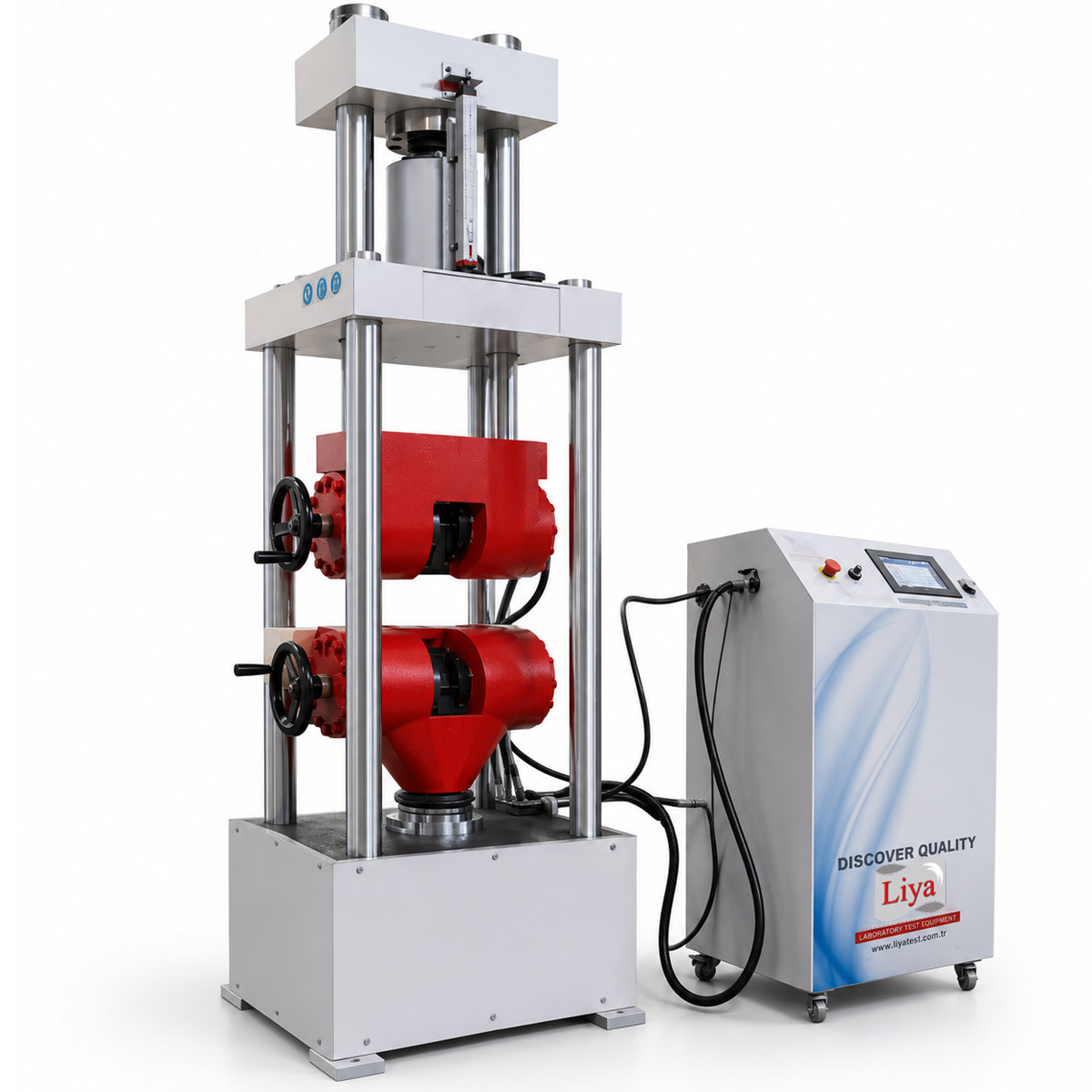
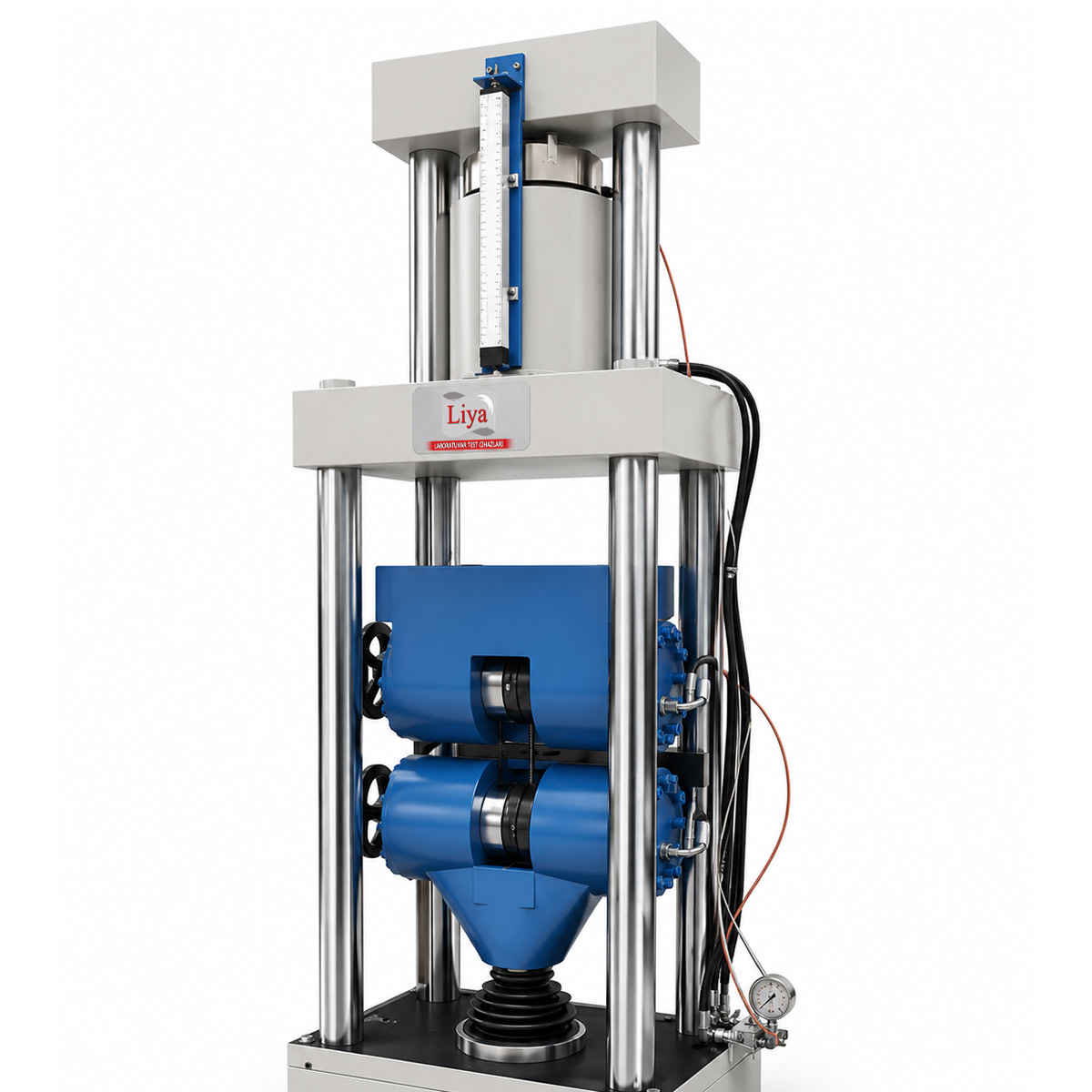
Cold Bending Test Device is designed to perform bending and reverse bending tests on reinforcing steel bars under controlled hydraulic loading. The machine provides a 160 kN test capacity and an adjustable piston speed of 0–6 mm/s. Interchangeable mandrels and adjustable rollers allow the system to accommodate reinforcing bars with different diameters and product requirements.
- Bending Test: Evaluates the ability of steel bars to undergo plastic deformation without visible cracking.
- Reverse Bending Test: Supports bending, ageing and subsequent reverse bending procedures.
- 160 kN Capacity: Hydraulic system applies controlled force to the specimen.
- Adjustable Piston Speed: Operates between 0 and 6 mm/s.
- Bar Diameter Range: Suitable for reinforcing bars from Ø5 to Ø40 mm.
- 180° Bend Capability: Supports standard bending with mandrels up to 96 mm diameter.
- Reverse Bend Capability: Supports 90° bending followed by straightening to a minimum of 20° with suitable mandrels.
- Adjustable Rollers: Roller spacing can be adapted to different reinforcing bar diameters.
- Two Roller Sets: Supplied with approximately Ø50 mm and Ø100 mm roller sets.
- Hydraulic Control System: Includes speed adjustment, directional control and maximum pressure control.
- Safety Enclosure: Protects machine components and improves operator safety.
- Product Code: LT-U0200.
- Standards: EN ISO 7438, EN ISO 15630-1, ASTM A615, ASTM A615M, D.M. 14/1/1988.
| Product Code | Product Name | Capacity (kN) | External Dimensions (cm) | Piston Speed (mm/s) | Weight (kg) | Power Supply |
| LT-U0200 | Cold Bending Test Device | 160 | 154 × 80 × 130 | 0–6 | 350 | 220 V, 50–60 Hz, 1 ph |

LT_UNIVERSAL_SOGUKBUKME_
What Is a Cold Bending Test Device?
The Cold Bending Test Device is designed to evaluate the plastic deformation behaviour of reinforcing steel bars and metallic specimens. The machine bends the specimen around a selected mandrel under controlled hydraulic force. This allows laboratories to determine whether the material can reach the required bending angle without visible cracks or fractures.
Bend testing provides information about ductility and forming behaviour rather than tensile strength alone. Therefore, the machine is particularly useful for reinforcing steel manufacturers, construction laboratories and quality-control departments.
160 kN Hydraulic Test Capacity
The machine provides a maximum test capacity of 160 kN. Its hydraulic system transfers force to the specimen in a controlled manner. The operator can adjust piston speed between 0 and 6 mm/s, allowing the test conditions to be adapted to different bar diameters and material grades.
The rigid machine frame keeps the mandrel, rollers and specimen aligned during testing. Controlled hydraulic movement also helps reduce sudden loading and supports repeatable laboratory procedures.
How Is the Bending Test Performed?
First, the operator selects the mandrel required by the relevant product standard and reinforcing bar diameter. The specimen is then positioned between the supporting rollers.
The hydraulic piston pushes the bar around the mandrel until the specified bending angle is reached. For standard bend tests, the machine can bend specimens through angles up to 180° when suitable mandrels are used.
After the bending operation, the specimen surface is visually inspected. The operator checks for cracks, fractures or other visible defects.
ISO 7438:2020 defines the general method for determining the ability of metallic materials to undergo plastic deformation during bending.
Reverse Bending Test
The machine also supports reverse bending procedures for reinforcing steel. In this method, the bar is first bent in one direction. The specimen is then aged according to the applicable procedure and bent again in the opposite direction.
Liya specifies a 90° initial bend followed by straightening to a minimum of 20° for the reverse-bending configuration with appropriate mandrels.
This procedure helps evaluate whether reinforcing steel maintains adequate ductility after deformation and ageing.
Adjustable Mandrels and Rollers
The machine accepts reinforcing steel bars between Ø5 and Ø40 mm. Two adjustable rollers are mounted on the working beam, allowing the distance between them to be adapted to different specimen diameters.
The standard machine is supplied with two roller sets of approximately Ø50 mm and Ø100 mm. Mandrels, mandrel holders and brackets must be selected separately according to the required specimen diameter and test standard.
EN ISO 7438 and EN ISO 15630-1
ISO 7438:2020 specifies the general bend test for metallic materials. It focuses on determining whether a metallic specimen can withstand plastic deformation during bending.
ISO 15630-1:2019 covers mechanical test methods for reinforcing bars, rods and wire used in concrete reinforcement. ISO confirmed this edition again in 2024.
As a result, the Cold Bending Test Device combines high hydraulic capacity, adjustable test speed and interchangeable tooling in a practical system for repeatable reinforcing-steel bending and reverse-bending tests.