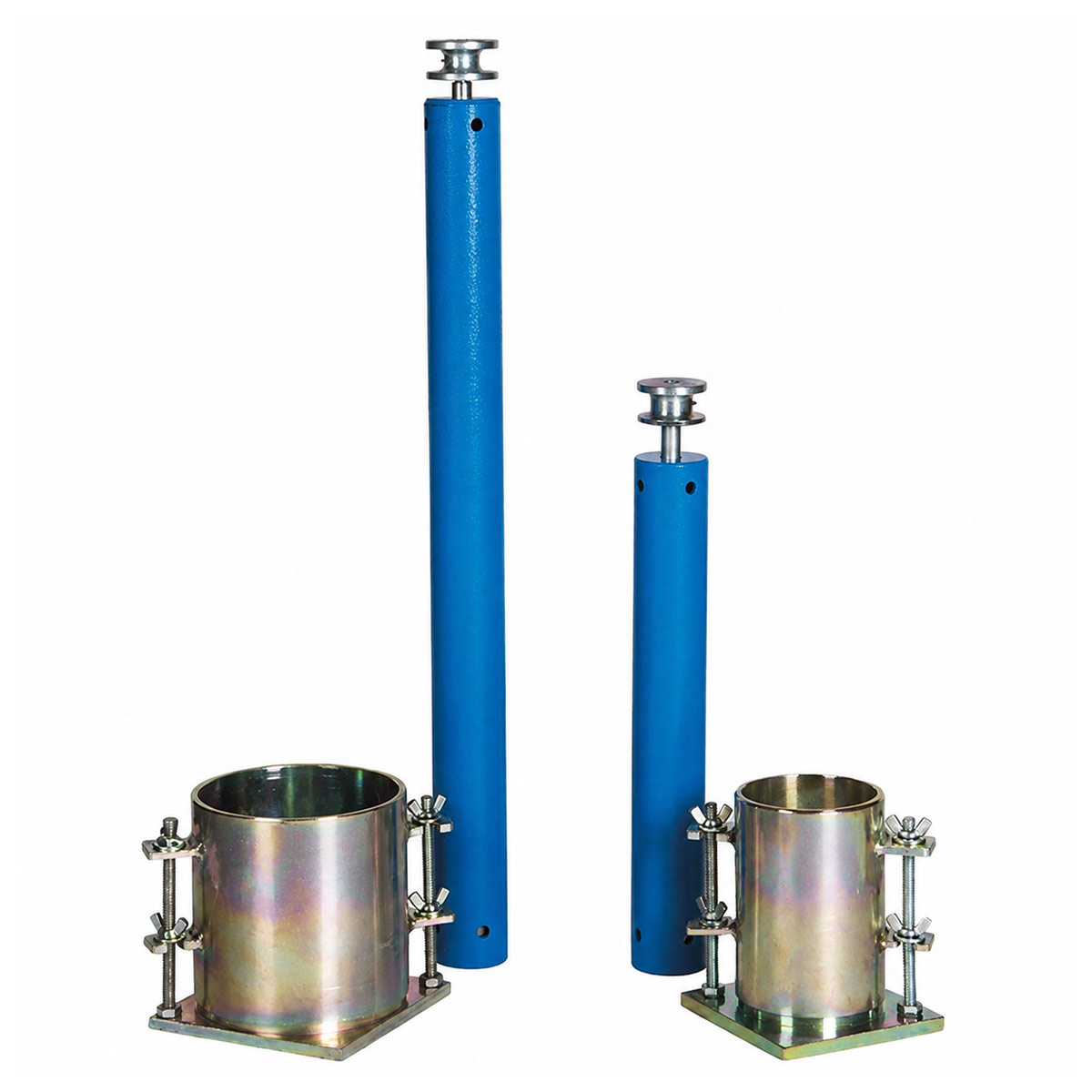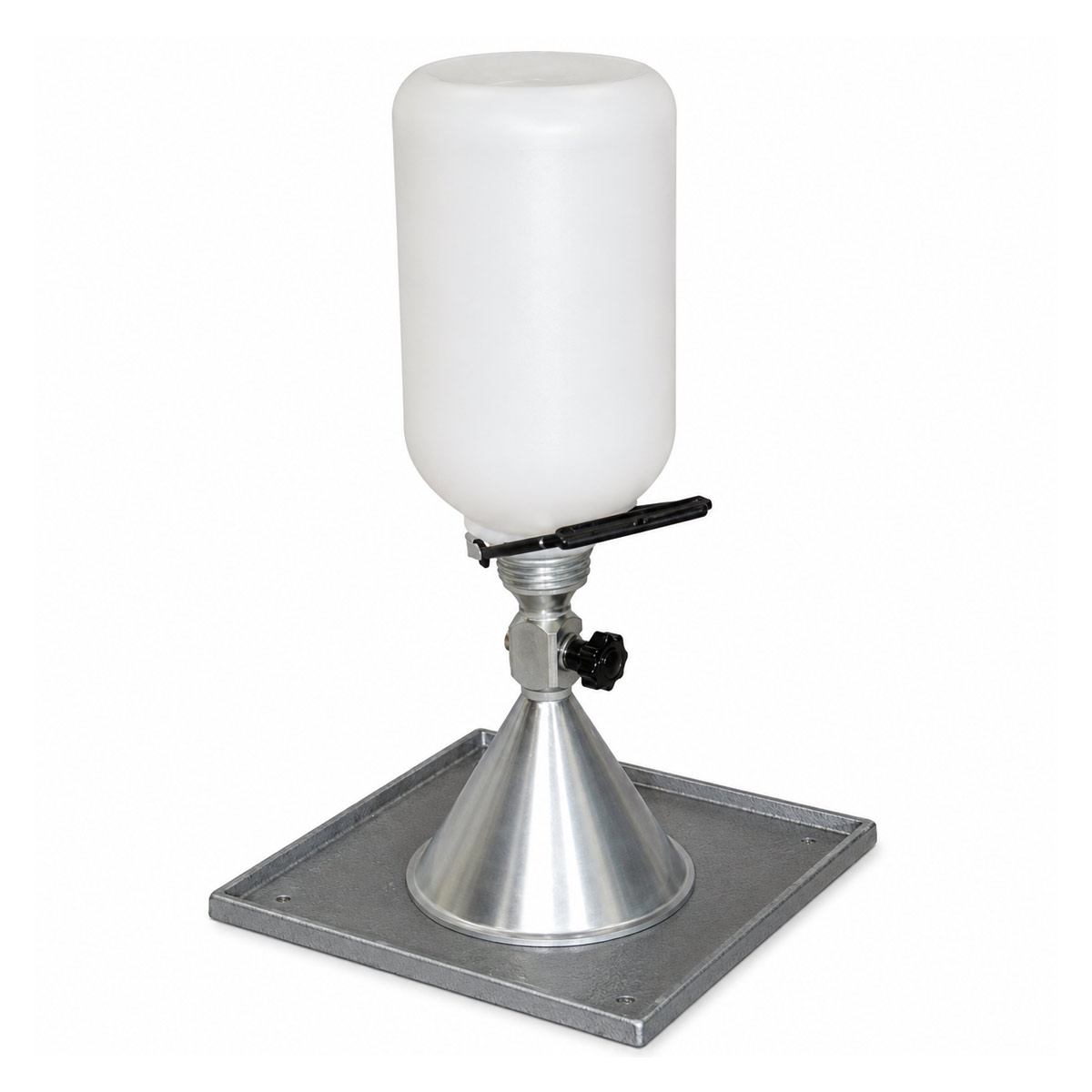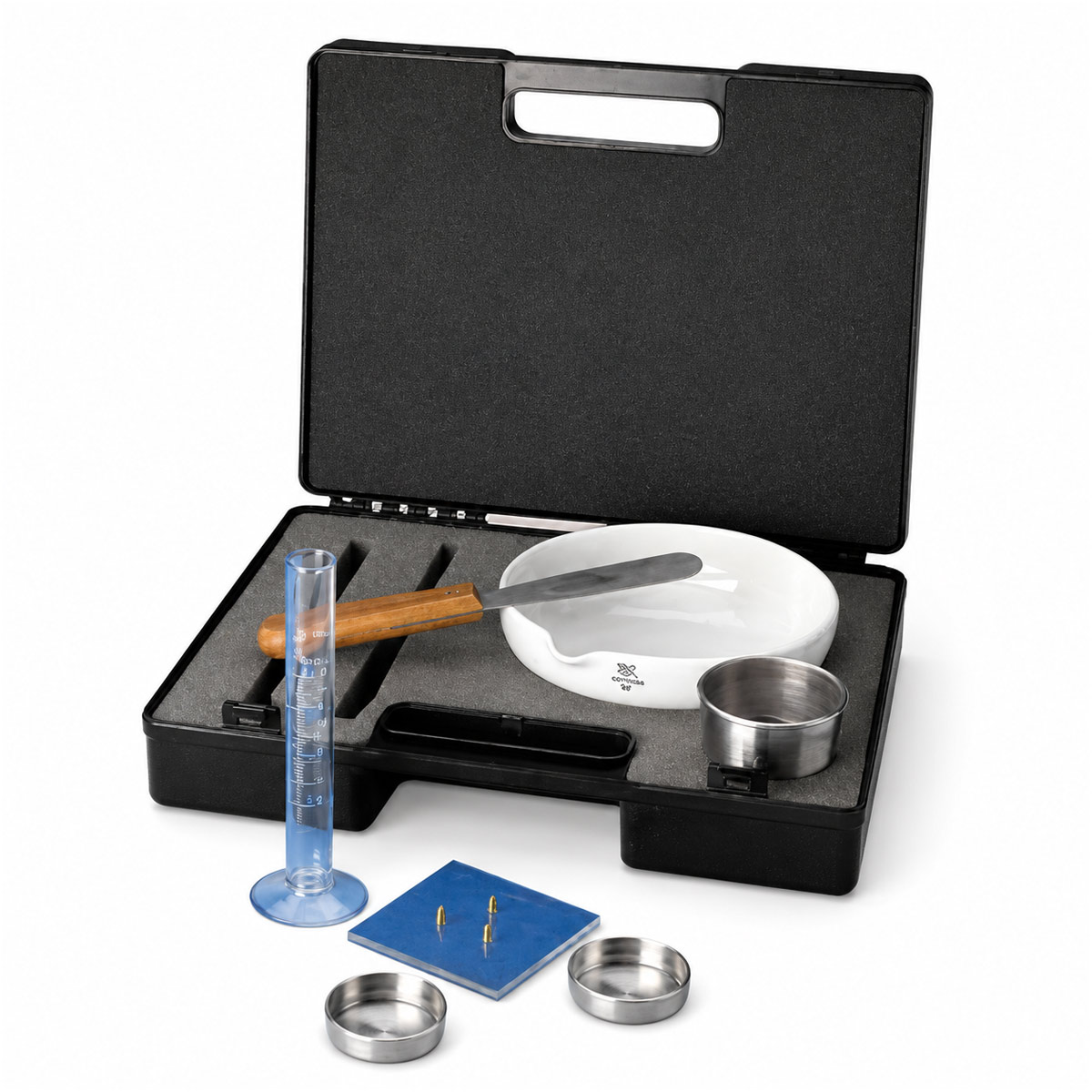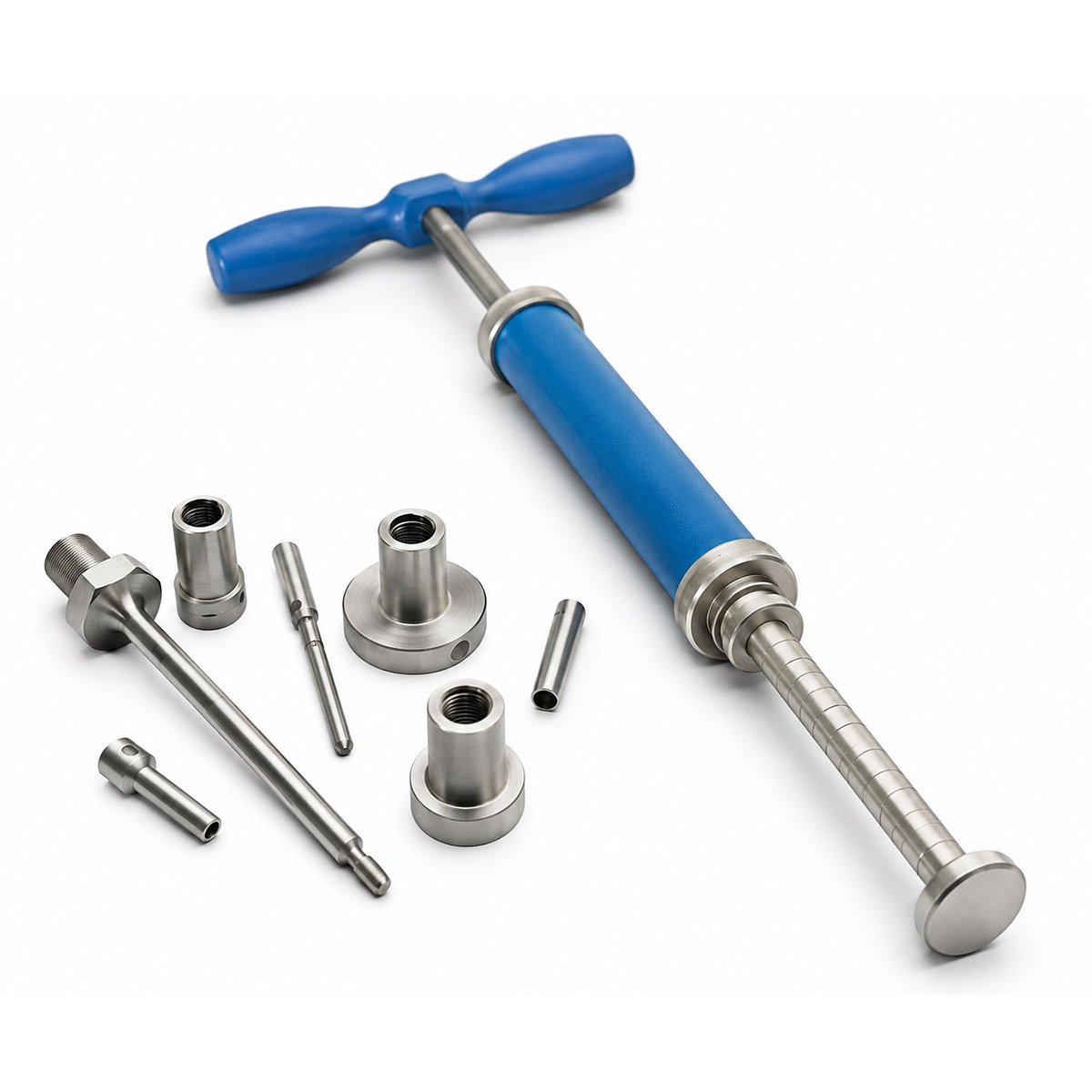

Falling Head Permeameter Set
STANDART: CEN ISO/TS 17892-11
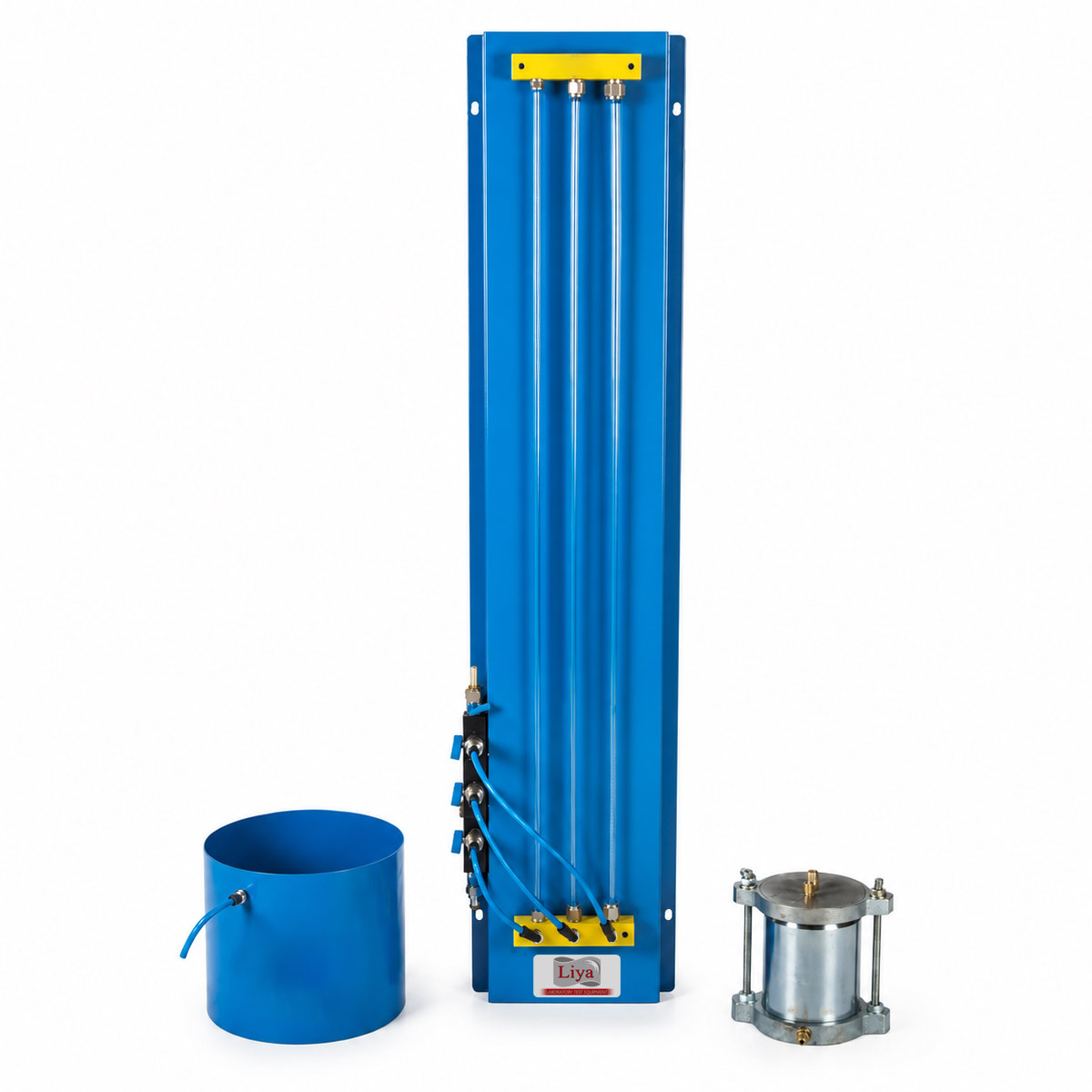
LT-S0140 Falling Head Permeameter Set
LT-S0140/1 Falling Head Permeability Cell | Ø100mm
LT-S0140/2 Manometer Stand | With 4 Manometer Tubes
LT-S0140/3 Soaking Reservoir Tank
LT-G0212 Rubber Hose | 3 Metre
The Falling Head Permeameter Set is designed to determine the coefficient of permeability of low- and medium-permeability soils, particularly fine-grained materials such as clayey and silty soils. During testing, water flows through the saturated soil specimen while the decrease in water level inside the manometer tube is monitored over time.
- Falling head permeability testing: Determines the water-flow behaviour of fine-grained soils.
- Low- and medium-permeability soils: Suitable particularly for clayey and silty specimens.
- Ø100 mm permeability cell: Provides the specimen chamber for laboratory testing.
- Manometer stand: Supports monitoring of the falling water head during the test.
- Four manometer tube sizes: Ø2, Ø4, Ø6 and Ø8 mm tubes are listed in the current product configuration.
- 1.5 m manometer tubes: Provide sufficient measurement length for falling-head observations.
- Soaking reservoir tank: Supports specimen preparation and saturation.
- Connection hose: Includes 3 m rubber hose.
- Current standard: ISO 17892-11:2019.
- Product code: LT-S0140.
| Product Code | Product Name | Dimensions (mm) | Weight (kg) |
| LT-S0140 | Falling Head Permeameter Set | 150 × 150 × 260 | 3 |

What Is a Falling Head Permeameter Set?
The Falling Head Permeameter Set is used to determine the coefficient of permeability of soil under laboratory conditions. The method is particularly suitable for low- and medium-permeability soils, including clayey and silty materials.
Soil permeability describes the ability of water to flow through interconnected voids within a soil mass. This property is important in geotechnical applications involving drainage, foundations, embankments, groundwater movement and earth structures.
The LT-S0140 provides a laboratory configuration for monitoring the change in hydraulic head as water passes through a prepared soil specimen.
How Does the Falling Head Test Work?
The prepared soil specimen is placed inside the permeability cell and saturated according to the applicable test procedure.
The cell is connected to a vertical manometer tube containing water. At the beginning of the test, the initial water level is recorded. As water flows through the specimen, the level inside the manometer gradually decreases.
The laboratory records the change in water head together with the elapsed time. These measurements are then used to calculate the coefficient of permeability of the soil.
The falling-head method is particularly useful when water passes through the specimen too slowly for a conventional constant-head test to provide practical measurements.
Ø100 mm Permeability Cell
The LT-S0140/1 Falling Head Permeability Cell has a nominal diameter of Ø100 mm.
The soil specimen is contained within this cell during the permeability test. The cell is connected to the manometer system so that water can pass through the specimen under a changing hydraulic head.
Manometer Stand and Tube Options
The current Liya Test product list specifies a stand equipped with four 1.5 m manometer tubes having nominal diameters of Ø2, Ø4, Ø6 and Ø8 mm.
Different tube diameters provide flexibility when working with soils having different permeability characteristics. The operator monitors the falling water level in the selected tube and records the corresponding time interval.
Soaking Reservoir and Connection Hose
The system also includes a soaking reservoir tank and a 3 m rubber connection hose.
The reservoir assists with specimen preparation and saturation before permeability measurements begin. The hose provides the necessary hydraulic connection between the test components.
Together, these elements create a complete laboratory arrangement for falling-head permeability testing.
ISO 17892-11:2019 Permeability Testing
The existing Liya Test page still lists CEN ISO/TS 17892-11. However, that technical specification has been withdrawn.
The current international standard is ISO 17892-11:2019 — Geotechnical investigation and testing — Laboratory testing of soil — Part 11: Permeability tests. It specifies laboratory methods for determining the water-flow characteristics and coefficient of permeability of soils. ISO reviewed the standard again in 2025 and confirmed that the 2019 edition remains current.
Overall, the LT-S0140 Falling Head Permeameter Set provides a practical laboratory solution for evaluating water flow through low- and medium-permeability soils.