
Horizontal Abrasion Device | Böhme Device
STANDART: EN 1338, 1339, 1340
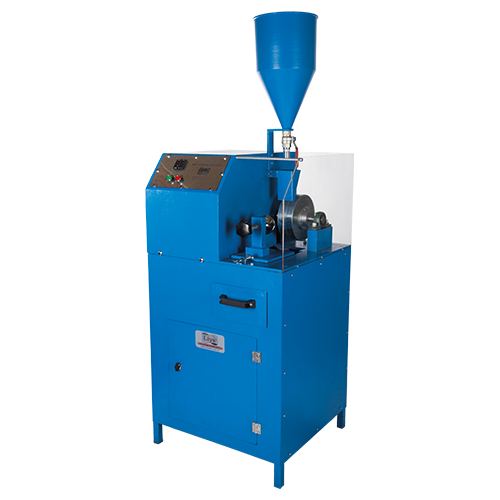
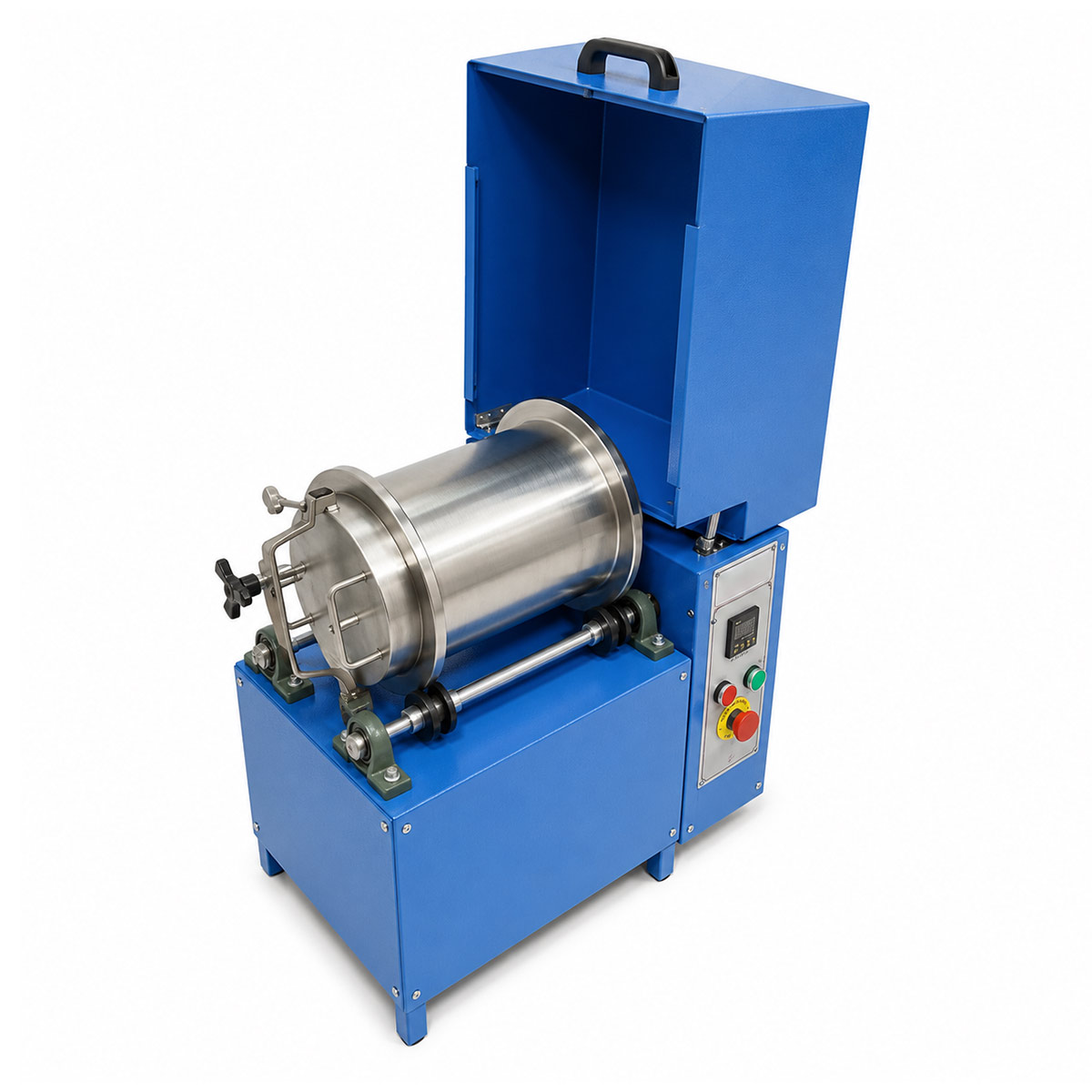
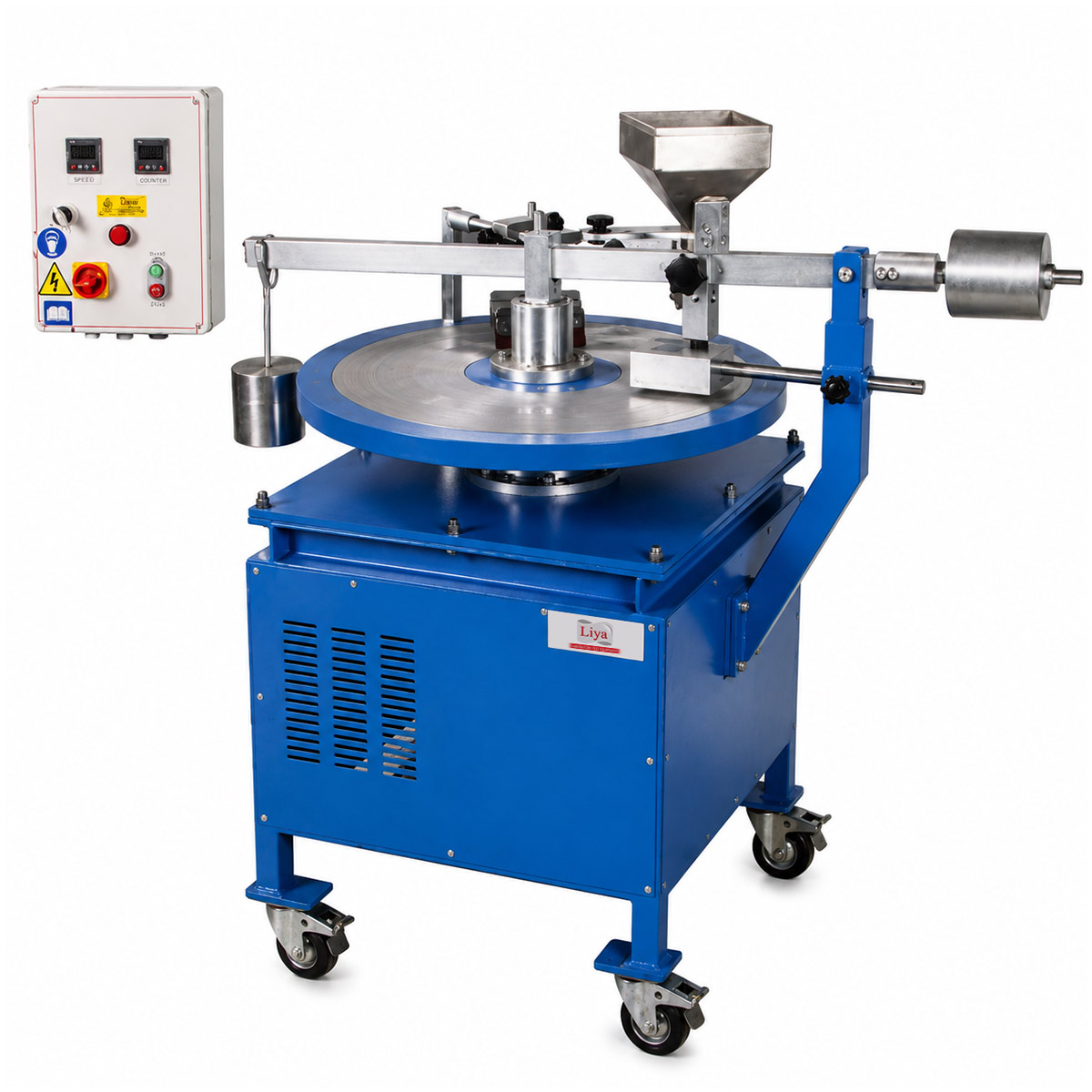
LT-A0068 Böhme Abrasion Tester | Horizontal Abrasion Testing Machine
LT-A0068/1 Abrasive Powder | 50 Kg
Product Short Description
Böhme Abrasion Tester is designed to determine the abrasion resistance of concrete paving blocks, concrete slabs, kerbstones and natural stone specimens. The rotating table moves the specimen over a controlled layer of standard abrasive material. At the end of the test, the laboratory determines the material loss and evaluates its resistance to wear. The Böhme method provides a reliable approach for comparing the abrasion performance of construction materials.
- Rotation speed: 30 ±1 rpm for stable and repeatable test conditions.
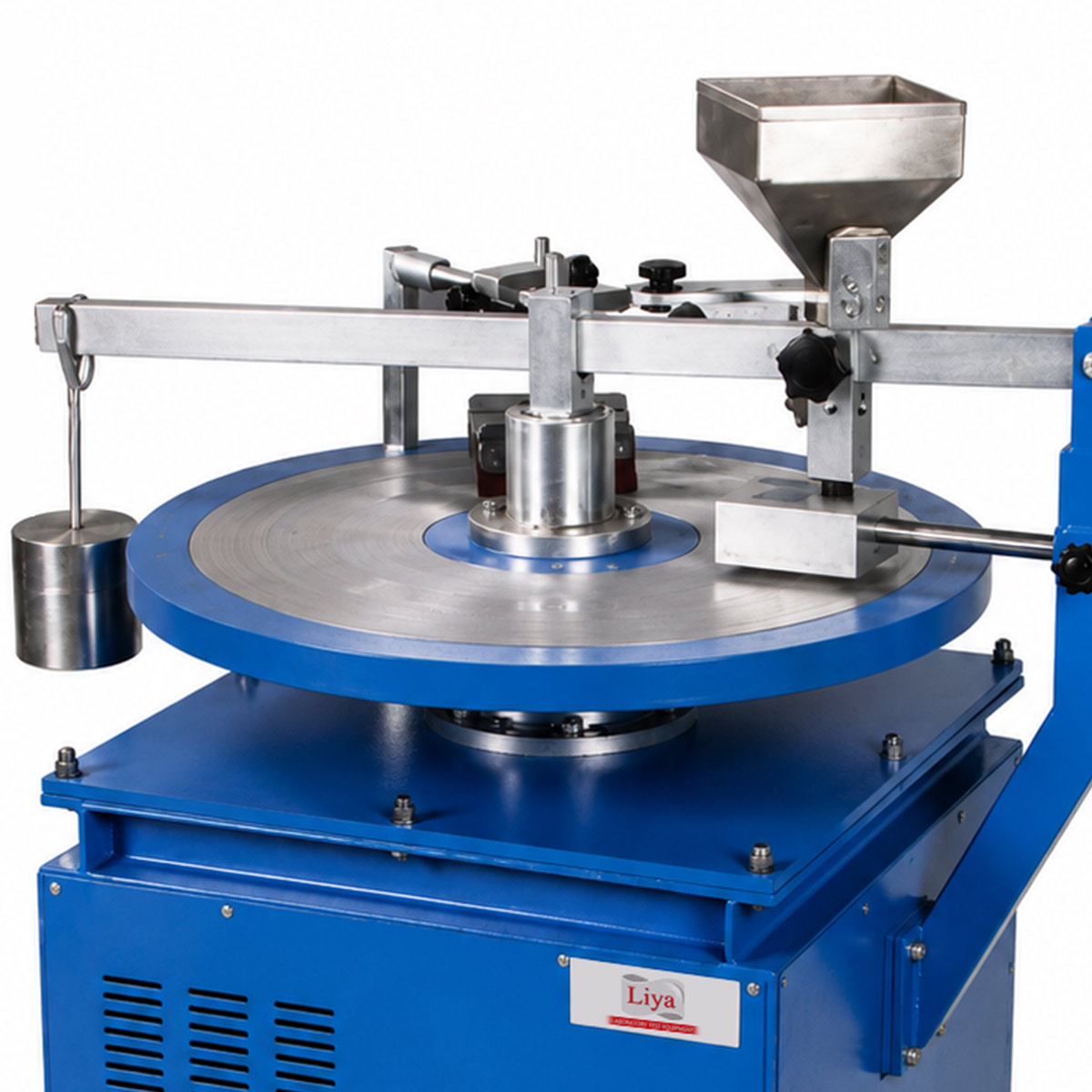
- Abrasion table: Ø750 mm robust rotating test surface.
- Digital revolution counter: Allows the operator to monitor the number of revolutions.
- Automatic stop function: Stops the motor when the preset revolution count is reached.
- Böhme test cycle: Standard procedure consists of 16 cycles with 22 revolutions per cycle.
- Volume loss evaluation: Allows comparison of specimen performance after testing.
- Suitable specimens: Concrete paving blocks, concrete slabs, kerbstones and natural stone.
- Robust construction: Designed for consistent laboratory abrasion testing.
- Optional abrasive powder: LT-A0068/1, 50 kg abrasive powder is available separately.
- Standards: Supports Böhme abrasion testing according to EN 1338, EN 1339 and EN 1340. For natural stone applications, EN 14157 Method B can be followed.
| Product Code | Product Name | Dimensions (cm) | Weight (kg) | Power Supply |
| LT-A0068 | Böhme Abrasion Tester | 150 × 100 × 85 | 275 | 220 V, 50–60 Hz, 1 ph |
| LT-A0068/1 | Abrasive Powder | — | 50 | — |

LT_BETON_BÖHME_
What Is a Böhme Abrasion Tester?
The Böhme Abrasion Tester determines the resistance of construction materials to surface wear. The system moves the specimen over a rotating table covered with standard abrasive material. In this way, the machine simulates surface loss caused by repeated friction under controlled laboratory conditions.
After the test, the operator calculates the volume loss of the specimen. A lower volume loss indicates higher resistance to abrasion. Therefore, laboratories can use the test results for quality control, material comparison and product development.
Controlled Rotating Table System
The machine features an Ø750 mm abrasion table. The motor rotates the table at 30 ±1 rpm, providing stable operating conditions throughout the test.
A digital counter continuously monitors the number of revolutions. In addition, the automatic stop function switches off the motor when the preset value is reached. Therefore, the operator does not need to count each revolution manually.
This controlled operating principle also improves repeatability between consecutive tests.
How Is the Böhme Abrasion Test Performed?
First, the operator records the initial dimensions and mass of the specimen. Next, standard abrasive powder is distributed evenly over the test track. The specimen is then positioned in the loading system and the test begins.
The standard procedure consists of 16 test cycles. During each cycle, the table completes 22 revolutions. After every cycle, the operator cleans the test surface, rotates the specimen in the specified direction and applies fresh abrasive material.
After completing the test, the laboratory measures the specimen again. The operator then calculates the volume or mass loss. As a result, the test provides a numerical indication of the material’s abrasion performance.
Testing Concrete Products
EN 1338 covers concrete paving blocks and their associated test methods. EN 1339 applies to concrete paving flags, while EN 1340 covers concrete kerb units and related products.
The Böhme abrasion method referenced within these standards helps laboratories evaluate surface wear resistance under controlled conditions. Therefore, manufacturers can compare different materials and production batches using a repeatable test procedure.
Abrasion Testing of Natural Stone
The system can also support abrasion testing of natural stone specimens when laboratories use the appropriate procedure and accessories.
EN 14157:2017 specifies methods for determining the abrasion resistance of natural stone. Method B describes the Böhme abrasion test.
Therefore, laboratories can use the same basic abrasion principle for both concrete products and suitable natural stone specimens.
Reliable Abrasion Performance Evaluation
The machine combines a stable rotation speed, digital revolution monitoring and a robust abrasion table. These features help laboratories maintain consistent testing conditions.
In addition, the automatic stop function simplifies routine operation and reduces manual monitoring. The optional LT-A0068/1 abrasive powder, supplied in 50 kg quantity, supports regular testing requirements.
As a result, the Böhme Abrasion Tester provides laboratories with a practical solution for comparing the abrasion resistance of concrete and natural stone materials under standardized test conditions.