
Concrete Cube Moulds
STANDART: EN 12390-1, ASTM C39, C192
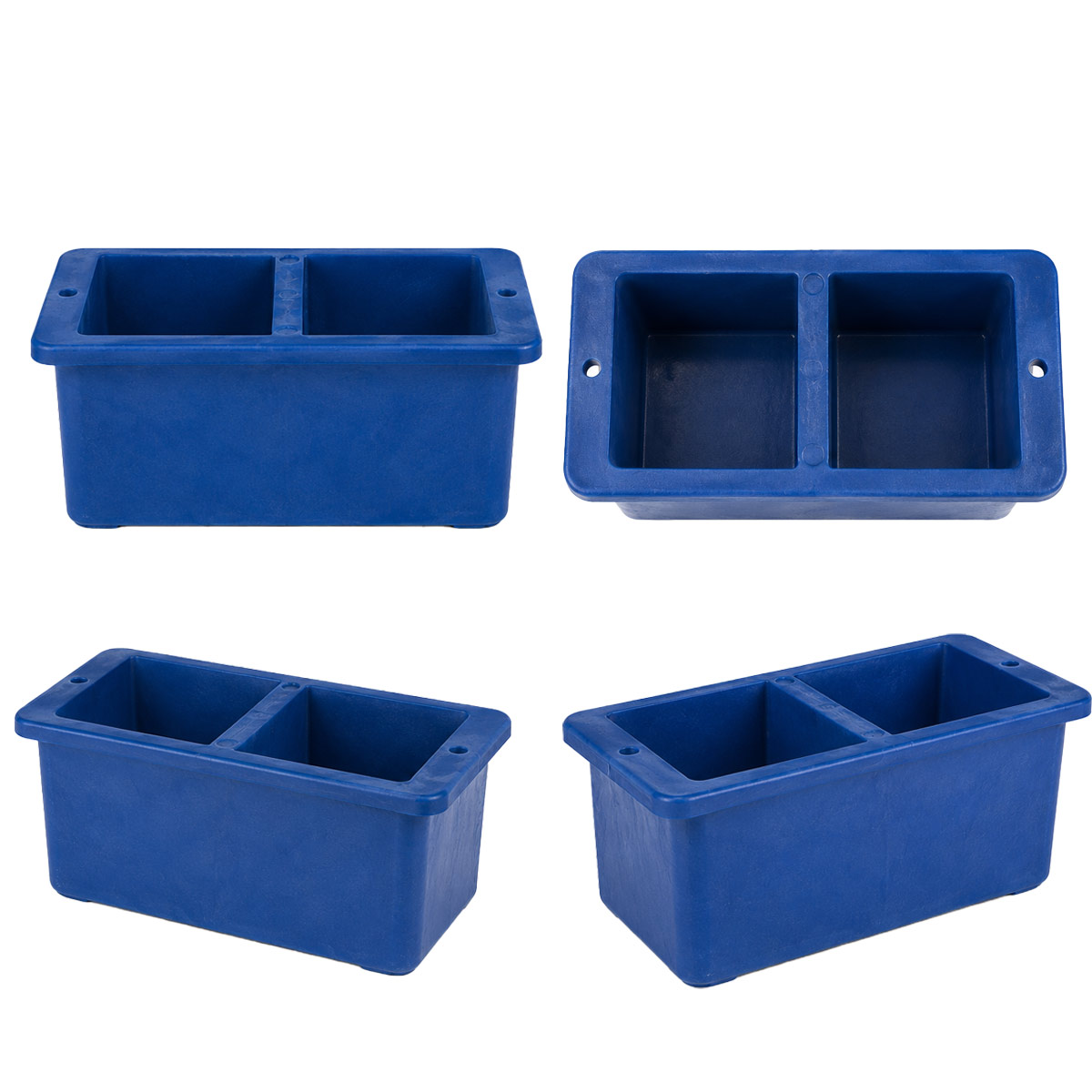
LT-C0001 Plastic Cube Mould | 100mm Two-Cavity
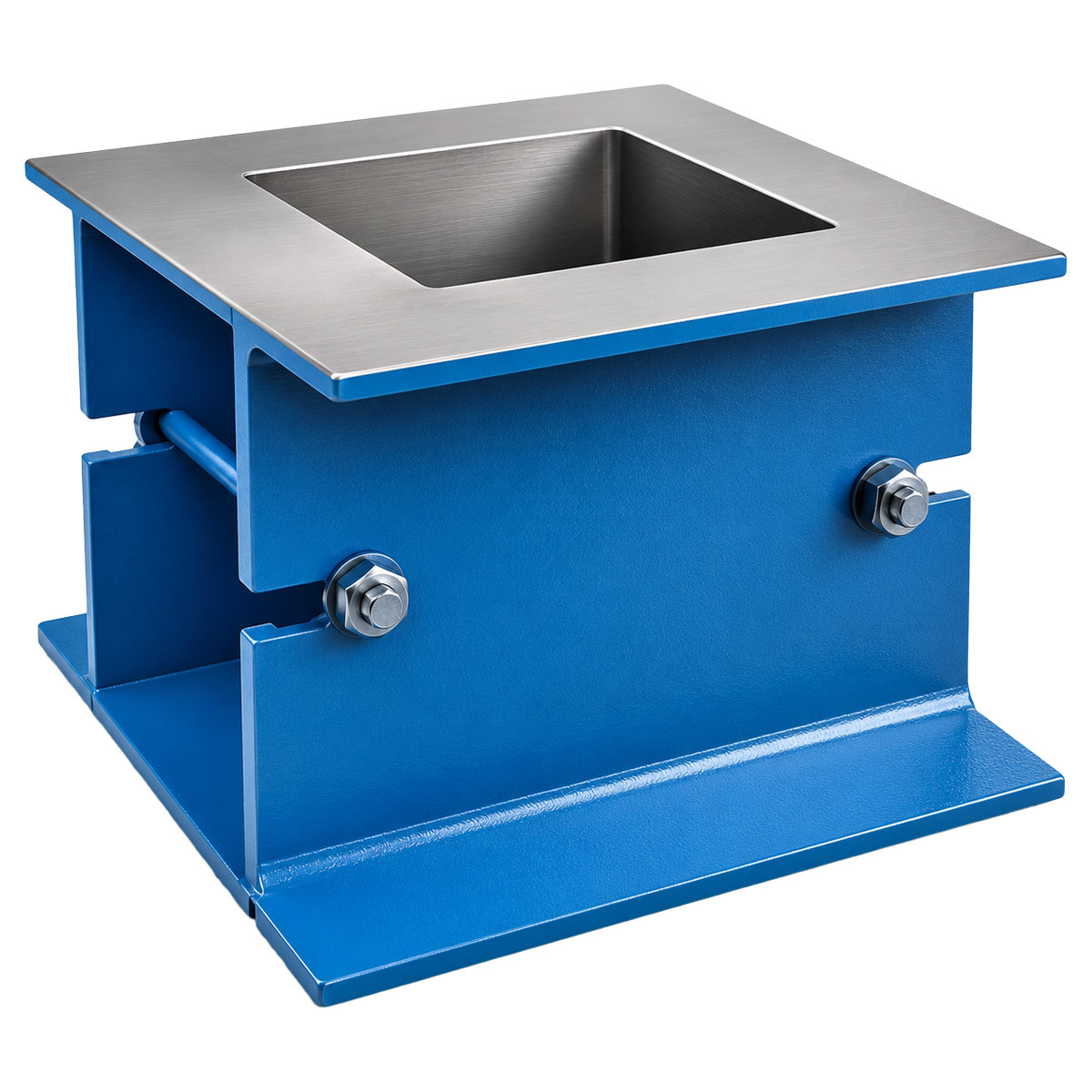
LT-C0002 Steel Cube Mould | 100mm
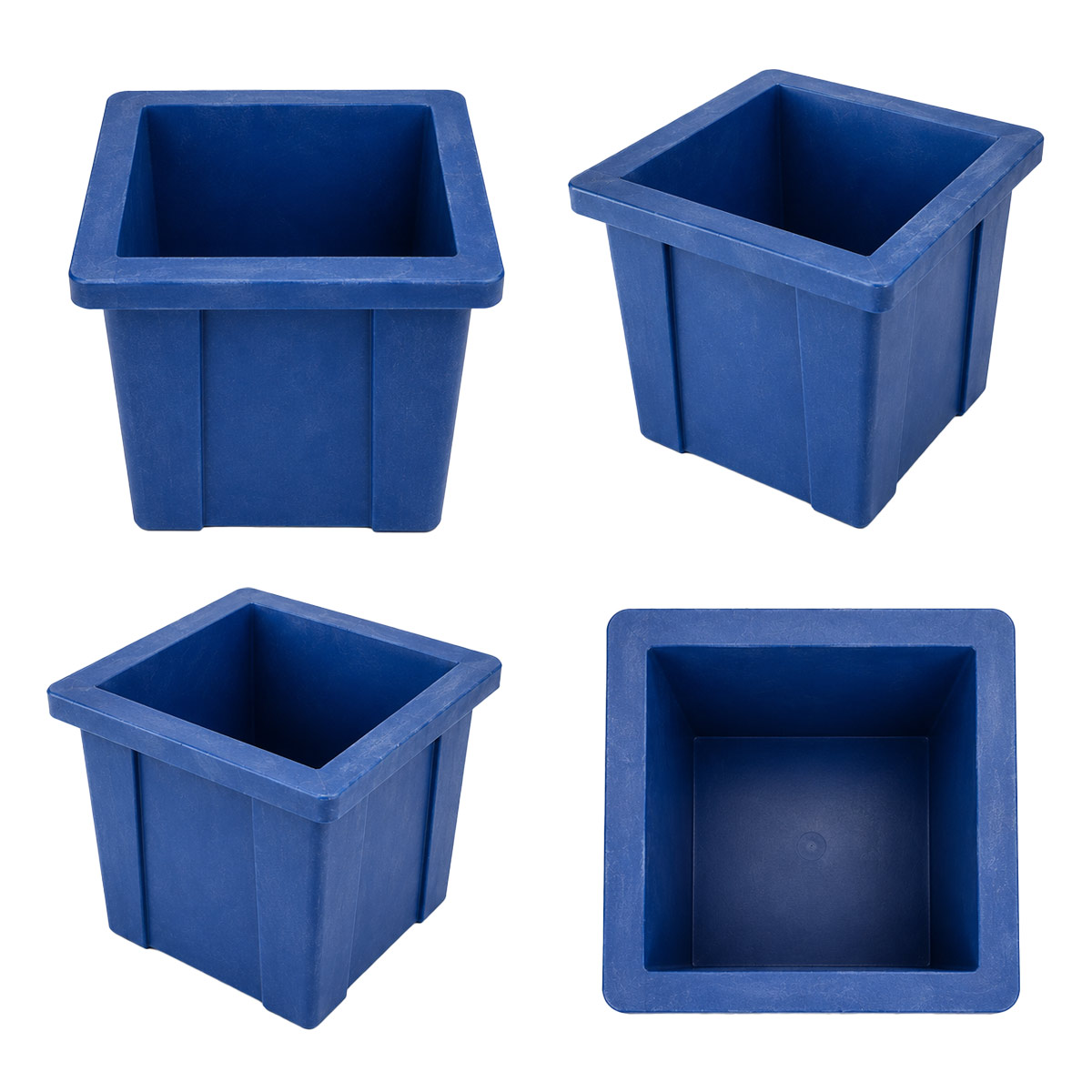
LT-C0003 Plastic Cube Mould | 150mm
LT-C0004 Polyethylene Cube Mould | 150mm
LT-C0005 Steel Cube Mould | 150mm
LT-C0006 Steel Cube Mould | 200mm
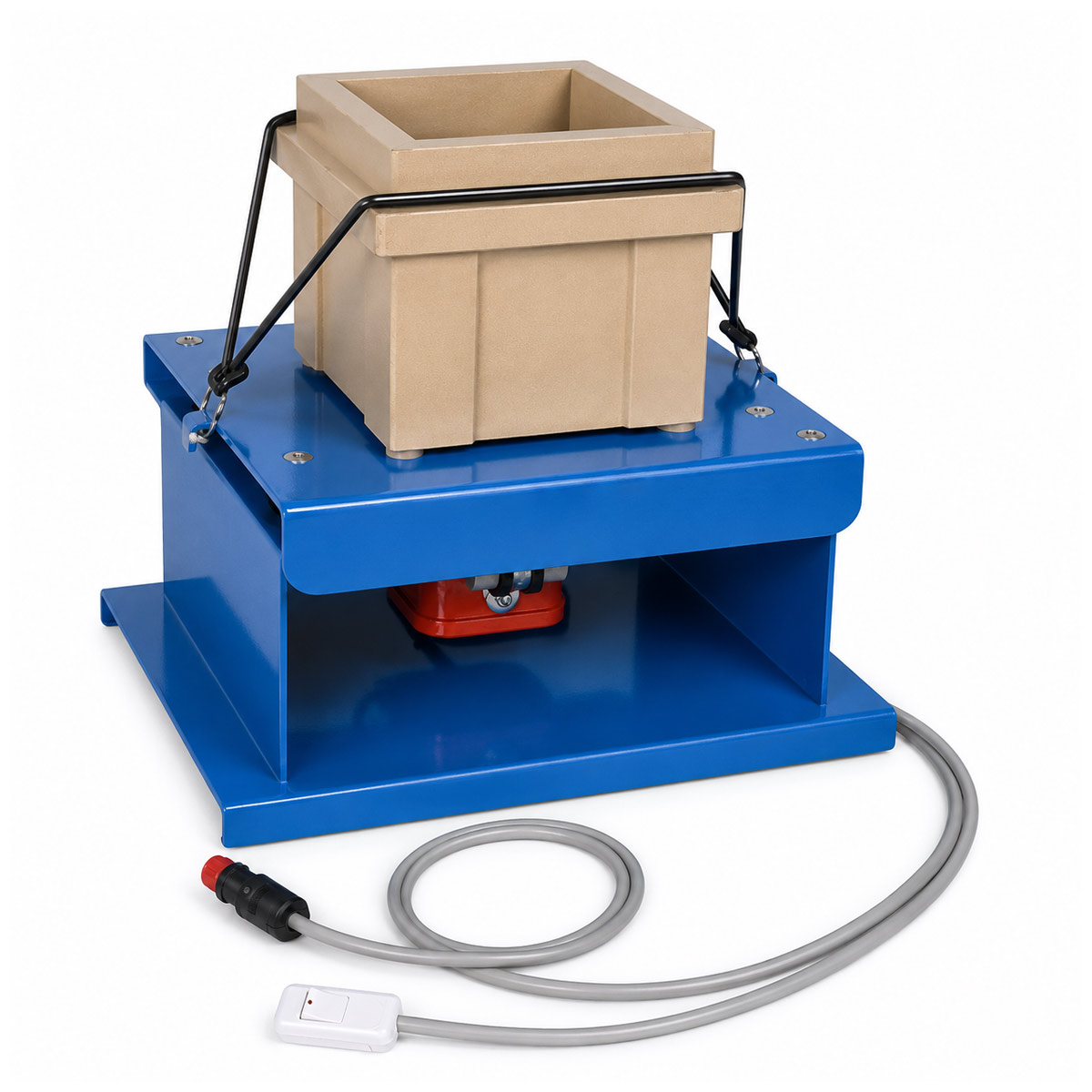
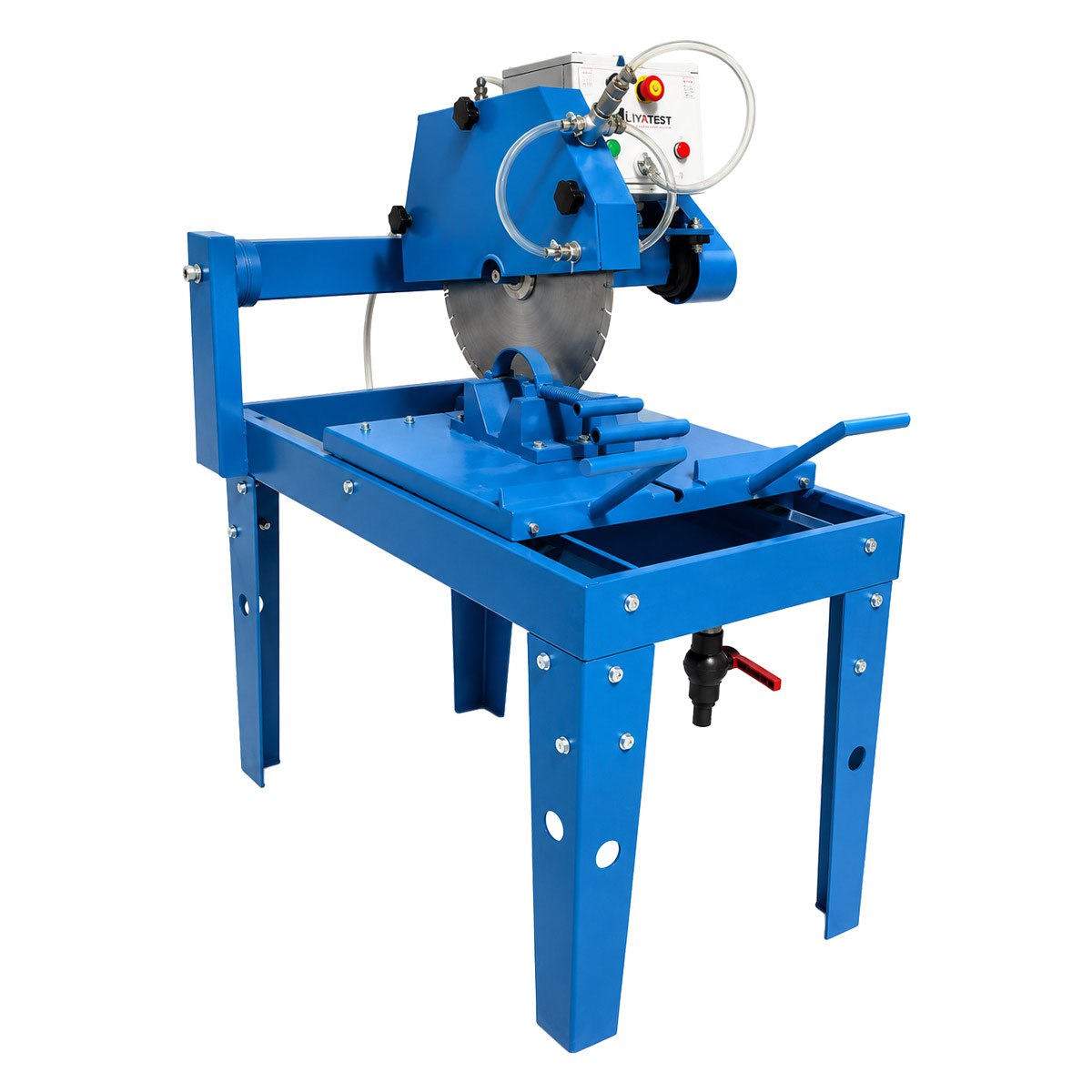
LT-C0007 Cube Mould Table
Concrete Cube Moulds are designed to produce standard-size concrete specimens for compressive strength testing and laboratory quality control. The product range includes plastic, polyethylene and steel moulds in 100, 150 and 200 mm sizes. Rigid mould geometry helps maintain accurate specimen dimensions, straight edges and consistent surfaces during casting. Different material and size options allow laboratories to select the most suitable mould for routine or intensive concrete testing.
- Application: Preparation of concrete cube specimens for laboratory testing
- Available Sizes: 100, 150 and 200 mm
- Material Options: Plastic, polyethylene and steel
- Two-Cavity Model: LT-C0001 prepares two 100 mm cube specimens
- 100 mm Steel Model: LT-C0002 provides a rigid steel construction
- 150 mm Plastic Models: LT-C0003 and LT-C0004 offer lightweight mould options
- 150 mm Steel Model: LT-C0005 supports intensive laboratory use
- 200 mm Steel Model: LT-C0006 prepares larger concrete cube specimens
- Specimen Removal: Plastic moulds support convenient demoulding with air or water through the base opening
- Cube Mould Table: LT-C0007 supports easier handling of heavy moulds
- Standards: EN 12390-1, ASTM C39, ASTM C192
| Product Code | Product Name | Internal Dimensions (cm) | Overall Dimensions (cm) | Weight (kg) |
| LT-C0001 | Plastic Cube Mould, 100 mm, Two-Cavity | 10 × 10 × 10 | 26 × 12 × 12 | 2 |
| LT-C0002 | Steel Cube Mould, 100 mm | 10 × 10 × 10 | 27 × 27 × 12 | 7 |
| LT-C0003 | Plastic Cube Mould, 150 mm | 15 × 15 × 15 | 22 × 22 × 18 | 2.2 |
| LT-C0004 | Polyethylene Cube Mould, 150 mm, High Quality | 15 × 15 × 15 | 22 × 22 × 18 | 2.8 |
| LT-C0005 | Steel Cube Mould, 150 mm | 15 × 15 × 15 | 30 × 21 × 16 | 16.2 |
| LT-C0006 | Steel Cube Mould, 200 mm | 20 × 20 × 20 | 33 × 27 × 22 | 20.2 |
| LT-C0007 | Cube Mould Table | — | 14 × 59 × 90 | 2.5 |

LT_BETON_KÜPKALIPLAR_
What Are Concrete Cube Moulds?
Concrete Cube Moulds are used to prepare standard-size specimens for compressive strength and other hardened-concrete tests. The mould provides fresh concrete with a defined cube geometry during casting and initial curing. As a result, laboratories can compare different concrete mixtures under consistent specimen dimensions.
Specimen dimensions, surface condition and edge geometry can influence subsequent testing. Therefore, the mould must retain its shape during filling and compaction. It should also limit leakage at joints and provide a stable cavity throughout specimen preparation.
LİYA Test offers plastic, polyethylene and steel cube moulds for different laboratory requirements.
Different Sizes and Material Options
The product range includes 100, 150 and 200 mm cube sizes.
The LT-C0001 is a two-cavity plastic mould for preparing two 100 mm specimens at the same time. In addition, the LT-C0002 provides a steel alternative for 100 mm cubes.
For standard 150 mm specimens, laboratories can choose between LT-C0003 plastic, LT-C0004 polyethylene and LT-C0005 steel models.
The larger LT-C0006 produces 200 × 200 × 200 mm concrete cube specimens.
Advantages of Plastic Cube Moulds
Plastic moulds provide a lightweight and convenient option for routine laboratory use. Their one-piece construction reduces assembly work before casting.
After the concrete reaches sufficient initial strength, the operator can use the opening at the base to assist specimen removal with compressed air or water. This approach can simplify demoulding and reduce handling time.
The user should clean the mould thoroughly after each specimen to maintain consistent internal dimensions.
Steel Cube Moulds for Intensive Use
Steel moulds provide a rigid structure for demanding laboratory applications. Their machined internal surfaces help produce specimens with defined edges and consistent geometry.
The removable construction also allows detailed cleaning between tests. However, the operator should inspect all fasteners before filling the mould. Loose components can cause dimensional variation or leakage during specimen preparation.
Regular cleaning and maintenance support long-term mould performance.
How Is a Concrete Cube Specimen Prepared?
First, the operator cleans the mould and applies a suitable release agent where required. Fresh concrete is then placed into the mould in the specified layers.
Each layer is compacted according to the applicable procedure. Depending on the concrete consistency and test method, the laboratory may use a tamping rod or vibration.
After compaction, the operator finishes the top surface level with the mould edge. Once the initial curing period is complete, the specimen is removed and transferred to the required curing environment.
Preparation According to Test Standards
EN 12390-1 specifies the shape, dimensions and dimensional tolerances of concrete specimens used for strength testing. It also defines requirements for moulds used to produce those specimens.
ASTM C192/C192M covers laboratory procedures for making and curing concrete test specimens. ASTM C39/C39M then covers compressive strength testing of cylindrical concrete specimens and forms part of the wider concrete strength-testing workflow.
Reliable Concrete Specimen Preparation
The Concrete Cube Moulds product range combines multiple dimensions and material options for different laboratory requirements.
With 100, 150 and 200 mm models, users can choose between lightweight plastic and polyethylene construction or rigid steel moulds. As a result, laboratories can prepare concrete cube specimens with consistent geometry for routine testing, research and quality-control applications.