
Planet Ball Mill | PB-100

STANDART:  –

LT-M0610     Planet Ball Mill | PB-100


    Categories: ,
    PRODUCT DETAILS

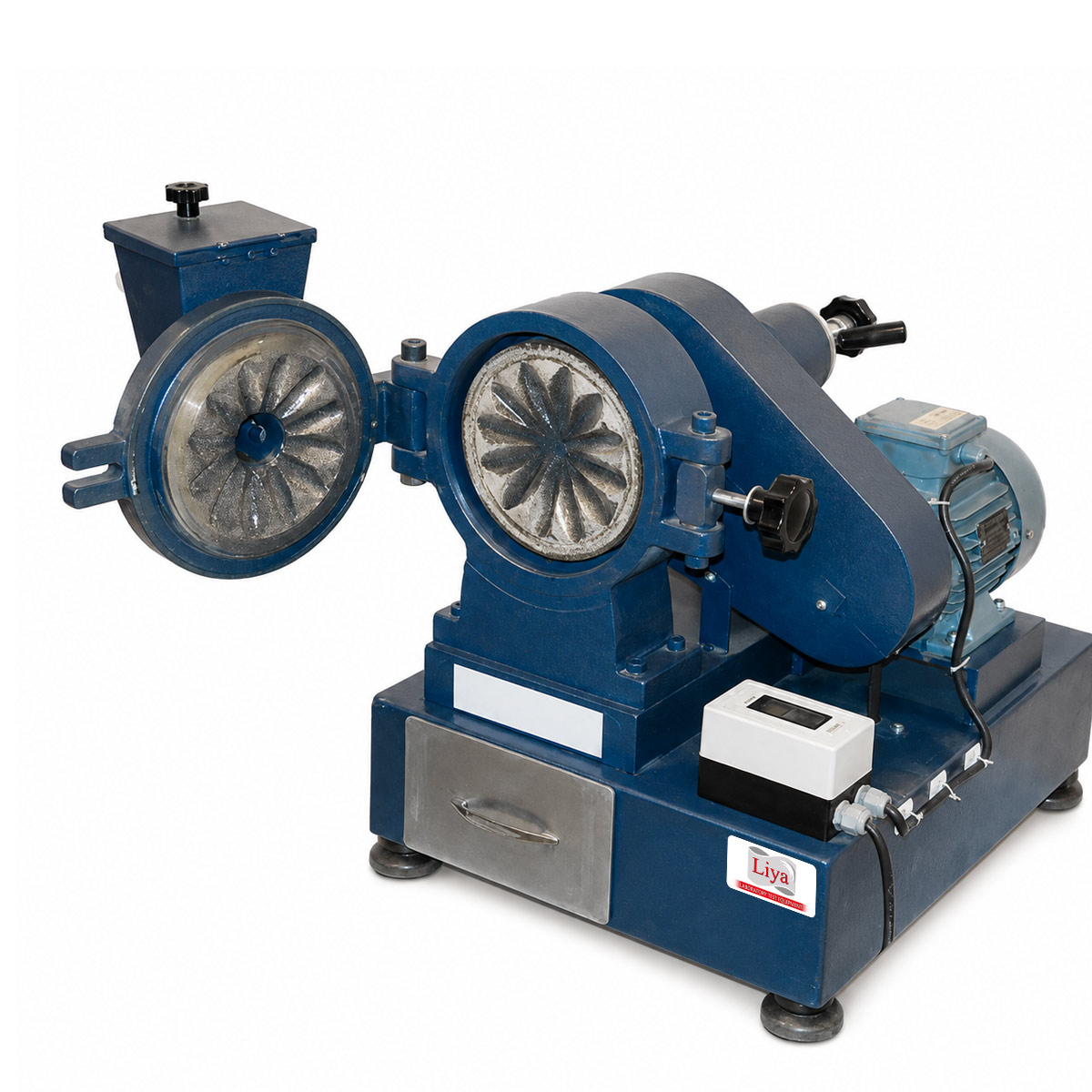
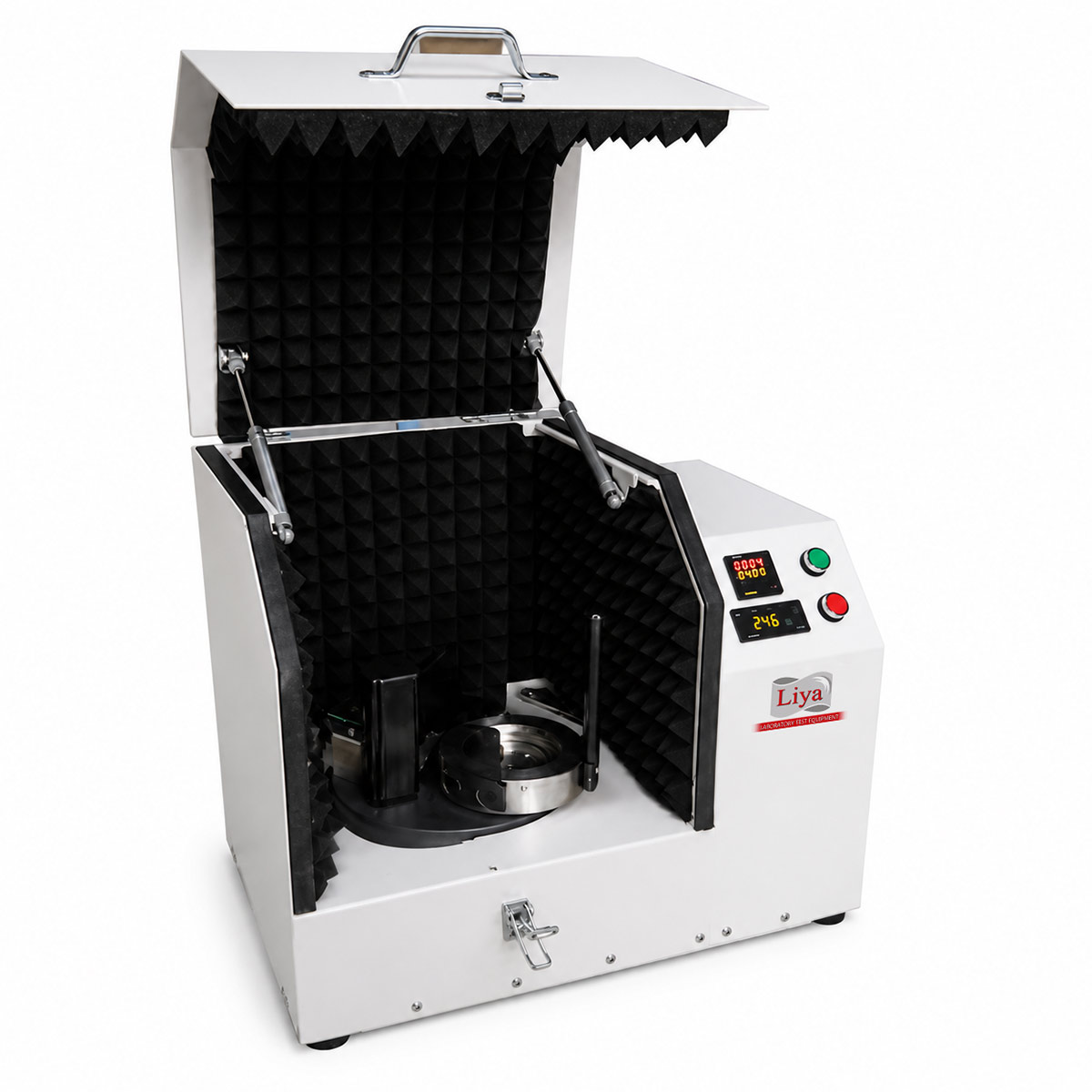
    The PB-100 Planetary Ball Mill is designed for high-energy grinding of laboratory samples to very fine particle sizes. It is particularly suitable for colloidal grinding, homogenisation and mechanical alloying applications. Its single grinding station combines impact and friction forces to provide rapid and efficient sample preparation.

    • High-energy grinding: Generates intensive impact and friction forces for rapid particle size reduction.
    • Single grinding station: Compact laboratory configuration with one grinding jar position.
    • Planetary motion: The grinding jar rotates in the opposite direction to the supporting plate.
    • 1:-2 speed ratio: When the supporting plate completes one rotation, the jar rotates twice in the opposite direction.
    • Impact and friction action: Grinding balls apply repeated mechanical forces to the sample.
    • Coriolis effect: Superimposed rotational movements generate intensive ball motion inside the grinding jar.
    • Colloidal sample preparation: Suitable for demanding fine grinding and homogenisation applications.
    • Mechanical alloying: Supports high-energy material preparation and research processes.
    • Safety switch: Prevents unsafe operation during laboratory use.
    • Heavy-duty construction: The unit weighs approximately 90 kg.
    • Power supply: Operates with 220 V, 50–60 Hz electrical supply. Liya Test lists these operating principles for the LT-M0610.
    TECHNICAL SPECIFICATIONS
    Product Code Product Name External Dimensions (cm) Weight (kg) Power Supply
    LT-M0610 PB-100 Planetary Ball Mill 63 × 46 × 41 90 220 V, 50–60 Hz


    TECHNICAL DOCUMENT

    Description
    What Is a Planetary Ball Mill?

    The PB-100 Planetary Ball Mill is a high-energy laboratory grinding device designed to reduce samples to very fine particle sizes. The system is particularly suitable for colloidal grinding, homogenisation and mechanical alloying applications.

    Unlike conventional rotating ball mills, a planetary mill combines multiple rotational movements. The grinding jar rotates while simultaneously moving around the central axis of the supporting plate. This movement generates high mechanical energy inside the jar and enables rapid grinding.

    The LT-M0610 has a single grinding station and is designed for laboratory-scale sample preparation.

    How Does the Planetary Grinding System Work?

    The grinding jar is positioned eccentrically on the rotating supporting plate. When the plate completes one revolution, the jar rotates approximately two revolutions in the opposite direction.

    This arrangement creates a 1:-2 rotational ratio. The opposing movements accelerate the grinding balls inside the jar and generate superimposed rotational motion.

    As a result, the balls repeatedly collide with the sample and the internal surfaces of the grinding jar. Liya Test describes this process as producing intensive friction and impact forces together with the effects of Coriolis motion.

    High-Energy Fine Grinding

    The high relative speed between the grinding balls and jar creates substantial grinding energy. Impact forces break larger particles, while friction and shearing actions contribute to further size reduction.

    This working principle allows the PB-100 to process samples rapidly compared with conventional low-energy grinding systems.

    However, Liya Test does not publish one fixed final particle size for the LT-M0610. Therefore, the achievable fineness should be evaluated according to the material, grinding time, jar configuration and grinding media used.

    Colloidal Grinding and Mechanical Alloying

    The Planetary Ball Mill is suitable for applications where very intensive mechanical treatment is required. Colloidal sample preparation benefits from the repeated high-energy interaction between the sample and grinding media.

    The same operating principle also makes the device suitable for mechanical alloying studies. Repeated impact, deformation, fracture and mixing can support experimental material-development processes.

    Liya Test specifically identifies colloidal grinding and mechanical alloying among the intended applications of the PB-100.

    Single Grinding Station

    The LT-M0610 contains one grinding station. This configuration provides a compact solution for laboratories working with individual samples or research-scale preparation.

    The operator places the prepared sample and suitable grinding media inside the jar, secures the jar in the working position and closes the protective housing before operation.

    A built-in safety switch supports controlled operation and prevents unsafe access to the moving grinding mechanism.

    Robust Laboratory Construction

    The PB-100 Planetary Ball Mill weighs approximately 90 kg. This substantial construction provides stability during high-energy grinding.

    The current Liya Test English specification lists dimensions of approximately 63 × 46 × 41 cm and a 220 V, 50–60 Hz power supply.

    Overall, the LT-M0610 PB-100 Planetary Ball Mill combines high-energy planetary movement, a single grinding station and intensive impact and friction forces. Therefore, it provides an effective laboratory solution for fine grinding, colloidal sample preparation and mechanical alloying applications.