
Abrasion Tester for Bricks and Glazed Tiles
STANDART: EN 102, EN 12808-2, ISO 10545-6
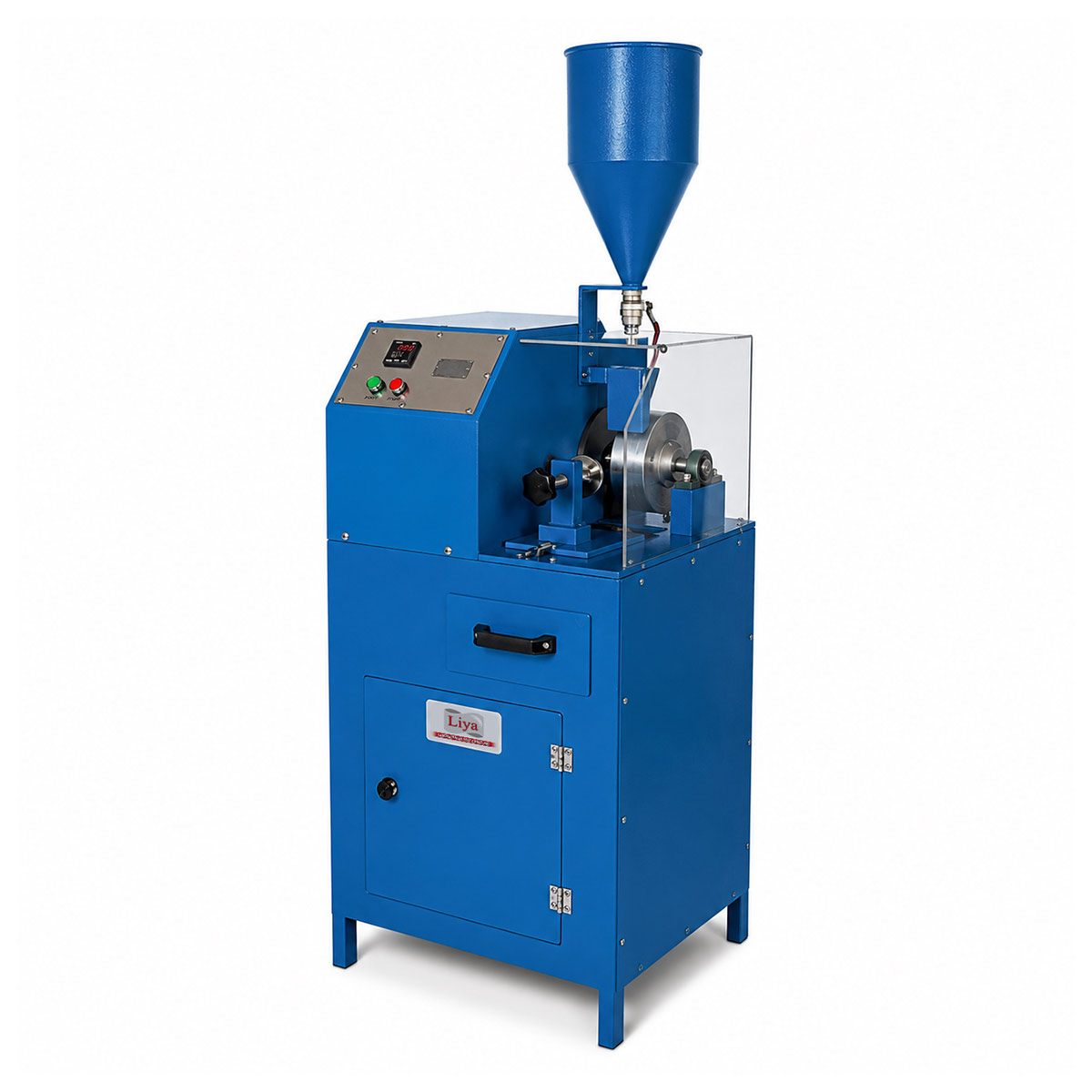
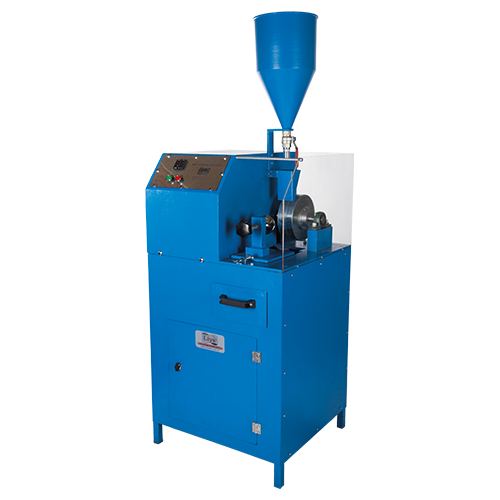
LT-A0069 Abrasion Testing Machine for Bricks and Tiles
LT-A0069/1 Special Mould for Brick and Tile Abrasion Testing | EN 12808-2
LT-A0058/1 Abrasion Powder | 50 Kg
LT-A0058/3 Abrasion Powder | 1 Kg
Deep Abrasion Testing Machine for Bricks and Tiles determines the resistance of bricks, tiles and unglazed ceramic products to deep abrasion. The steel abrasion wheel transfers abrasive material onto the specimen surface and produces a controlled wear groove. A digital revolution counter manages the test cycle and automatically stops the machine when the preset number of revolutions is completed.
- Deep Abrasion Testing: Determines material loss caused by controlled abrasive action.
- Brick and Tile Testing: Suitable for bricks, tiles and unglazed ceramic products.
- Digital Revolution Counter: Allows the operator to preset the required number of revolutions.
- Automatic Stop: Machine stops automatically when the programmed cycle is completed.
- Stable Rotation Speed: Abrasion wheel operates at 75 rpm.
- Abrasion Wheel Thickness: Heavy-duty steel wheel with 70 mm thickness.
- Wheel Hardness: Abrasion wheel hardness is 203–245 HB.
- Secure Specimen Holding: Clamping system keeps the specimen stable during testing.
- Easy Cleaning: Enclosed lower compartment helps collect abrasive powder and test residues.
- Electrical Supply: 380 V
- Standards / References: EN 102, EN 12808-2, ISO 10545-6
| Product Code | Product Name | Dimensions (cm) | Weight (kg) | Power Supply |
| LT-A0069 | Deep Abrasion Testing Machine for Bricks and Tiles | 65 × 70 × 200 | 190 | 380 V |
| LT-A0069/1 | Special Mould for Abrasion Testing | — | — | — |
| LT-A0058/1 | Abrasion Powder | — | 50 | — |
| LT-A0058/3 | Abrasion Powder | — | 1 | — |

LT_DİKEYAŞINDIRMATUGLAFAYANS
What Is a Deep Abrasion Testing Machine?
The Deep Abrasion Testing Machine determines the resistance of bricks, tiles and unglazed ceramic products to controlled abrasive wear. During testing, a steel abrasion wheel works together with abrasive material to produce a defined groove on the specimen surface.
The resulting wear groove allows the laboratory to evaluate the material’s resistance to deep abrasion. This is particularly important for products used in flooring and other surfaces exposed to repeated mechanical wear.
Digital Revolution Control
The machine incorporates a digital revolution counter.
Before starting the test, the operator enters the required number of revolutions. The counter then monitors the abrasion wheel throughout the complete test cycle.
When the preset revolution count is reached, the machine automatically stops.
This feature helps prevent unnecessary over-testing or an incomplete test cycle. It also allows different operators to reproduce similar testing conditions.
Stable Abrasion Wheel System
The steel abrasion wheel operates at a constant speed of 75 rpm.
A stable rotational speed supports consistent abrasive action between different specimens. The abrasion wheel has a thickness of 70 mm and a hardness range of 203–245 HB.
These characteristics provide a durable working surface for repeated laboratory abrasion tests.
The specimen clamping system holds the test piece securely opposite the abrasion wheel. Correct positioning is important because specimen movement during testing could alter the resulting wear groove.
How Is the Deep Abrasion Test Performed?
First, the operator prepares the specimen according to the applicable test procedure.
The test surface is cleaned and the sample is fixed securely in the specimen holder. The required abrasion powder is then introduced into the feeding system.
The operator sets the required number of revolutions on the digital control unit and starts the machine.
During testing, abrasive particles are supplied between the rotating steel wheel and the specimen surface. This creates a controlled wear groove.
Once the programmed cycle is completed, the machine automatically stops.
The specimen is then removed and cleaned. The dimensions of the resulting abrasion groove are measured according to the applicable standard. These measurements are used to evaluate the material’s resistance to deep abrasion.
Secure and Clean Laboratory Operation
A stable clamping mechanism keeps the specimen in the correct position throughout testing.
The lower enclosed section helps collect used abrasive material and test residues. This construction reduces the spread of abrasive powder around the laboratory and simplifies cleaning after each test.
Operators should inspect the abrasion wheel, specimen holder and abrasive feeding system before starting a new test.
Regular cleaning also helps maintain consistent test conditions.
Applications for Bricks, Tiles and Ceramic Products
The machine is suitable for comparing materials exposed to mechanical surface wear.
Typical applications include bricks, paving products, tiles and unglazed ceramic surfaces.
Abrasion resistance can be particularly important for flooring materials subjected to repeated pedestrian or mechanical traffic.
However, abrasion resistance should be evaluated together with other relevant material properties when determining suitability for a specific application.
Testing According to International Standards
ISO 10545-6 describes the determination of resistance to deep abrasion for unglazed ceramic tiles.
The machine can also support applicable abrasion testing procedures referenced by EN 12808-2 and other relevant product standards when fitted with the appropriate specimen accessories.
The Deep Abrasion Testing Machine combines controlled wheel speed, digital revolution counting, automatic stopping and secure specimen positioning in one laboratory system.
As a result, laboratories can perform abrasion testing of bricks, tiles and ceramic products under controlled and repeatable conditions.