
Mechanical Strength Test System | Glass Test System
STANDART: EN 1288-3, EN 1863-1, EN 12150-1
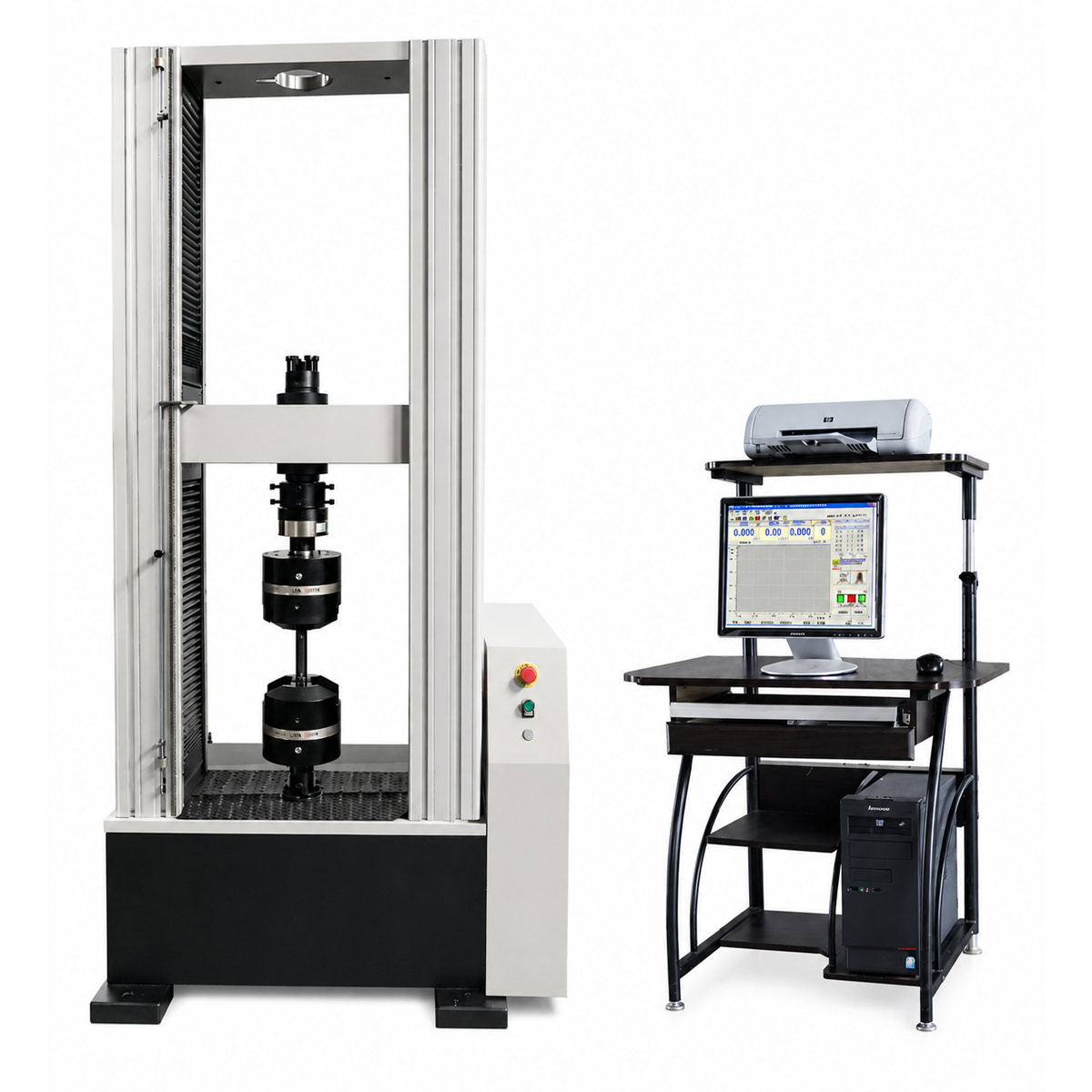
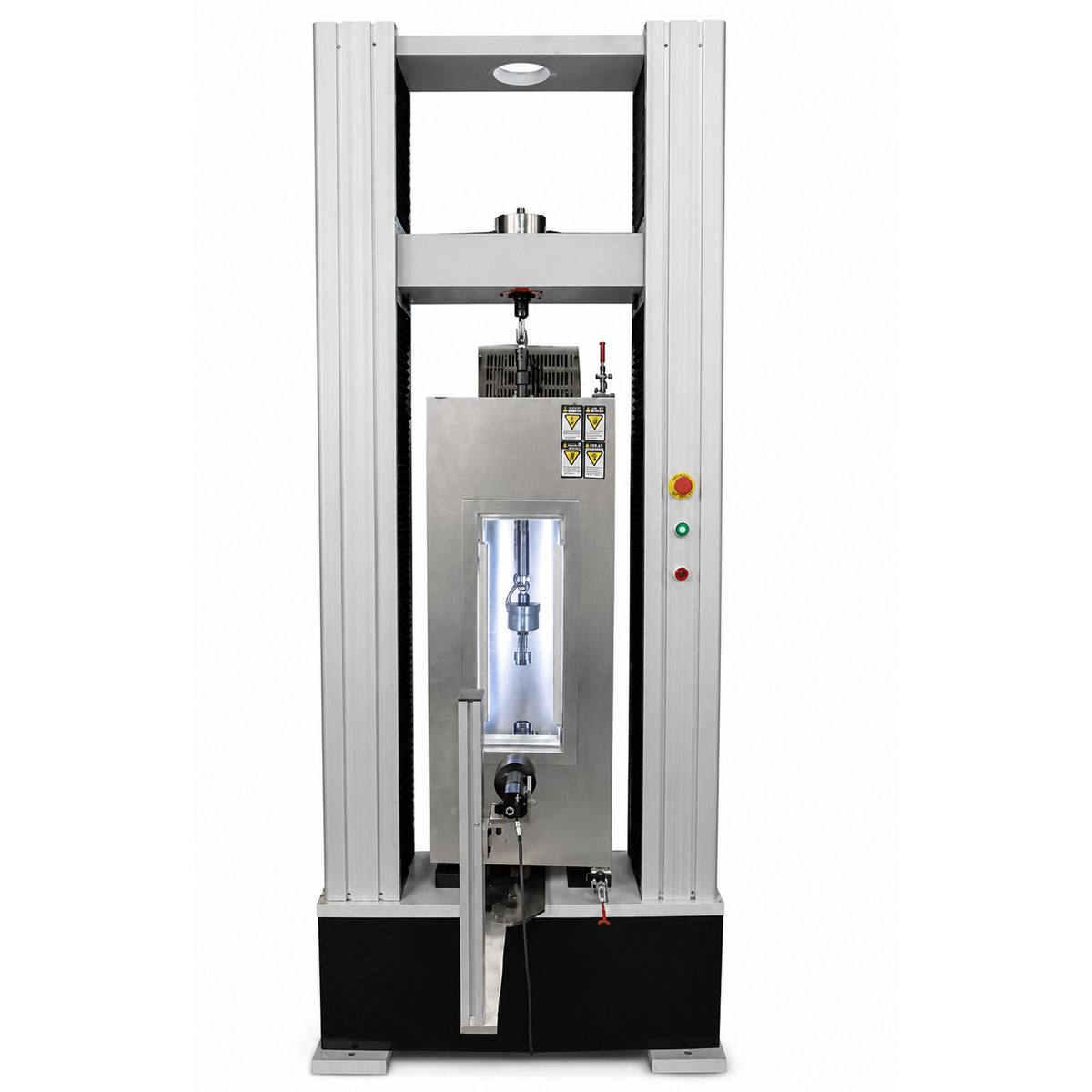
LT-E0200 Glass Mechanical Strength Test System
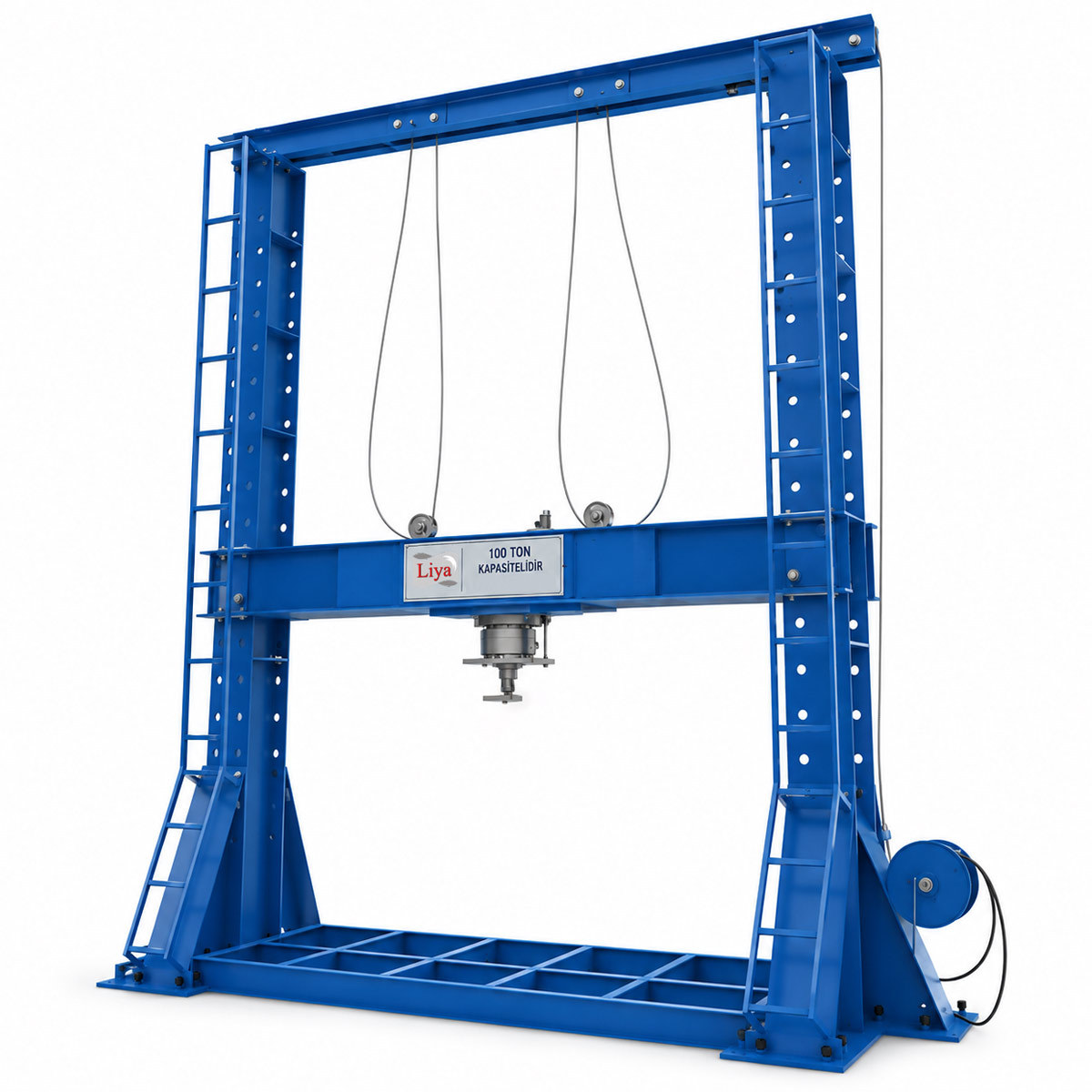
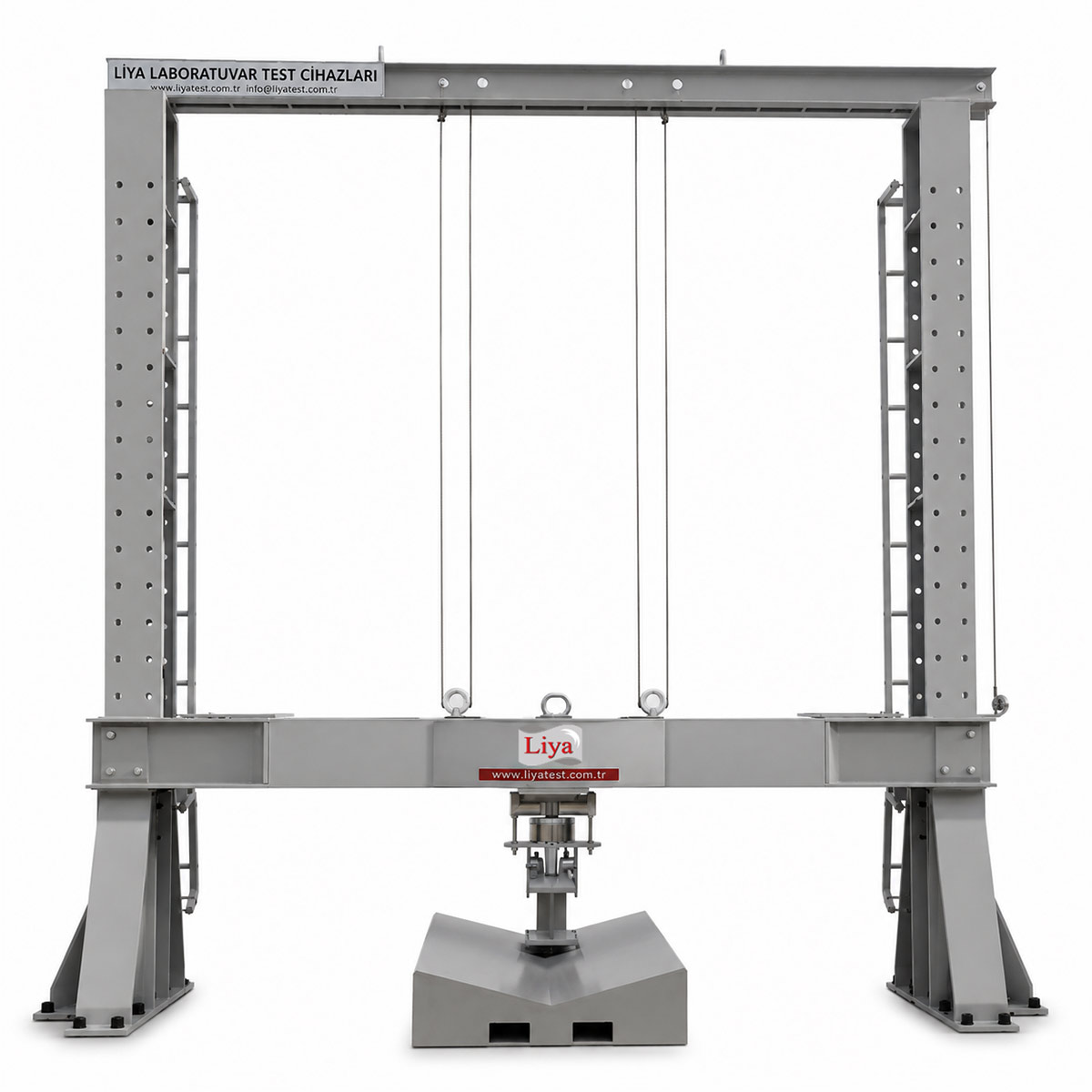
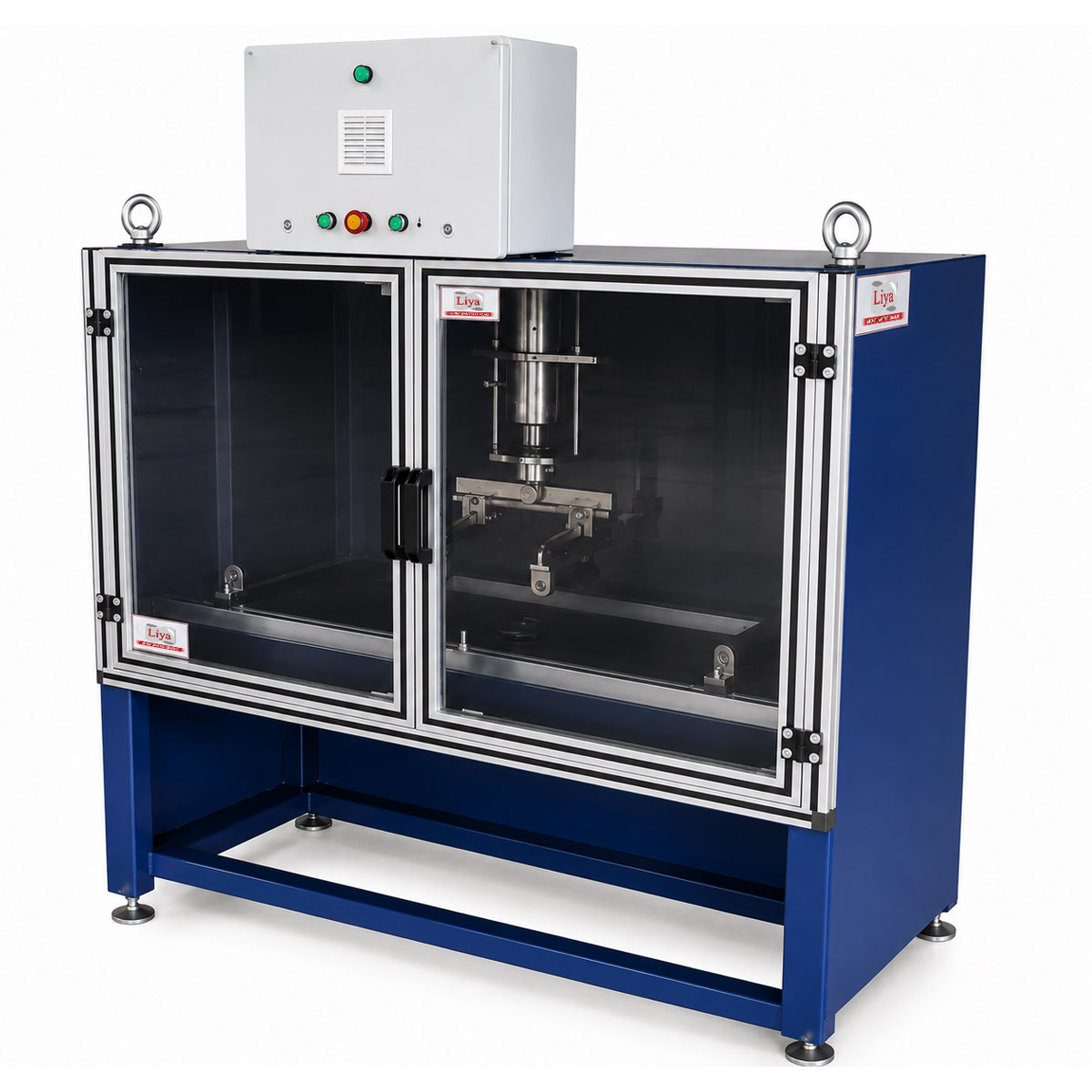
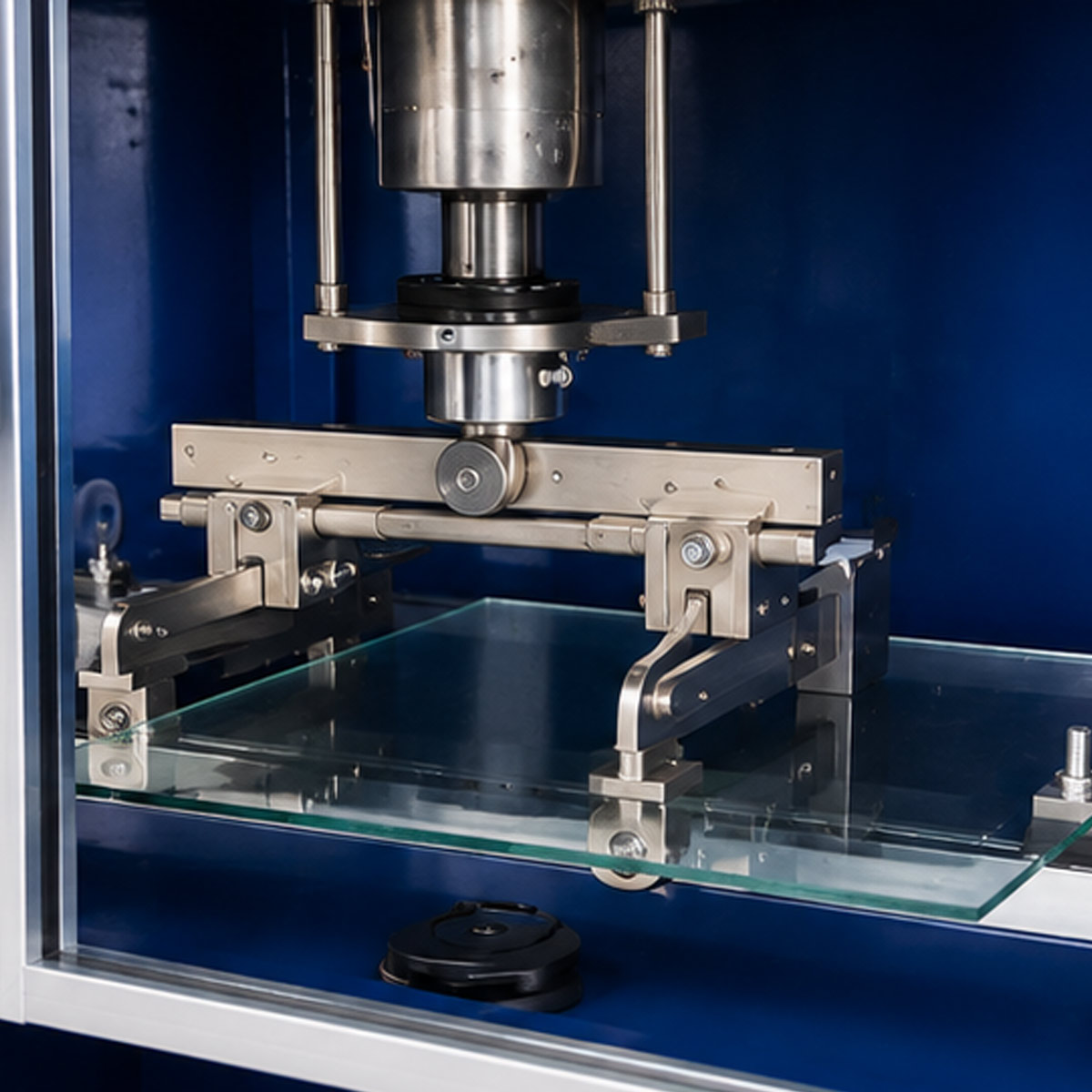
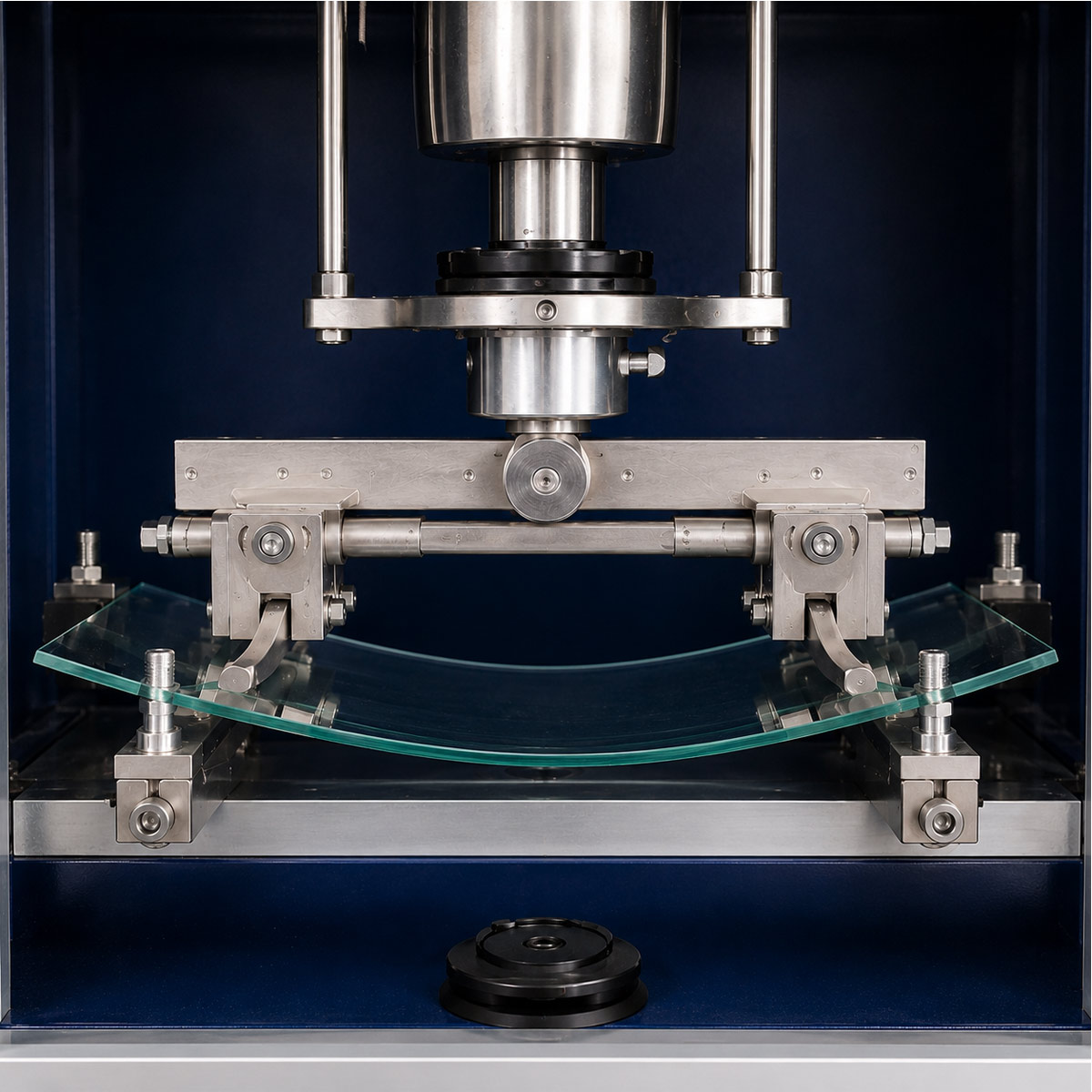
Glass Mechanical Strength Test System is a 20 kN servo electromechanical testing system designed to evaluate the tensile, compression and bending behaviour of glass plates under controlled loading conditions. The AC servo motor provides stable and precise motion, while computer-controlled software records load and displacement data in real time. The system accommodates glass plates with thicknesses from 1 to 30 mm and lengths up to 1500 mm, making it suitable for laboratory, R&D and quality-control applications.
- 20 kN Test Capacity: Provides controlled mechanical loading for various glass specimens.
- Tensile, Compression and Bending Tests: Different fixtures allow multiple mechanical test configurations.
- AC Servo Motor: Provides precise and stable electromechanical movement.
- Wide Speed Range: Adjustable from 0.001 to 50 mm/min.
- Load and Displacement Control: Enables controlled testing according to selected parameters.
- Displacement Resolution: 0.0001 mm.
- Load Resolution: 0.002 kN.
- Minimum Load Control Rate: 0.01 kN/s.
- Large Test Area: Minimum 425 mm height × 1600 mm width.
- Glass Specimen Range: Suitable for 1–30 mm thick glass plates up to 1500 mm long.
- Computer Software: Supports real-time monitoring, data recording and programmable test procedures.
- Cyclic Testing: Software supports user-defined repeated loading applications.
- Oil-Free Operation: Electromechanical drive eliminates the need for hydraulic oil.
- Product Code: LT-E0200.
- Standards: EN 1288-3, EN 1863-1, EN 12150-1.
| Product Code | Product Name | Capacity (kN) | Dimensions (mm) | Weight (kg) | Power Supply |
| LT-E0200 | Glass Mechanical Strength Test System | 20 | 510 × 75 × 1600 | 350 | 220 V, 50–60 Hz, 1 ph |

LT_UNIVERSAL_CAMTESTI_
Glass Test System for Mechanical Strength Testing
The Glass Test System is designed to evaluate the mechanical behaviour of glass plates under controlled tensile, compression and bending loads. The 20 kN servo electromechanical system provides precise movement without requiring hydraulic oil. This structure makes the machine suitable for glass laboratories, production quality control and research applications.
The system can test glass plates between 1 and 30 mm in thickness and up to 1500 mm in length. Its large working area also provides sufficient space for different loading fixtures and specimen geometries.
Precise Servo Electromechanical Control
An AC servo motor and servo drive control the test movement. The operator can adjust the test speed between 0.001 and 50 mm/min.
This wide speed range allows delicate glass specimens to be loaded slowly and precisely. It also provides flexibility for different mechanical test procedures.
The system offers 0.0001 mm displacement resolution and 0.002 kN load resolution. The minimum load control rate is 0.01 kN/s. These characteristics support stable load and displacement control during testing.
Tensile, Compression and Bending Tests
The universal machine frame accepts different testing fixtures. Suitable accessories allow the system to perform tensile, compression and bending tests.
For bending applications, the glass plate is positioned on the appropriate supports. The loading system then applies force at the specified locations under controlled movement.
With the correct four-point bending fixture, the machine can support bending-strength testing according to EN 1288-3.
Computer-Controlled Testing Software
Liya Test glass-testing software allows the machine to be controlled directly from a computer. The operator can define speed, load limits and test termination conditions.
During testing, the software records load and displacement data in real time. It can also perform static tests, repeated cyclic loading procedures and long-duration controlled applications.
This capability improves repeatability because the same programmed procedure can be applied to multiple specimens.
Oil-Free and Low-Maintenance Operation
The electromechanical drive uses a servo motor instead of a hydraulic loading system. Therefore, the machine does not require hydraulic oil.
This configuration provides cleaner laboratory operation and reduces routine hydraulic maintenance. The rigid floor-mounted structure also helps keep large glass plates stable during testing.
Standards for Glass Testing
The system supports glass-testing applications related to EN 1288-3, EN 1863-1 and EN 12150-1. EN 1288-3 is particularly relevant for determining the bending strength of glass using a four-point bending arrangement.
As a result, the Glass Test System combines precise servo control, a large working area and advanced software in a versatile platform for mechanical testing of glass products.