
Melting Pot
STANDART: EN 12390–3, ASTM C31, C192, C617, AASTHO T23, T126
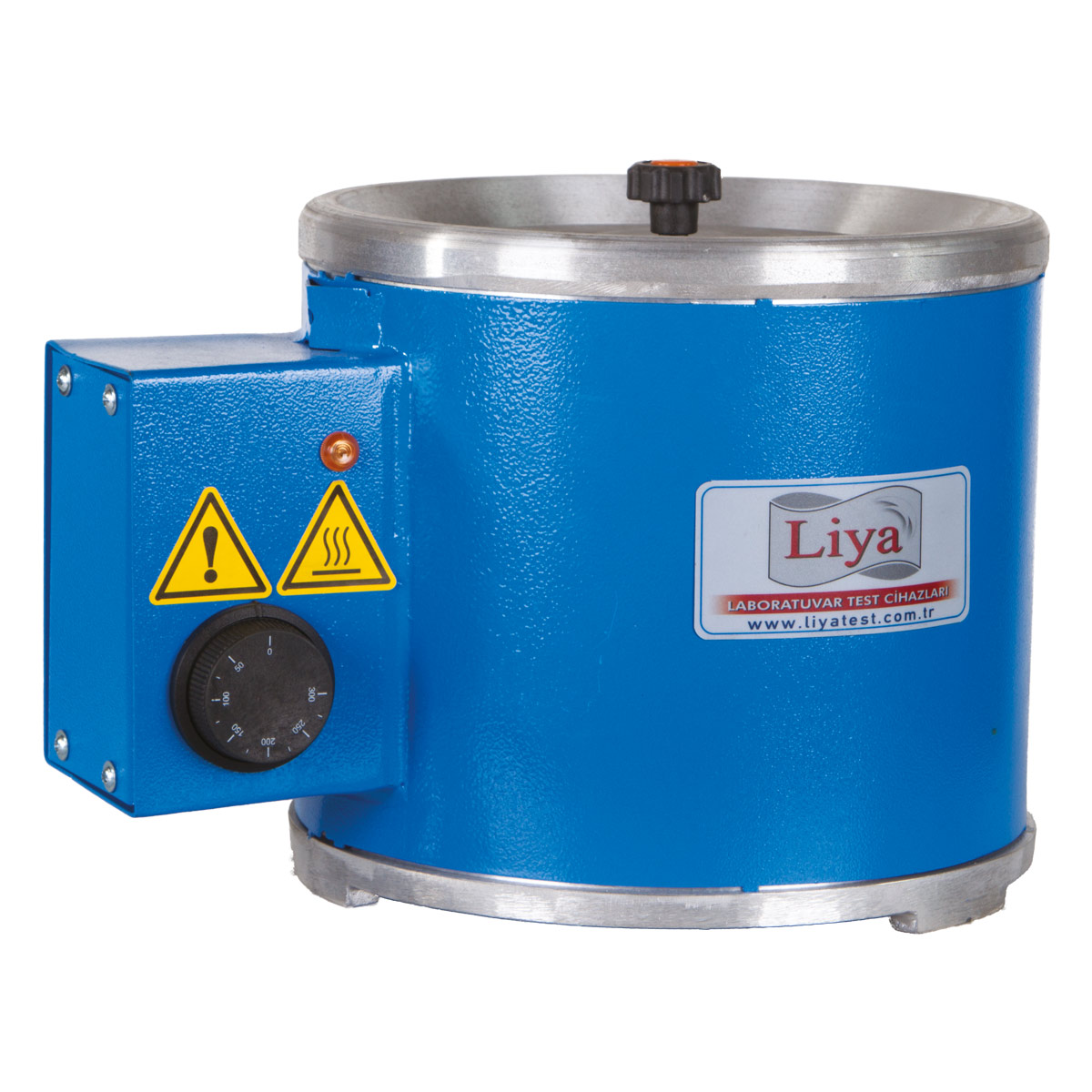
LT-C0030 Melting Pot
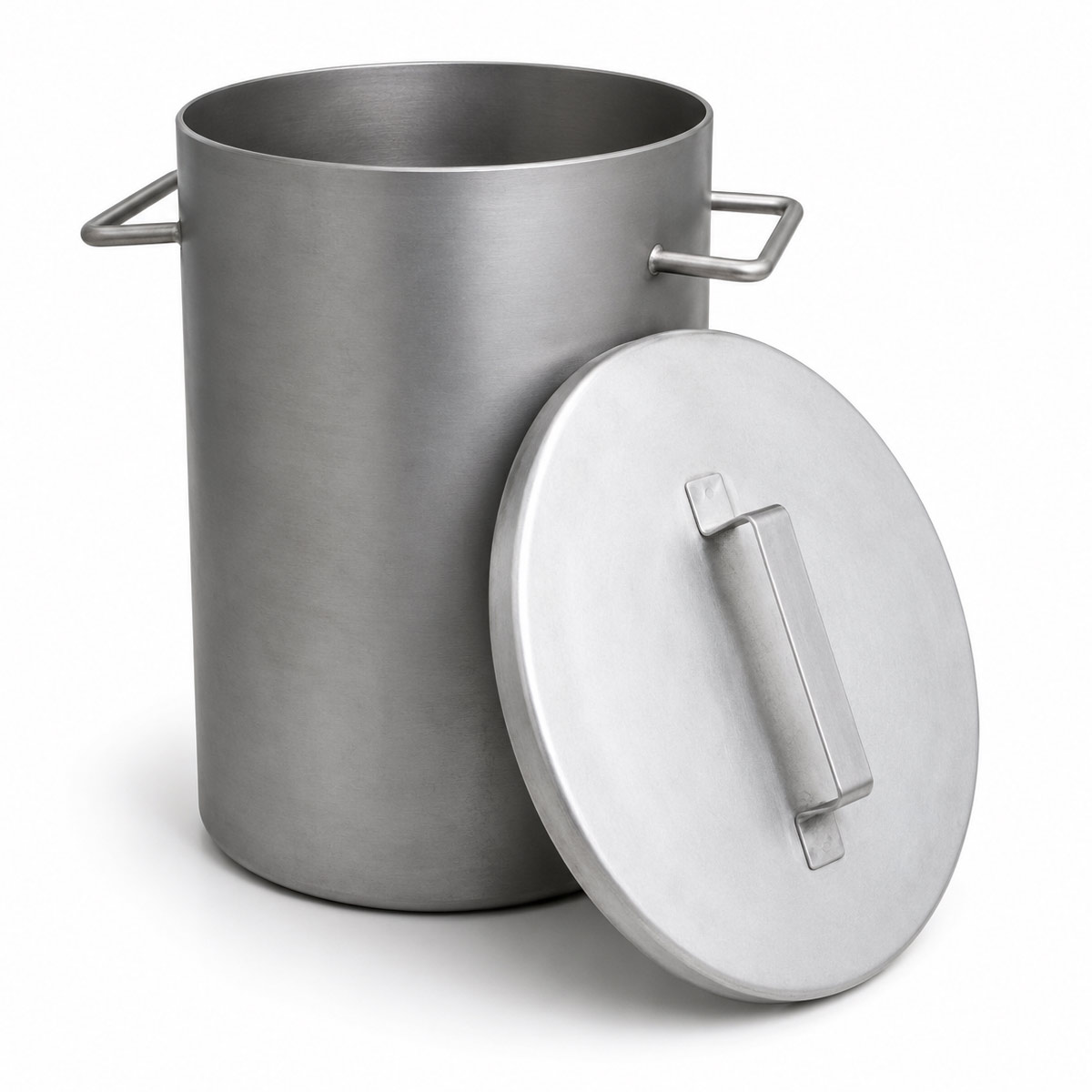
Sulphur Melting Pot melts the sulphur-based capping compound used to prepare concrete cylinder and core specimens before compression testing. The thermostatically controlled heating system keeps the compound at the selected working temperature and provides consistent melting throughout the process. Its 5-liter chamber, covered design and compact construction support safe and practical laboratory specimen preparation.
- Product Code: LT-C0030
- Product Name: Sulphur Melting Pot
- Application: Melting sulphur compound for specimen capping
- Suitable Specimens: Concrete cylinders and drilled cores
- Temperature Range: 40 °C to 350 °C
- Temperature Control: Thermostatically controlled heating system
- Chamber Capacity: 5 L
- Covered Design: Helps reduce heat loss during operation
- Compact Construction: Suitable for laboratory bench use
- Overall Dimensions: 300 × 400 × 300 mm
- Approximate Weight: 9 kg
- Heating Power: 600 W
- Power Supply: 220 V / 50 Hz
- Primary Capping Standard: ASTM C617/C617M
- Related Standards: EN 12390-3, ASTM C31, ASTM C192, AASHTO T23, AASHTO T126
| Product Code | Product Name | Capacity (L) | Dimensions (mm) | Weight (kg) | Power (W) | Power Supply |
| LT-C0030 | Sulphur Melting Pot | 5 | 300 × 400 × 300 | 9 | 600 | 220 V / 50 Hz |

LT_BETON_KÜRKÜRTPOTASI_
What Is a Sulphur Melting Pot?
The Sulphur Melting Pot melts sulphur-based capping compounds used to prepare concrete cylinders and drilled cores before compression testing. The heating system brings the compound to a suitable working consistency under controlled temperature conditions.
Proper specimen-end preparation is important during compression testing. Uneven loading surfaces can concentrate force on limited areas of the specimen. A correctly prepared sulphur cap helps create a flat loading surface and supports more uniform force transfer during the test.
Thermostatically Controlled Heating
The operator can adjust the working temperature between 40 °C and 350 °C. The thermostat controls the heating process and helps maintain the selected temperature during specimen preparation.
This control allows the user to adapt the operating temperature to the capping compound. The operator should always avoid unnecessary overheating and follow the compound manufacturer’s recommended preparation temperature.
Controlled heating also helps maintain a suitable working consistency during repeated capping operations.
5-Liter Melting Chamber
The unit includes a 5-liter chamber, providing sufficient capacity for routine concrete laboratory applications.
Its covered design helps retain heat inside the chamber and limits contamination from the surrounding work area. The compact body also requires relatively little bench space.
The LT-C0030 measures approximately 300 × 400 × 300 mm and weighs about 9 kg. Its 600 W heating system operates from a 220 V / 50 Hz electrical supply.
How Is Sulphur Capping Performed?
First, the operator checks that the chamber is clean and dry. The required amount of sulphur capping compound is then placed inside the pot.
The heater gradually melts the material until it reaches the required consistency. The operator then prepares the capping plate and carefully transfers the molten compound.
The concrete cylinder or core is positioned vertically in the fresh capping material. After the cap cools and develops sufficient strength, the specimen can be removed.
Before testing, the user should check the cap for flatness, alignment and proper contact with the specimen end.
Use According to ASTM C617/C617M
ASTM C617/C617M covers bonded capping procedures for cylindrical concrete specimens and drilled concrete cores. The standard includes sulphur mortar among the accepted capping materials when the specified requirements are met.
EN 12390-3 covers compression testing of hardened concrete specimens and includes requirements related to suitable loading surfaces.
Therefore, the Sulphur Melting Pot supports specimen preparation before compression testing by providing controlled melting of the capping compound.
Reliable Concrete Specimen Capping
The Sulphur Melting Pot combines thermostatic temperature control, a 5-liter chamber and compact laboratory construction.
As a result, laboratories can prepare sulphur capping compounds in a controlled and repeatable manner. The LT-C0030 provides a practical solution for producing flat loading surfaces on concrete cylinders and cores before compression testing.