
Micro-Deval Testing Machine
STANDART: TS EN 1097-1, EN 13450
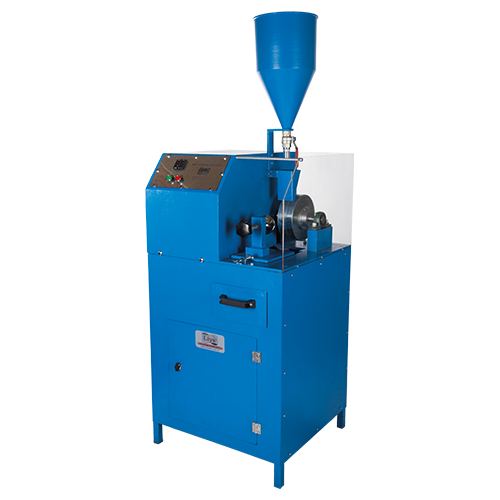
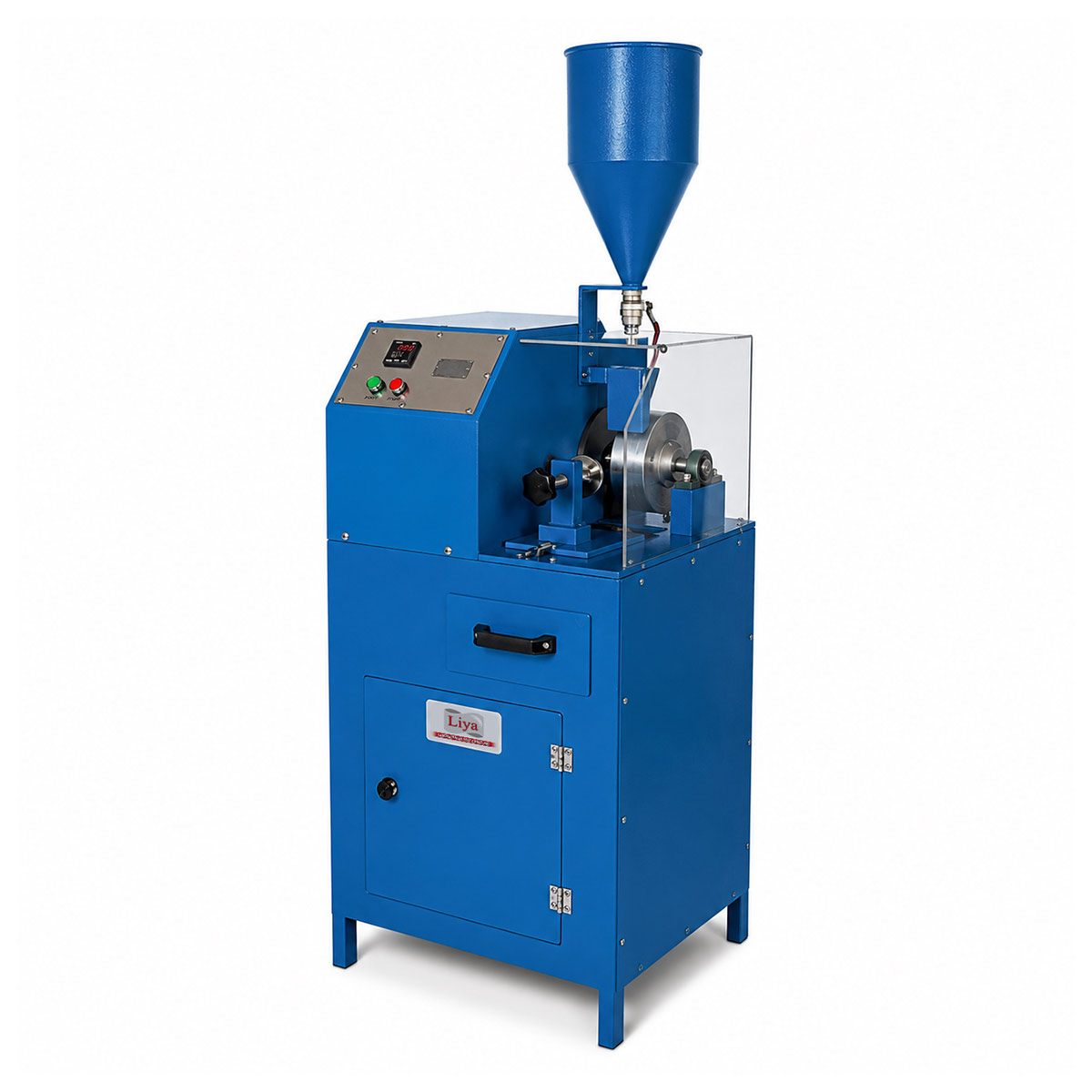
LT-A0067 Micro-Deval Testing Machine
LT-A0067 /1 Stainless Steel Drum
LT-A0067 /2 Micro-Deval Abrasive Ball Set
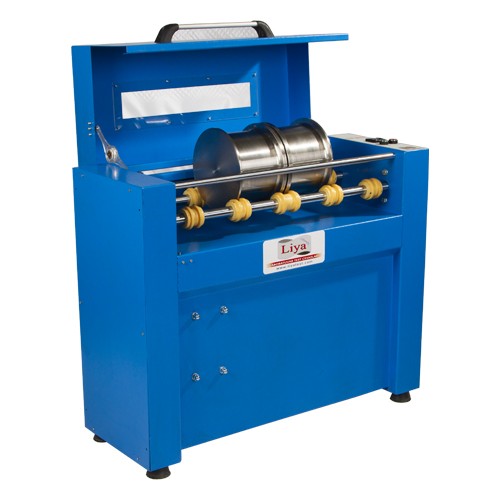
Micro-Deval Testing Machine determines the resistance of aggregates to wear under the combined action of water and steel abrasive balls. Stainless steel drums rotate the aggregate samples at a controlled speed, while the digital counter monitors the preset number of revolutions and automatically stops the machine when the test cycle is completed. The system provides repeatable testing conditions for comparing aggregates used in roads, concrete and railway applications.
- Aggregate Wear Testing: Determines resistance of aggregates to abrasion and wear.
- Wet Testing Method: Aggregate samples rotate together with water and steel abrasive balls.
- Controlled Rotation Speed: Drums operate at 100 ±5 rpm.
- Digital Revolution Counter: Monitors the preset number of drum revolutions.
- Automatic Stop: Machine stops when the programmed revolution count is reached.
- Four-Drum Capacity: Main frame can accommodate up to four stainless steel drums.
- Two Drums as Standard: Machine is supplied with two stainless steel drums as standard.
- Stainless Steel Construction: Drums resist water, abrasion and regular laboratory use.
- Abrasive Ball Set: Ø10 mm steel balls are used for the Micro-Deval abrasion procedure.
- Repeatable Testing: Controlled speed and automatic counting help maintain consistent test conditions.
- Power Supply: 220 V, 50–60 Hz, single phase
- Standards / References: EN 1097-1, EN 13450
| Product Code | Product Name | Dimensions (cm) | Weight (kg) | Power Supply |
| LT-A0067 | Micro-Deval Testing Machine | 64 × 120 × 35 | 150 | 220 V, 50–60 Hz, 1 ph |
| LT-A0067/1 | Stainless Steel Drum | Ø20 × 15.4 | — | — |
| LT-A0067/2 | Micro-Deval Abrasive Ball Set | Ø1 | 25 | — |

LT_MIKRODEVAL_
What Is a Micro-Deval Testing Machine?
The Micro-Deval Testing Machine determines the resistance of aggregates to wear under controlled laboratory conditions. During the test, aggregate samples rotate inside stainless steel drums together with water and steel abrasive balls. This action creates repeated abrasion between the aggregate particles, steel balls and drum surface.
The resulting material loss provides an indication of the aggregate’s resistance to wear. This information is useful when evaluating aggregates intended for road construction, concrete production and railway applications.
A lower Micro-Deval value generally indicates greater resistance to wear. However, laboratories should always evaluate the result together with aggregate grading, sample preparation and other relevant mechanical properties.
Controlled Drum Rotation
The Micro-Deval Testing Machine rotates the drums at 100 ±5 rpm.
Maintaining a stable rotational speed is important because differences in drum speed can influence the amount of abrasion generated during the test.
A digital revolution counter monitors the number of rotations. The operator sets the required number of revolutions before starting the test. Once the programmed value is reached, the machine automatically stops.
This operating principle reduces the need for continuous operator supervision and helps maintain repeatable test conditions.
Four-Drum Capacity
The machine frame can accommodate up to four stainless steel drums simultaneously.
The standard configuration includes two stainless steel drums. Additional drums can be installed when higher laboratory throughput is required.
This expandable configuration is particularly useful for laboratories processing multiple aggregate samples during routine quality-control programmes.
Stainless Steel Drums and Abrasive Balls
The test drums are manufactured from stainless steel to provide resistance against water, aggregate abrasion and repeated laboratory use.
Aggregate samples are placed inside the drums together with the required amount of water and steel abrasive charge.
The Micro-Deval abrasive balls have a nominal diameter of Ø10 mm. Their controlled size and condition are important for maintaining consistent abrasion during repeated tests.
Drums and abrasive balls should be cleaned after testing. Worn or damaged components should also be inspected regularly because changes in the testing equipment can influence results.
How Is the Micro-Deval Test Performed?
First, the operator prepares the aggregate sample according to the grading specified by the applicable test method.
The prepared sample is weighed and placed inside a clean stainless steel drum. The required quantity of water and abrasive balls is then added.
After securely closing the drum, the operator places it on the machine and enters the required revolution count into the digital control system.
The drum then rotates at the specified speed. During rotation, the combined action of water, aggregate particles and steel balls creates controlled wear.
When the preset number of revolutions is completed, the machine automatically stops.
The sample is removed, washed and sieved according to the standard procedure. After drying, the retained material is weighed and the Micro-Deval coefficient is calculated from the resulting mass loss.
Aggregate Wear Resistance
The Micro-Deval test provides useful information about the ability of aggregate particles to resist degradation during service.
Wear resistance is especially important for materials exposed to repeated traffic loads, handling, compaction or particle-to-particle contact.
For this reason, the test can support the evaluation of aggregates intended for pavements, concrete, asphalt and railway ballast applications.
The result should not be used as the only indicator of aggregate quality. Laboratories may combine Micro-Deval results with fragmentation, polishing, particle-density and water-absorption tests for a more complete material assessment.
Testing According to EN 1097-1
EN 1097-1:2023 specifies the reference method for determining the resistance to wear of coarse aggregates using the Micro-Deval apparatus. Its scope includes coarse aggregates and, through Annex A, aggregates used for railway ballast. The reference test is normally performed with water.
The previous 2011 edition has been withdrawn and replaced by the 2023 edition.
As a result, the Micro-Deval Testing Machine combines controlled rotation, automatic revolution counting, stainless steel drums and expandable test capacity to provide a reliable solution for aggregate wear resistance testing.