
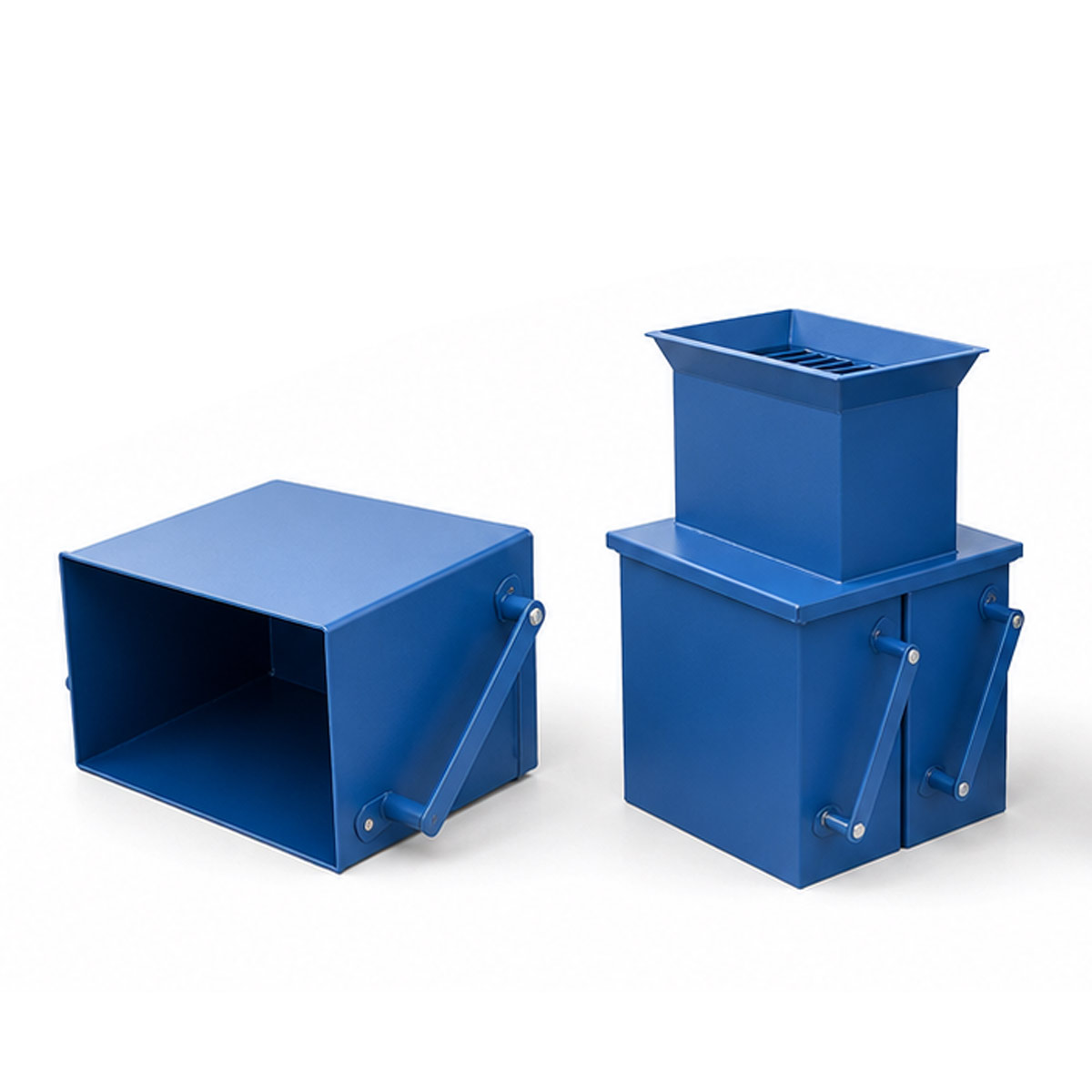
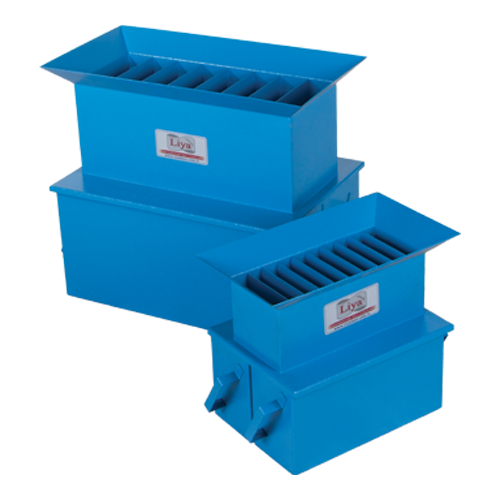
Sample Splitters
STANDART: TS EN 932-2; ASTM C702; BS 812:1, 1377:1, 1924:1
LT-A0026 Sample Splitters | 7 mm, Groove Width
LT-A0028 Sample Splitters | 13 mm, Groove Width
LT-A0029 Sample Splitters | 15 mm, Groove Width
LT-A0030 Sample Splitters | 19 mm, Groove Width
LT-A0032 Sample Splitters | 25 mm, Groove Width
LT-A0033 Sample Splitters | 30 mm, Groove Width
LT-A0034 Sample Splitters | 38 mm, Groove Width
LT-A0035 Sample Splitters | 45 mm, Groove Width
LT-A0036 Sample Splitters | 50 mm, Groove Width
LT-A0037 Sample Splitters | 64 mm, Groove Width
LT-A0038 Sample Splitters | 75 mm, Groove Width
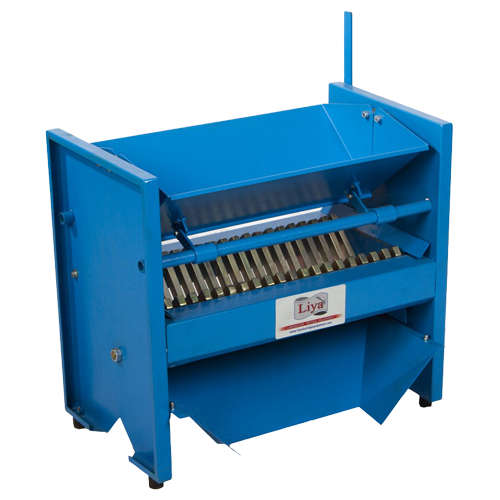
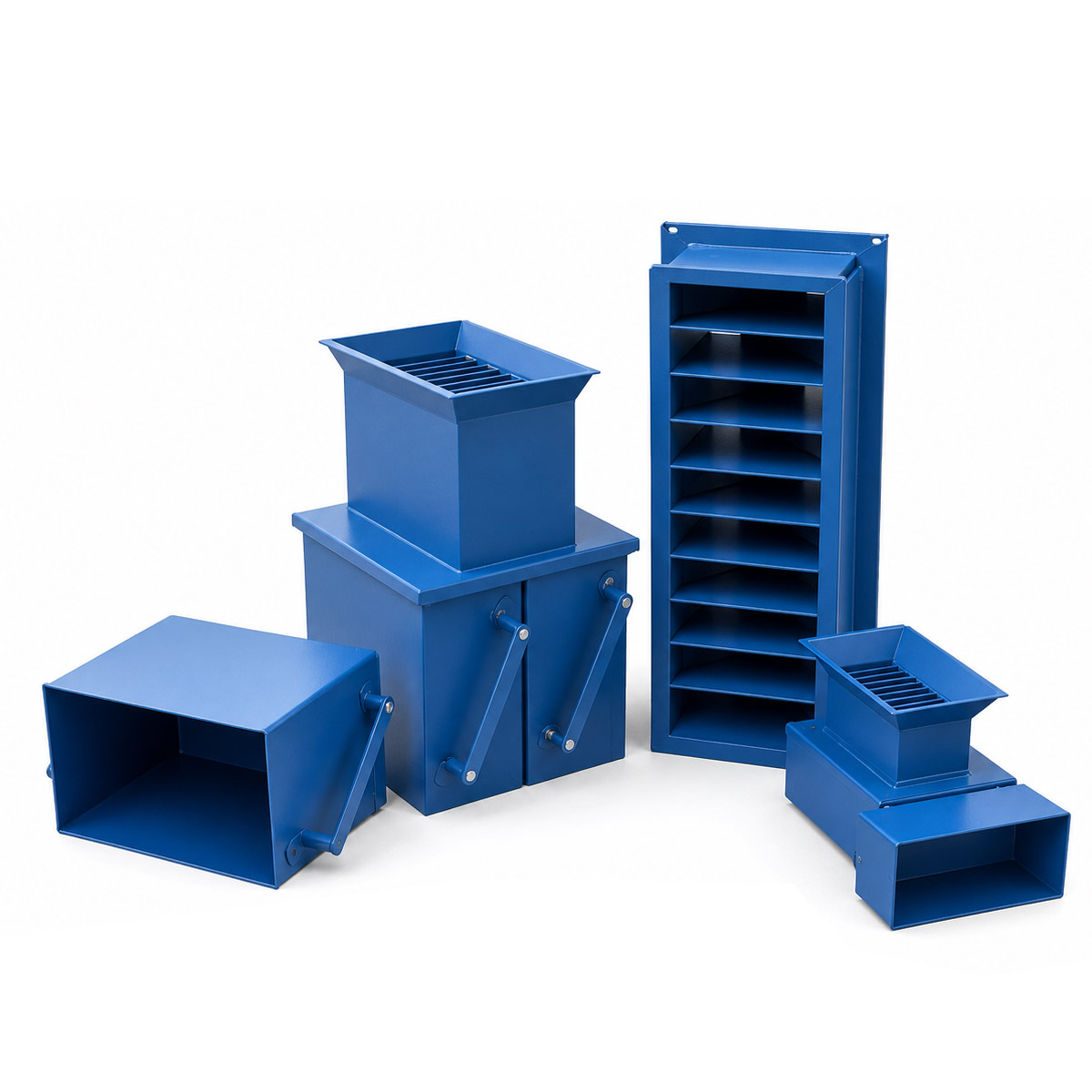
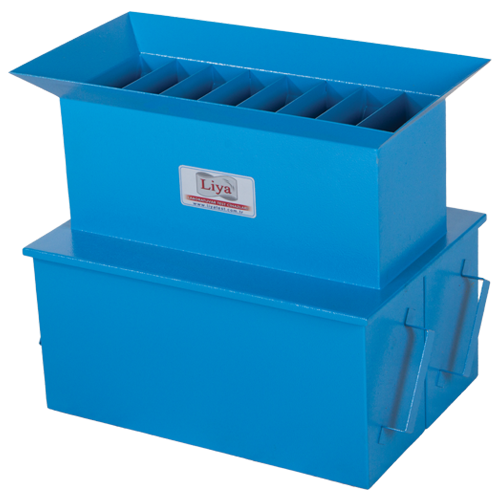
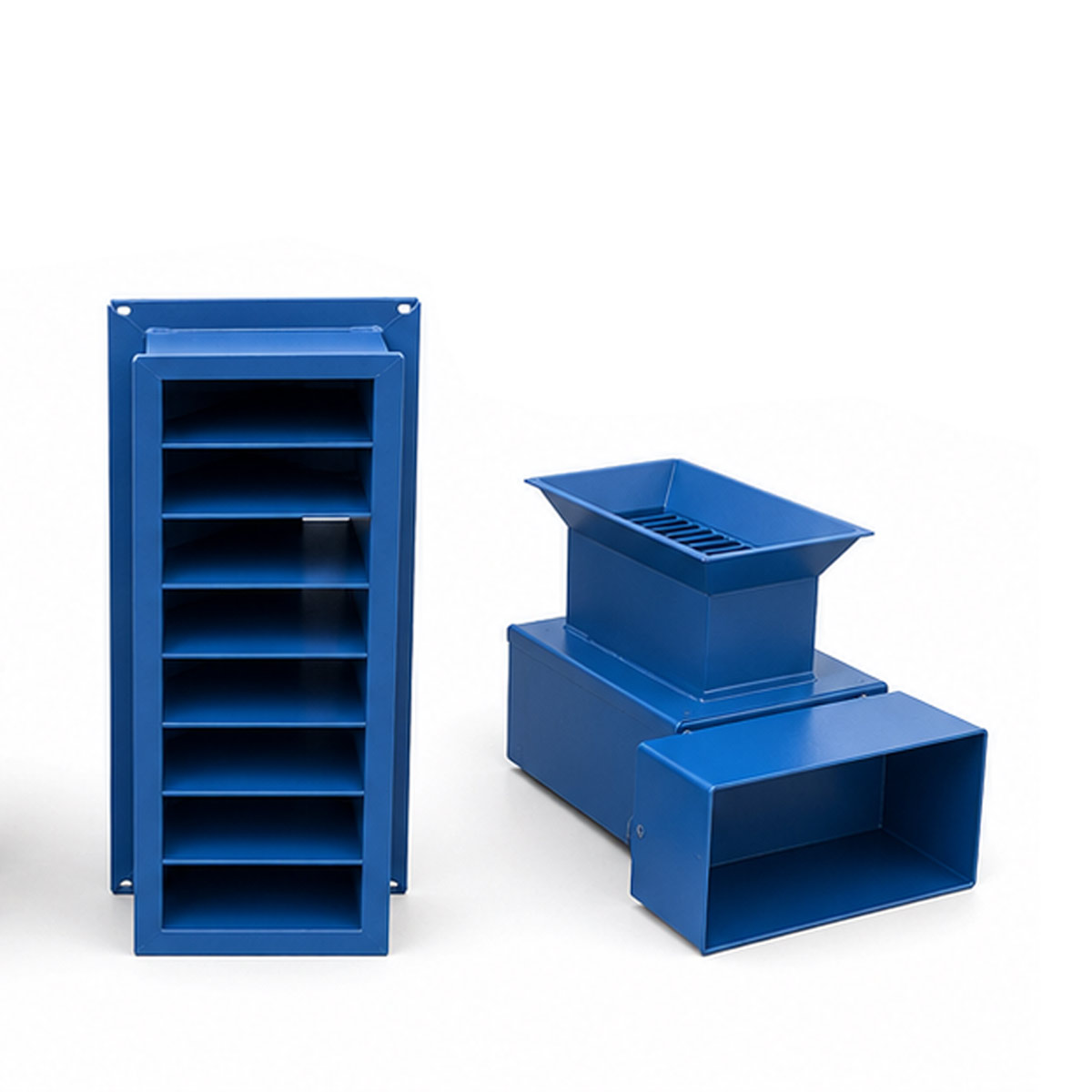
Sample Splitters are designed to reduce bulk aggregate samples into smaller and representative laboratory test portions. The series offers 11 different chute widths from 7 mm to 75 mm, allowing laboratories to select the appropriate model according to aggregate particle size. Alternating chutes divide the material into two portions, helping maintain the characteristics of the original sample during reduction.
- Representative Sample Reduction: Divides bulk aggregate samples into smaller test portions.
- Wide Chute Range: Available with 7, 13, 15, 19, 25, 30, 38, 45, 50, 64 and 75 mm chute widths.
- Different Chute Configurations: Models are supplied with 8, 10, 12 or 16 chutes.
- Two-Way Sample Division: Alternating chutes distribute material into two separate portions.
- Particle Size Flexibility: Different models accommodate fine and coarse aggregate samples.
- Mechanical Operation: Requires no electrical connection.
- Robust Construction: Suitable for routine aggregate laboratory use.
- Protective Surface: The body is protected with electrostatic powder coating against corrosion.
- Compact Model: LT-A0026, 7 mm chute width, 16 chutes and approximately 2 kg.
- Large Model: LT-A0038, 75 mm chute width, 8 chutes and approximately 35 kg.
- Standards: EN 932-2, ASTM C702/C702M, BS 812-1, BS 1377-1 and BS 1924-1.
| Product Code | Product Name | External Dimensions (mm) | Weight (kg) | Number of Chutes |
| LT-A0026 | Sample Splitter, 7 mm | 130 × 180 × 180 | 2 | 16 |
| LT-A0028 | Sample Splitter, 13 mm | 200 × 250 × 350 | 6 | 12 |
| LT-A0029 | Sample Splitter, 15 mm | 200 × 290 × 350 | 6.5 | 12 |
| LT-A0030 | Sample Splitter, 19 mm | 220 × 310 × 400 | 11 | 12 |
| LT-A0032 | Sample Splitter, 25 mm | 250 × 350 × 420 | 9 | 10 |
| LT-A0033 | Sample Splitter, 30 mm | 230 × 420 × 450 | 15 | 10 |
| LT-A0034 | Sample Splitter, 38 mm | 320 × 430 × 570 | 16 | 10 |
| LT-A0035 | Sample Splitter, 45 mm | 320 × 450 × 590 | 20 | 8 |
| LT-A0036 | Sample Splitter, 50 mm | 320 × 500 × 600 | 20 | 8 |
| LT-A0037 | Sample Splitter, 64 mm | 360 × 600 × 600 | 32 | 8 |
| LT-A0038 | Sample Splitter, 75 mm | 370 × 700 × 600 | 35 | 8 |

LT_BOLGECLER_
What Are Sample Splitters?
Sample Splitters are used to reduce large aggregate samples into smaller and representative laboratory test portions. The equipment divides material through alternating chutes, producing two separate portions while helping preserve the overall characteristics of the original sample.
Representative sampling is an important stage of laboratory testing. A small quantity taken randomly from one area of a bulk sample may not reflect the complete particle-size distribution. Therefore, controlled sample reduction helps laboratories prepare more consistent test portions.
7–75 mm Chute Width Options
Liya Test offers 11 different Sample Splitter models with chute widths ranging from 7 mm to 75 mm.
Smaller chute models are suitable for finer materials. In contrast, wider chutes provide sufficient clearance for larger aggregate particles. The number of chutes also changes according to the model. The series includes configurations with 8, 10, 12 and 16 chutes.
This wide model range allows laboratories to select the appropriate splitter according to the maximum particle size of the sample.
How Does a Sample Splitter Work?
First, the operator prepares and homogenises the bulk aggregate sample. The material is then introduced evenly across the upper section of the splitter.
Alternating chutes direct the particles toward two separate collection sides. As a result, the original sample is divided into two smaller portions.
If a smaller test quantity is required, one portion can be passed through the splitter again. The process can be repeated until the required laboratory sample mass is obtained.
Mechanical and Durable Construction
Sample Splitters operate entirely through gravity and therefore require no electrical power supply. Their simple mechanical design also reduces preparation time and makes cleaning easier.
Liya Test states that the splitter bodies are protected with electrostatic powder coating to improve resistance against corrosion.
The smallest LT-A0026 model weighs approximately 2 kg, while the largest LT-A0038 model weighs approximately 35 kg.
Standards for Representative Sample Reduction
EN 932-2 covers methods for reducing laboratory aggregate samples into test portions. ASTM C702/C702M also describes procedures for reducing aggregate samples to testing size while minimising variations between the reduced portion and the original material.
Liya Test additionally lists BS 812-1, BS 1377-1 and BS 1924-1 for this product group.
As a result, Sample Splitters provide a practical solution for preparing representative aggregate samples with different particle sizes in a controlled and repeatable manner.