
Vebe Consistometer
STANDART: TS EN 12350-3; ASTM C 1170, C 1176
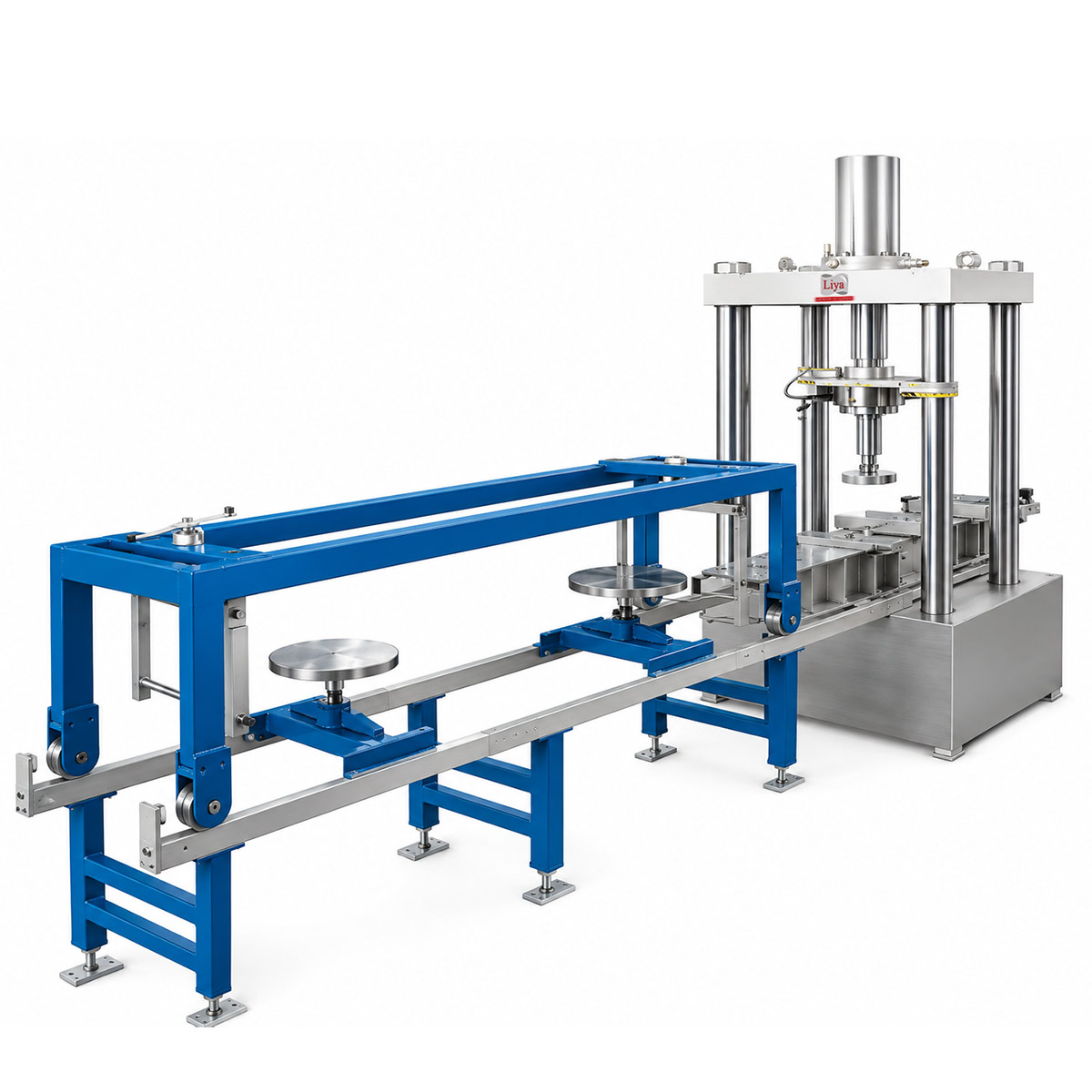
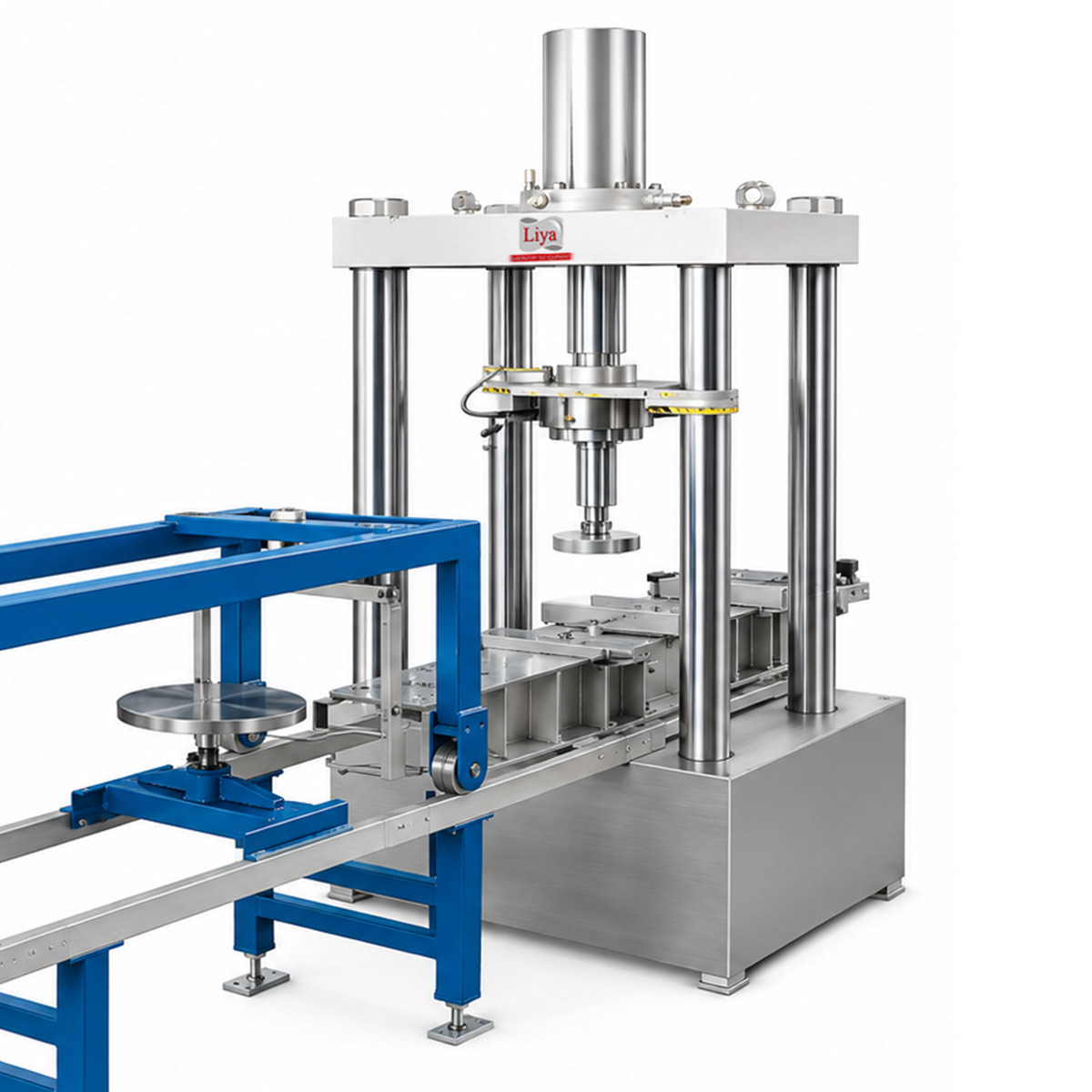
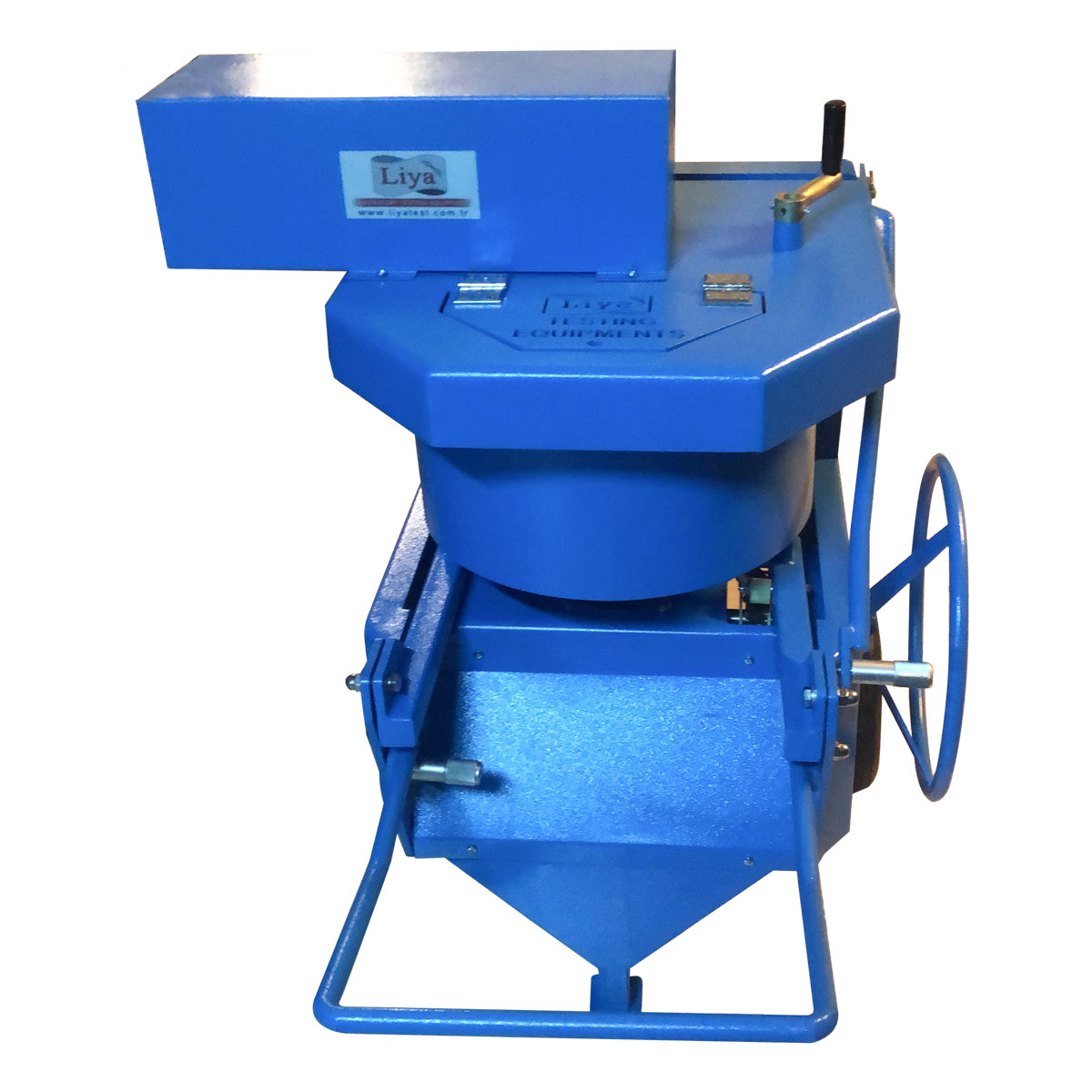
LT-C0042/E Vebe Consistometer | E Model
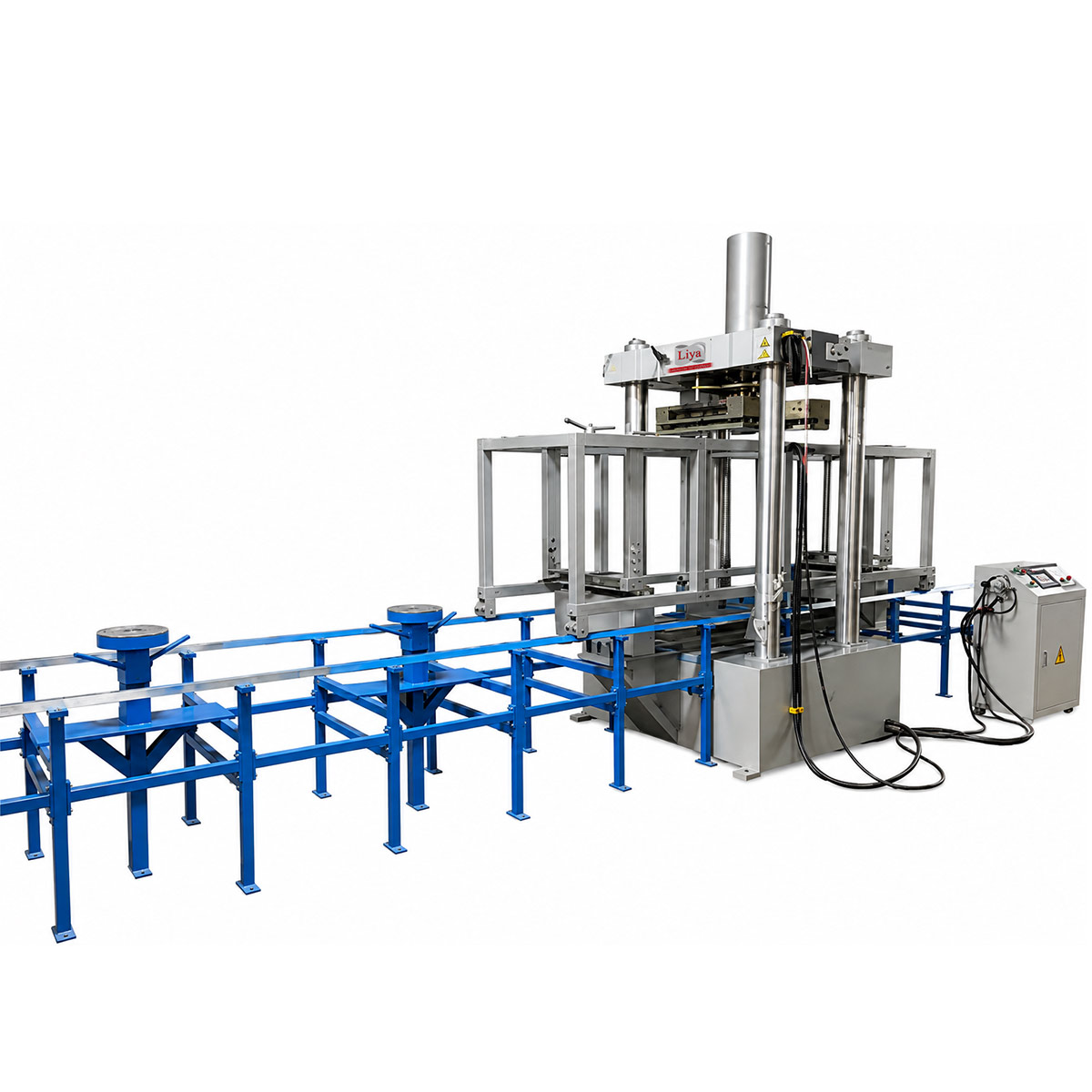
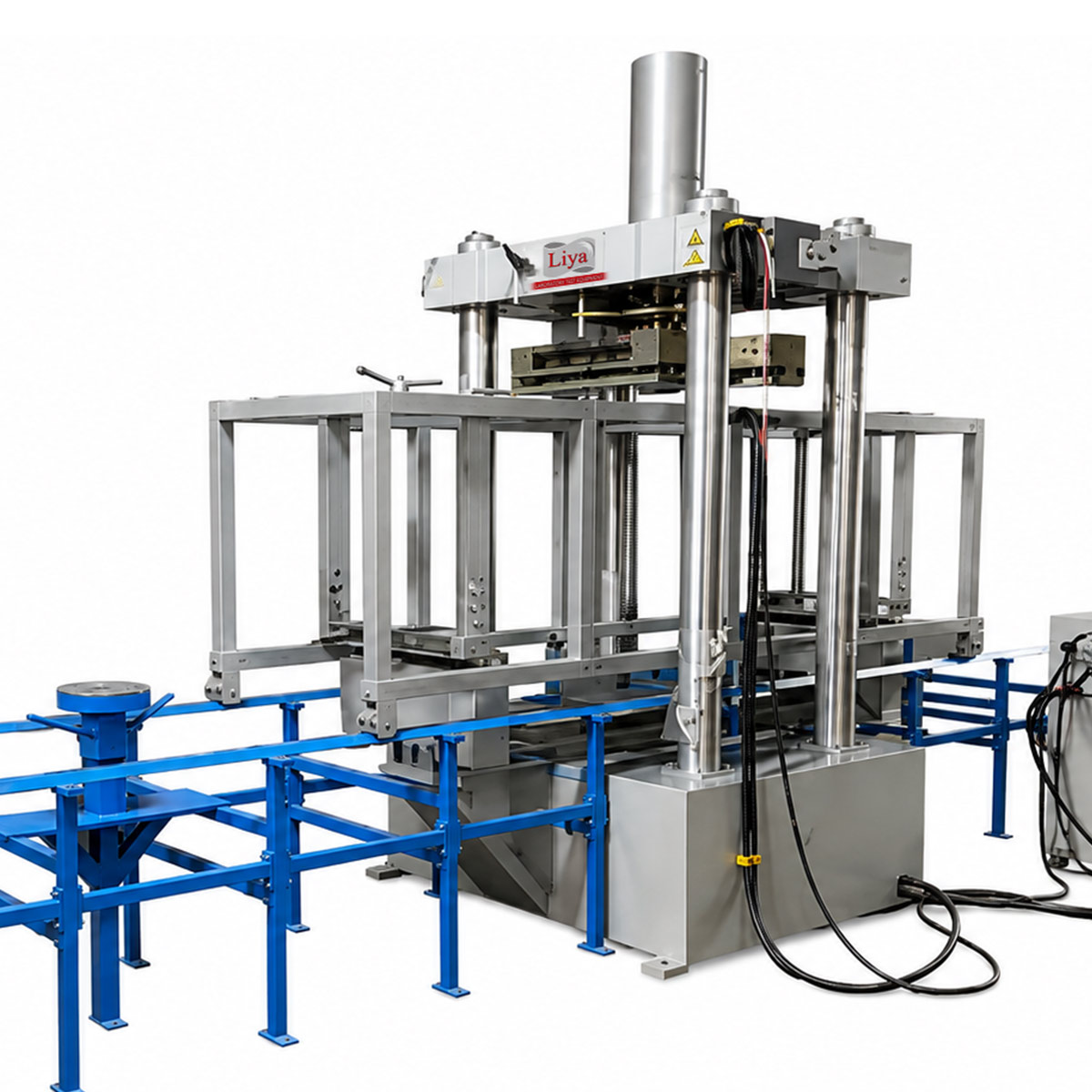
LT-C0042/A Vebe Consistometer | A Model
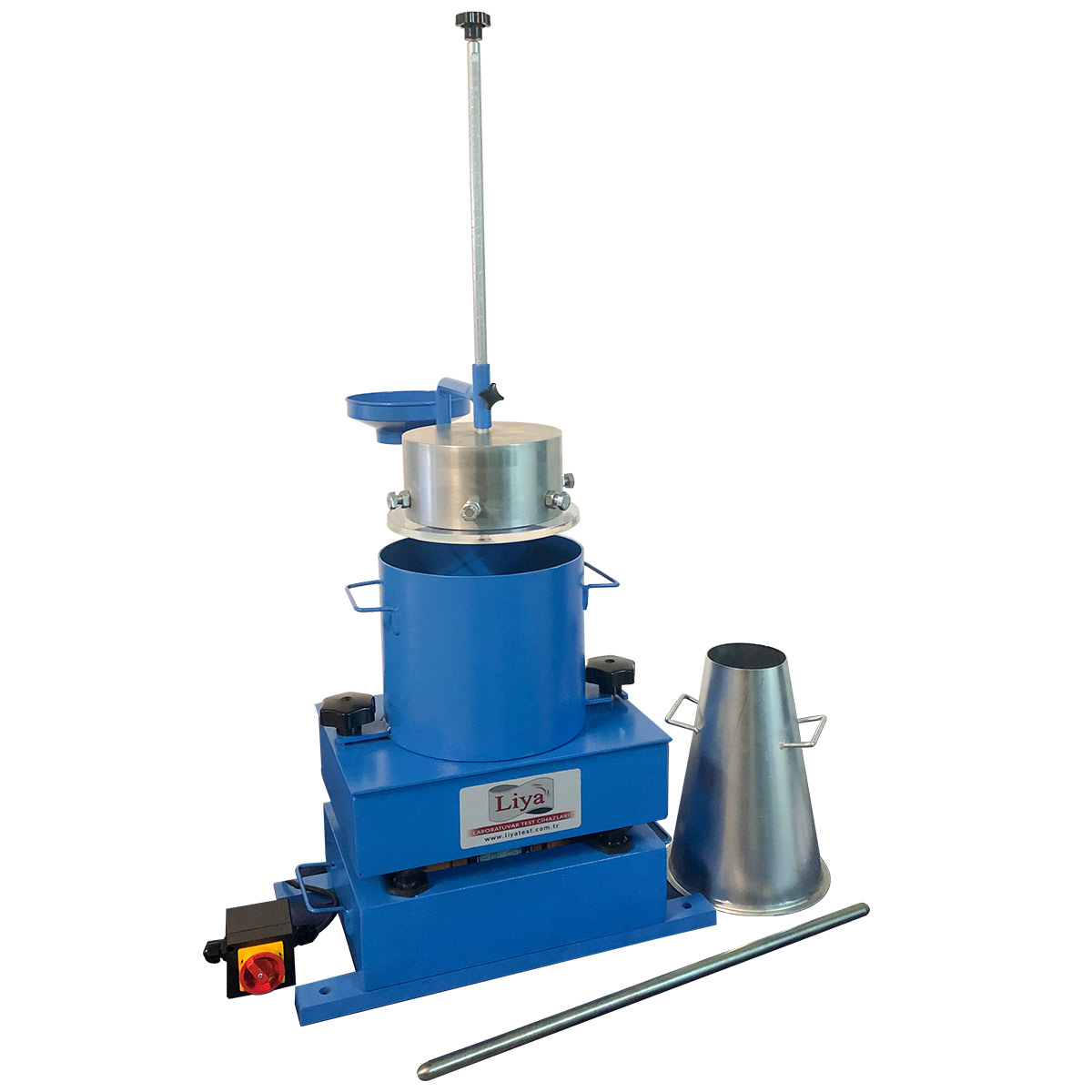
Vebe Consistometer determines the workability and consistency of stiff fresh concrete by measuring the time required for the concrete to remould under controlled vibration. The vibrating table reshapes the concrete specimen while a transparent disc allows the operator to observe the test progress. The measured Vebe time provides a practical indication of the consistency of low-workability concrete mixtures.
- Product: Vebe Consistometer
- Application: Workability testing of stiff fresh concrete
- Test Result: Vebe time measured in seconds
- Suitable Concrete: Low-slump and stiff concrete mixtures
- Vibrating Table: Provides controlled mechanical vibration
- Transparent Disc: Allows clear observation of concrete remoulding
- Slump Cone: Used for standard preparation of the fresh concrete specimen
- Complete Test Set: Includes cylindrical container, slump cone, transparent disc and tamping rod
- Maximum Aggregate Size: 63 mm
- Standards: TS EN 12350-3, ASTM C1170, ASTM C1176
| Product Code | Product Name | Dimensions (cm) | Weight (kg) | Power Supply |
| LT-C0042 | Vebe Consistometer Test Set | 26 × 38 × 71 | 90 | 220 V, 50–60 Hz, 1 ph |
| LT-C0042/1 | Vibrating Consistometer | 26 × 38 × 71 | 77 | 220 V, 50–60 Hz, 1 ph |
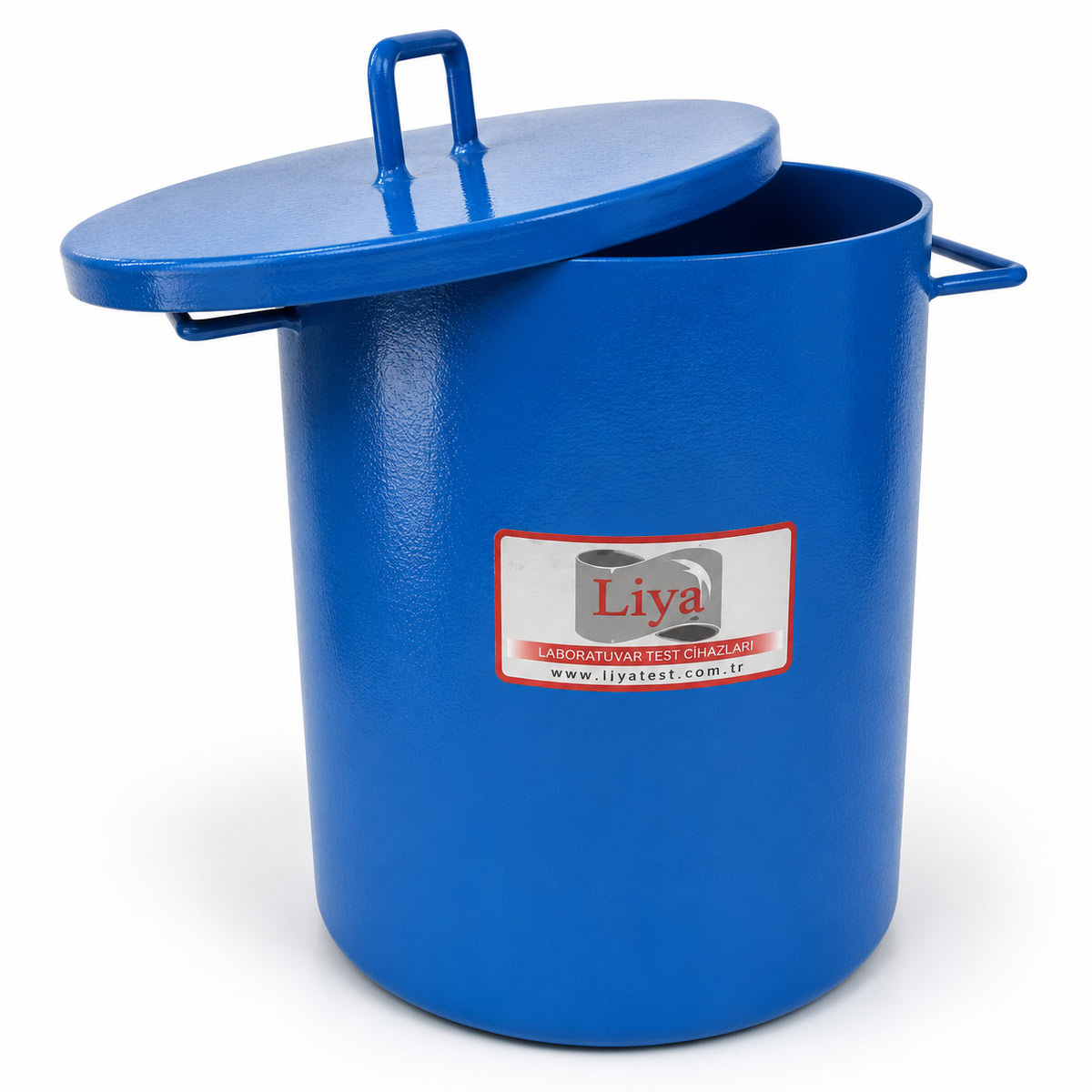
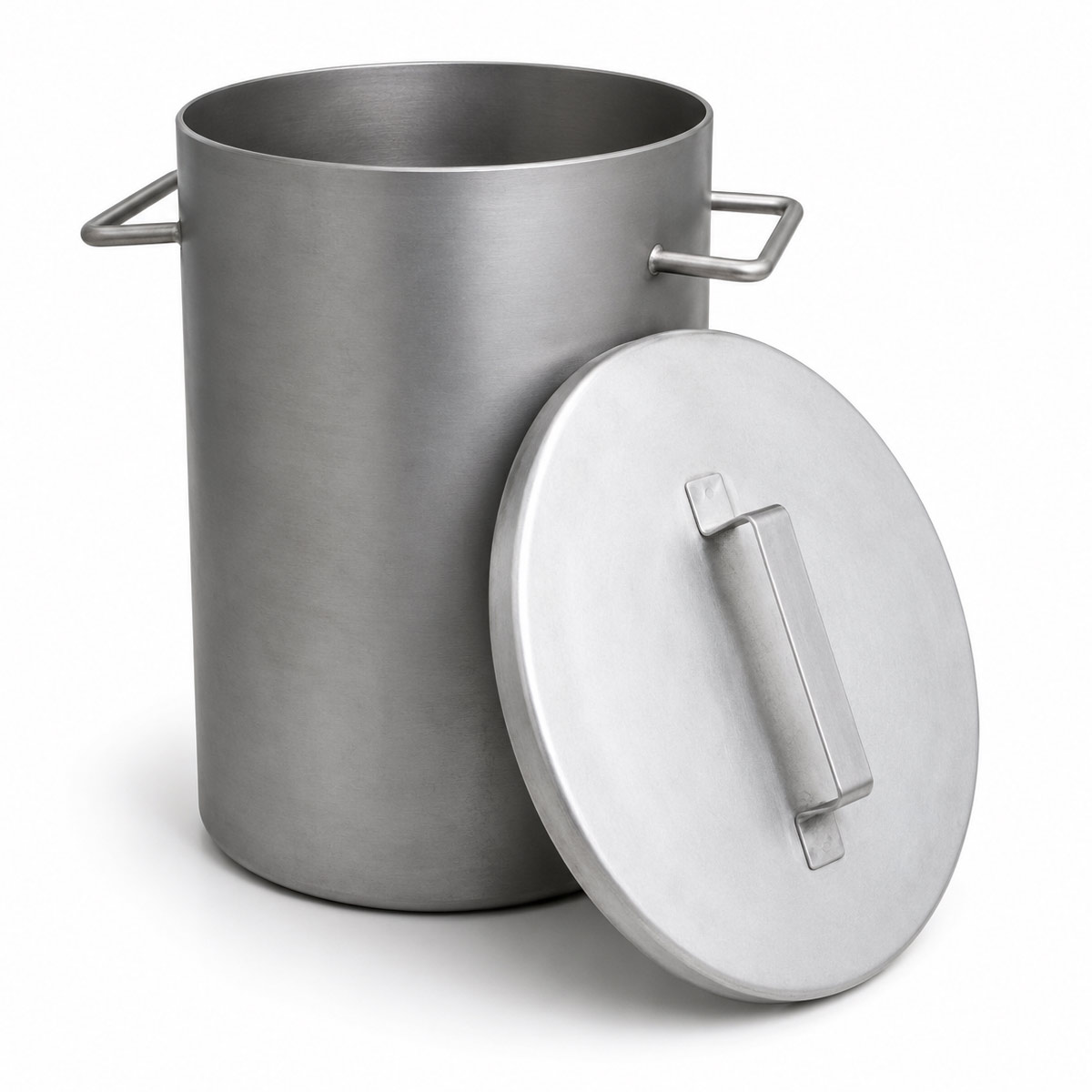
| LT-C0042/2 | Cylindrical Container | Ø24 × 20 | 7.5 | — |
| LT-C0042/3 | Transparent Disc with Graduated Rod | Ø23 × 1 | 2.75 | — |
| LT-C0038/1 | Slump Cone (Abrams Cone) | 10 × 20 × 30 | 2 | — |
| LT-G0162 | Tamping Rod | Ø1.6 × 60 | 0.95 | — |

LT_BETON_VEBE_
What Is a Vebe Consistometer?
The Vebe Consistometer determines the workability of stiff fresh concrete by measuring its remoulding time under controlled mechanical vibration. During the test, the vibrating table reshapes the concrete specimen while the operator records the required time.
Conventional slump testing may provide limited information for very stiff concrete. Such mixtures often show little deformation after the slump cone is removed. In contrast, the Vebe method uses vibration to evaluate the response of low-workability concrete. Therefore, it provides more meaningful information for stiff mixtures.
How Is the Vebe Test Performed?
First, the operator secures the cylindrical container on the vibrating table. The slump cone is then placed in the centre of the container. Fresh concrete is filled into the cone in the required layers and compacted with the tamping rod.
After specimen preparation, the operator lifts the cone vertically. The transparent disc is then lowered onto the concrete surface. Next, the vibrating table and timer are started simultaneously.
Vibration causes the concrete to spread and gradually change from a conical shape into a cylindrical form. When the underside of the transparent disc comes into full contact with the concrete surface, the operator stops the timer.
The measured value is recorded in seconds as the Vebe time.
Transparent Disc and Vibrating Table
The transparent disc allows the operator to observe the concrete surface throughout the test. Its supporting arm keeps the disc correctly positioned above the specimen. As a result, the end point of the test can be identified more clearly.
The vibrating table provides consistent mechanical vibration during the procedure. In addition, the rigid structure helps reduce unwanted movement while the test is running.
Testing Stiff Concrete Mixtures
The Vebe method is particularly suitable for concrete mixtures with low slump and low workability. These can include pavement concrete, precast concrete mixtures and other stiff concretes that require mechanical vibration during placement.
However, the method is not suitable for every concrete consistency. According to EN 12350-3, the maximum aggregate size should not exceed 63 mm.
In addition, very short or excessively long Vebe times may indicate that the method is not suitable for the consistency of the tested mixture. Therefore, laboratories should follow the requirements of the applicable standard when evaluating results.
Testing According to EN 12350-3
EN 12350-3 specifies the Vebe method for determining the consistency of fresh concrete. The standard defines the apparatus, specimen preparation, test procedure and reporting requirements.
The system also supports applications associated with ASTM C1170 and ASTM C1176, which address consistency and specimen preparation procedures for stiff and roller-compacted concrete mixtures.
Reliable Workability Evaluation
The complete system combines a vibrating table, transparent disc, cylindrical container, slump cone and tamping rod. These components provide laboratories with the equipment required for controlled Vebe testing.
As a result, the Vebe Consistometer offers a practical and repeatable solution for evaluating the workability of stiff fresh concrete mixtures. It is particularly useful when conventional slump testing cannot provide sufficient information about concrete consistency.