
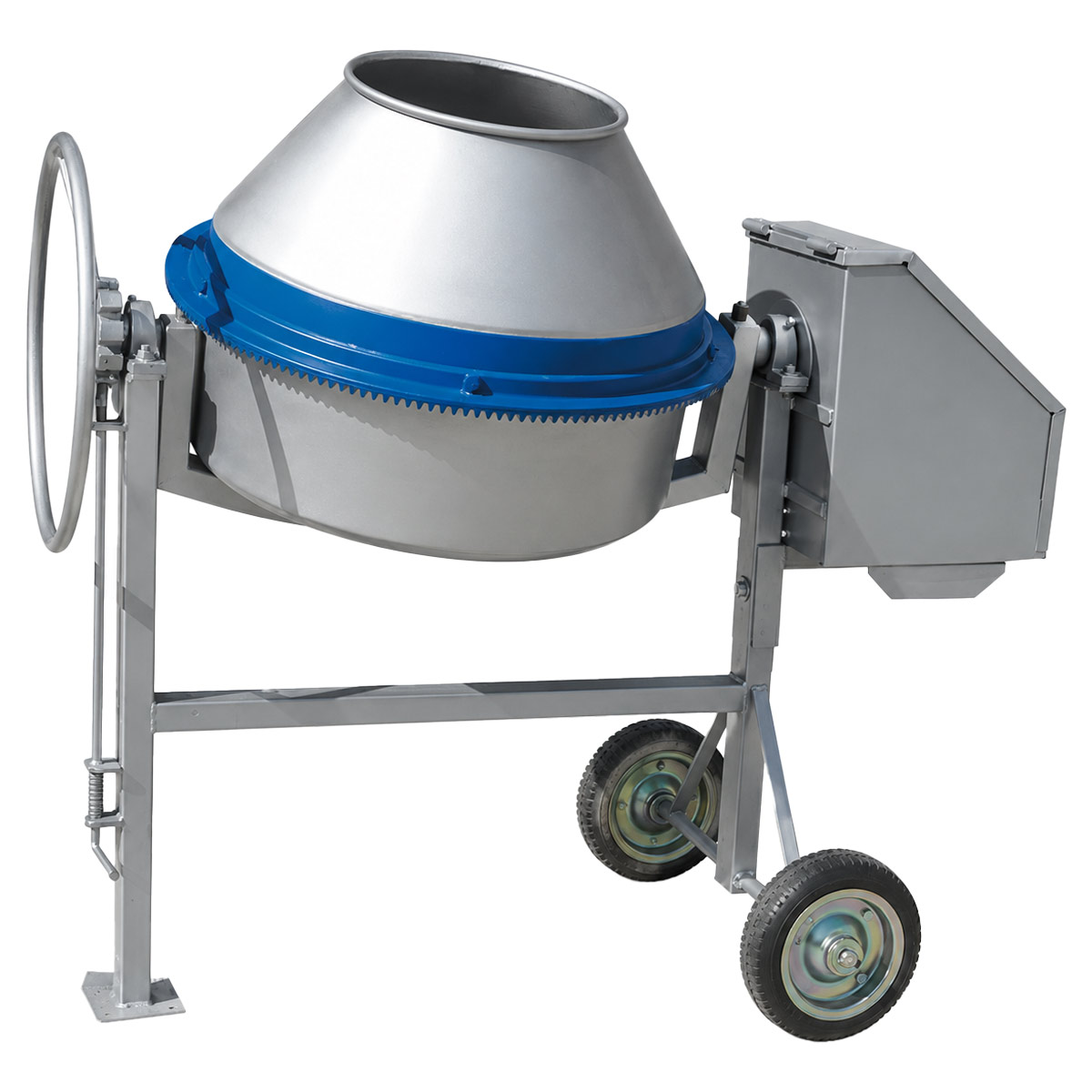
Drum Type Concrete Mixer
STANDART: EN 12390-1, ASTM C39, C192, EN 1766
LT-C0100 Drum Type Concrete Mixer | 125 Liter
LT-C0101 Drum Type Concrete Mixer | 140 Liter
LT-C0102 Drum Type Concrete Mixer | 160 Liter
LT-C0103 Drum Type Concrete Mixer | 180 Liter
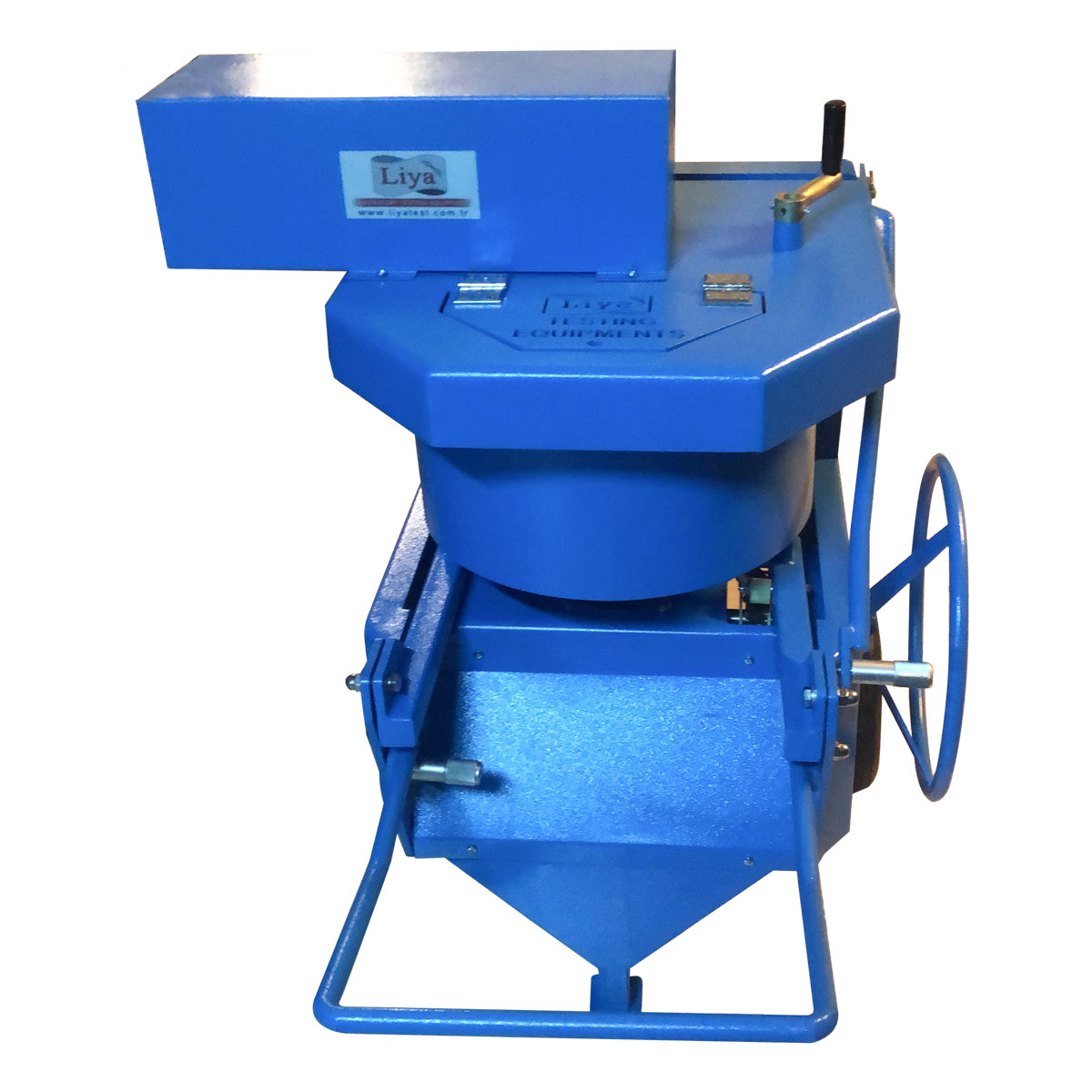
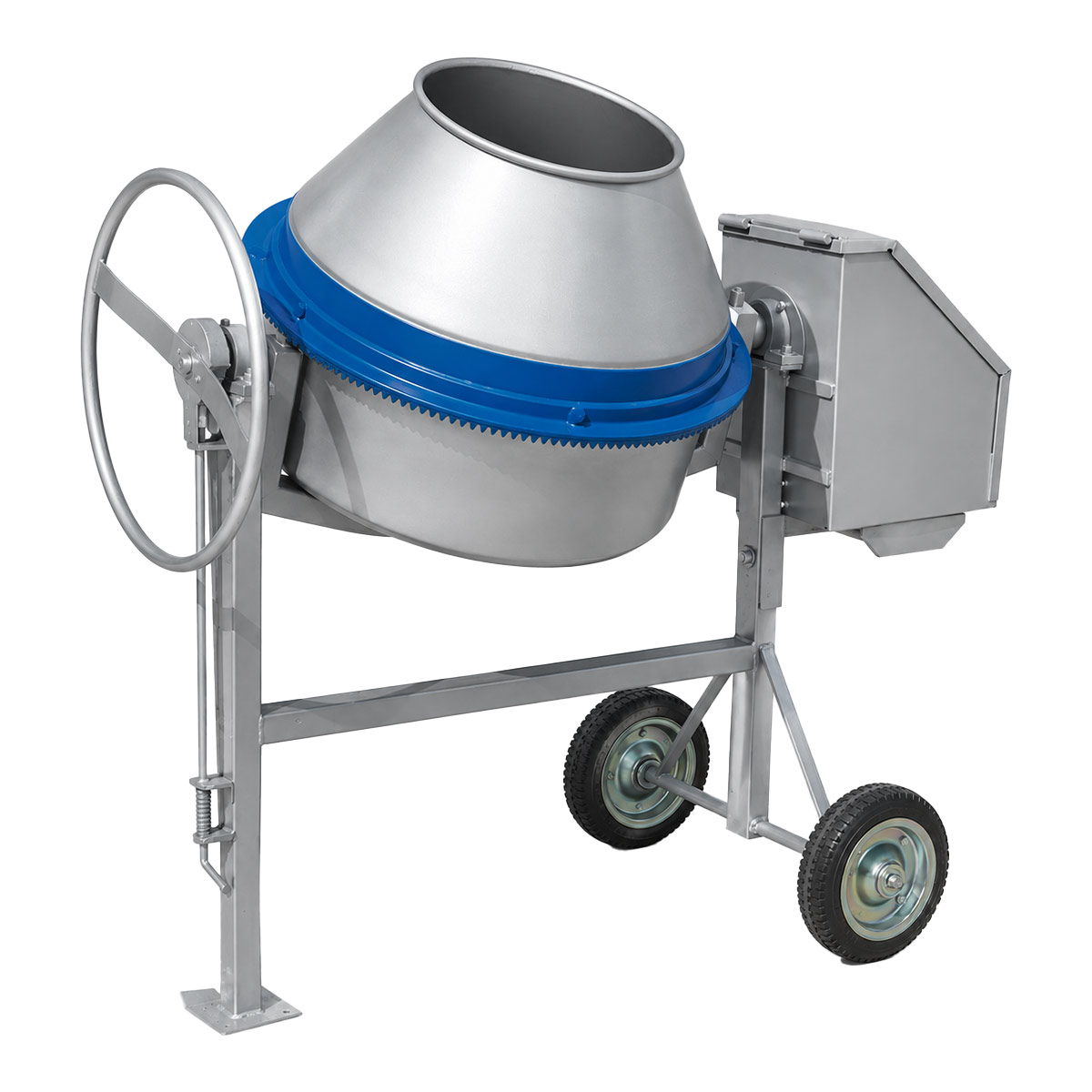
Drum Type Concrete Mixers are designed for the homogeneous preparation of fresh concrete, mortar, plaster and mosaic mixtures. The rotating drum keeps the materials in continuous motion, helping cement, aggregate, water and other components distribute evenly throughout the mixture. The product range offers 125 to 180-liter total capacity options, while electric and diesel configurations provide flexibility for both laboratory and field applications.
- Wide Capacity Range: Four models from 125 L to 180 L
- Effective Mixing Capacities: 100, 120, 140 and 160 L
- Homogeneous Mixing: Rotating drum promotes uniform distribution of dry and wet materials
- Electric Motor Option: Suitable for laboratories and working areas with mains electricity
- Diesel Motor Option: Supports field applications where electrical power is limited
- Versatile Application: Suitable for concrete, mortar, plaster and mosaic mixtures
- Durable Steel Drum: Designed for repeated contact with aggregate and cementitious materials
- Protective Surface Coating: Helps protect metal components against external conditions
- Heavy-Duty Rubber Wheels: Simplify transportation around laboratory and site areas
- Mobile Design: Supports practical use in different working locations
- Power Supply: 220 V / 0.7 kW for the listed electric models
- Standards: EN 12390-1, ASTM C39, ASTM C192, EN 1766
| Product Code | Product Name | Total Capacity (L) | Mixing Capacity (L) | Mixing Output (m³/h) | Dimensions (cm) | Weight (kg) | Power Supply |
| LT-C0100 | Drum Type Concrete Mixer | 125 | 100 | 1.3–2.6 | 102 × 67 × 115 | 39 | 220 V / 0.7 kW |
| LT-C0101 | Drum Type Concrete Mixer | 140 | 120 | 1.3–2.6 | 117 × 66 × 124 | 56 | 220 V / 0.7 kW |
| LT-C0102 | Drum Type Concrete Mixer | 160 | 140 | 1.4–2.8 | 123 × 73 × 129 | 65 | 220 V / 0.7 kW |
| LT-C0103 | Drum Type Concrete Mixer | 180 | 160 | 1.4–2.8 | 123 × 78 × 135 | 75 | 220 V / 0.7 kW |

What Is a Drum Type Concrete Mixer?
The Drum Type Concrete Mixer is designed to prepare homogeneous fresh concrete, mortar, plaster and mosaic mixtures. The rotating drum keeps the materials in continuous motion. As a result, cement, aggregate, water and other components can distribute more evenly throughout the batch.
The product range includes models for both laboratory and field applications. In addition, different capacity options allow users to select a mixer according to the required batch volume.
125 to 180-Liter Capacity Options
The series includes four total capacity options ranging from 125 to 180 liters.
The LT-C0100 provides a total capacity of 125 L and an effective mixing capacity of 100 L. The LT-C0101 increases these values to 140 L total and 120 L mixing capacity.
For larger batches, the LT-C0102 offers 160 L total and 140 L effective capacity. The largest LT-C0103 model provides 180 L total capacity with 160 L effective mixing volume.
Therefore, laboratories and field teams can select a model according to their daily material preparation requirements.
Homogeneous Drum Mixing
The rotating drum continuously lifts and redistributes the materials during operation. This movement helps combine dry and wet components throughout the mixture.
Correct filling is also important for efficient operation. Overloading the drum can restrict material movement and reduce mixing performance. Therefore, users should select the batch volume according to the effective mixing capacity of the chosen model.
The listed models provide mixing outputs between 1.3 and 2.8 m³/h, depending on model capacity.
Electric and Diesel Motor Options
Electric models provide convenient operation in laboratories and working areas with suitable mains power.
The listed units operate with a 220 V, 0.7 kW electrical system. This configuration provides a practical solution for routine laboratory and site mixing.
Diesel-powered alternatives can also support projects where electrical power is unavailable or limited. Therefore, field teams can prepare concrete and mortar closer to the actual working location.
Durable and Mobile Construction
The mixing drum uses a robust steel structure designed for repeated contact with cement, aggregate and other abrasive materials.
A protective surface coating helps protect the external metal components. In addition, heavy-duty rubber wheels allow users to move the mixer between different working areas.
Before starting the mixer, the operator should always place the unit on a stable and level surface.
How Is a Drum Type Concrete Mixer Used?
First, the operator checks that the drum is clean and ready for operation. Aggregate, cement, water and other components are then introduced according to the required mixing sequence.
As the drum rotates, the materials move continuously until the required homogeneity is achieved.
After mixing, the operator moves the drum into the discharge position and transfers the prepared material into specimen moulds or suitable containers.
Cleaning the drum after every batch helps prevent hardened material from accumulating on the internal surfaces.
Concrete Specimen Preparation
ASTM C192/C192M covers laboratory procedures for mixing concrete and preparing test specimens. Therefore, drum mixers can support controlled laboratory batch preparation when users follow the applicable procedure.
EN 1766 also covers reference concretes used in testing products and systems for concrete protection and repair applications.
As a result, Drum Type Concrete Mixers combine multiple capacity options, mobile construction and practical mixing performance. The product range provides a flexible solution for preparing concrete, mortar and similar mixtures in both laboratory and field environments.