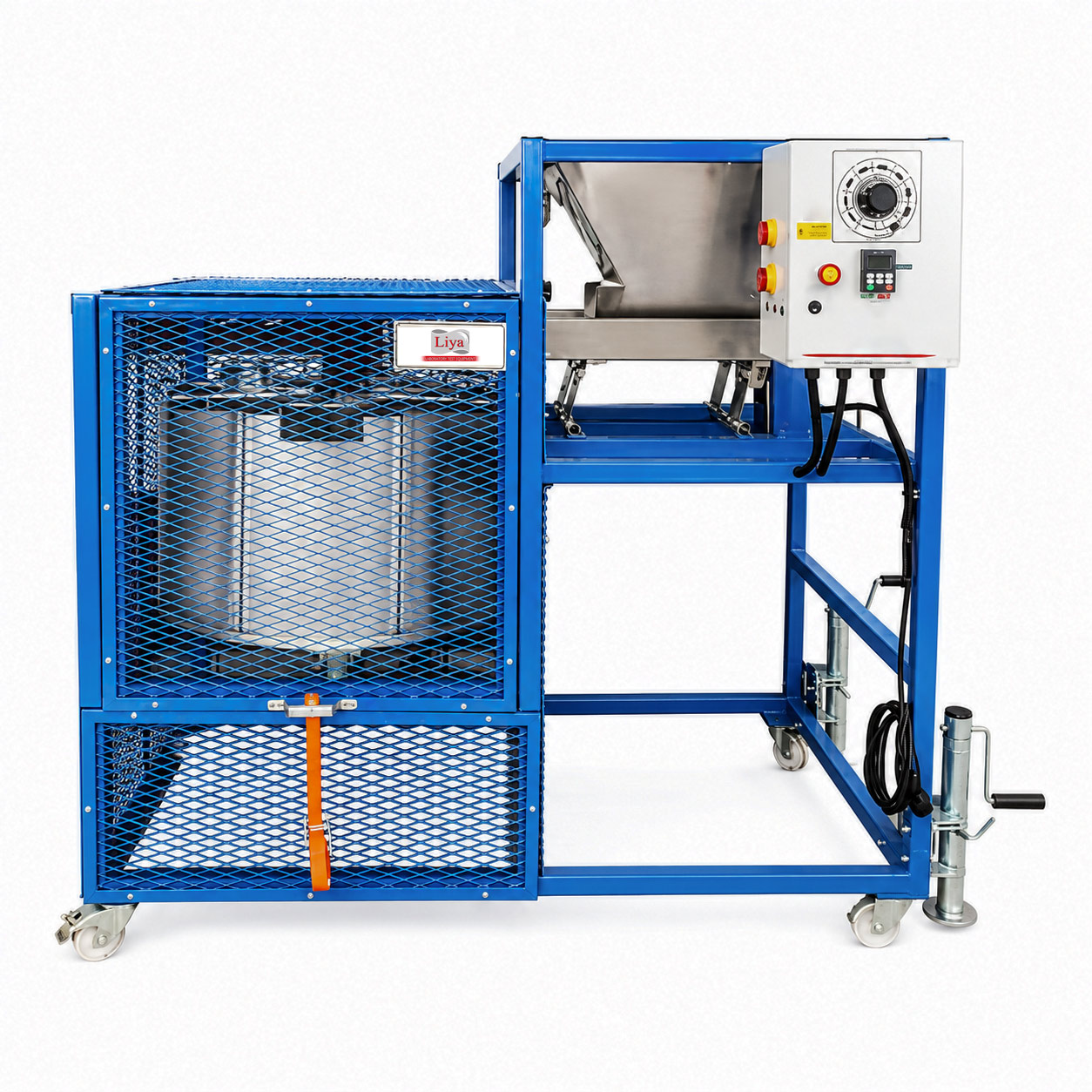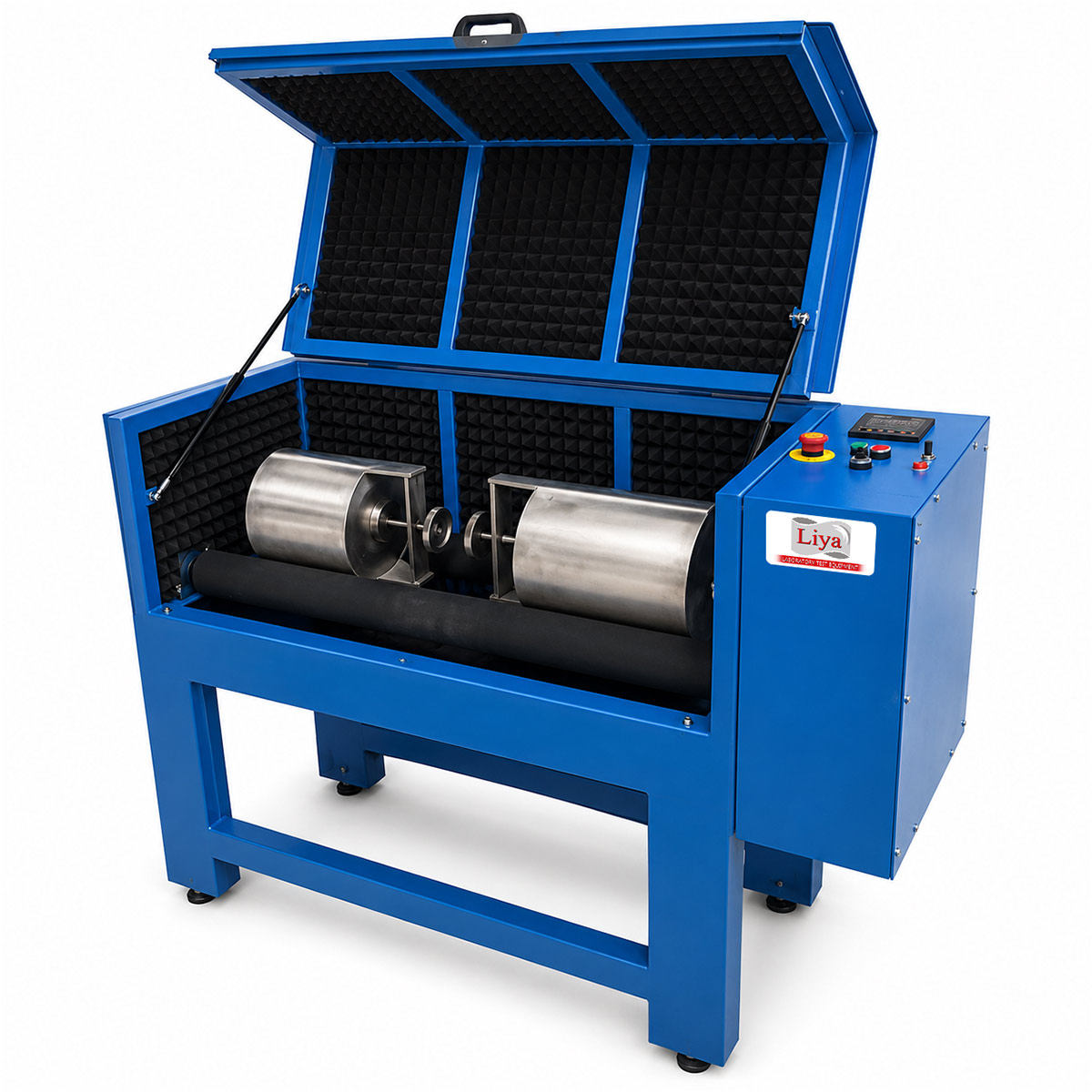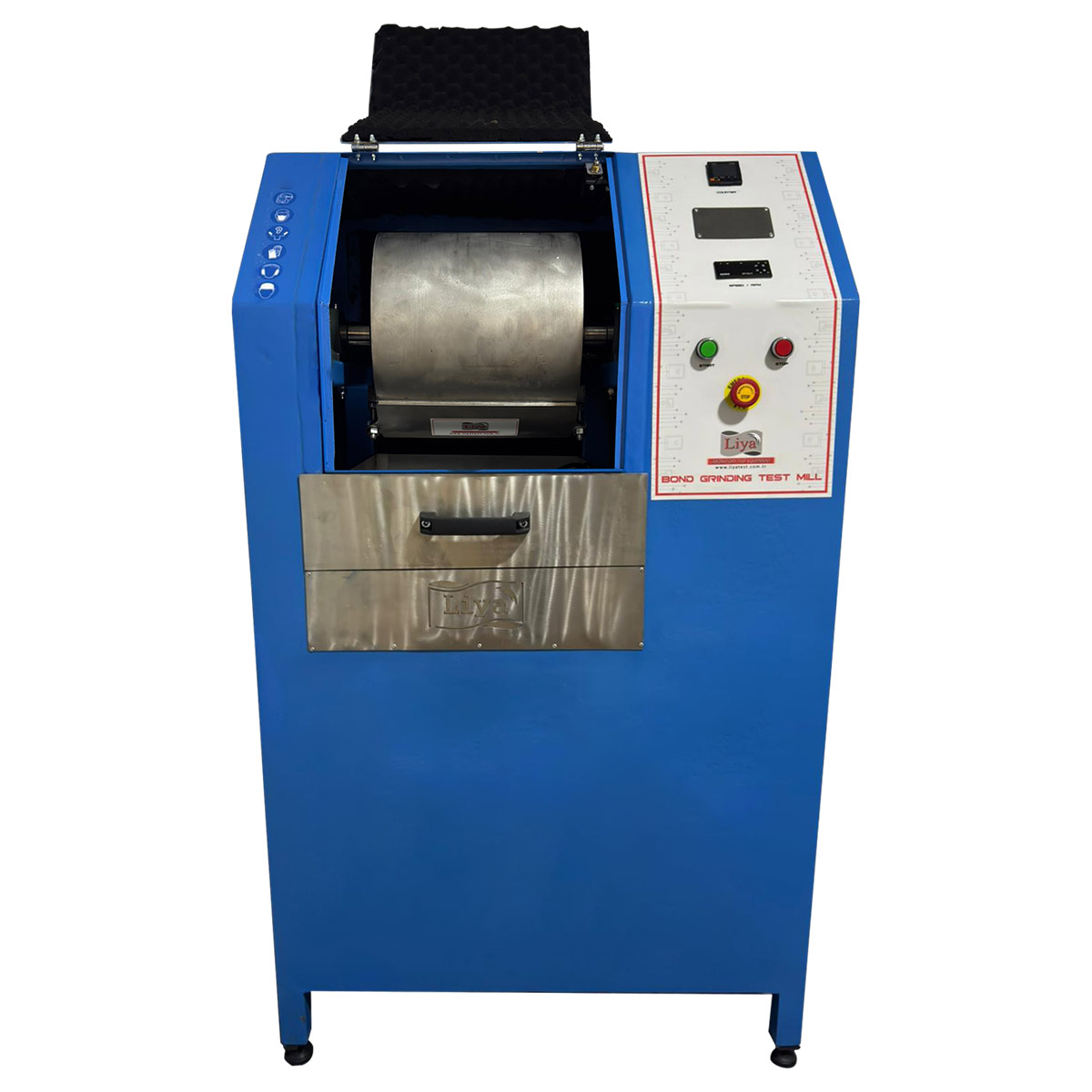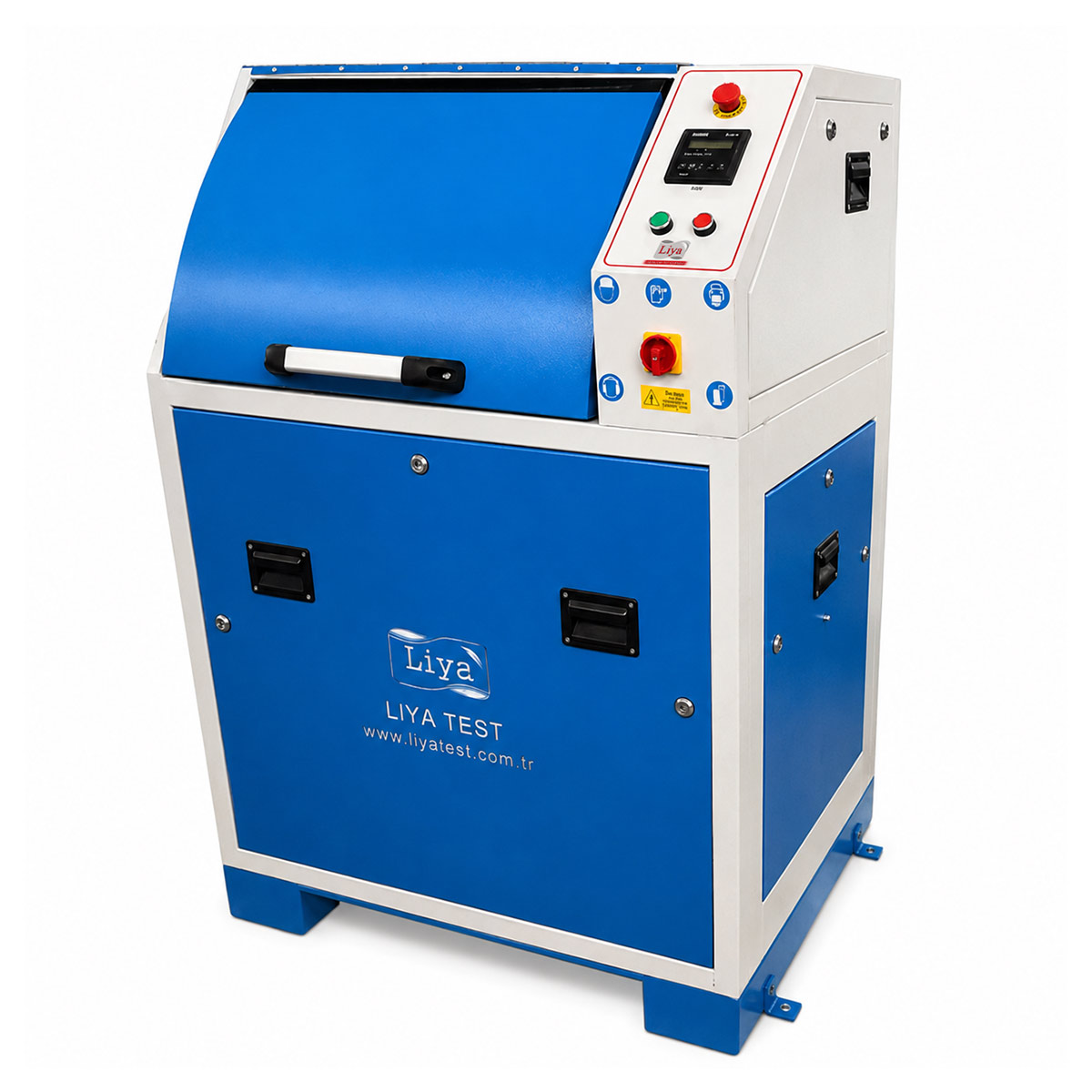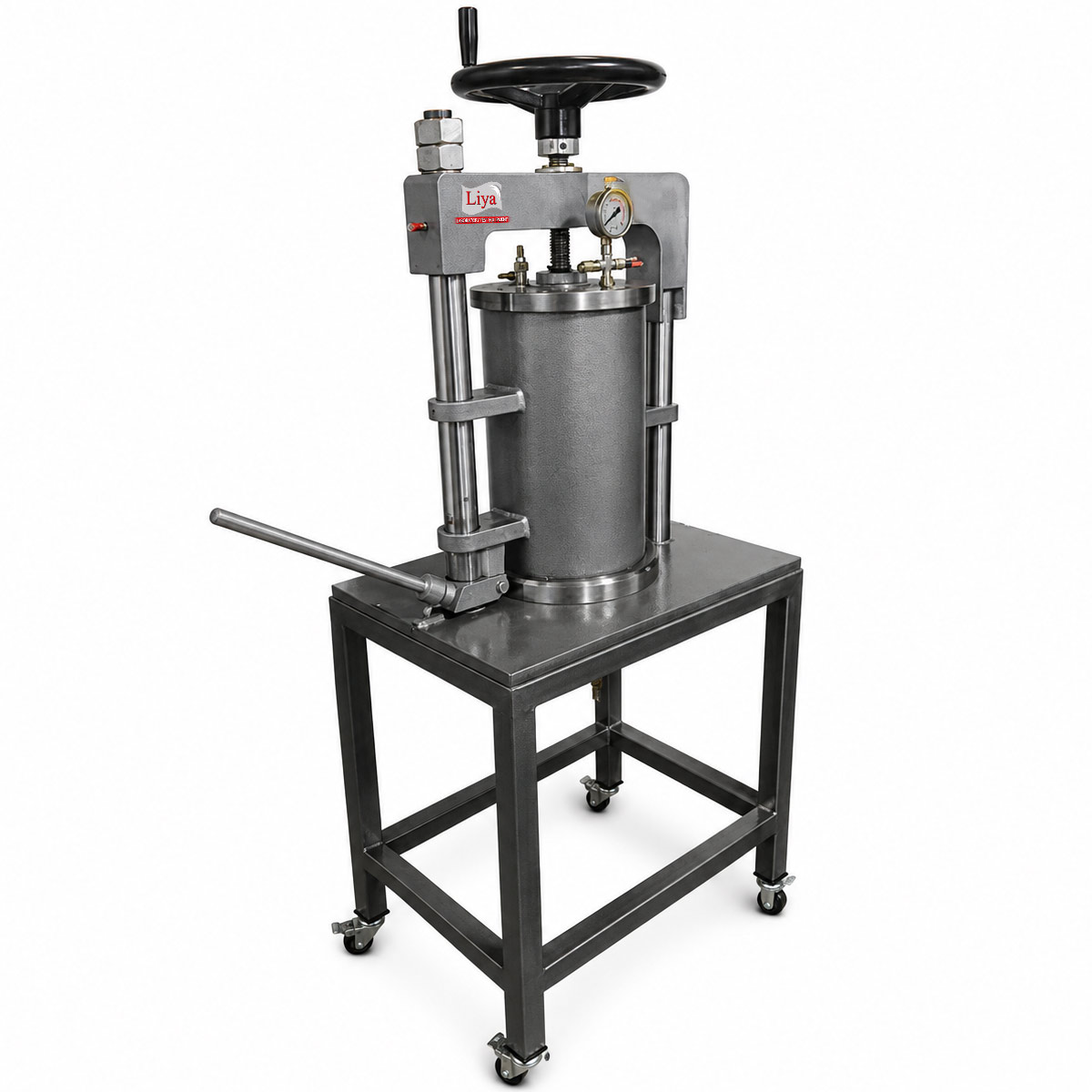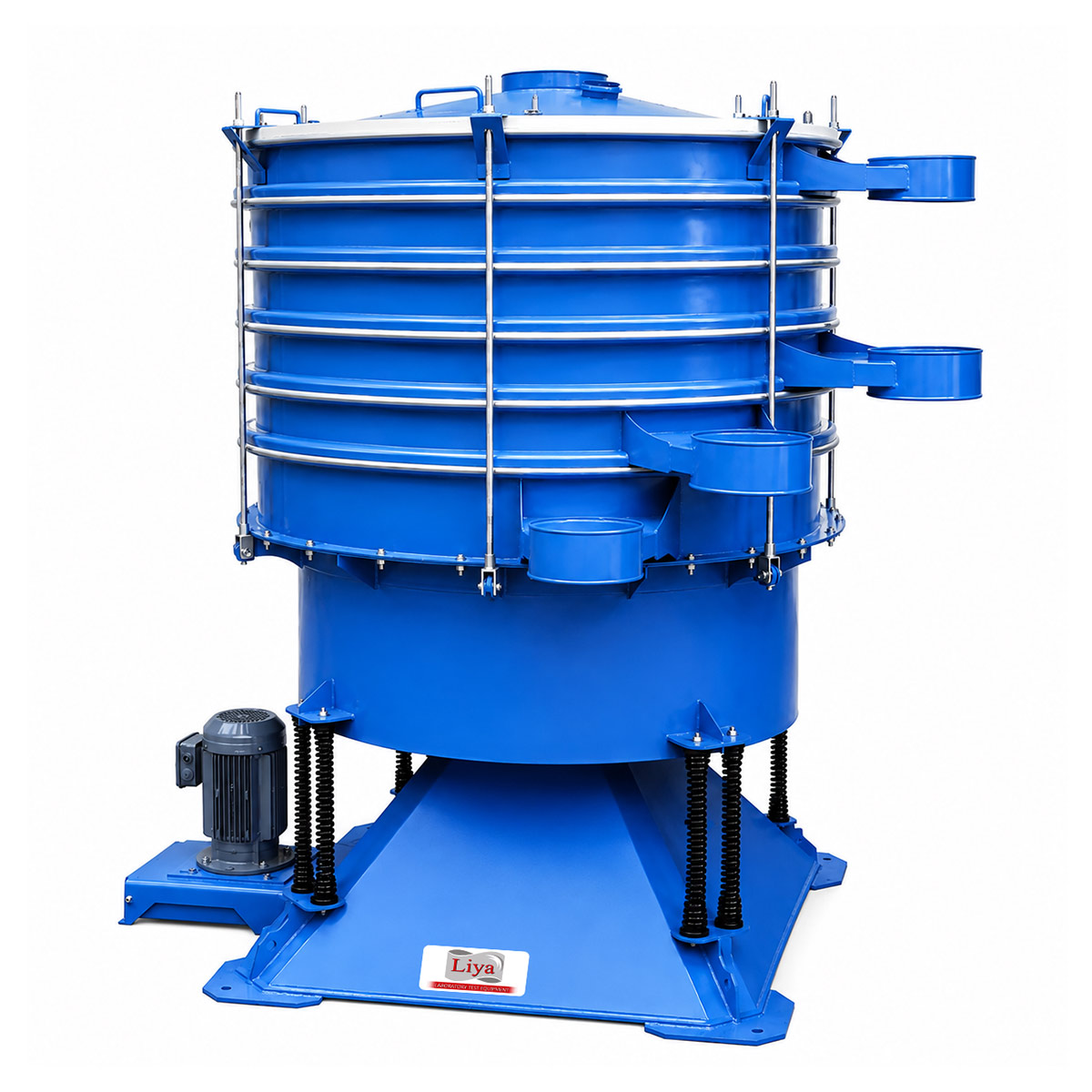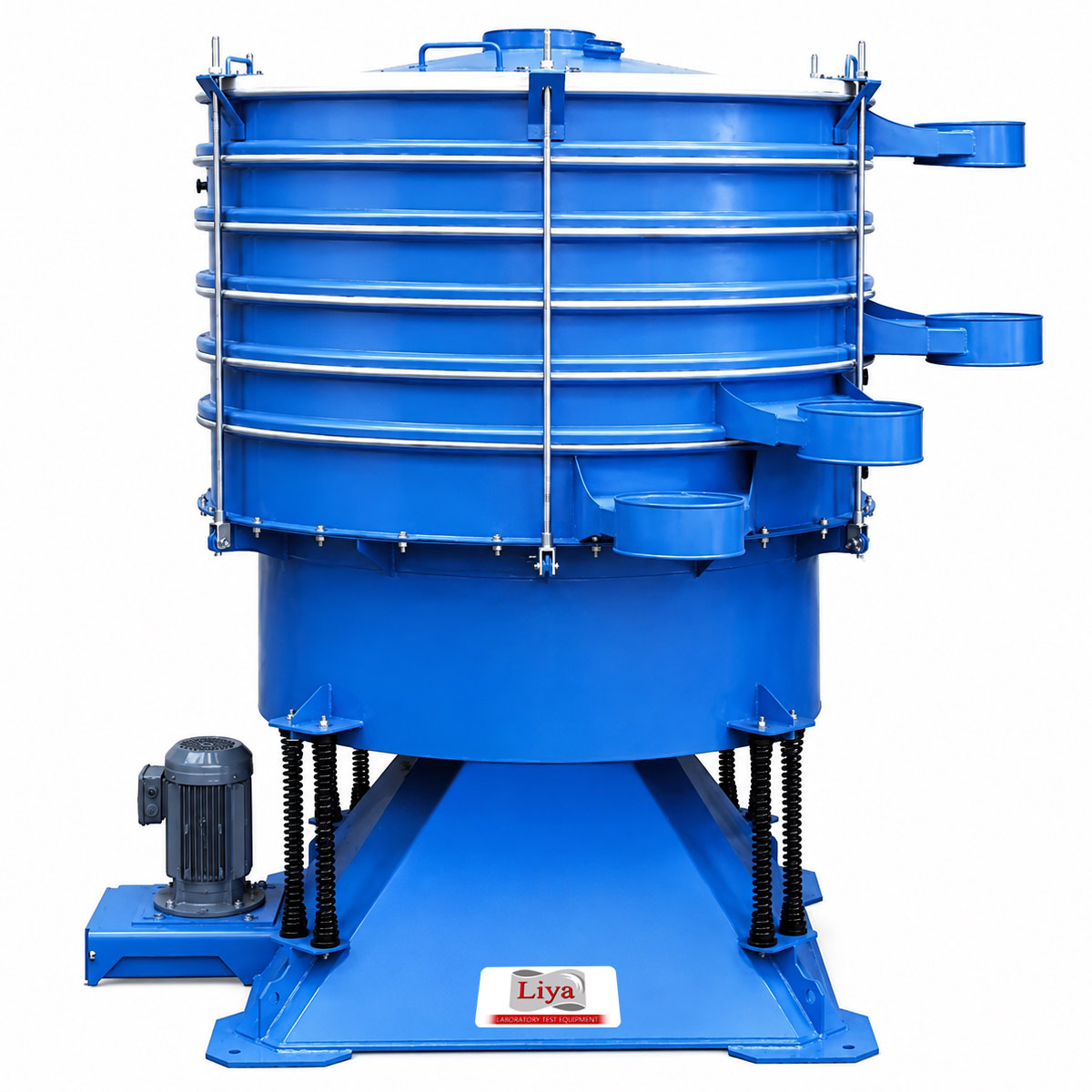
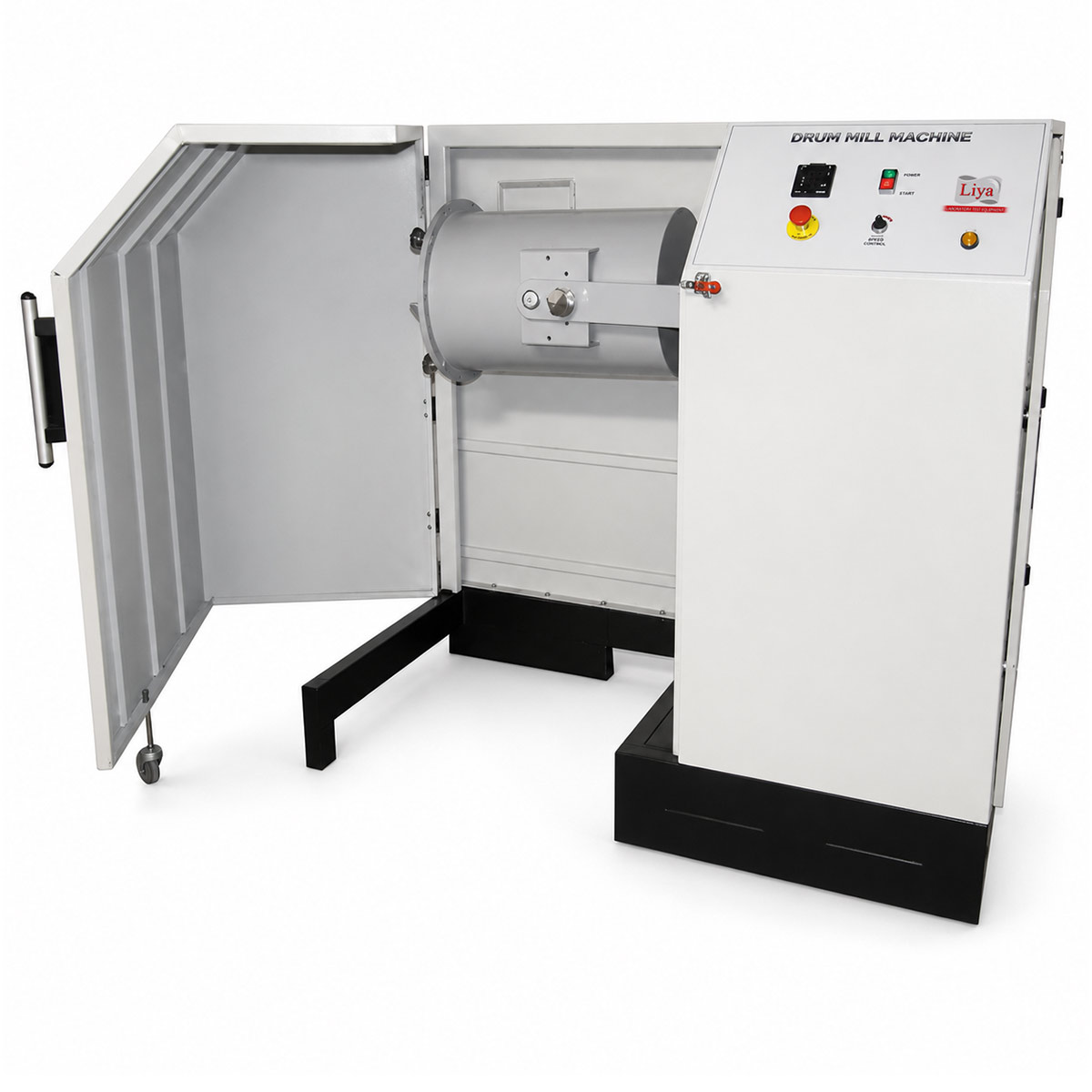
The Drum Mill 50 L is designed for wet and dry grinding of mineral, ore and other solid laboratory samples. By using the appropriate grinding configuration, the unit can operate as either a ball mill or a rod mill. Under suitable operating conditions, a typical final fineness below 20 µm can be achieved.
- 50 litre capacity: Provides a large grinding volume for laboratory and pilot-scale sample preparation.
- Wet grinding: Suitable for mineral samples processed with an appropriate liquid medium.
- Dry grinding: Supports conventional dry grinding applications.
- Ball mill operation: Can operate with suitable grinding balls and the corresponding configuration.
- Rod mill operation: Can also be configured for rod grinding applications.
- Fine grinding performance: Typical final fineness can reach below 20 µm, depending on material and operating conditions.
- Gear motor drive: Transfers controlled rotational movement to the grinding drum.
- Heavy-duty steel frame: Supports the grinding system during operation.
- Outlet hopper: Helps collect processed material after grinding.
- Separation screens: Assist in separating grinding media from the processed sample.
- Sample collector: Collects discharged material in a controlled manner.
- Quick-release locking system: Allows easier access to the drum for sample removal and cleaning.
- Power supply: Operates with 220 V, 50 Hz electrical supply.
| Product Code | Product Name | Capacity (L) | Power Supply |
| LT-A0999 | Drum Mill | 50 | 220 V, 50 Hz |
What Is a Drum Mill 50 L?
The Drum Mill 50 L is designed to grind mineral, ore and other solid laboratory samples before further analysis. The system supports both wet and dry grinding, allowing laboratories to select suitable operating conditions according to the material being processed.
The LT-A0999 provides a 50 litre drum capacity and can be configured for either ball or rod grinding. Therefore, the same machine can support different sample-preparation requirements without requiring completely separate grinding systems.
Liya Test states that a typical final fineness below 20 µm can be achieved under suitable grinding conditions.
Wet and Dry Grinding
The Drum Mill can process materials using either dry or wet grinding methods.
During dry grinding, the sample is placed in the drum without an added liquid medium. This configuration is suitable for many routine mineral and ore preparation applications.
Wet grinding allows the material to be processed together with an appropriate liquid. This approach can support specific mineral-processing and laboratory preparation methods.
The final result depends on the sample properties, grinding time, drum loading and the amount and type of grinding media used.
Ball and Rod Mill Configurations
The LT-A0999 can operate as either a ball mill or rod mill when equipped with the appropriate grinding configuration. Liya Test specifically states that the drum mill can be operated in either mode using the corresponding module.
In ball milling, grinding balls create repeated impact and friction forces as the drum rotates.
Rod milling uses elongated grinding media, producing a different contact pattern inside the drum. The appropriate configuration depends on the material, initial particle size and required final particle distribution.
Typical Final Fineness Below 20 µm
Liya Test states that the Drum Mill can typically produce a final fineness of less than 20 microns when sufficient grinding media and suitable operating conditions are used.
However, this value should not be considered a guaranteed result for every sample. Mineral hardness, moisture content, initial particle size, grinding time and media loading can significantly affect the final particle size.
Therefore, laboratories should determine appropriate operating parameters experimentally for each material group.
Heavy-Duty Grinding System
The Drum Mill consists of a gear motor mounted on a robust steel frame. The drive system provides the rotational movement required for grinding inside the drum.
The machine also includes an outlet hopper, separation screens and a sample collector. These components help manage the processed material after the grinding cycle and assist in separating the sample from the grinding media.
Quick-Release Drum Access
A yoke and locking mechanism provides access to the grinding drum. The quick-release system allows the drum cover to be removed more easily after operation.
This design simplifies sample discharge and routine cleaning. Proper cleaning is particularly important when different mineral samples are processed consecutively because residual material may cause cross-contamination.
Laboratory and Mineral Processing Applications
The Drum Mill 50 L is suitable for mining laboratories, mineral-processing facilities, universities, research centres and industrial sample-preparation departments.
Its 50 litre capacity, wet and dry grinding capability and interchangeable ball or rod configurations provide flexibility for different laboratory preparation requirements.
Overall, the LT-A0999 Drum Mill 50 L combines large grinding capacity, multiple grinding methods and practical sample collection components. Therefore, laboratories can process mineral and ore samples efficiently while selecting operating conditions according to the material and desired final fineness.