
Wet Washing Sieve
STANDART: ASTM E11
LT-G5007 Wet Washing Sieve | Ø 200×100 mm, 6,3mm Aperture
LT-G5008 Wet Washing Sieve | Ø 200×100 mm, 4,75mm Aperture
LT-G5009 Wet Washing Sieve | Ø 200×100 mm, 2mm Aperture
LT-G5010 Wet Washing Sieve | Ø 200×100 mm, 425µm Aperture
LT-G5011 Wet Washing Sieve | Ø 200×100 mm, 75µm Aperture
LT-G5012 Wet Washing Sieve | Ø 200×100 mm, 63µm Aperture
LT-G6007 Wet Washing Sieve | Ø 300×100 mm, 6,3mm Aperture
LT-G6008 Wet Washing Sieve | Ø 300×100 mm, 4,75mm Aperture
LT-G6009 Wet Washing Sieve | Ø 300×100 mm, 2mm Aperture
LT-G6010 Wet Washing Sieve | Ø 300×100 mm, 425µm Aperture
LT-G6011 Wet Washing Sieve | Ø 300×100 mm, 75µm Aperture
LT-G6012 Wet Washing Sieve | Ø 300×100 mm, 63µm Aperture
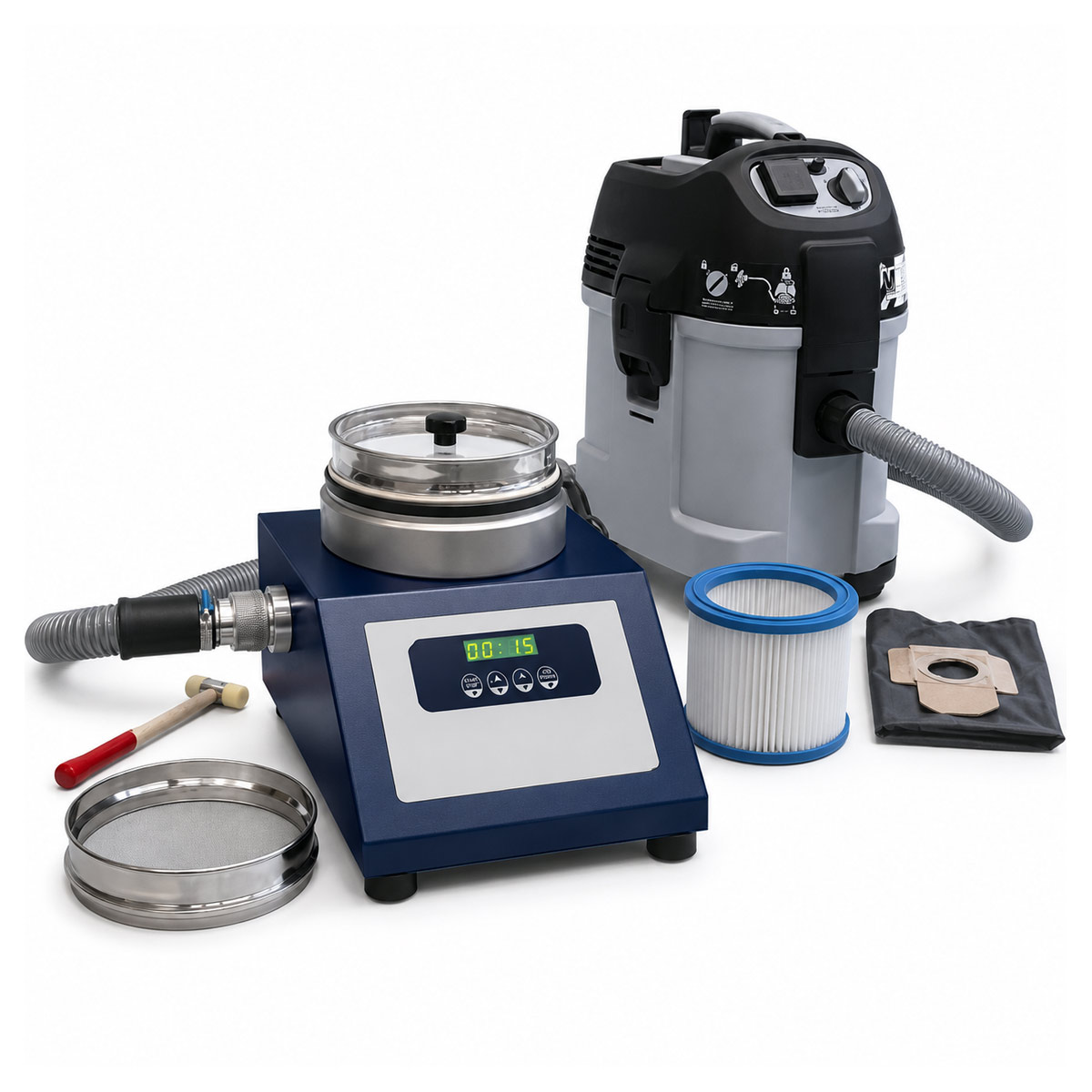
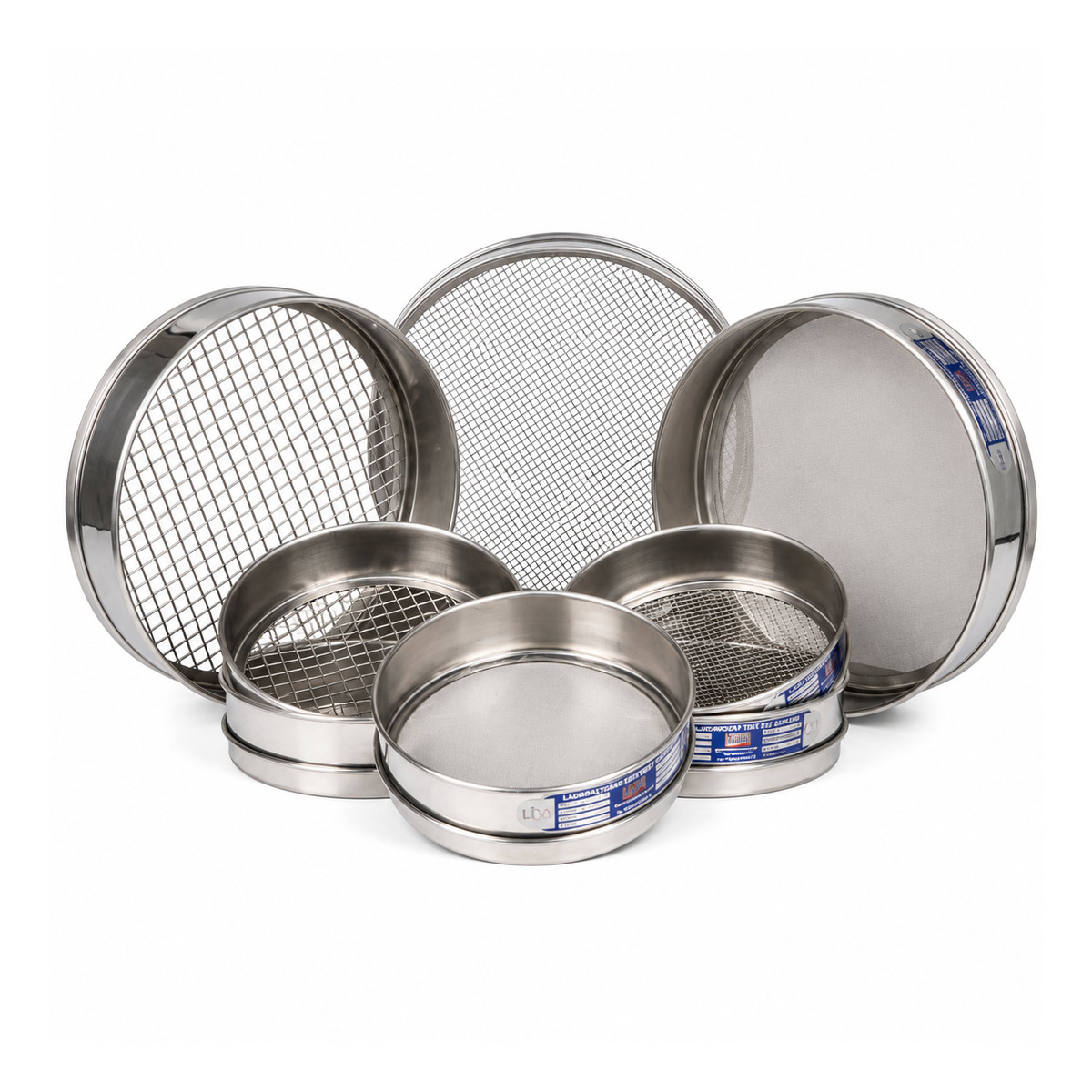
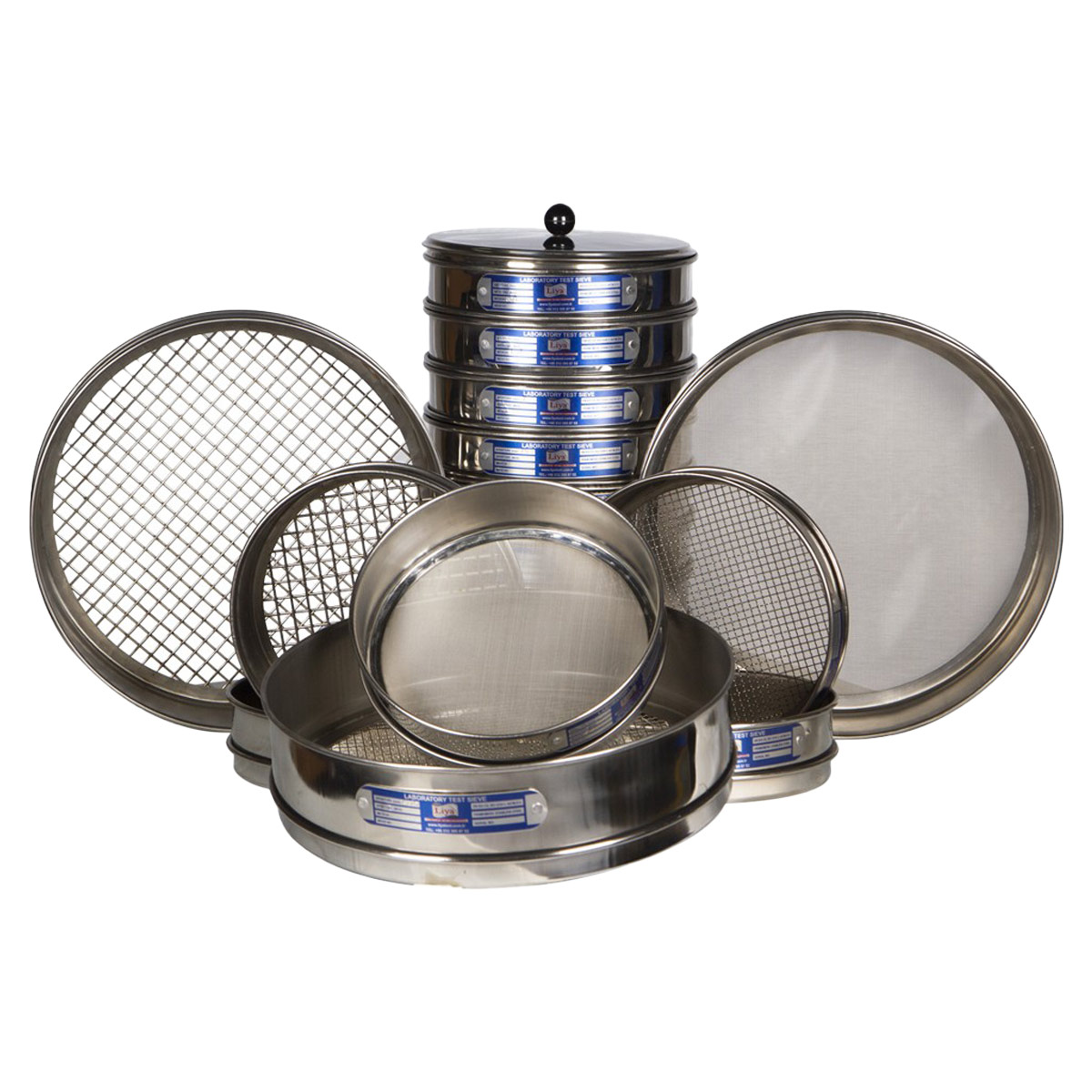
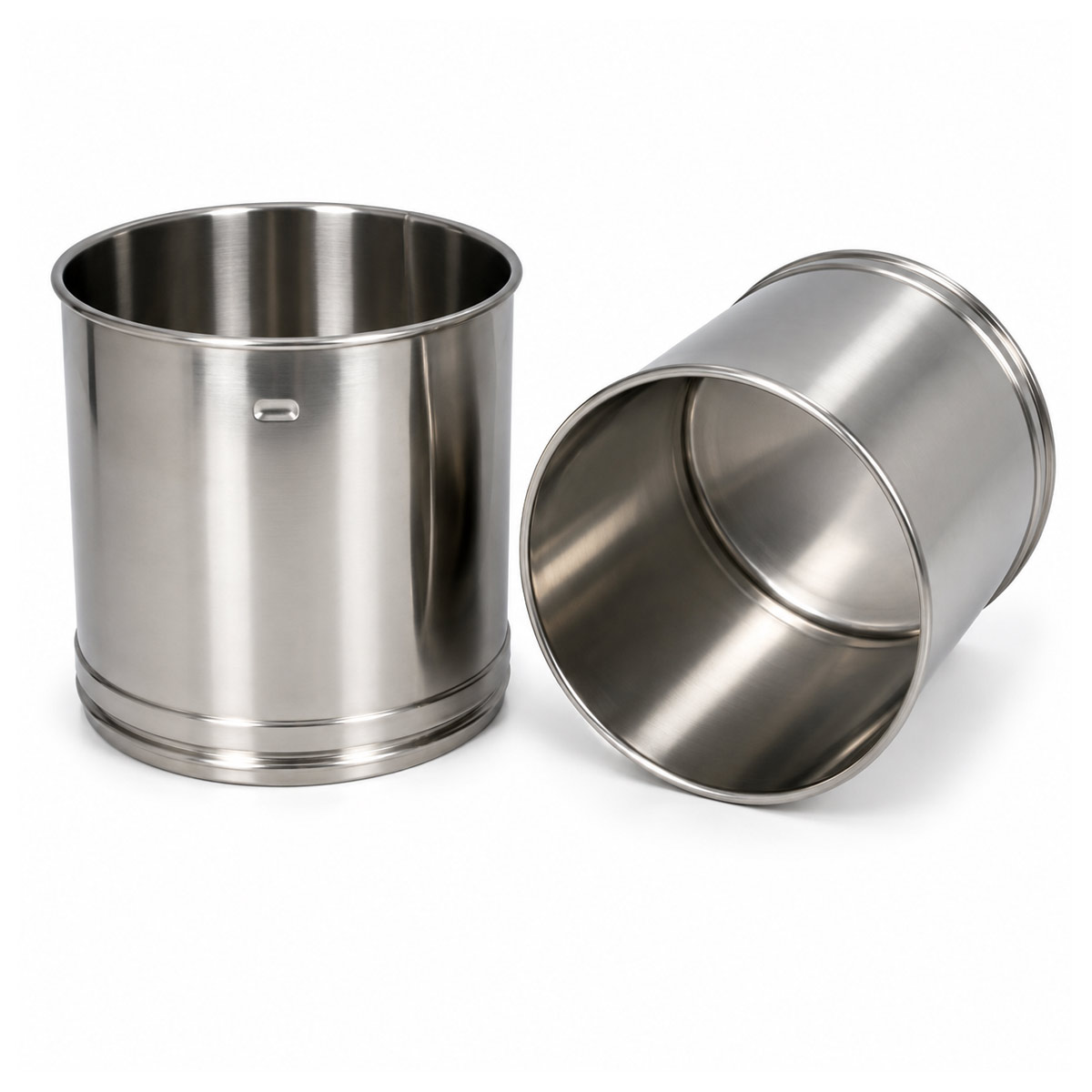
Wet Washing Sieve is designed for wet sieving and washing of aggregate, soil, mineral and similar granular samples. The 100 mm deep stainless steel frame helps retain the specimen during washing, while the stainless steel woven wire cloth allows fine particles to pass through without unnecessary sample loss. The series is available with Ø200 mm and Ø300 mm frame diameters and six different aperture sizes from 6.3 mm to 63 µm.
- Wet Sieving Application: Allows fine particles to be washed through the sieve.
- 100 mm Deep Frame: Helps reduce splashing, overflow and sample loss.
- Stainless Steel Construction: Both frame and woven wire cloth are manufactured from stainless steel.
- Two Frame Diameters: Available in Ø200 × 100 mm and Ø300 × 100 mm.
- Wide Aperture Range: Options from 6.3 mm down to 63 µm.
- 6.3 mm Aperture: Suitable for coarse wet classification.
- 4.75 mm (#4) Aperture: Available in both frame diameters.
- 2 mm (#10) Aperture: Supports intermediate particle separation.
- 425 µm (#40) Aperture: Suitable for finer wet sieving.
- 75 µm (#200) Aperture: Commonly used for fine material separation.
- 63 µm (#230) Aperture: Provides the finest option in this product group.
- Easy Cleaning: Stainless steel surfaces simplify washing after testing.
- Standard: ASTM E11
| Product Code | Product Name | Frame Size (mm) | Aperture Size |
| LT-G5007 | Wet Washing Sieve | Ø200 × 100 | 6.3 mm |
| LT-G5008 | Wet Washing Sieve | Ø200 × 100 | 4.75 mm (#4) |
| LT-G5009 | Wet Washing Sieve | Ø200 × 100 | 2 mm (#10) |
| LT-G5010 | Wet Washing Sieve | Ø200 × 100 | 425 µm (#40) |
| LT-G5011 | Wet Washing Sieve | Ø200 × 100 | 75 µm (#200) |
| LT-G5012 | Wet Washing Sieve | Ø200 × 100 | 63 µm (#230) |
| LT-G6007 | Wet Washing Sieve | Ø300 × 100 | 6.3 mm |
| LT-G6008 | Wet Washing Sieve | Ø300 × 100 | 4.75 mm (#4) |
| LT-G6009 | Wet Washing Sieve | Ø300 × 100 | 2 mm (#10) |
| LT-G6010 | Wet Washing Sieve | Ø300 × 100 | 425 µm (#40) |
| LT-G6011 | Wet Washing Sieve | Ø300 × 100 | 75 µm (#200) |
| LT-G6012 | Wet Washing Sieve | Ø300 × 100 | 63 µm (#230) |

LT_KTS_YIKAMAELEGI