
Cylinder Capping Set
STANDART: TS EN 12390–3, ASTM C31, C192, C617, AASTHO T23, T126
LT-C0031 Cylinder Capping Set
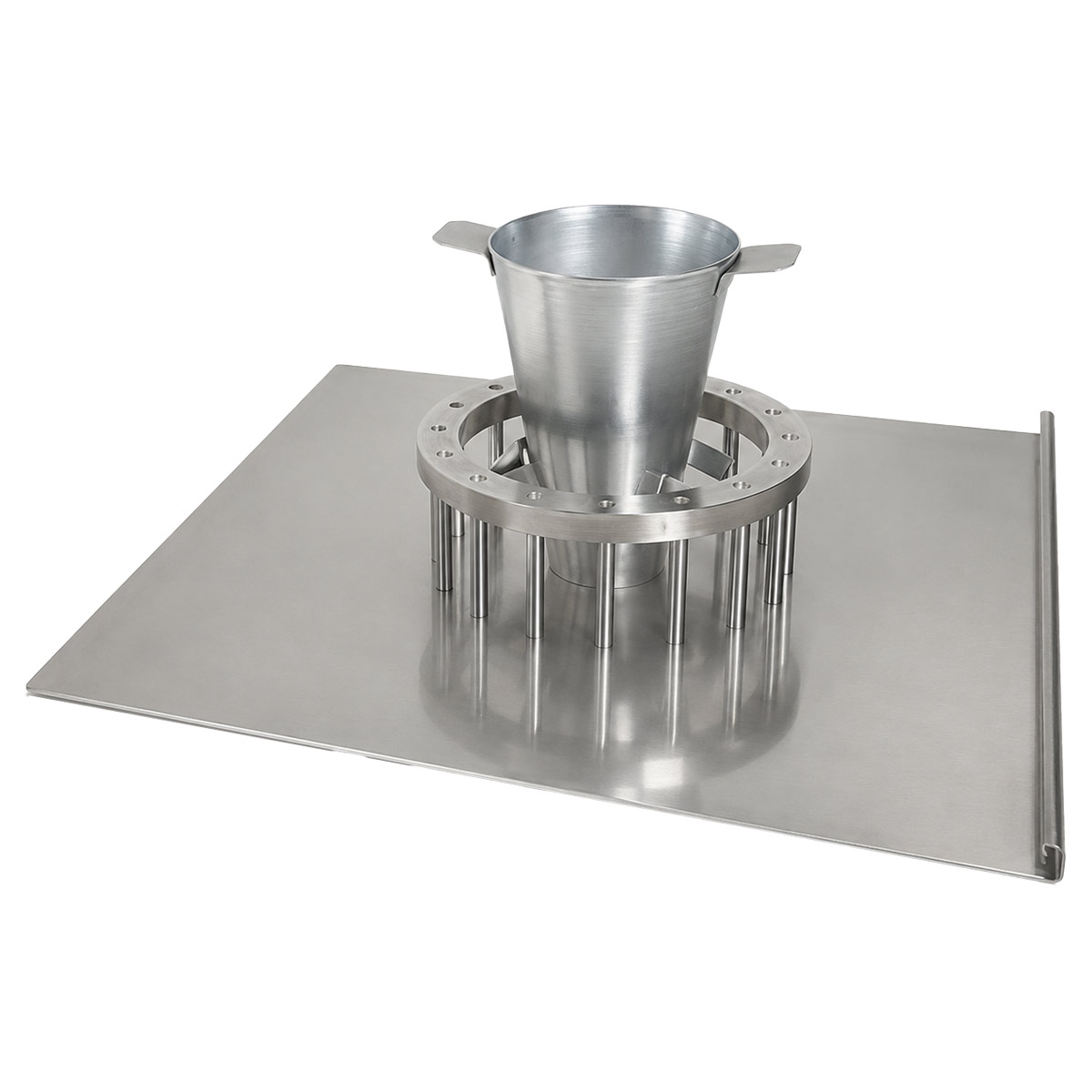
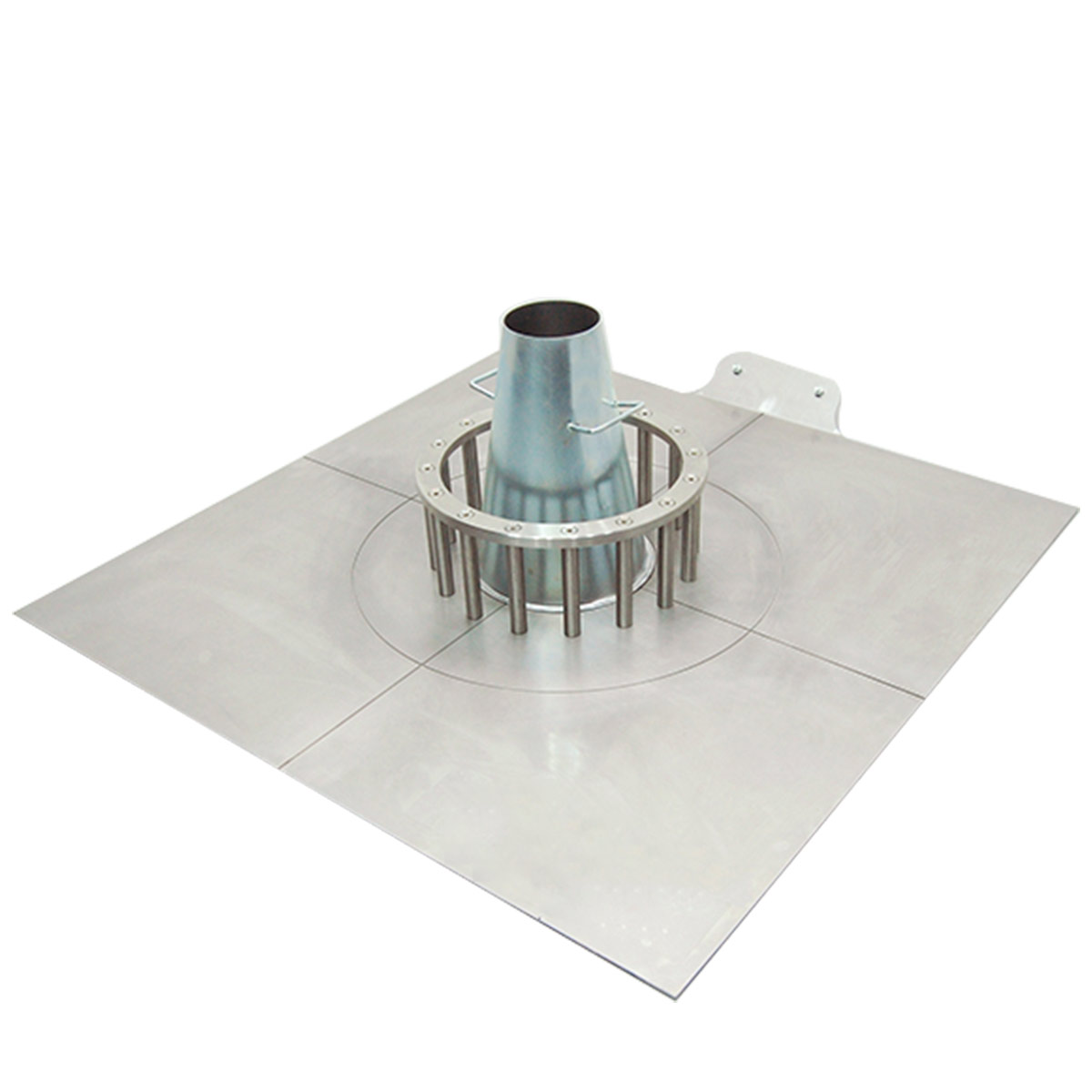
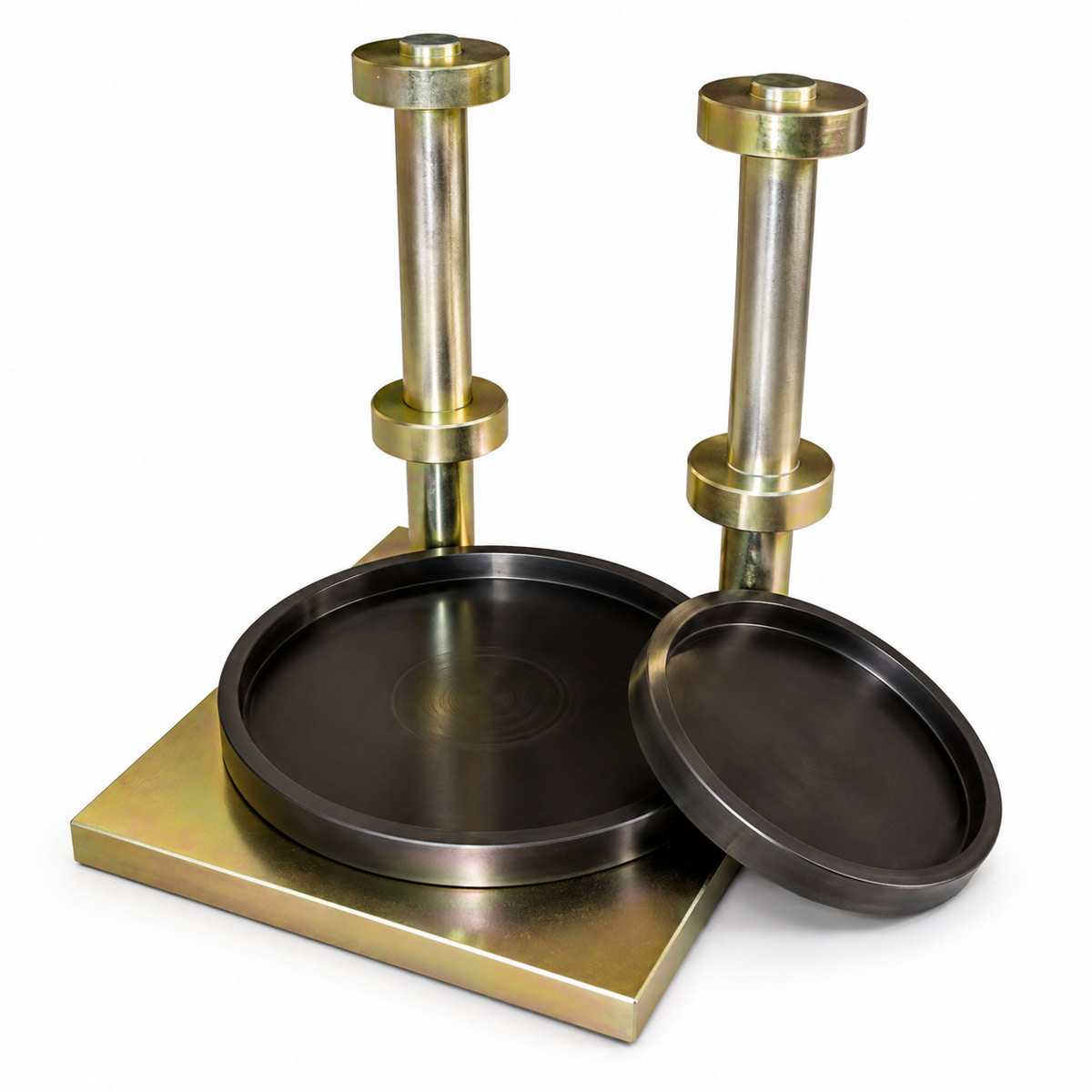
Cylinder Capping Set is designed to prepare flat, parallel and perpendicular end surfaces on concrete cylinder specimens before compression testing. The rigid steel frame helps keep the specimen correctly aligned while the capping material forms a smooth loading surface. This preparation supports more uniform load transfer during compression tests. The LT-C0031 set is suitable for Ø100 mm and Ø150 mm concrete cylinders, while an Ø75 mm base plate is available optionally.
- Product Code: LT-C0031
- Product Name: Cylinder Capping Set
- Application: Preparation of concrete cylinder ends before compression testing
- Main Function: Helps create flat and uniform loading surfaces
- Frame Construction: Rigid steel frame
- Alignment: Supports vertical and centred specimen positioning
- Standard Base Plates: Suitable for Ø100 mm and Ø150 mm cylinders
- Optional Base Plate: Ø75 mm
- Overall Dimensions: 20 × 20 × 30 cm
- Approximate Weight: 7.5 kg
- Standards: TS EN 12390-3, ASTM C31, ASTM C192, ASTM C617, AASHTO T23, AASHTO T126
| Product Code | Product Name | Overall Dimensions (cm) | Weight (kg) |
| LT-C0031 | Cylinder Capping Set | 20 × 20 × 30 | 7.5 |

LT_BETON_SILINDIRBASLIKLAMA_
What Is a Cylinder Capping Set?
The Cylinder Capping Set helps prepare flat and uniform end surfaces on concrete cylinder specimens before compression testing. The rigid frame keeps the specimen aligned while the capping material forms a smooth loading surface. As a result, the specimen can sit more evenly between the compression testing machine platens.
Proper end preparation plays an important role in compression testing. Uneven specimen surfaces may concentrate the applied load at limited contact points. This condition can influence the measured result. Therefore, laboratories should prepare cylinder ends carefully before testing.
Rigid Steel Frame
The capping frame consists of a robust steel base and vertical supports. Its rigid construction helps maintain the specimen position throughout the capping process.
In addition, the frame makes it easier to centre the cylinder on the base plate. Correct alignment supports the formation of a cap that remains perpendicular to the specimen axis.
The LT-C0031 has overall dimensions of 20 × 20 × 30 cm and an approximate weight of 7.5 kg. Its compact design also allows convenient use on a laboratory bench.
Base Plates for Different Cylinder Sizes
LİYA Test supplies the set for Ø100 mm and Ø150 mm concrete cylinder specimens. These sizes cover common cylinder dimensions used in concrete testing.
An Ø75 mm base plate is also available as an optional accessory. Therefore, laboratories can adapt the system to smaller specimens when required.
Interchangeable base plates increase flexibility and allow the same frame to support different cylinder dimensions.
How Is a Concrete Cylinder Capped?
First, the operator selects the correct base plate for the specimen diameter. The plate and frame surfaces are then cleaned before use.
Next, the cylinder is positioned vertically within the frame. The operator prepares the appropriate capping material and places it on the base plate. The specimen is then carefully lowered into the material.
The frame helps keep the cylinder centred and vertical while the cap forms. After the capping material reaches sufficient strength, the operator removes the specimen from the apparatus.
The same procedure can then be repeated on the opposite end. Finally, the operator checks the flatness, parallelism and alignment of both capped surfaces.
Use According to ASTM C617/C617M
ASTM C617/C617M covers bonded capping procedures for cylindrical concrete specimens and drilled concrete cores. The standard addresses suitable capping materials and preparation methods used before compression testing.
The Cylinder Capping Set supports this preparation process by providing a stable frame and controlled specimen alignment. However, laboratories must select the appropriate capping compound and follow the applicable test procedure.
Concrete Compression Test Preparation
EN 12390-3 covers the compressive strength testing of hardened concrete specimens. Proper loading surfaces help distribute the applied force more uniformly during the test.
The set also supports specimen preparation workflows associated with ASTM C31, ASTM C192, AASHTO T23 and AASHTO T126, depending on the applicable concrete testing procedure.
Reliable Laboratory Specimen Preparation
The Cylinder Capping Set combines a rigid steel frame, interchangeable base plates and straightforward specimen alignment in one compact system.
As a result, laboratories can prepare concrete cylinders for compression testing in a controlled and repeatable manner. The system helps create flat, parallel and properly aligned loading surfaces, supporting more consistent compression testing procedures.