
Marshall CBR Sample Extruder
STANDART: EN 13286-2, 13286-47, 12697-30; AASHTO T134, T180, T193,
T245; ASTM D698, D1557, D1883, D1559; BS 1377-4, 1924-2, 598-107
LT-U0035 Marshall CBR Sample Extruder
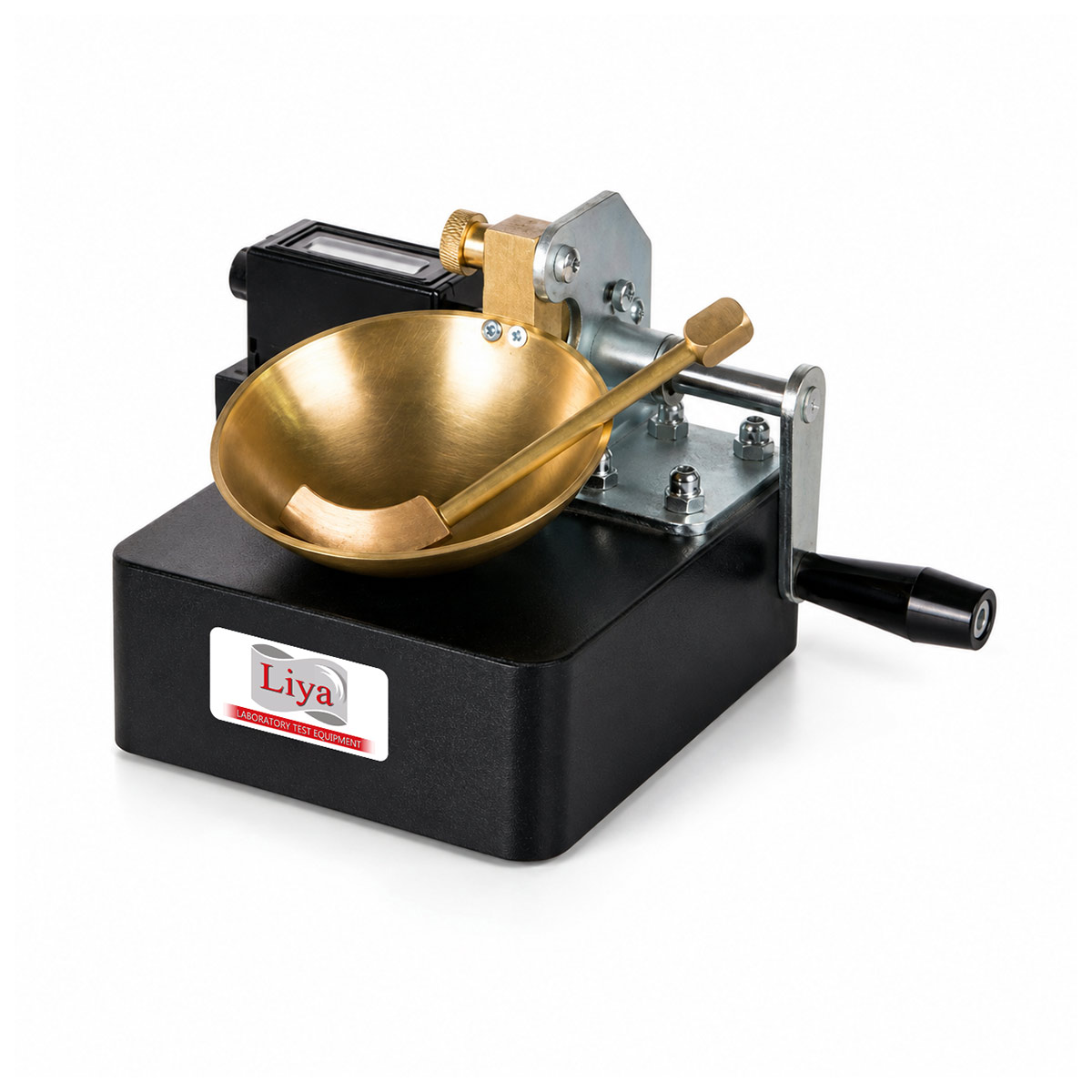
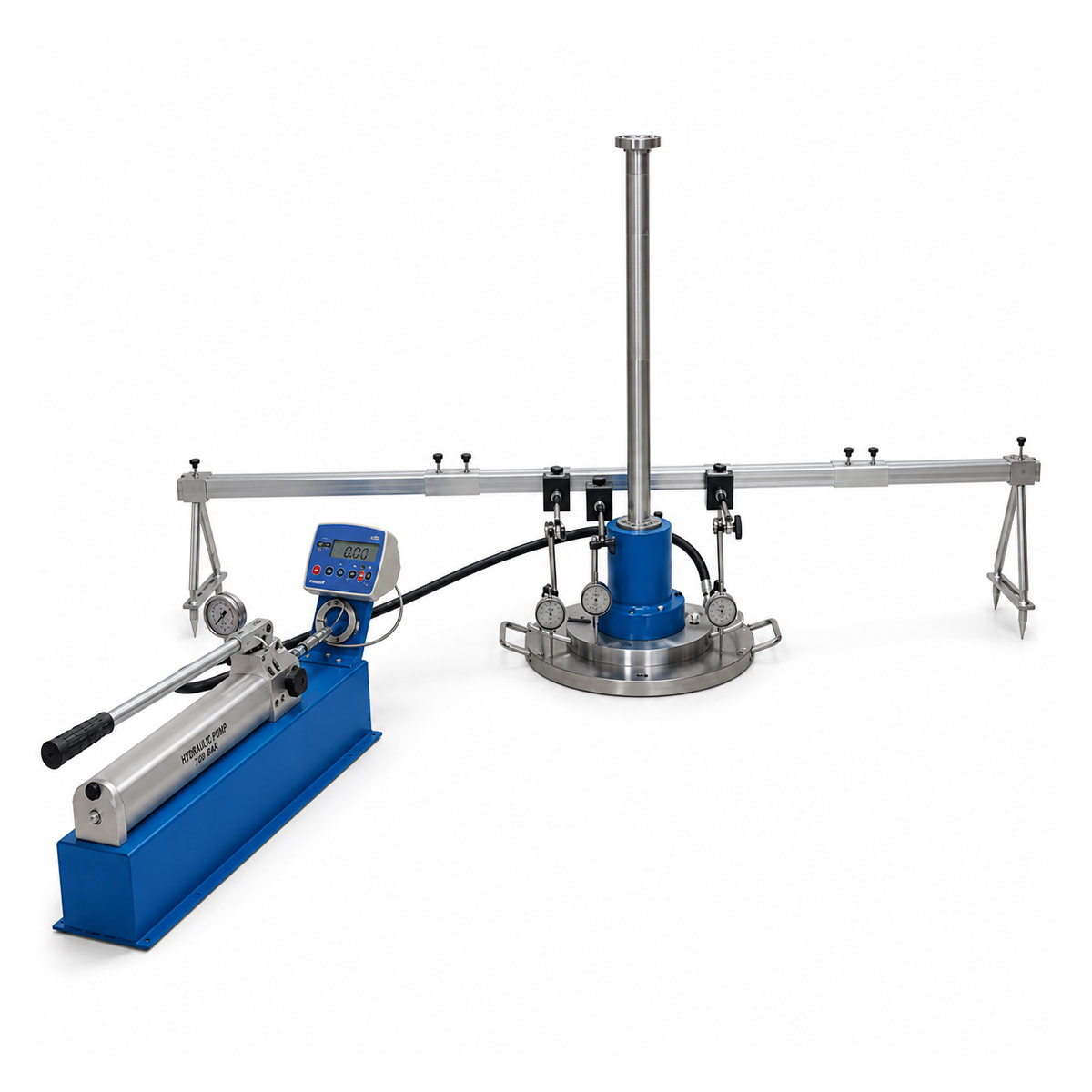
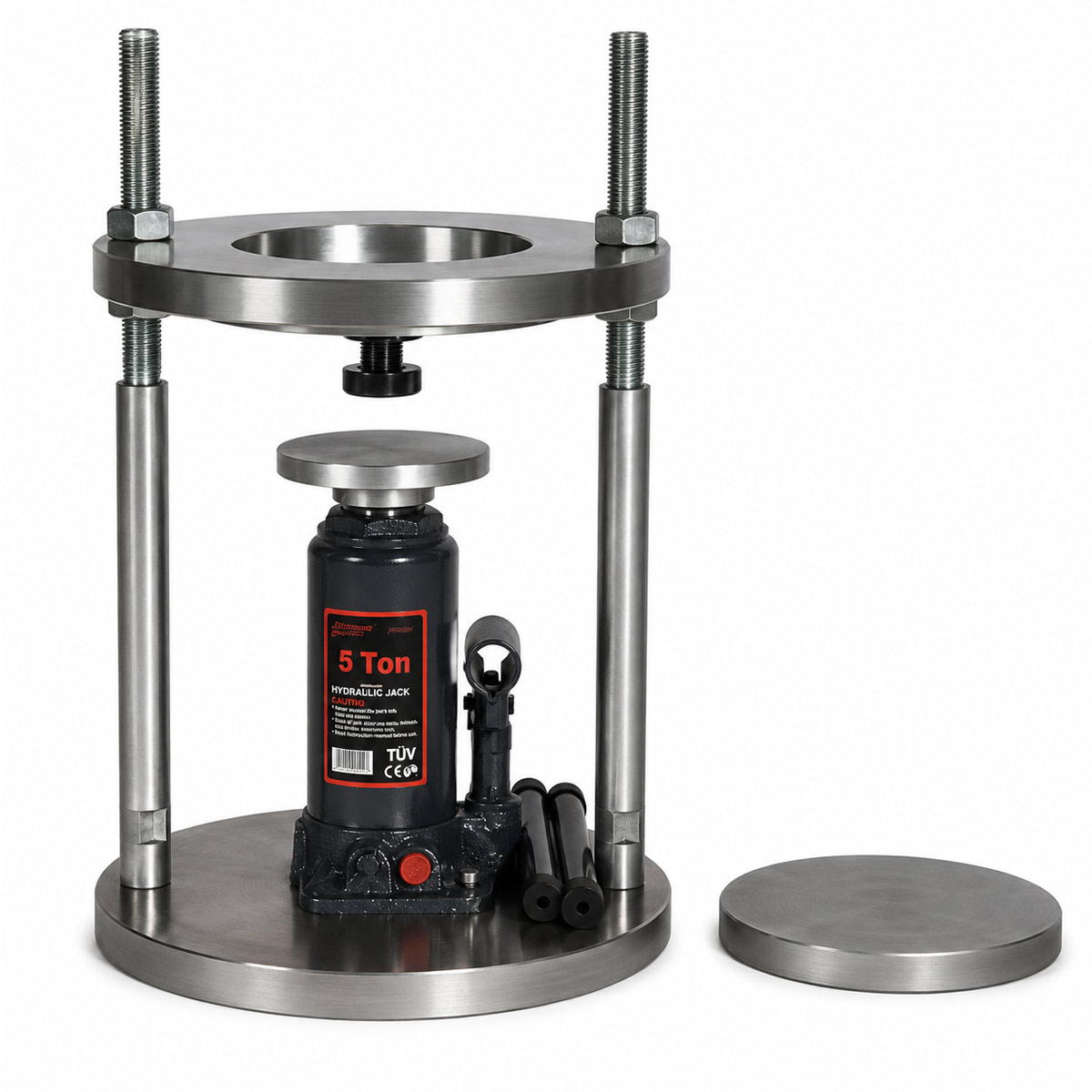
The Marshall CBR Sample Extruder is designed for the controlled removal of compacted Marshall, CBR, Standard Proctor and Modified Proctor specimens from their moulds. A 5 ton capacity manually operated hydraulic jack applies the extrusion force without requiring electrical power. The system is suitable for 4 in, 6 in, approximately 100 mm and 150 mm diameter moulds.
- Marshall specimen extraction: Removes compacted asphalt specimens from Marshall moulds.
- CBR specimen extraction: Supports removal of compacted CBR soil specimens.
- Proctor applications: Suitable for Standard and Modified Proctor specimens.
- 5 ton capacity: Manual hydraulic jack provides controlled extrusion force.
- Manual hydraulic operation: Requires no electrical power supply.
- 4 in mould compatibility: Suitable for approximately 100–102 mm mould systems.
- 6 in mould compatibility: Suitable for approximately 150–152 mm mould systems.
- Controlled extrusion: Pushes specimens axially out of the mould.
- Reduced manual impact: Minimizes the need for hammering or uncontrolled specimen removal.
- Compact laboratory design: Suitable for soil and asphalt testing laboratories.
- External dimensions: Ø30 × 54 cm.
- Approximate weight: 30 kg.
- Product code: LT-U0035.
| Product Code | Product Name | External Dimensions (cm) | Weight (kg) |
| LT-U0035 | Marshall CBR Sample Extruder | Ø30 × 54 | 30 |

What Is a Marshall CBR Sample Extruder?
The Marshall CBR Sample Extruder is a manually operated hydraulic laboratory apparatus used to remove compacted asphalt and soil specimens from their moulds.
Compacted specimens can fit tightly inside their moulds after preparation or testing. Attempting to remove them by hammering or other uncontrolled methods may damage the specimen or make laboratory handling more difficult.
The LT-U0035 applies axial force through a hydraulic system and pushes the specimen gradually out of the mould. The equipment can therefore support Marshall, CBR, Standard Proctor and Modified Proctor specimen preparation workflows.
5 Ton Manual Hydraulic System
The LT-U0035 uses a 5 ton capacity manual hydraulic jack.
The operator activates the jack manually and gradually transfers the force to the specimen. This controlled loading helps move the compacted material along the mould axis.
Because the hydraulic system is manually operated, the device does not require an electrical connection. This also makes installation simple and allows the unit to be positioned wherever specimen extraction is required in the laboratory.
The current LİYA asphalt-product page specifically describes the LT-U0035 as using a 5 ton hand-operated hydraulic jack.
Marshall Specimen Extraction
Marshall asphalt specimens are normally prepared in cylindrical moulds before stability, flow and other mixture evaluations.
The active ASTM D6926-20 standard covers the preparation and compaction of Marshall asphalt mixture specimens with a nominal diameter of 101.6 mm (4 in).
The corresponding European reference BS EN 12697-30:2018 covers specimen preparation by impact compaction and remains current.
Once compaction is complete, the LT-U0035 can be used to push the specimen out of the mould in a controlled manner.
The sample extruder itself does not perform Marshall compaction or Marshall stability testing. It is a specimen handling and preparation accessory used after compaction.
CBR Specimen Extraction
The same equipment can also be used with CBR moulds.
ASTM D1883-21 remains the active ASTM method for determining the California Bearing Ratio of laboratory-compacted soils.
On the European side, BS EN 13286-47:2021 covers laboratory determination of CBR, Immediate Bearing Index and, where applicable, vertical swelling of unbound and hydraulically bound mixtures. The standard is currently active.
AASHTO’s current Materials Book also lists T 193-22 — The California Bearing Ratio.
The LT-U0035 helps remove the compacted specimen from its mould before or after the relevant laboratory workflow requires it.
Standard and Modified Proctor Specimens
The Marshall CBR Sample Extruder is also suitable for specimens compacted in Proctor moulds.
ASTM D698-12(2021) covers laboratory compaction using standard effort.
ASTM D1557-12(2021) covers modified-effort laboratory compaction and remains active.
For road-construction mixtures, BS EN 13286-2:2010 remains current and covers the relationship between water content and dry density using Proctor compaction.
AASHTO’s 2025 Materials Book currently lists T 180-25 for modified soil compaction and T 134-25 for soil-cement moisture-density relationships.
Again, these are related specimen-preparation standards rather than standards directly performed by the extruder.
4 Inch and 6 Inch Mould Compatibility
The LT-U0035 is intended for 4 in and 6 in mould systems, corresponding approximately to the common 100–102 mm and 150–152 mm specimen ranges.
This allows one unit to support several common soil and asphalt laboratory specimen sizes.
The existing LİYA English description lists:
- 4 in
- 6 in
- 100 mm
- 150 mm
as compatible specimen/mould sizes.
This combination makes the device suitable for laboratories performing both asphalt and soil testing.
ASTM D1559 Should Be Removed
One important correction is required on the old product page.
The current standard list contains:
ASTM D1559
However, ASTM officially lists ASTM D1559-89 as withdrawn in 1998 with no replacement.
For current Marshall-related references, it is better to use:
ASTM D6926-20 for Marshall specimen preparation and, where stability and flow testing is relevant, ASTM D6927-22. ASTM lists D6927-22 as the active edition for Marshall Stability and Flow testing.
For this specific product, however, ASTM D6926-20 is the more directly relevant reference, because the sample extruder is associated with compacted Marshall specimen preparation rather than the stability-loading procedure itself.
Compact Laboratory Design
The LT-U0035 has external dimensions of approximately Ø30 × 54 cm and weighs approximately 30 kg according to LİYA’s technical table.
Its compact vertical construction allows it to occupy relatively little laboratory floor or bench space.
Overall, the Marshall CBR Sample Extruder combines a 5 ton manual hydraulic system, multiple mould-size compatibility and compact construction to simplify the removal of Marshall, CBR and Proctor specimens.