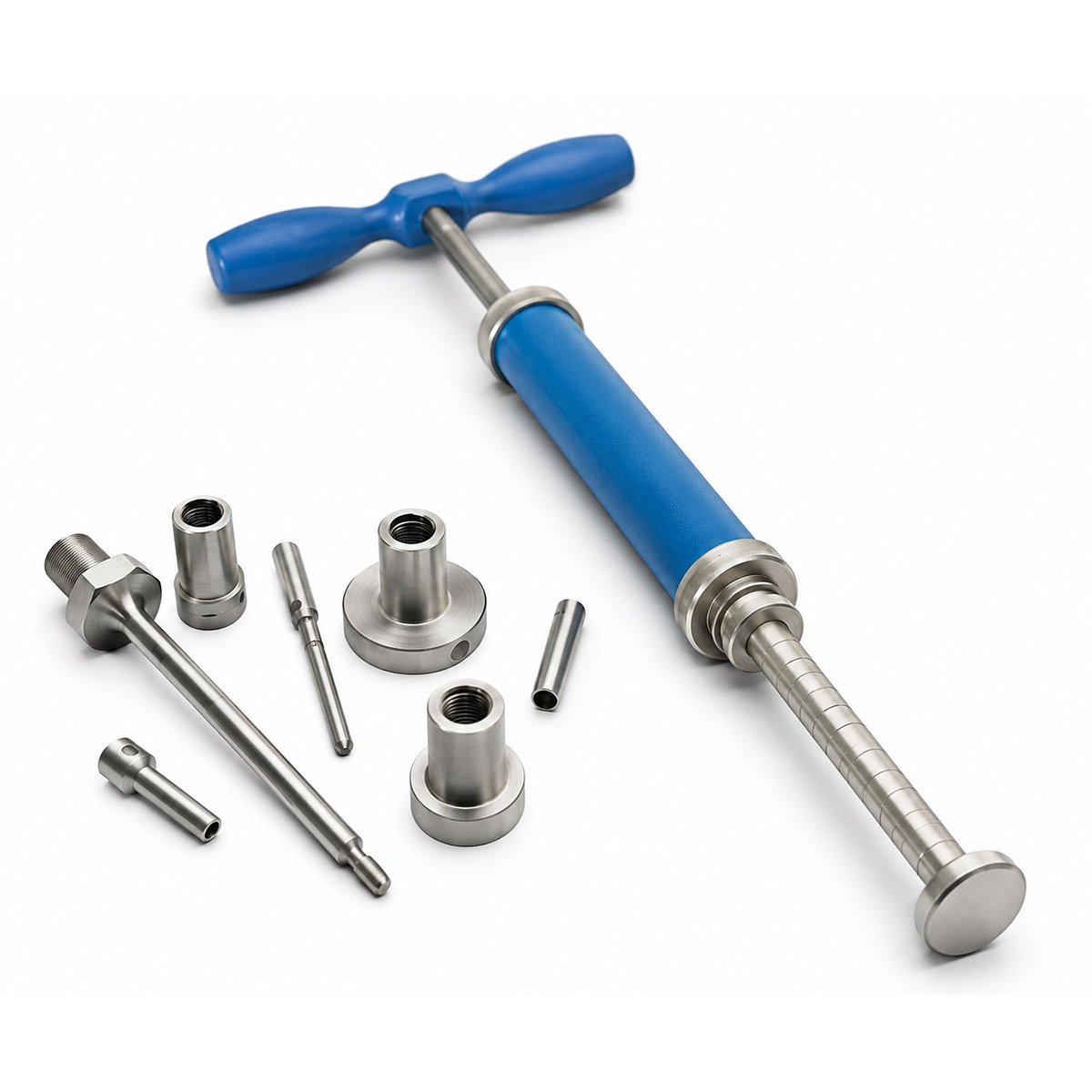

Pocket Vane Shear Test Apparatus
STANDART: ASTM D6951
LT-S0022 Pocket Vane Shear Test Apparatus
The Pocket Vane Shear Test Apparatus is a compact, manually operated device used for the rapid assessment of the approximate undrained shear strength of cohesive soils in the field or laboratory. Its portable design makes it suitable for quick checks on exposed soil surfaces, excavations and samples recovered in thin-walled or Shelby tubes.
- Cohesive soil testing: Suitable for clay and fine-grained cohesive soil evaluation.
- Approximate undrained shear strength: Provides rapid comparative shear-strength measurements.
- Field and laboratory use: Can be used on exposed soil surfaces, excavations and suitable samples.
- Shelby tube applications: Supports quick checks on cohesive samples recovered in thin-walled tubes.
- Handheld operation: Requires no electrical, hydraulic or pneumatic power.
- Portable design: Compact dimensions make transportation between test locations easy.
- Rapid preliminary assessment: Useful before more detailed laboratory testing.
- Fine-grained soil applications: Intended mainly for cohesive clay and silt materials.
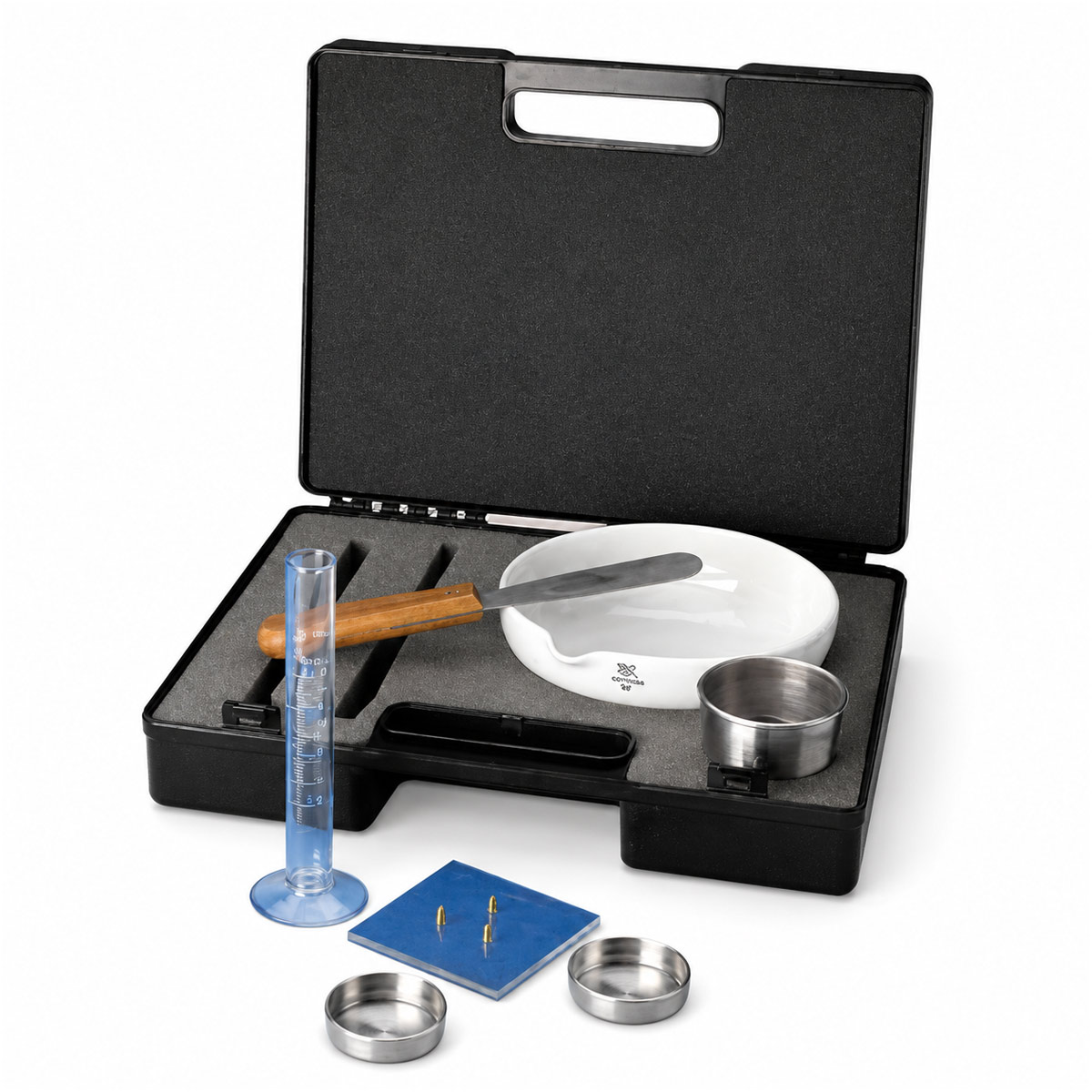
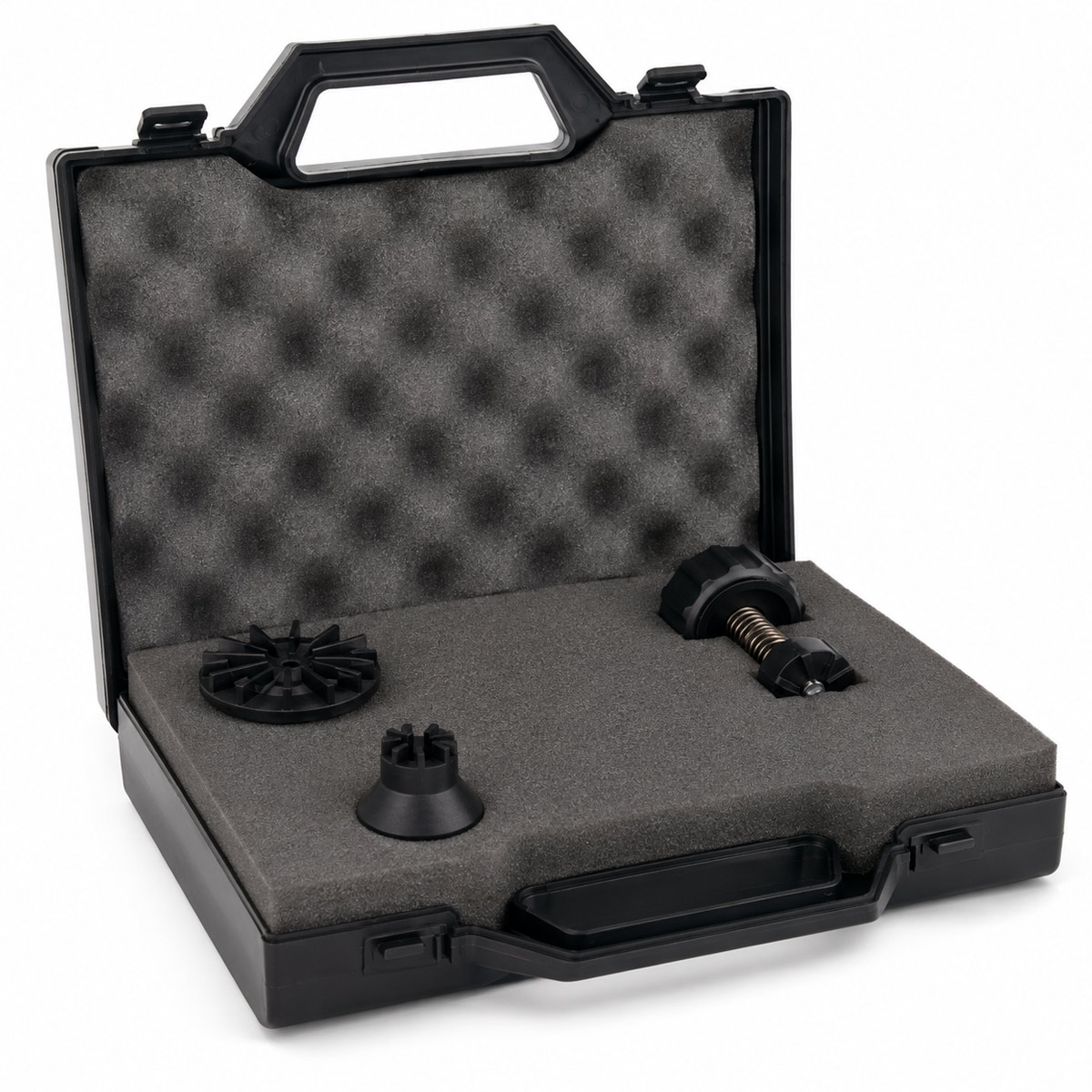
- Plastic carrying case: Supplied in a protective transport case.
- External dimensions: 240 × 210 × 50 mm.
- Approximate weight: 1 kg.
- Product code: LT-S0022.
| Product Code | Product Name | Dimensions (mm) | Weight (kg) |
| LT-S0022 | Pocket Vane Shear Test Apparatus | 240 × 210 × 50 | 1 |

What Is a Pocket Vane Shear Test Apparatus?
The Pocket Vane Shear Test Apparatus is a compact handheld device used to obtain a rapid estimate of the shear strength of cohesive soils.
The instrument is intended mainly for fine-grained clay and cohesive silt materials. Its small size allows the user to perform quick measurements both in the field and in the laboratory without requiring an electrical supply or separate power unit.
The LT-S0022 can be used on exposed soil surfaces, excavations and suitable samples recovered in thin-walled or Shelby tubes.
How Does the Handheld Vane Method Work?
The operator inserts the vane into the cohesive soil and rotates the instrument in a controlled manner.
As the vane turns, the surrounding soil resists the rotational movement. This resistance is related to the shear strength of the material around the vane.
The test therefore provides a rapid approximation of undrained shear strength, rather than a complete geotechnical strength characterization.
The result can be used as a preliminary indication of soil consistency, sample variability or relative strength before more detailed laboratory testing is performed.
ASTM D8121/D8121M-23
The most relevant current ASTM reference for this type of handheld device is ASTM D8121/D8121M-23 — Standard Test Method for Approximating the Shear Strength of Cohesive Soils by the Handheld Vane Shear Device.
ASTM states that the handheld vane method provides a rapid means of measuring the approximate undrained shear strength of fine-grained cohesive soils in either field or laboratory conditions.
The standard specifically allows use:
- in the field,
- in the laboratory,
- on the ends of sample tubes,
- on block samples,
- in excavations,
- and on other suitably confined specimens.
This fits the intended use of the LT-S0022 much better than ASTM D6951.
Suitable Soil Types
The handheld vane method is primarily intended for saturated or near-saturated cohesive soils.
Clay and fine-grained cohesive silt are the main application areas. ASTM notes that materials containing appreciable quantities of silt or fine sand may experience drainage during testing, which can affect the measured result. Coarse particles and heterogeneous materials can also interfere with vane rotation.
For this reason, the user should consider the soil structure before interpreting the reading.
Field and Laboratory Applications
One of the main advantages of the Pocket Vane Shear Test Apparatus is portability.
The user can carry the device directly to an excavation, trench or investigation area and perform quick checks on exposed cohesive soil.
The instrument can also be used on samples returned to the laboratory. Thin-walled tube and Shelby tube samples are particularly useful for comparative checks where the operator wishes to obtain an initial indication of soil consistency before performing more detailed tests.
Relationship with Other Vane Standards
ASTM D2573/D2573M-18 remains active and covers field vane shear testing in saturated fine-grained soils. ASTM also notes that handheld vane testing at shallow depths can fall within its broader field-vane framework.
However, for a compact handheld/pocket device such as LT-S0022, ASTM D8121/D8121M-23 is the cleaner and more specific reference.
For laboratory miniature vane systems, the current standard is ASTM D4648/D4648M-24a. That method is intended for dedicated miniature vane equipment with calibrated torque measurement and therefore should not automatically be claimed for the LT-S0022 unless the exact equipment configuration is verified.
Compact and Portable Construction
The LT-S0022 has external dimensions of 240 × 210 × 50 mm and weighs approximately 1 kg.
The lightweight design makes the device easy to carry between field locations. A plastic carrying case also helps protect the instrument and keep the components together during transportation and storage.
Overall, the Pocket Vane Shear Test Apparatus provides a practical method for rapid, approximate shear-strength assessment of cohesive soils where portability and quick testing are important.