
Lime Reactivity Test Apparatus
STANDART: TS EN 459-2
LT-CE0007 Lime Reactivity Test Apparatus
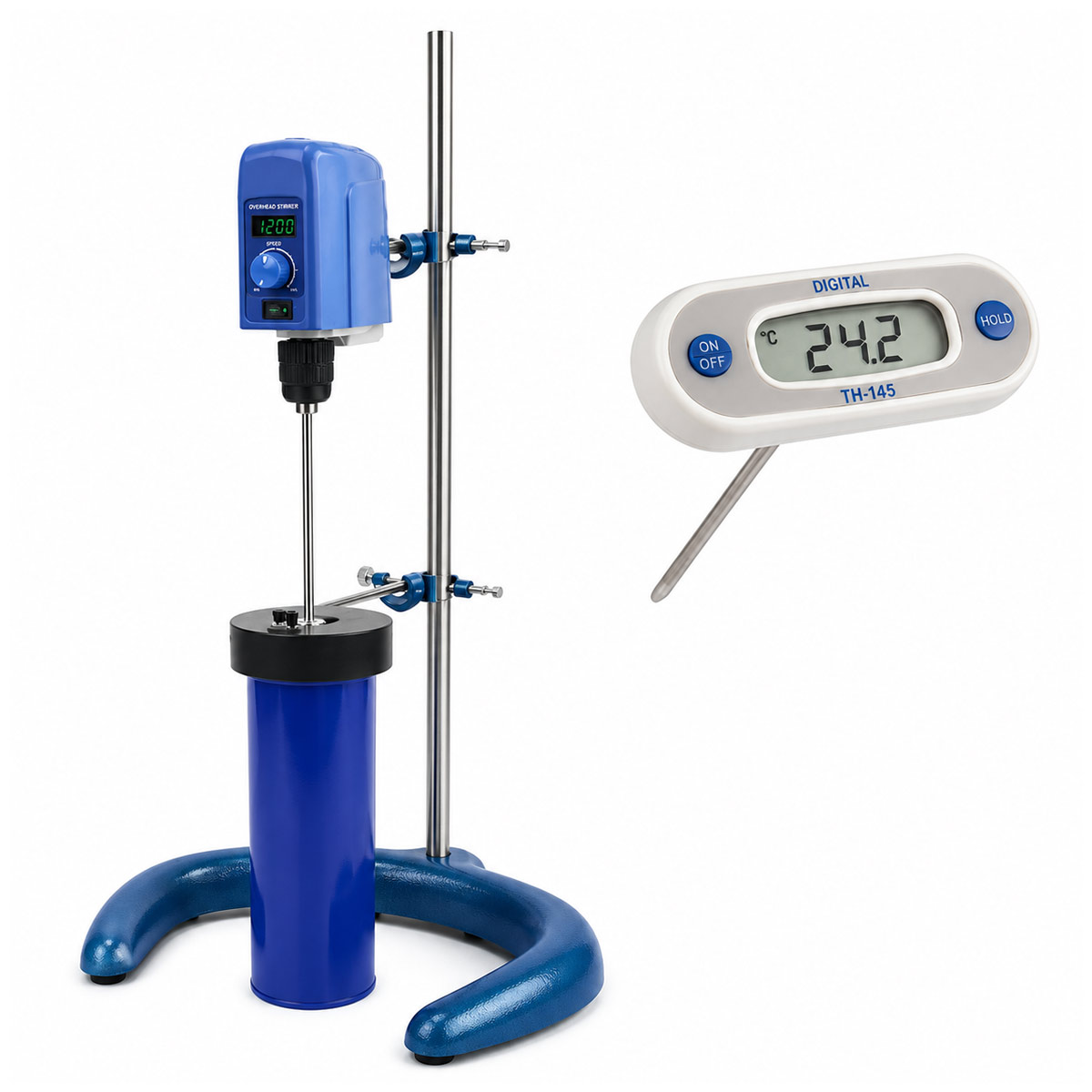
Lime Reactivity Test Apparatus is designed to determine the reactivity of quicklime with water by monitoring the temperature rise during the slaking reaction. The system combines a 1000 ml insulated Dewar vessel, a 300 rpm electric stirrer and a digital thermometer with 0.1 °C resolution. This controlled configuration allows laboratories to compare the reaction behaviour of different quicklime samples under repeatable conditions.
- Quicklime Reactivity Testing: Evaluates the reaction behaviour of quicklime with water.
- Temperature Monitoring: Records the temperature rise during the exothermic slaking reaction.
- Wide Measuring Range: Digital thermometer operates from -50 °C to +200 °C.
- 0.1 °C Resolution: Allows small temperature changes to be monitored clearly.
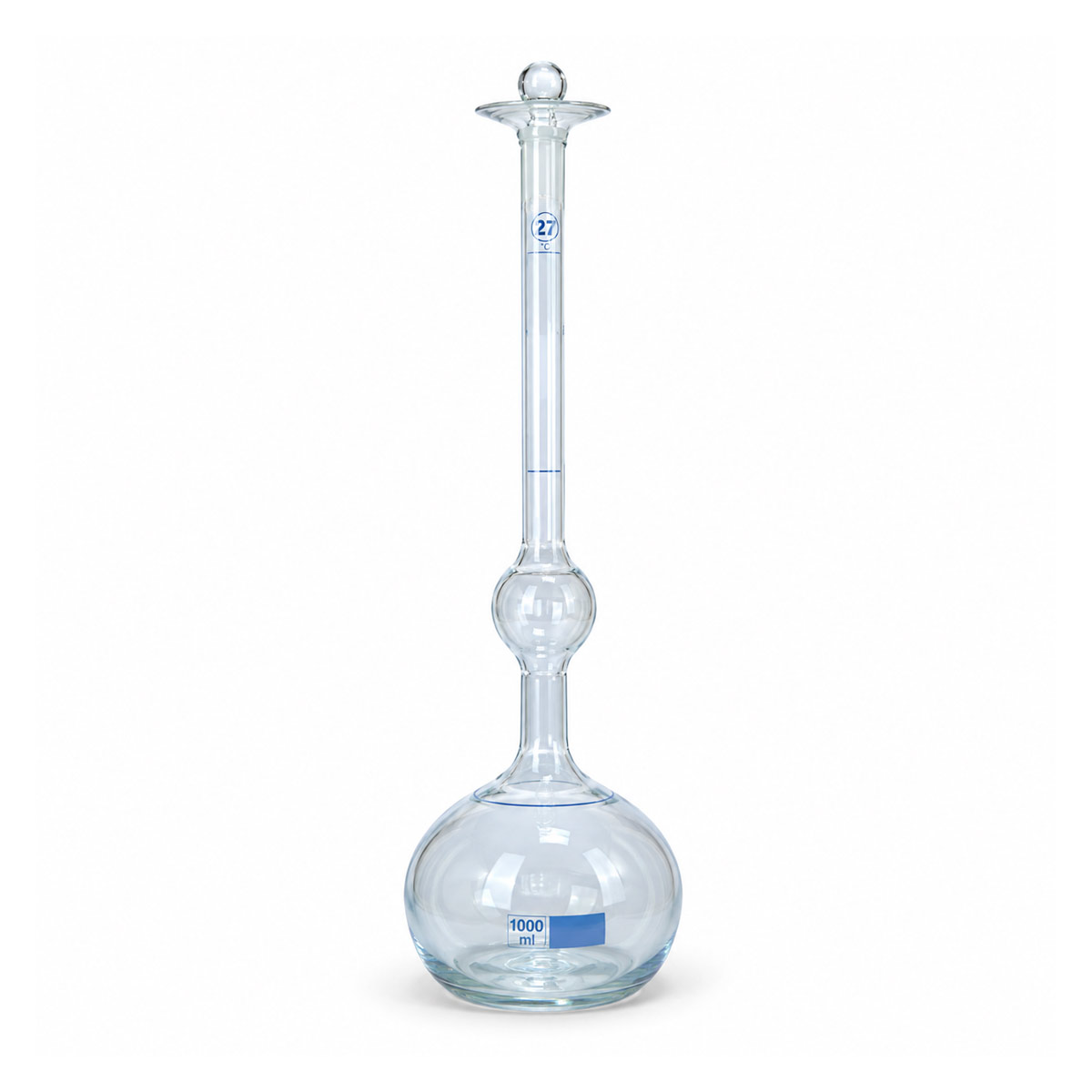
- 1000 ml Dewar Vessel: Highly insulated container reduces heat loss during testing.
- 300 rpm Stirring Speed: Provides consistent mixing of quicklime and water.
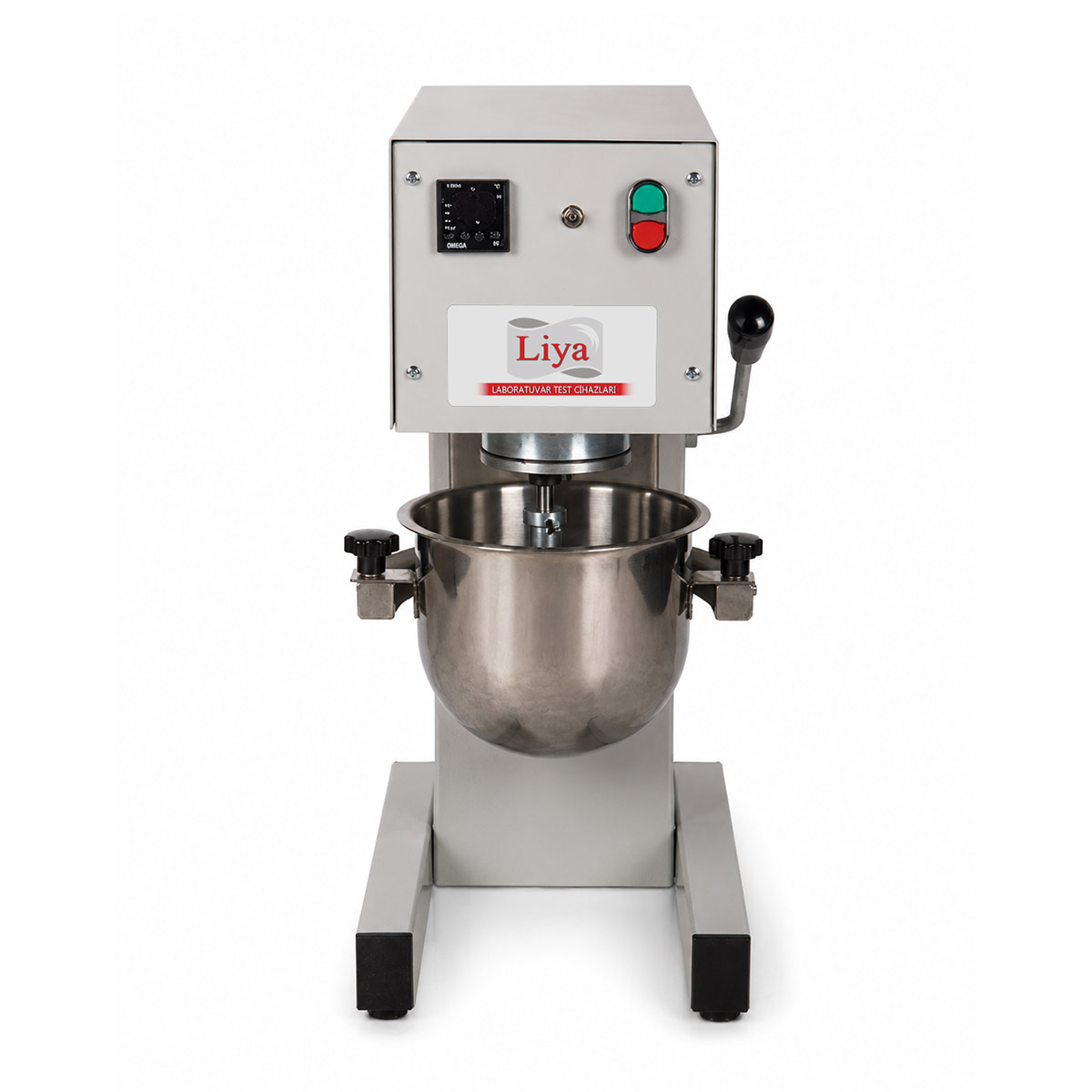
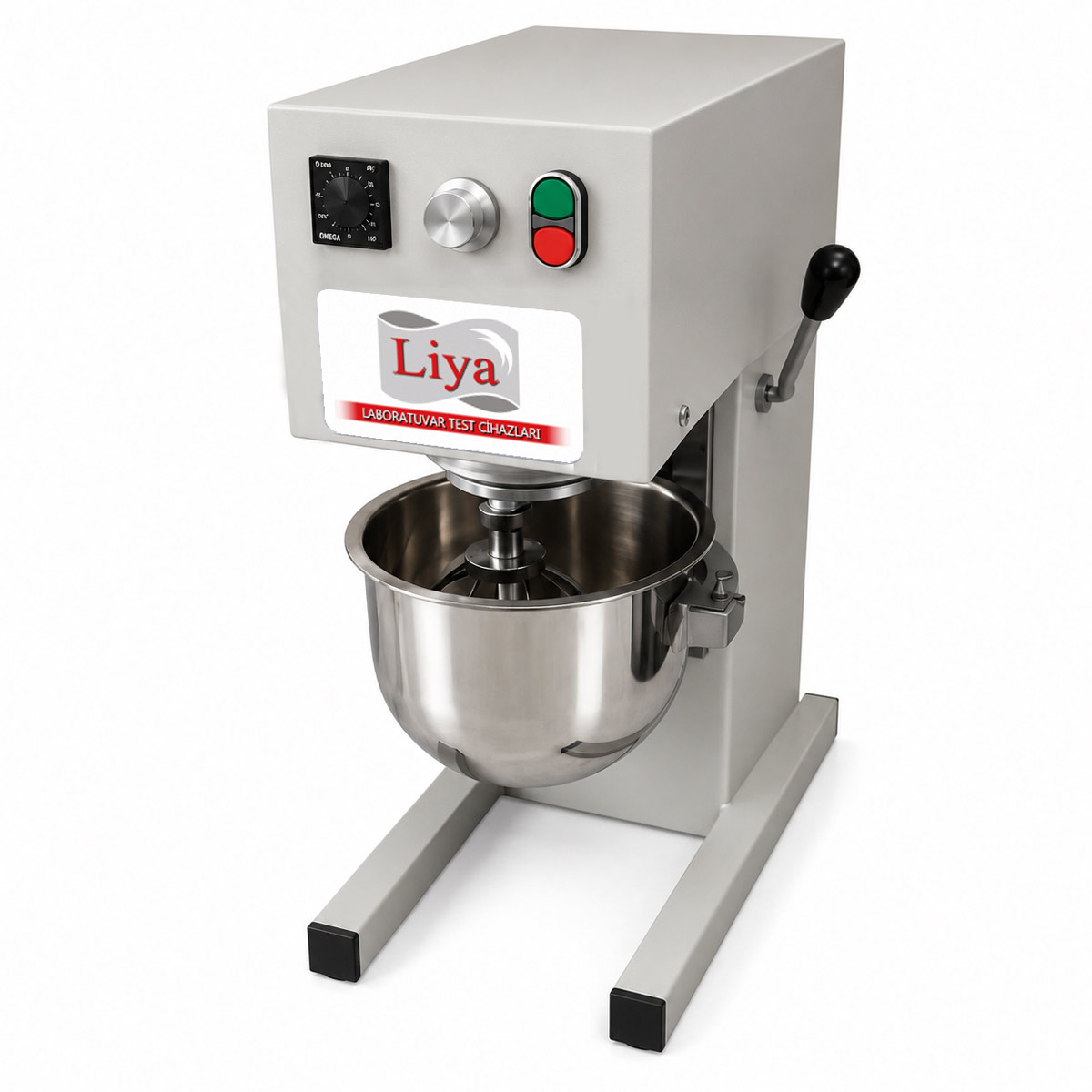
- Electric Stirrer: Maintains uniform mixing throughout the reaction.
- Sealed Lid: Helps reduce heat and vapour loss.
- Complete Test Arrangement: Includes Dewar vessel, support stand, stirrer and paddle mechanism.
- Laboratory Application: Suitable for lime producers, construction-material laboratories and research facilities.
- External Dimensions: 350 × 300 × 800 mm.
- Weight: Approximately 9.5 kg.
- Power Supply: 230 V, 50 Hz, 1 ph.
- Product Code: LT-CE0007.
- Standard: EN 459-2:2021.
| Product Code | Product Name | Dimensions (mm) | Weight (kg) | Power Supply |
| LT-CE0007 | Lime Reactivity Test Apparatus | 350 × 300 × 800 | 9.5 | 230 V, 50 Hz, 1 ph |

LT_CIMENTO_KIRECREAKTIVITE_
Lime Reactivity Test Apparatus for Quicklime Testing
The Lime Reactivity Test Apparatus determines the reaction behaviour of quicklime when it comes into contact with water. Quicklime produces an exothermic reaction during slaking. Therefore, the temperature rises rapidly as the reaction progresses.
The apparatus monitors this temperature increase over time. As a result, laboratories can compare different quicklime samples under controlled and repeatable conditions.
Precise Temperature Measurement
The system uses a digital thermometer with a measuring range from -50 °C to +200 °C. The display provides 0.1 °C resolution, allowing small temperature changes to be followed throughout the reaction.
Accurate temperature monitoring is important because the temperature-time curve provides useful information about quicklime reactivity. A highly reactive sample generally develops heat rapidly. In contrast, less reactive material may show a slower temperature increase.
1000 ml Insulated Dewar Vessel
The apparatus includes a 1000 ml Dewar vessel. Its highly insulated structure limits unnecessary heat transfer between the reaction mixture and the surrounding laboratory environment.
Reducing heat loss helps create more consistent test conditions. The vessel also includes a suitable lid, which further limits heat and vapour escape during the reaction.
300 rpm Mixing System
An electric stirrer operates at a fixed speed of 300 rpm. The dedicated paddle keeps the quicklime and water mixture moving throughout the test.
Consistent mixing is important because uneven contact between the lime and water can influence the measured temperature rise. The fixed stirring speed therefore helps laboratories maintain similar conditions between different tests.
How Is Quicklime Reactivity Evaluated?
First, the operator prepares the required amount of quicklime and water according to the selected procedure. The Dewar vessel is then positioned securely in its stand.
The stirrer is started and the quicklime reacts with the water. The digital thermometer continuously monitors the temperature. The operator records the temperature development over the required test period.
The resulting temperature-time behaviour can then be used to compare the reactivity of different lime samples.
Laboratory and Quality Control Applications
The Lime Reactivity Test Apparatus is suitable for lime production plants, construction-material laboratories and research facilities. It can also support quality-control studies involving quicklime used in construction and soil-treatment applications.
Its compact test arrangement combines controlled mixing, thermal insulation and digital temperature measurement in one system.
EN 459-2:2021 Compliance
EN 459-2:2021 covers test methods for building lime and remains the current European edition. It includes methods used to determine the chemical and physical properties of building lime products.
As a result, the Lime Reactivity Test Apparatus provides a practical system for monitoring quicklime slaking behaviour through controlled mixing and precise temperature measurement.