
Automatic Soil Compactor | EN, ASTM
STANDART: ASTM D558, D559, D560, D698, D1557, D1883; EN 13286-2, 13286-47; BS 1377:4, AASHTO T99, T134, T135, T136, T180, T193; NLT 107/98, 108/91, 111/87; TS 1900-1
LT-S0076 Automatic Soil Compactor| EN, ASTM
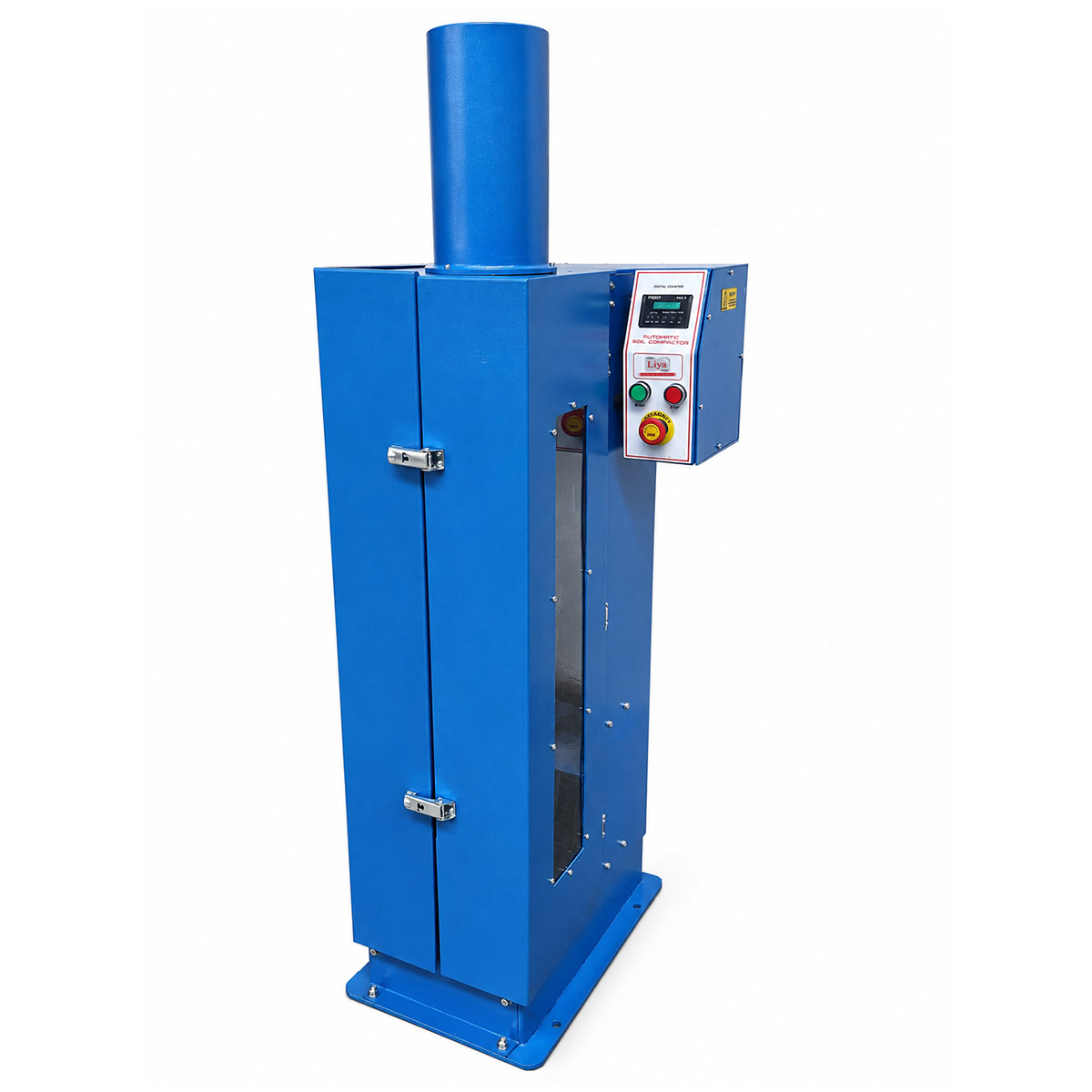
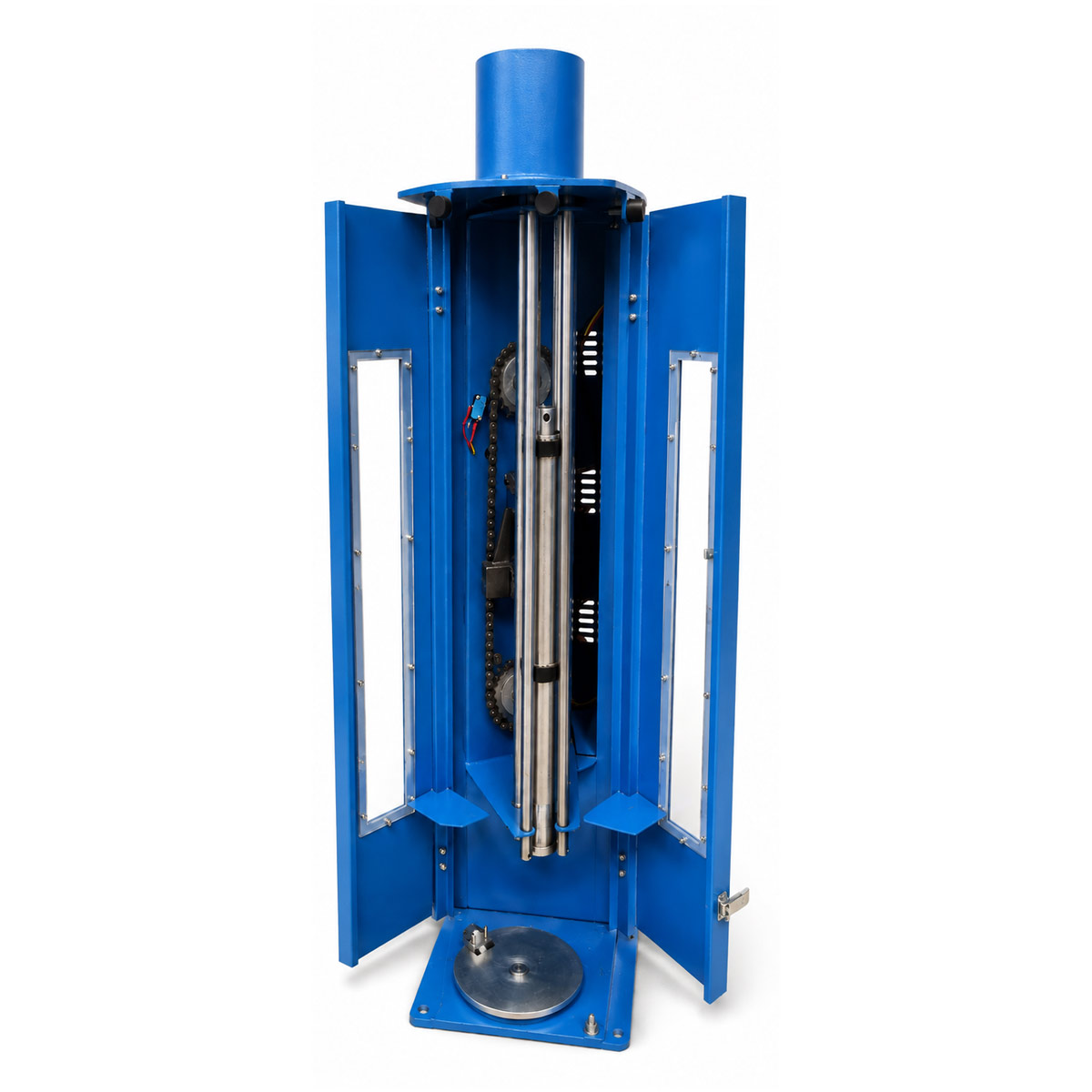
The Automatic Soil Compactor is designed to compact soil specimens automatically and uniformly for Proctor and CBR specimen preparation. The rotating base table distributes rammer blows across the mould surface, while adjustable rammer weight, drop height and programmable blow count allow the system to accommodate different EN, ASTM and related test procedures.
- Automatic soil compaction: Provides controlled and repeatable specimen preparation.
- Proctor and CBR preparation: Suitable for standard Proctor, modified Proctor and CBR moulds.
- Adjustable rammer weight: 2.5 kg or 4.5 kg.
- Interchangeable rammer faces: 50 mm or 50.8 mm (2 in.) diameter.
- Adjustable drop height: 300, 305, 450 or 457 mm according to the selected procedure.
- Rotating base table: Distributes blows uniformly over the specimen surface.
- Single-radius operation: Used for smaller Proctor mould configurations.
- Inner and outer radius operation: Supports uniform compaction of larger moulds and CBR specimens.
- Programmable blow counter: Allows the operator to set the required number of blows per layer.
- Automatic stop: Stops the compaction cycle when the programmed blow count is completed.
- User-defined compaction cycle: Blow number and inner/outer blow distribution can be programmed.
- External dimensions: 640 × 340 × 1500 mm.
- Approximate weight: 110 kg.
- Power supply: 220 V, 50–60 Hz, single phase.
- Product code: LT-S0075.
| Product Code | Product Name | External Dimensions (mm) | Weight (kg) | Power Supply |
| LT-S0075 | Automatic Soil Compactor | 640 × 340 × 1500 | 110 | 220 V, 50–60 Hz, 1 ph |

What Is an Automatic Soil Compactor?
The Automatic Soil Compactor is designed to prepare compacted soil specimens under controlled laboratory conditions. The system is particularly suitable for standard Proctor, modified Proctor and CBR specimen preparation.
Manual compaction can introduce differences in blow position, timing and applied procedure. The automatic system controls the blow sequence and rotates the mould during operation. This helps distribute the compaction energy more uniformly over the specimen surface.
The LT-S0075 supports different rammer weights, face diameters and drop heights so that laboratories can configure the apparatus for several international compaction procedures.
Adjustable Rammer Weight and Drop Height
The apparatus supports 2.5 kg and 4.5 kg rammer weights.
For EN-type configurations, a 50 mm circular rammer face can be used. ASTM configurations use a 50.8 mm (2 in.) circular face.
The drop height can be adjusted to:
- 300 mm
- 305 mm / 12 in.
- 450 mm
- 457 mm / 18 in.
These configurations allow the machine to reproduce both standard and modified laboratory compaction procedures.
ASTM D698-12(2021) specifies standard-effort compaction with a 2.5 kg-class rammer and a 305 mm drop. ASTM D1557-12(2021) specifies modified-effort compaction using the heavier rammer and 457 mm drop. Both remain active ASTM standards.
Rotating Table for Uniform Compaction
The mould is secured to a rigid rotating base table. After each rammer drop, the table moves by a controlled angular increment.
This motion prevents the rammer from repeatedly striking the same point. Instead, blows are distributed over different areas of the specimen surface.
For smaller Proctor moulds, the machine operates on a single-radius pattern. For larger modified Proctor and CBR moulds, the rammer can operate over inner and outer radii, helping produce more uniform compaction across the specimen.
Programmable Blow Counter
The operator can select the number of blows required for each layer before the compaction cycle begins.
The programmable digital counter automatically monitors the completed blows and stops the machine once the selected count is reached.
The advanced control configuration also allows the operator to define the number of inner and outer blows for large moulds. This provides additional control over the blow pattern when preparing CBR and large-diameter specimens. Liya’s English advanced-type description explicitly lists user-defined blow counts and inner/outer distribution.
Proctor Compaction Testing
BS EN 13286-2:2010 specifies laboratory reference density and water-content determination using Proctor compaction for unbound and hydraulically bound mixtures. BSI currently lists the standard as Current, Under Review.
ASTM D698 and ASTM D1557 similarly determine the relationship between moisture content and dry unit weight using standard and modified compactive effort.
The Automatic Soil Compactor does not calculate the moisture-density relationship itself. Instead, it prepares the compacted specimens under the required controlled impact conditions.
CBR Specimen Preparation
The machine can also prepare specimens used for California Bearing Ratio testing.
ASTM D1883-21 covers the CBR determination of laboratory-compacted specimens and remains active.
The current European CBR reference is BS EN 13286-47:2021, which covers California Bearing Ratio, Immediate Bearing Index and linear swelling.
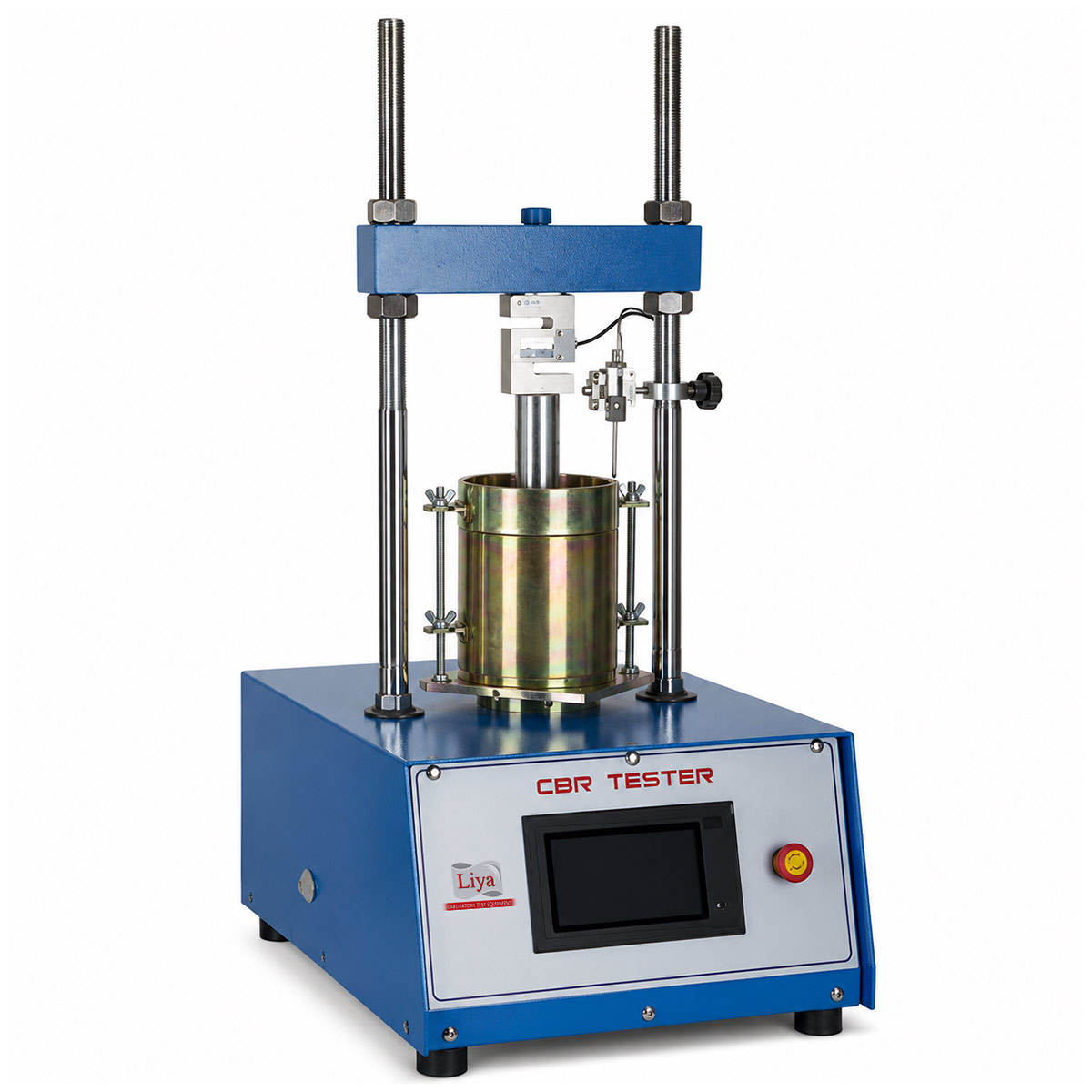
Again, the compactor itself does not perform the penetration/load portion of the CBR test. Its role is to prepare the specimen at the required compaction condition before testing.
Compact Laboratory Configuration
The LT-S0075 has external dimensions of 640 × 340 × 1500 mm and weighs approximately 110 kg.
The machine operates from a 220 V, 50–60 Hz, single-phase electrical supply. Its automatic blow counting, adjustable rammer system and rotating base table make it suitable for routine soil-compaction and specimen-preparation laboratories.
Overall, the Automatic Soil Compactor provides a controlled solution for preparing Proctor and CBR specimens according to different laboratory compaction procedures.