
Constant Head Permeability Test Set
STANDART: ASTM D558, D559, D560, D698, D1557, D1883; EN 13286-2, 13286-47; BS 1377:4, AASHTO T99, T134, T135, T136, T180, T193; NLT 107/98, 108/91, 111/87; TS 1900-1
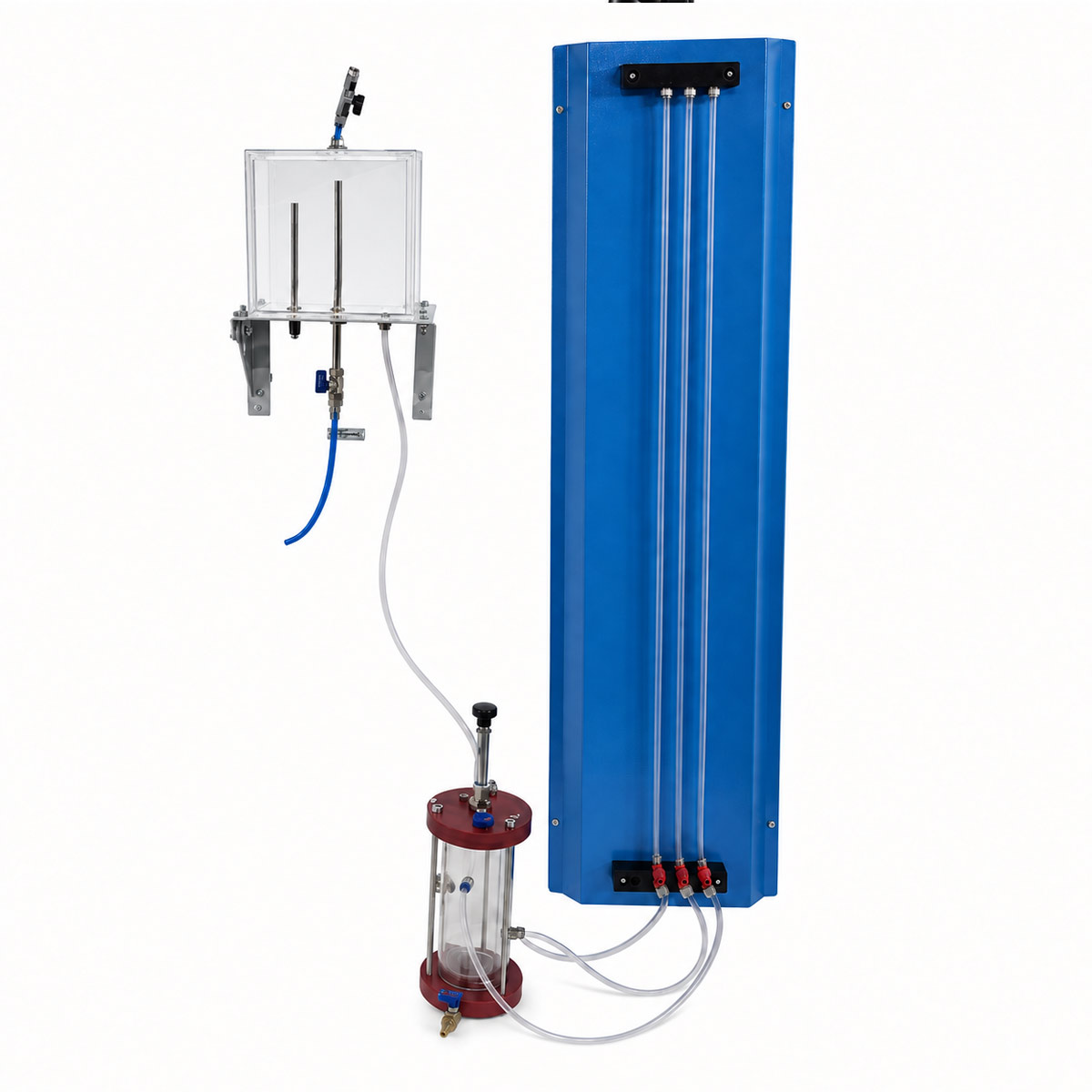
LT-S0135 Constant Head Permeability Test Set| Ø75mm
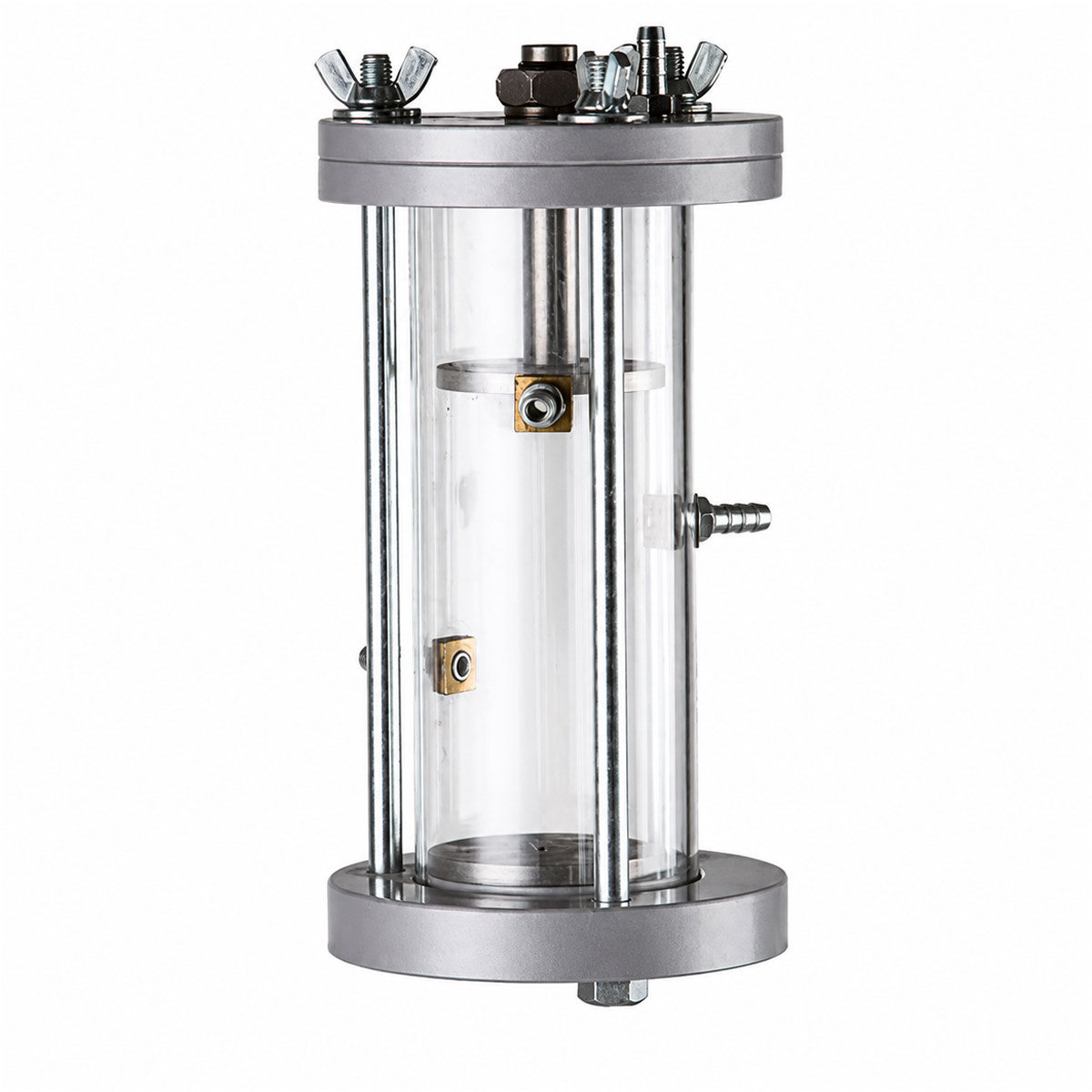
LT-S0135/1 Constant Head Permeability Cell | Ø75mm
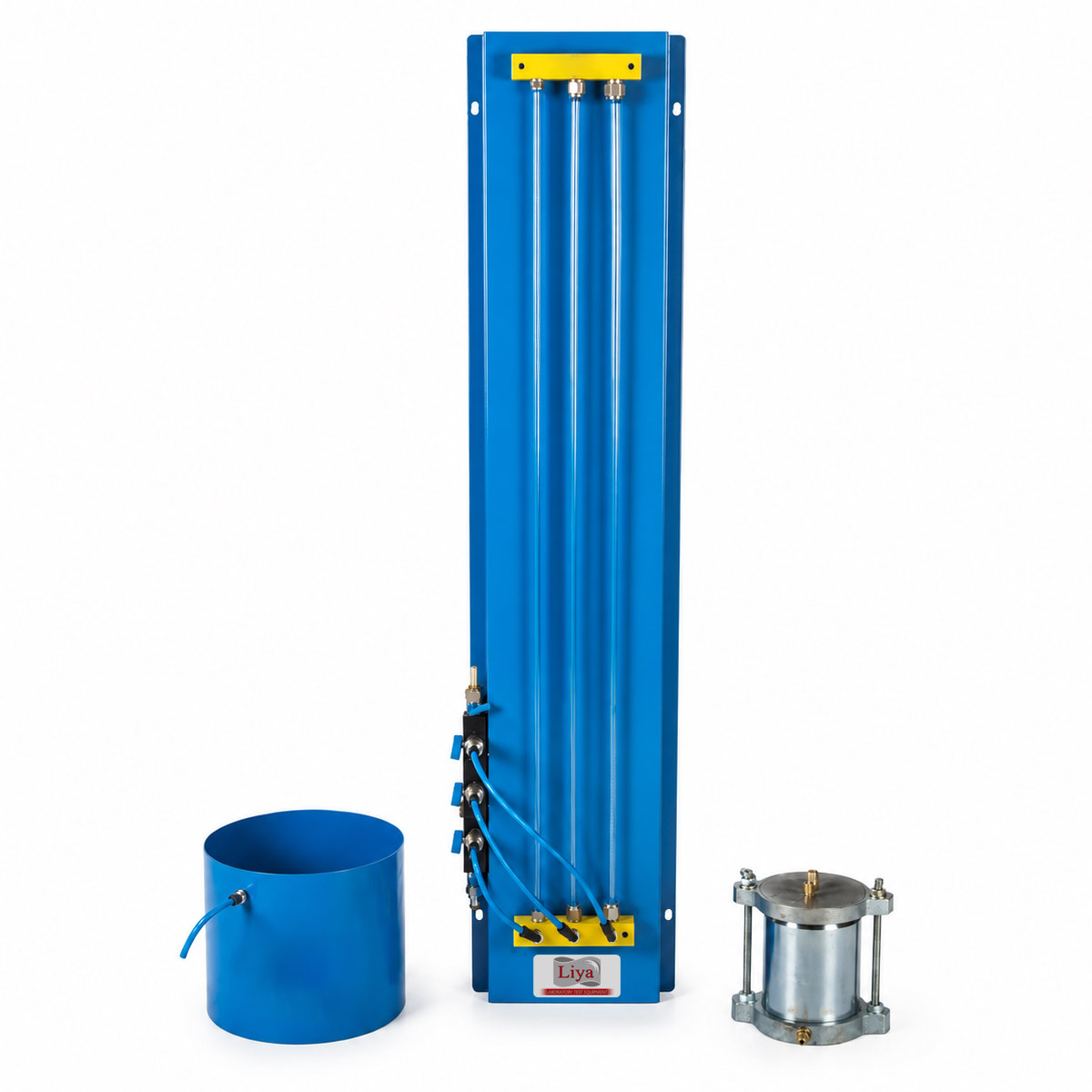
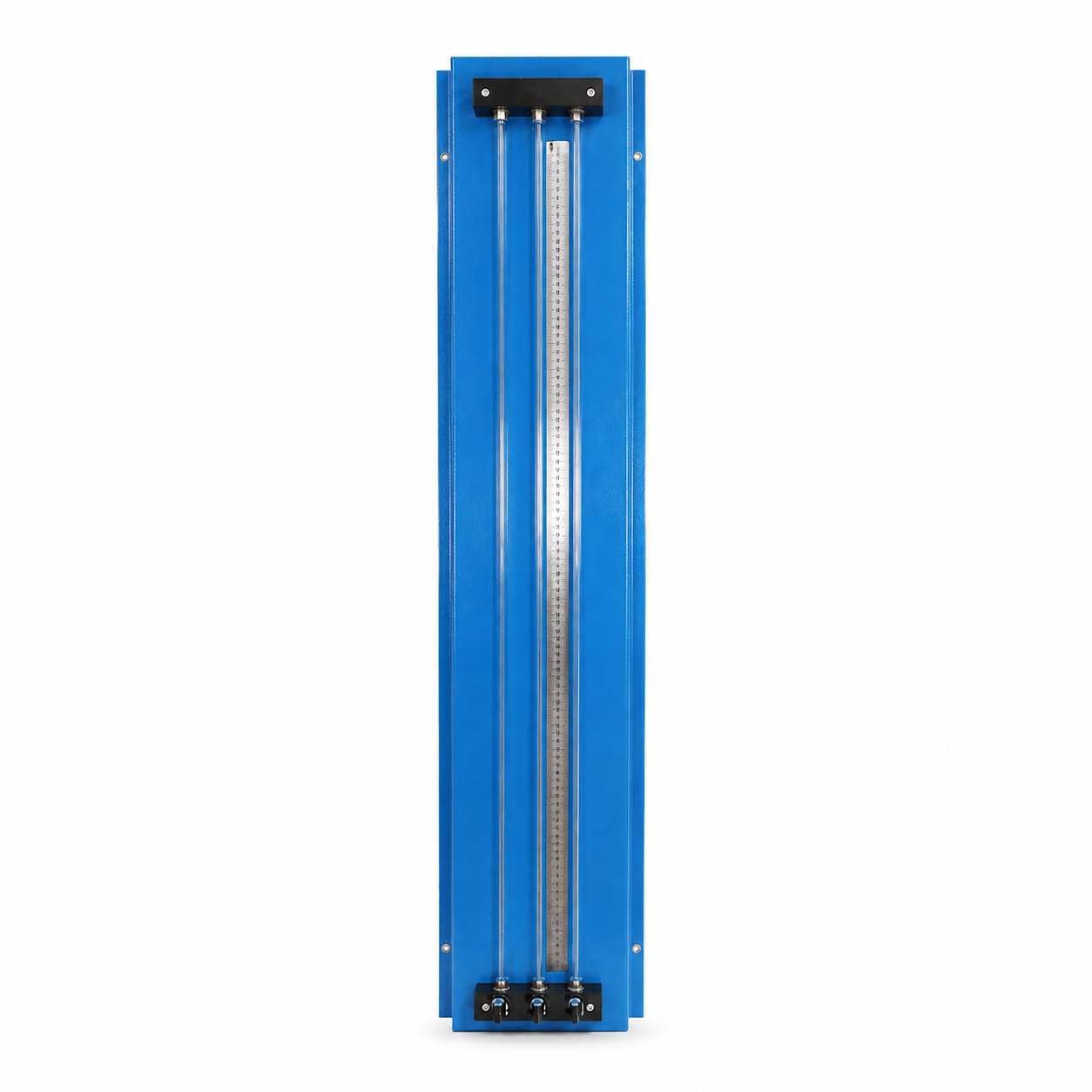
LT-S0135/2 Manometer Stand | With 3 Manometer Tubes
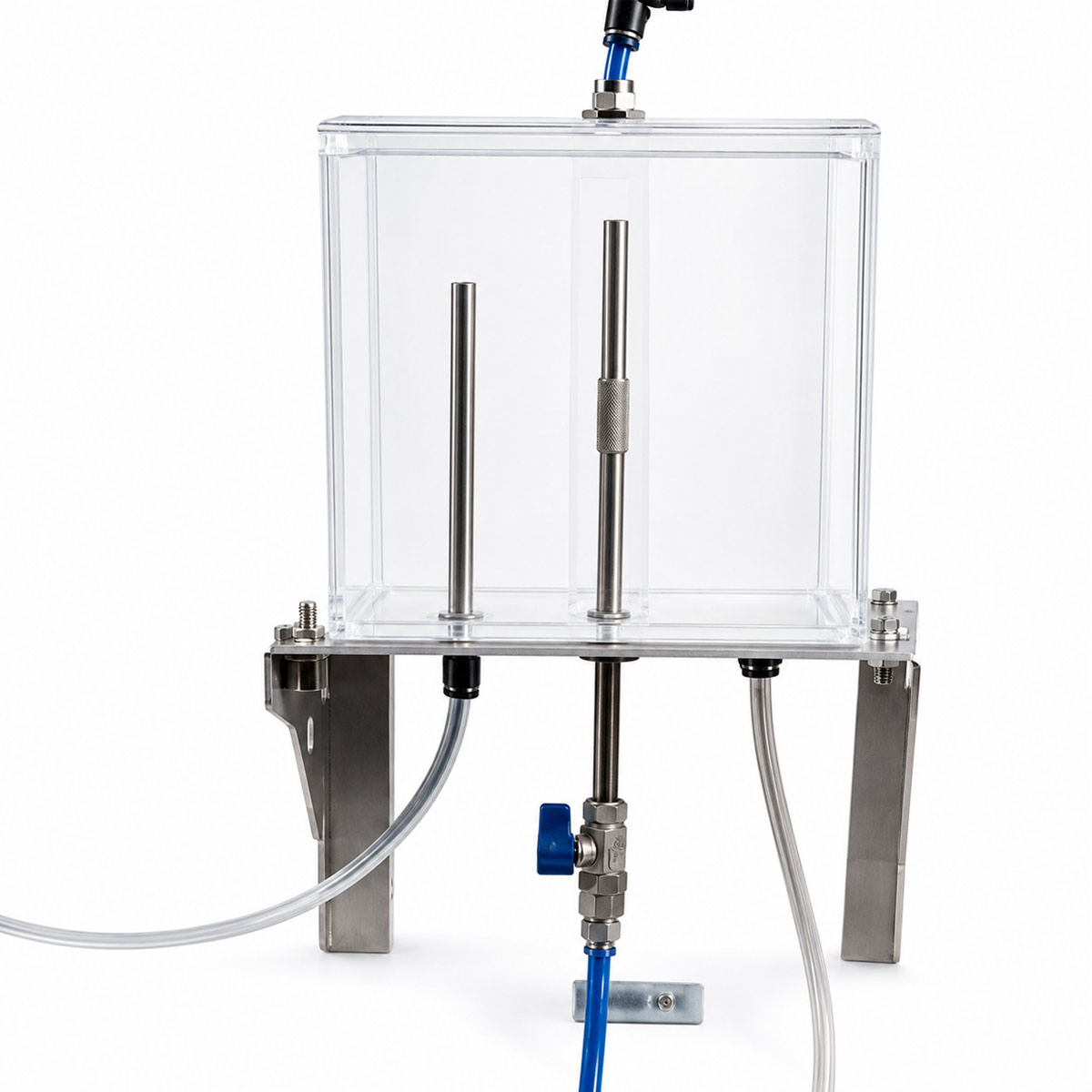
LT-S0135/3 Constant Level Water Tank
LT-S0135/5 De-Airing Water Apparatus
LT-S0136 Constant Head Permeability Test Set| Ø114mm
LT-S0136/1 Constant Head Permeability Cel | Ø114mm
LT-G0212 Rubber Hose | 3m
LT-G0177 Steel Ruler| 1m
LT-G0163 Tamping Rod| Ø8x300mm
The Constant Head Permeability Test Set is designed to determine the hydraulic conductivity or coefficient of permeability of coarse-grained, free-draining soils such as sand and gravel. Water is passed through the prepared specimen under a constant hydraulic head while the flow rate and hydraulic-head difference are monitored.
- Constant head permeability testing: Determines the hydraulic conductivity of coarse-grained soils.
- Granular soil applications: Suitable for sands, gravels and other free-draining materials.
- Two model options: Available with Ø75 mm and Ø114 mm permeability cells.
- Transparent test cell: Acrylic body allows the specimen and water-flow condition to be observed.
- Ø75 mm cell: Includes three pressure tapping points.
- Ø114 mm cell: Provides a larger test volume with six pressure tapping points.
- Manometer system: Stand includes 3 × Ø6 mm, 1 m long manometer tubes.
- Constant level tank: Maintains a controlled hydraulic head during testing.
- Steel ruler: 1 m ruler supports hydraulic-head readings.
- Rubber hose: Supplied with 3 m connection hose.
- Tamping rod: Ø8 × 300 mm rod supports specimen preparation.
- De-airing option: Dedicated apparatus is available for preparing de-aired water.
- Current standards: ASTM D2434-26, AASHTO T 215-23 and BS EN ISO 17892-11:2019.
| Product Code | Product Name | External Dimensions (mm) | Weight (kg) |
| LT-S0135 | Constant Head Permeability Test Set | 140 × 220 × 420 | 3.5 |
| LT-S0136 | Constant Head Permeability Test Set | 180 × 250 × 640 | 7 |

What Is a Constant Head Permeability Test Set?
The Constant Head Permeability Test Set is used to determine the hydraulic conductivity of coarse-grained soils under laboratory conditions. The method is particularly suitable for sand, gravel and other free-draining granular soils where water can pass through the interconnected voids relatively easily.
Hydraulic conductivity, also traditionally referred to as the coefficient of permeability, describes the ability of water to flow through a soil specimen. This parameter is important in geotechnical applications involving drainage systems, embankments, road foundations, earth structures and groundwater flow.
ASTM D2434-26 specifically covers laboratory measurement of hydraulic conductivity in saturated coarse-grained soils under constant-head conditions.
How Does the Constant Head Test Work?
The prepared soil specimen is placed inside the permeability cell and saturated before testing. Water is then allowed to flow through the specimen while a constant hydraulic head is maintained.
During the test, the laboratory measures the quantity of water passing through the specimen over a specified period. The hydraulic-head difference across the specimen is also monitored.
These values are used together with the specimen dimensions to calculate the soil’s hydraulic conductivity.
Unlike falling-head testing, the constant-head method maintains a stable water-level difference throughout the measurement period. This makes it particularly suitable for soils with relatively high permeability.
Ø75 mm and Ø114 mm Test Cell Options
Liya Test offers two different cell configurations.
The LT-S0135 model uses a Ø75 mm permeability cell, while the LT-S0136 model uses a larger Ø114 mm permeability cell.
The transparent acrylic bodies allow the operator to observe the specimen during preparation and testing. The cells also incorporate pressure tapping points for monitoring hydraulic-head changes along the specimen.
Different cell sizes allow the laboratory to select the configuration most suitable for the grain size and quantity of the material being tested.
Manometer and Constant Level Water System
The test system includes a stand fitted with three Ø6 mm manometer tubes, each 1 metre long. The tubes are connected to the permeability cell and allow the hydraulic-head distribution to be monitored during testing.
A constant level water tank maintains the required water head throughout the test. The set also includes a 3 m rubber hose and 1 m steel ruler for hydraulic connections and measurement.
The existing Liya product configuration also lists a de-airing water apparatus and Ø8 × 300 mm tamping rod among the available accessories.
ASTM D2434-26 Constant Head Testing
The current ASTM D2434-26 covers laboratory hydraulic-conductivity testing of saturated coarse-grained soils. ASTM describes the method for materials such as sands and gravels and specifies constant-head testing conditions.
The current AASHTO T 215-23 also covers permeability testing of granular, cohesionless soils under constant-head conditions.
BS EN ISO 17892-11:2019
The former BS 1377-5:1990 reference is no longer the best current standard to display. BSI states that BS EN ISO 17892-11:2019 partially supersedes BS 1377-5:1990 and includes permeability measurements under constant-head, falling-head and constant-flow conditions.
ISO also confirms that ISO 17892-11:2019 remains current after its 2025 systematic review.
Overall, the Constant Head Permeability Test Set provides a controlled laboratory solution for determining the hydraulic conductivity of coarse-grained soils. Its two permeability-cell sizes, manometer system and constant-level water supply support reliable testing of granular materials.