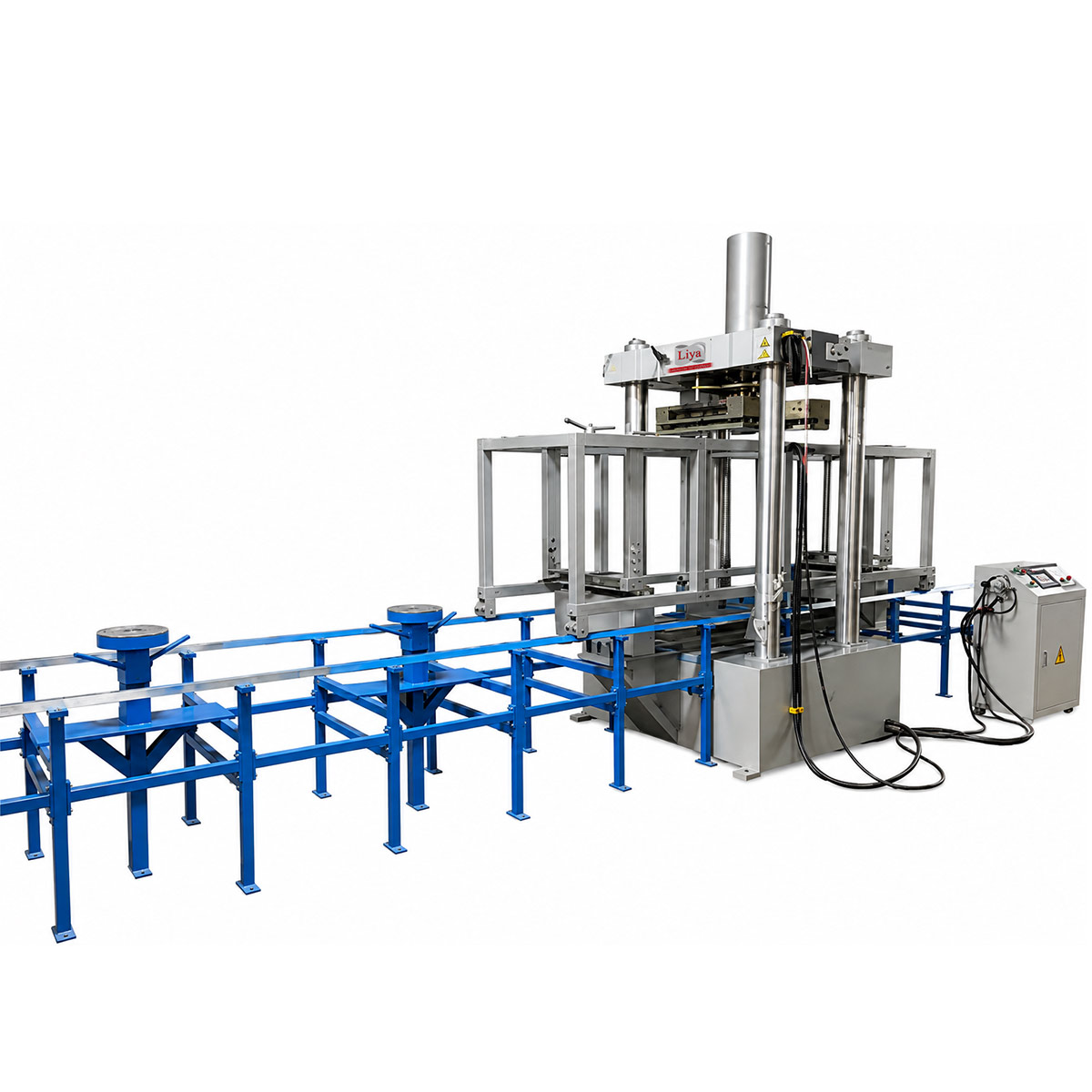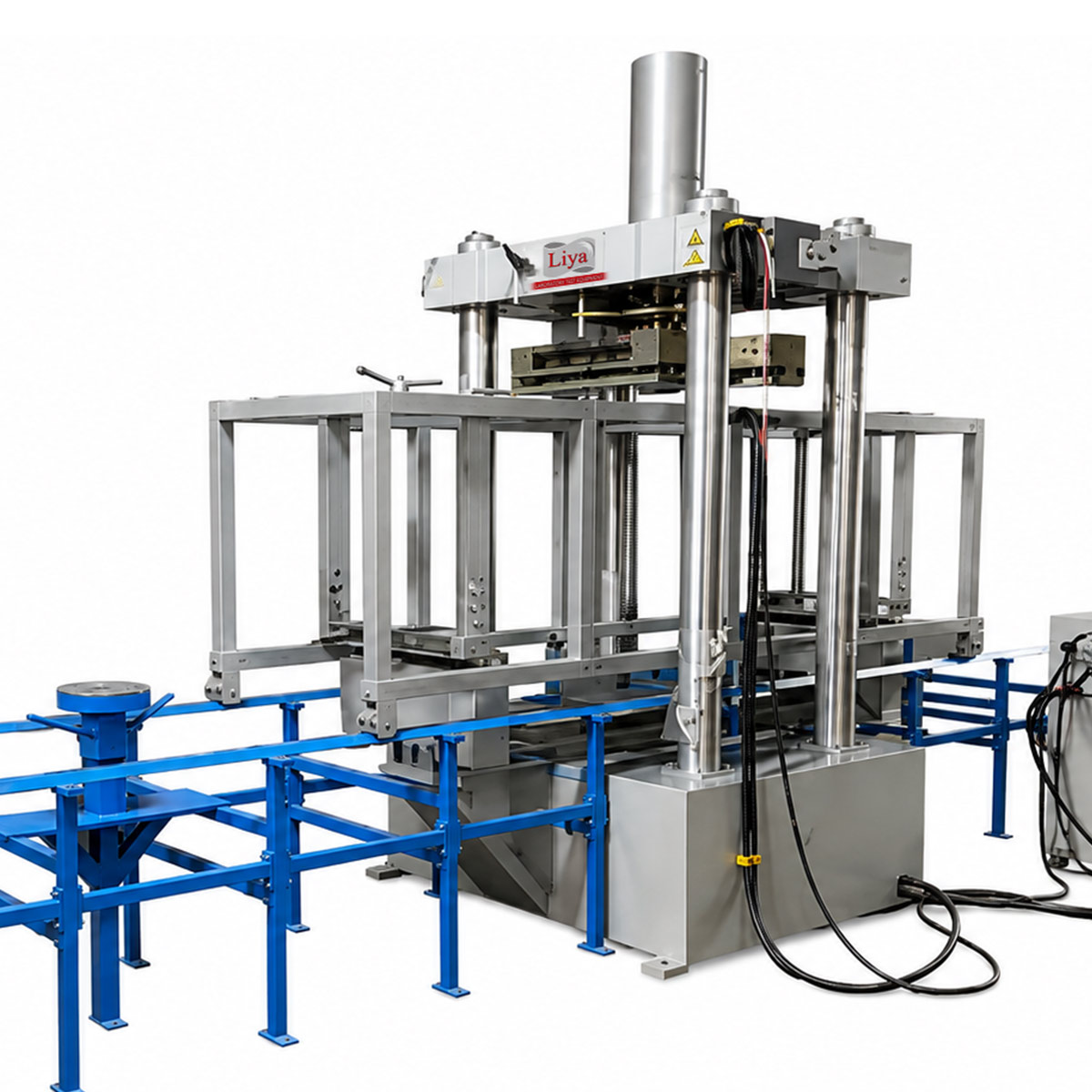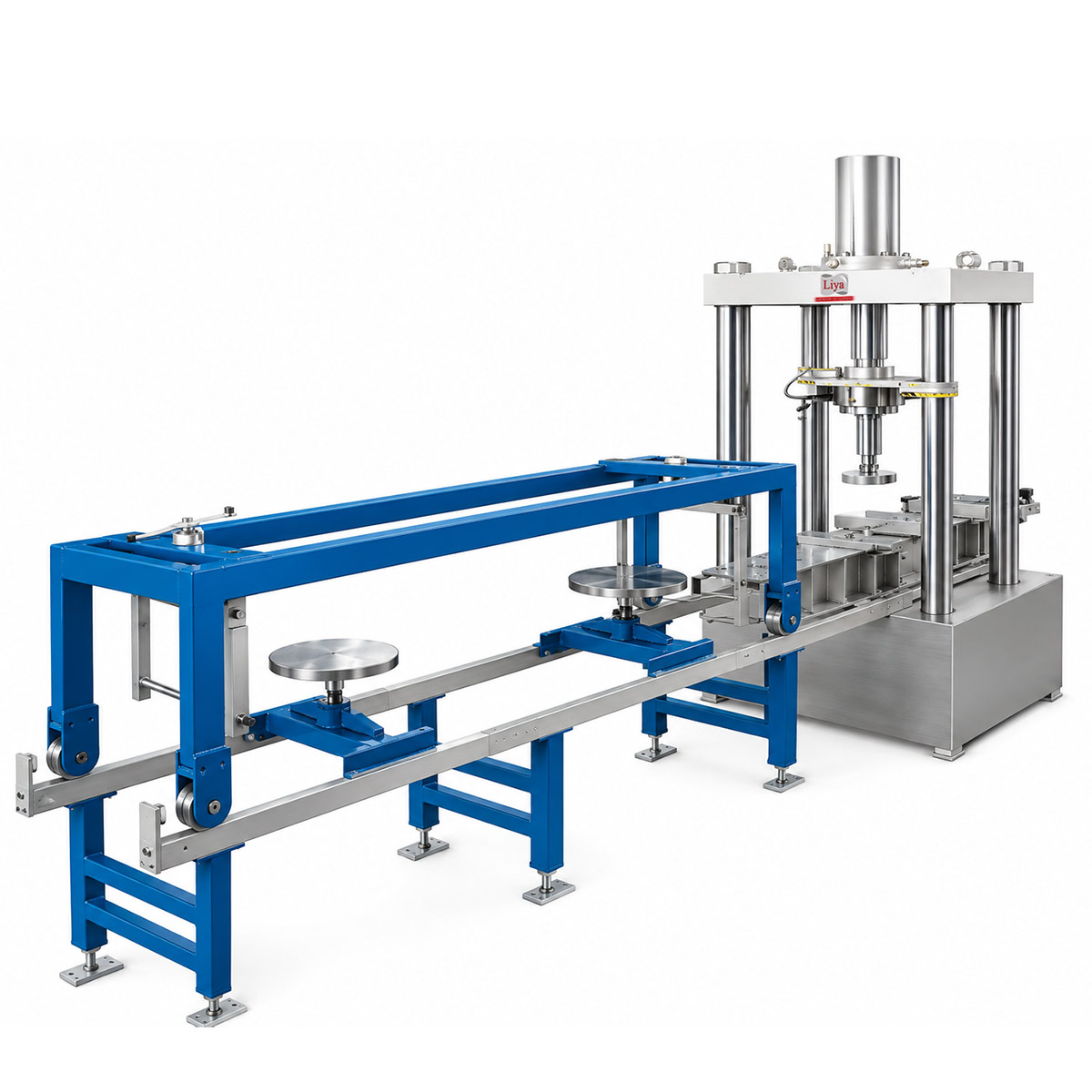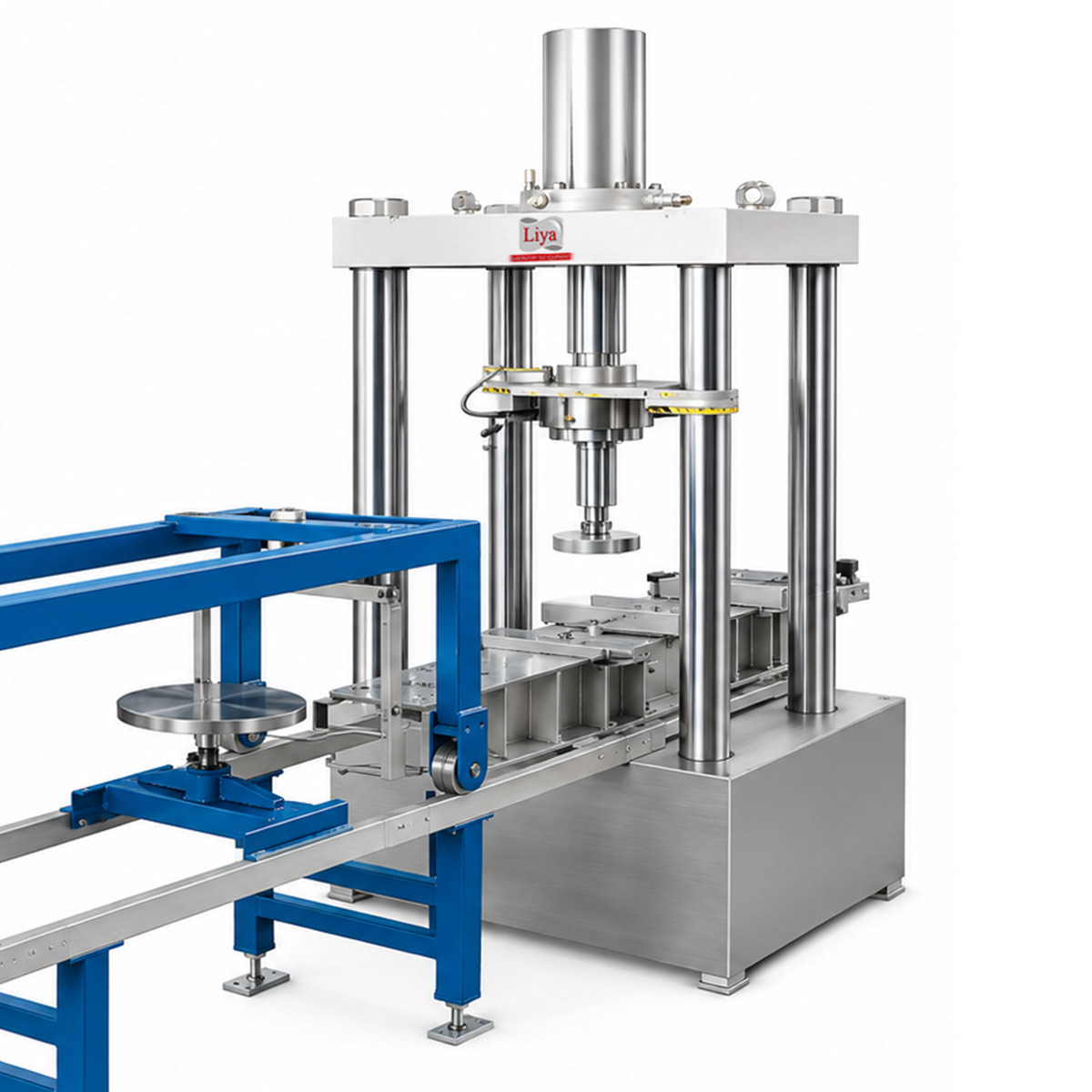

Concrete Vibrating Table
STANDART: EN 12390-2
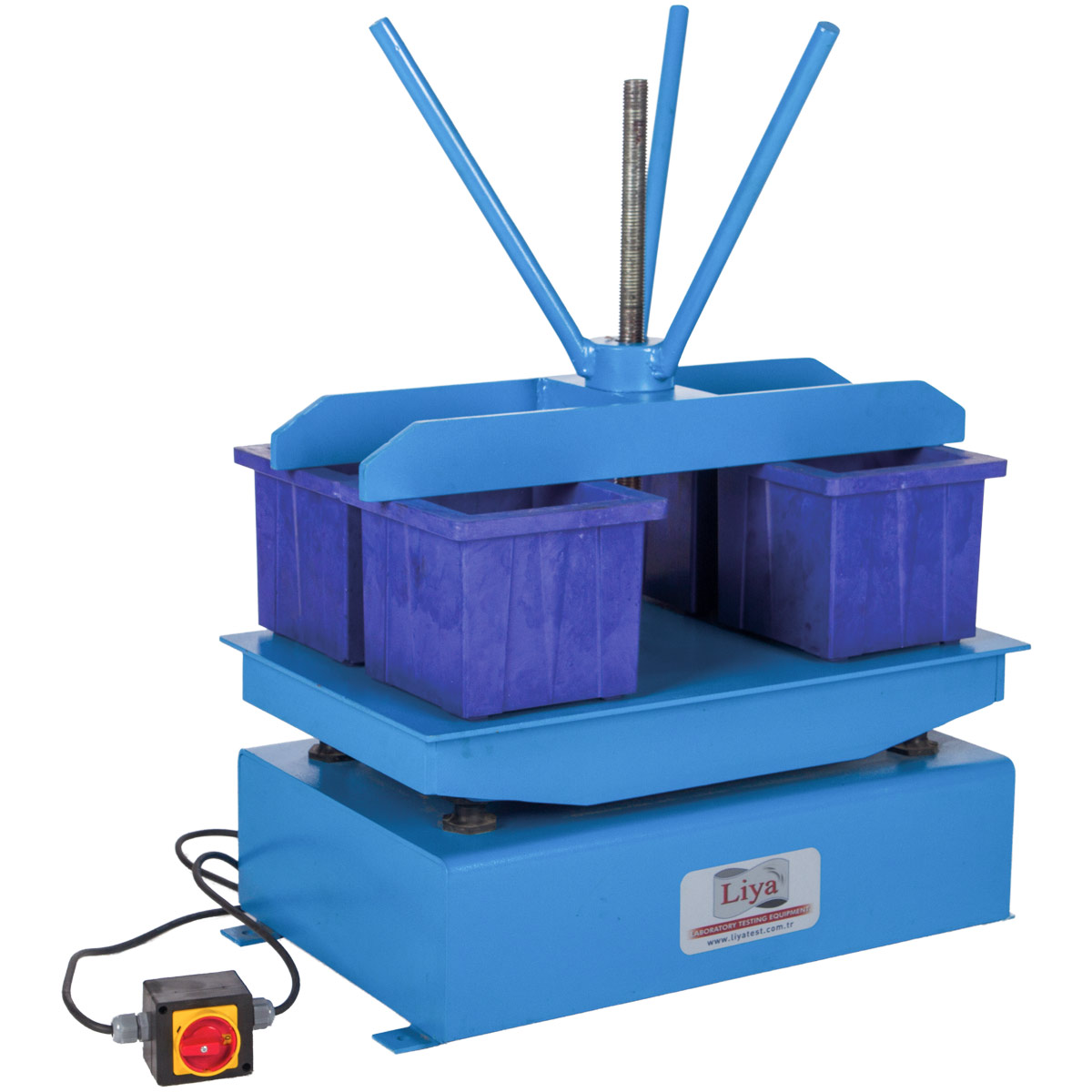
LT-C0086 Concrete Vibrating Table | 4 Mould Capacity
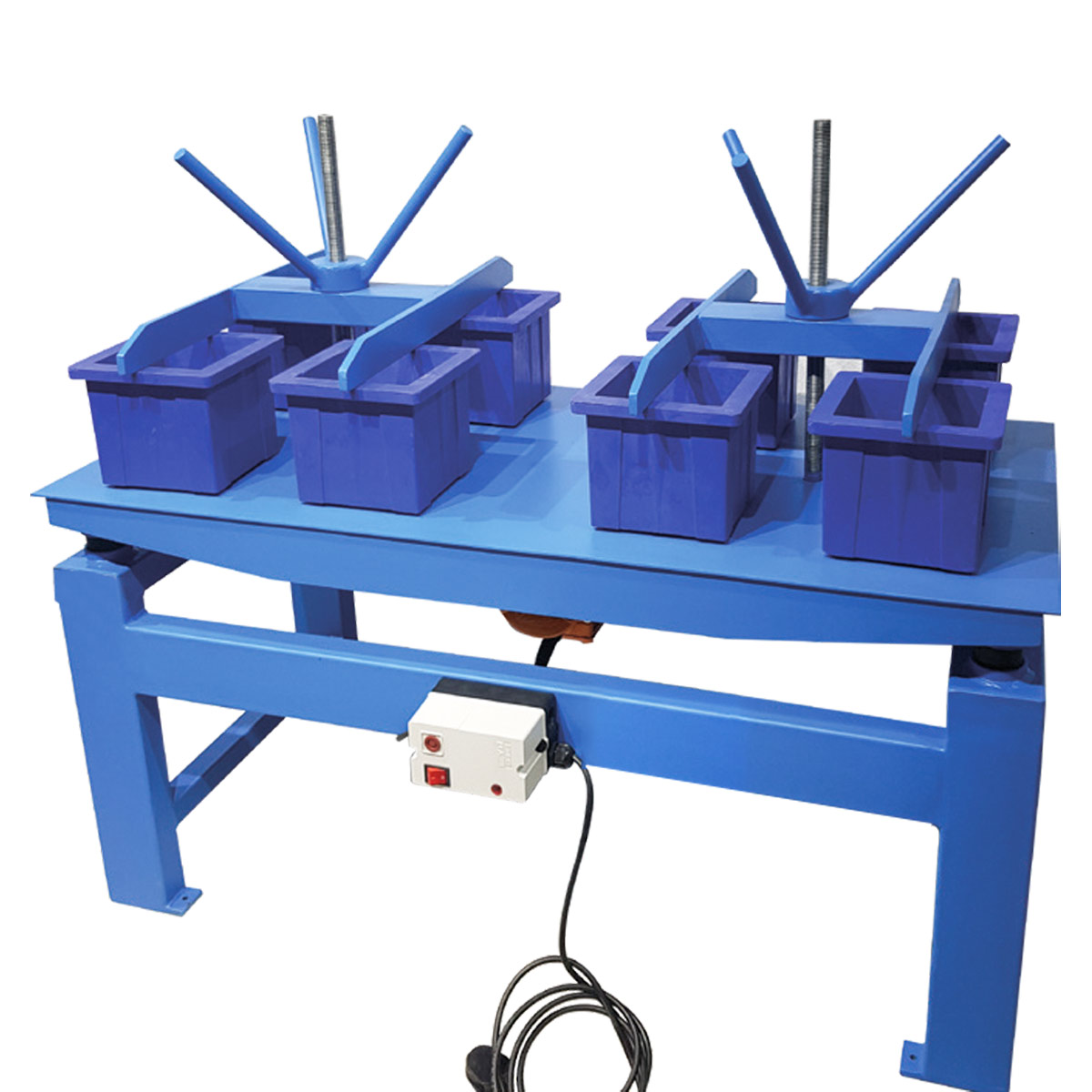
LT-C0087 Concrete Vibrating Table | 8 Mould Capacity
LT-C0088 Concrete Vibrating Table | 10 Mould Capacity
LT-C0089 Concrete Vibrating Table | 9 Mould Capacity
Concrete Vibrating Table is designed to compact fresh concrete specimens inside moulds by means of controlled vibration. The machine helps the concrete settle properly in the mould and reduces entrapped air within the mix. Side retaining edges help keep the moulds stable on the table during operation. As a result, laboratories can prepare more homogeneous and repeatable concrete test specimens.
- High vibration capacity: The machine produces 3000 vibrations per minute at 50 Hz.
- 60 Hz option: The system reaches 3600 vibrations per minute at 60 Hz.
- Effective concrete compaction: Vibration helps the fresh concrete settle more evenly inside the mould.
- Retaining table edges: Special side edges help reduce mould movement during operation.
- Different model options: Available in 4, 8, 9 and 10 mould capacity versions.
- Optional timer: Control panel can manage the operating time up to 60 seconds.
- Foot pedal option: Waterproof pedal provides easier operator control.
- Clamping support: Optional clamping system helps keep moulds stable on the table.
- Low-noise operation: Balanced mechanical design supports laboratory comfort.
- Standard support: The product supports specimen preparation and compaction in accordance with EN 12390-2.
| Product Code | Product Name | Mould Capacity | Dimensions (cm) | Weight (kg) | Power Supply |
| LT-C0086 | Concrete Vibrating Table | 4 | 61 × 38 × 78 | 60 | 220 V, 50–60 Hz, 1 ph |
| LT-C0087 | Concrete Vibrating Table | 8 | 62 × 126 × 106 | 155 | 220 V, 50–60 Hz, 1 ph |
| LT-C0088 | Concrete Vibrating Table | 10 | 62 × 126 × 106 | 155 | 220 V, 50–60 Hz, 1 ph |
| LT-C0089 | Concrete Vibrating Table | 9 | 62 × 126 × 106 | 155 | 220 V, 50–60 Hz, 1 ph |

LT_BETON_VİBRASYONMASASI_
What Is a Concrete Vibrating Table?
The Concrete Vibrating Table compacts fresh concrete specimens inside moulds. The machine uses controlled vibration to help the concrete settle properly within the mould. As a result, the mix fills corners and internal spaces more effectively, while entrapped air is reduced.
Proper compaction directly affects specimen quality. Insufficient vibration may leave air voids inside the concrete. Excessive vibration, on the other hand, may increase the risk of segregation in some mixes. Therefore, the operator should select the vibration time according to the consistency of the concrete.
Strong and Balanced Vibration
The machine produces 3000 vibrations per minute at 50 Hz. In addition, 60 Hz versions reach 3600 vibrations per minute. This movement helps the fresh concrete flow into mould corners and internal spaces more effectively.
During operation, moulds may shift on the table. For this reason, the unit includes side retaining edges to help limit mould movement. The user may also use optional clamping devices for added stability.
Different Table Capacities
LİYA Test offers four model options for different laboratory needs. The product range includes 4, 8, 9 and 10 mould capacity versions. Therefore, users can choose the most suitable table size according to their daily specimen volume.
Lower-capacity models are suitable for routine laboratory work. Larger tables, however, can save time in busy concrete laboratories that prepare higher numbers of specimens.
Timer and Foot Pedal Options
The optional control system allows the operator to set the vibration time up to 60 seconds. When the preset time is completed, the machine stops automatically. This helps the laboratory apply a more consistent vibration duration to each specimen.
A waterproof foot pedal is also available as an option. This feature allows hands-free control and improves ease of use. As a result, the operator can manage the mould more comfortably during specimen preparation.
How Are Concrete Specimens Compacted?
First, the operator places the clean mould on the vibrating table. Next, fresh concrete is filled into the mould in suitable layers. After the mould is positioned safely, the vibration process begins.
When large air bubbles disappear and the concrete settles properly, the operator stops the machine. Finally, the top surface of the specimen is finished and the mould is transferred to the curing area.
Use According to EN 12390-2
EN 12390-2 describes the preparation and curing of concrete specimens for strength testing. The standard covers important steps such as mould filling, compaction and surface finishing.
For this reason, a vibrating table can play an important role in laboratories that prepare concrete test specimens according to standard procedures.
Reliable Concrete Specimen Preparation
The Concrete Vibrating Table combines strong vibration, different table capacities and practical control options in one system. It supports more uniform specimen preparation and helps laboratories improve repeatability in routine testing.
As a result, the Concrete Vibrating Table provides a practical solution for concrete laboratories that need efficient, controlled and repeatable compaction of fresh concrete specimens.