
Load Cells and Load Rings
STANDART: –
LT-G0526 Load Cell | 1kN, S Type
LT-G0527 Load Cell | 2kN, S Type
LT-G0528 Load Cell | 5kN, S Type
LT-G0529 Load Cell | 10kN, Flat Type
LT-G0530 Load Cell | 20kN, Flat Type
LT-G0531 Load Cell | 50kN, Flat Type
LT-G0532 Load Cell | 100kN, Flat Type
LT-G0533 Load Cell | 300kN, Flat Type
LT-G0534 Load Cell | 600kN, Flat Type
LT-G0535 Load Cell | 1000kN, Flat Type
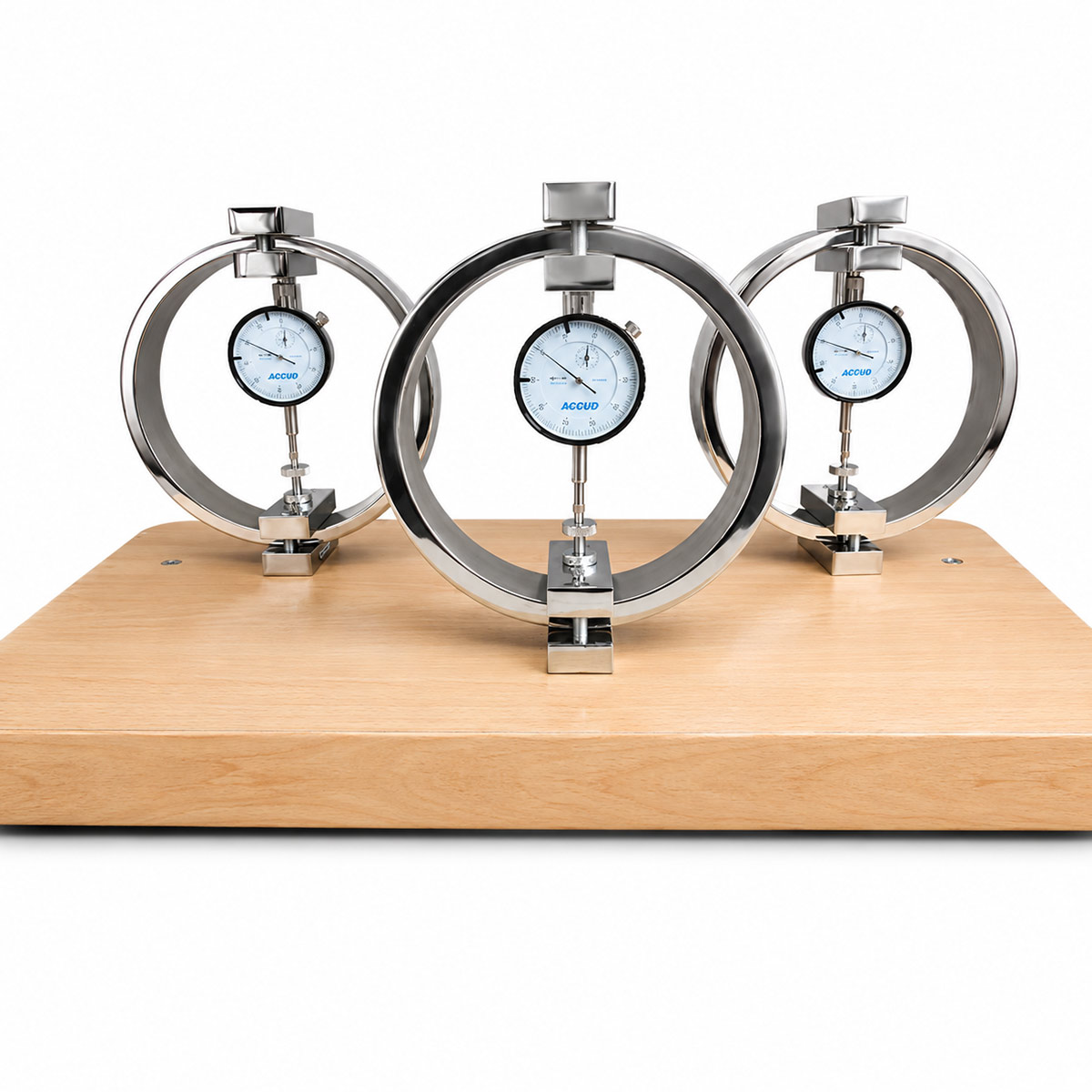
LT-G0536 Load Ring | 10kN
LT-G0537 Load Ring | 28kN
LT-G0538 Load Ring | 50kN
Load Cells and Load Rings are force-measuring components used in laboratory test systems for the accurate measurement and monitoring of applied loads. Liya Test offers S-type load cells from 1 to 5 kN, flat-type load cells from 10 to 1000 kN, and load rings with capacities of 10, 28 and 50 kN. The wide capacity range allows users to select a suitable force measurement component according to the test machine and expected loading level.
- Load cell capacity range: 1–1000 kN
- Load ring capacity range: 10–50 kN
- S-type load cells: 1, 2 and 5 kN
- Flat-type load cells: 10, 20, 50, 100, 300, 600 and 1000 kN
- Load rings: 10, 28 and 50 kN
- Force measurement: Supports monitoring of applied force during laboratory testing.
- Wide capacity range: Suitable for low- and high-capacity test systems.
- Model selection: Capacity can be selected according to the expected test load.
- Laboratory use: Suitable for soil, concrete and other material testing systems requiring force measurement.
- System integration: Load cells can be connected to compatible measuring and data acquisition systems.
| Product Code | Product Name | Capacity (kN) | Type |
| LT-G0526 | Load Cell | 1 | S Type |
| LT-G0527 | Load Cell | 2 | S Type |
| LT-G0528 | Load Cell | 5 | S Type |
| LT-G0529 | Load Cell | 10 | Flat Type |
| LT-G0530 | Load Cell | 20 | Flat Type |
| LT-G0531 | Load Cell | 50 | Flat Type |
| LT-G0532 | Load Cell | 100 | Flat Type |
| LT-G0533 | Load Cell | 300 | Flat Type |
| LT-G0534 | Load Cell | 600 | Flat Type |
| LT-G0535 | Load Cell | 1000 | Flat Type |
| LT-G0536 | Load Ring | 10 | — |
| LT-G0537 | Load Ring | 28 | — |
| LT-G0538 | Load Ring | 50 | — |

What Are Load Cells and Load Rings?
Load Cells and Load Rings are force measurement components used in laboratory test machines and material testing systems.
They help users measure and monitor the force applied during a test. Different laboratory applications require different loading capacities, so selecting the correct measuring component is important for reliable operation.
Liya Test offers load cells with capacities ranging from 1 kN to 1000 kN, together with load rings rated at 10, 28 and 50 kN.
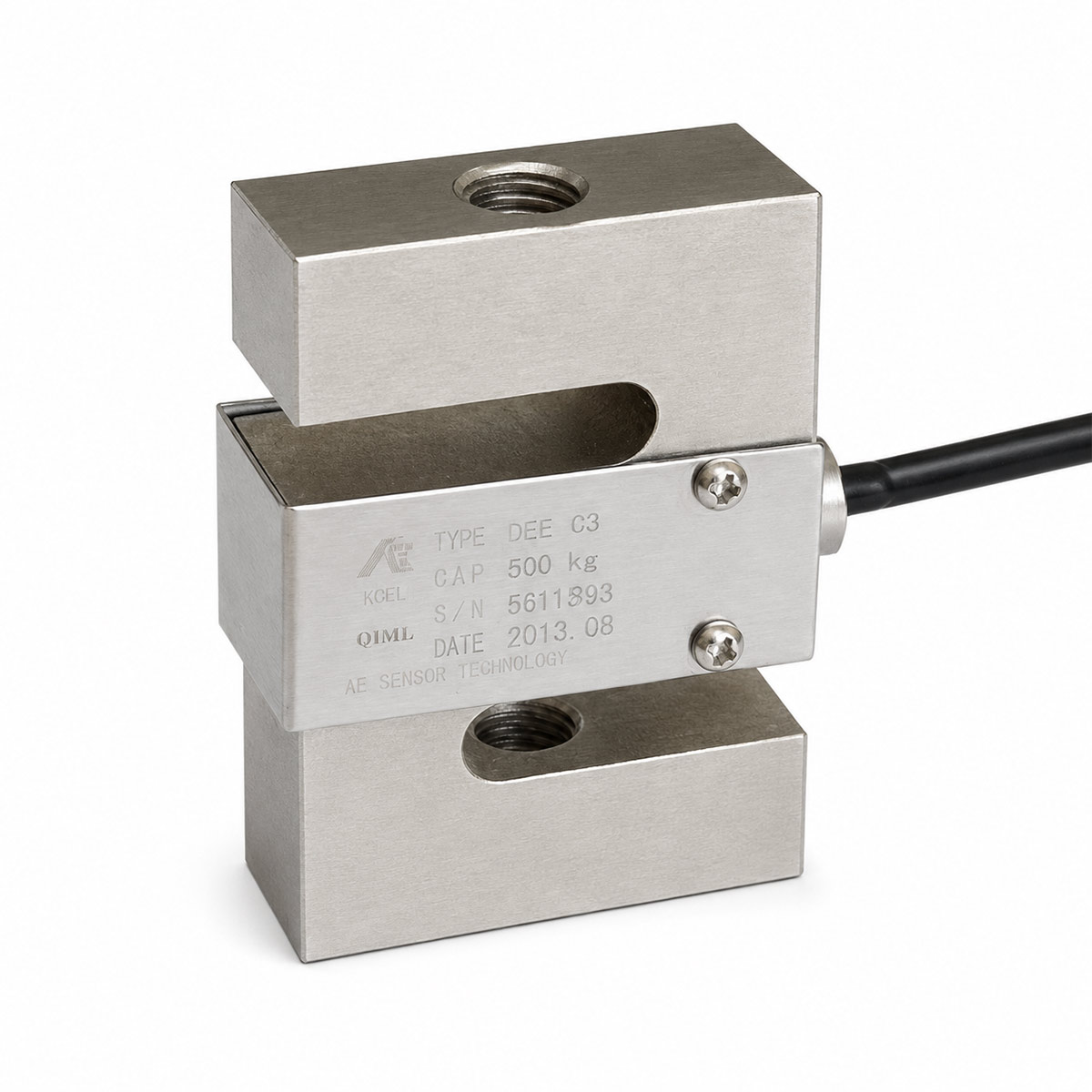
S-Type Load Cells
The lower-capacity product range includes three S-Type Load Cells.
Available models are:
LT-G0526 – 1 kN
LT-G0527 – 2 kN
LT-G0528 – 5 kN
S-type load cells are commonly used where compact force measurement is required. Their configuration can support suitable tension and compression measurement systems depending on the test arrangement.
These models provide practical options for lower-force laboratory applications.
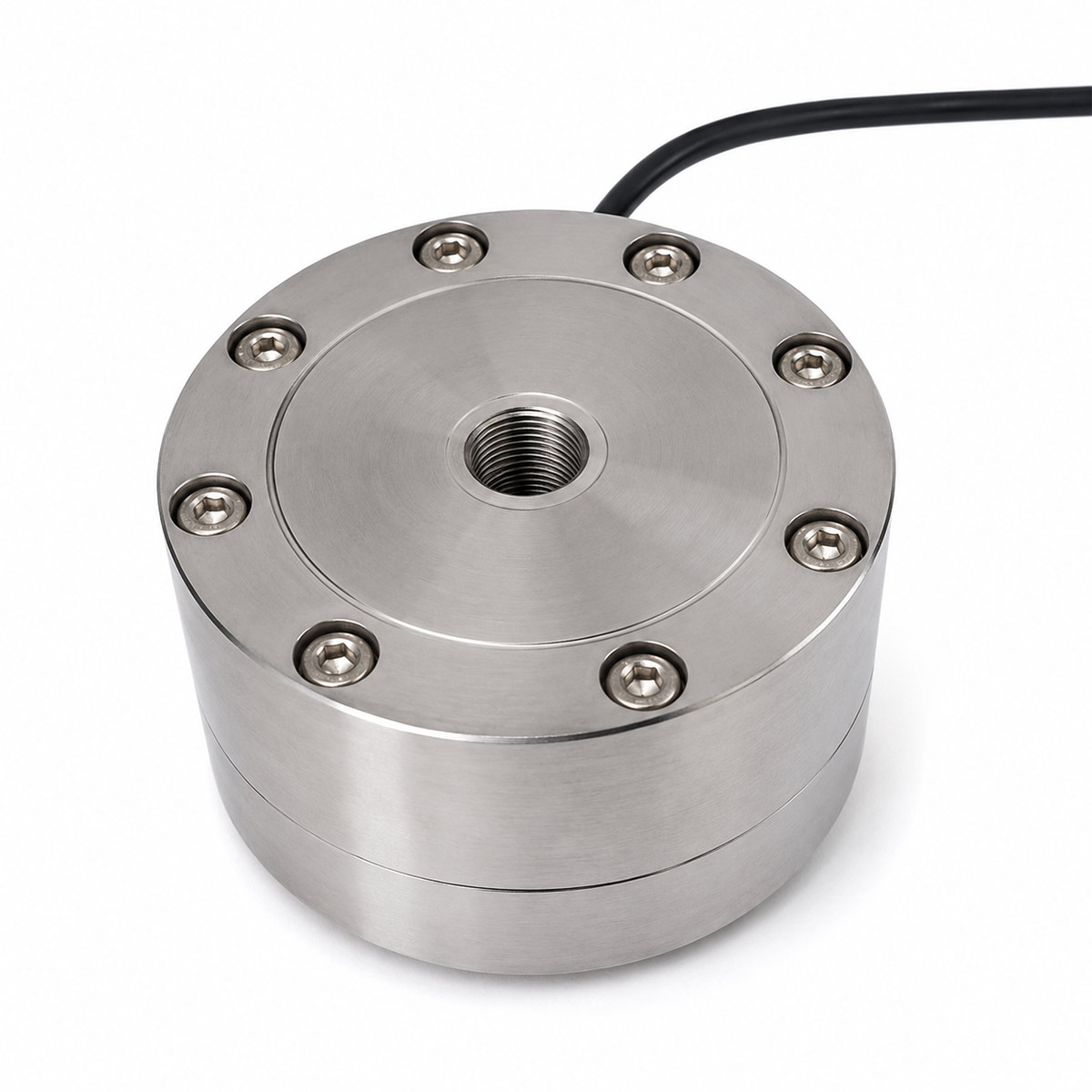
Flat-Type Load Cells
For higher force levels, Liya Test offers Flat-Type Load Cells.
The available capacities are:
10, 20, 50, 100, 300, 600 and 1000 kN
This range allows laboratories to select a sensor according to the expected maximum load of the test system.
The 1000 kN model represents the highest load cell capacity in the current product group.
How Does a Load Cell Work?
A load cell converts an applied mechanical force into a measurable electrical signal.
Many laboratory load cells use strain gauge technology. When force is applied, the sensing element deforms slightly. This deformation changes the electrical characteristics of the strain gauges.
The resulting signal can then be processed by a compatible indicator, controller or data acquisition system.
This allows the applied load to be monitored digitally during a test.
Load Ring Options
Liya Test also provides three Load Ring capacities:
LT-G0536 – 10 kN
LT-G0537 – 28 kN
LT-G0538 – 50 kN
Load rings are mechanical force-measuring elements used in suitable laboratory test systems.
They can support applications such as soil testing equipment and other systems where applied load must be measured mechanically.
The correct capacity should be selected according to the expected test force.
Wide Force Measurement Range
The product group covers a broad range from 1 kN to 1000 kN.
This makes it possible to select suitable measuring components for different laboratory machines, from low-capacity soil tests to higher-capacity material testing systems.
However, the correct selection should not depend only on the nominal capacity.
Users should also consider:
- expected maximum test force
- required measurement resolution
- test machine configuration
- mounting arrangement
- signal output
- compatible indicator or data acquisition system
Selecting the Correct Load Cell
A force sensor should normally be selected so that the expected working load remains within an appropriate portion of its measuring range.
A sensor with unnecessarily high capacity may provide less useful resolution for low-force measurements. On the other hand, a sensor with insufficient capacity can be overloaded.
Therefore, the capacity should match the test machine and expected force level.
Laboratory Applications
Load Cells and Load Rings can be used in different testing systems, including:
- soil testing equipment
- CBR testing systems
- direct shear systems
- compression testing equipment
- material testing machines
- force measurement assemblies
- laboratory data acquisition systems
The exact sensor type should be selected according to the test equipment design.
Liya Test Load Measurement Range
The complete product range includes:
LT-G0526–LT-G0528 – S-Type Load Cells, 1–5 kN
LT-G0529–LT-G0535 – Flat-Type Load Cells, 10–1000 kN
LT-G0536–LT-G0538 – Load Rings, 10–50 kN
Overall, Load Cells and Load Rings provide a broad selection of force measurement solutions for laboratory testing systems. With capacities ranging from 1 to 1000 kN, Liya Test supports both low-force and high-capacity measurement applications.