
Proctor Moulds and Rammers
STANDART: ASTM D 698, D 1557, D 558 ; AASHTO T 99, T180, T 134 ; TS EN 13286-2; BS 1377:4, 1924:2; TS 1900-1
LT-S0055 Standard Proctor Mould | ASTM
LT-S0056 Modified Proctor Mould | ASTM
LT-S0060 Standard Proctor Mould | EN, A Tipi
LT-S0061 Modified Proctor Mould | EN, B Tipi
LT-S0065 Standard Proctor Mould | EN, 1 Litre
LT-S0057 Standard Proctor Rammer | ASTM
LT-S0058 Modified Proctor Rammer | ASTM
LT-S0062 Standard Proctor Rammer | EN, A Tipi
LT-S0063 Modified Proctor Rammer | EN, B Tipi
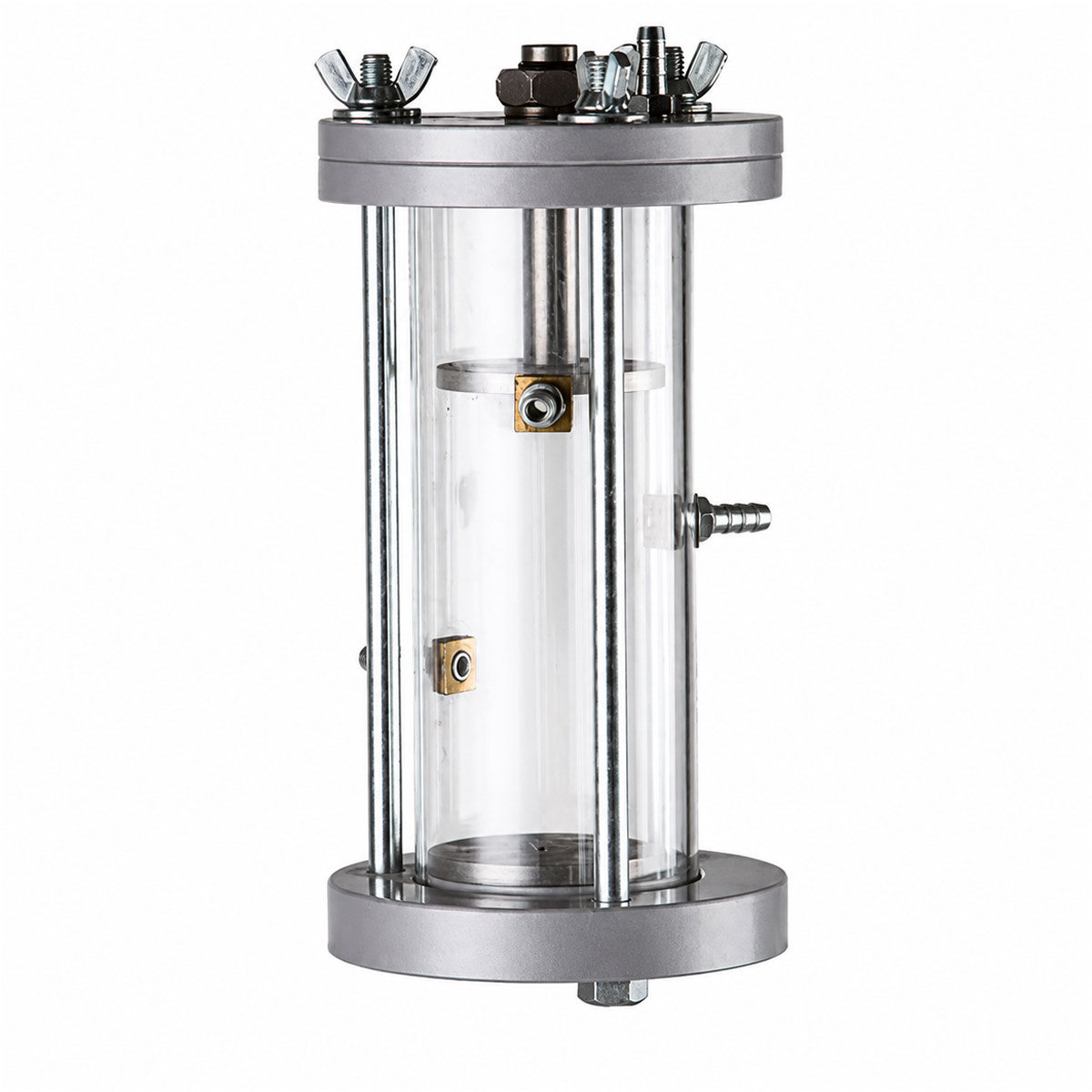
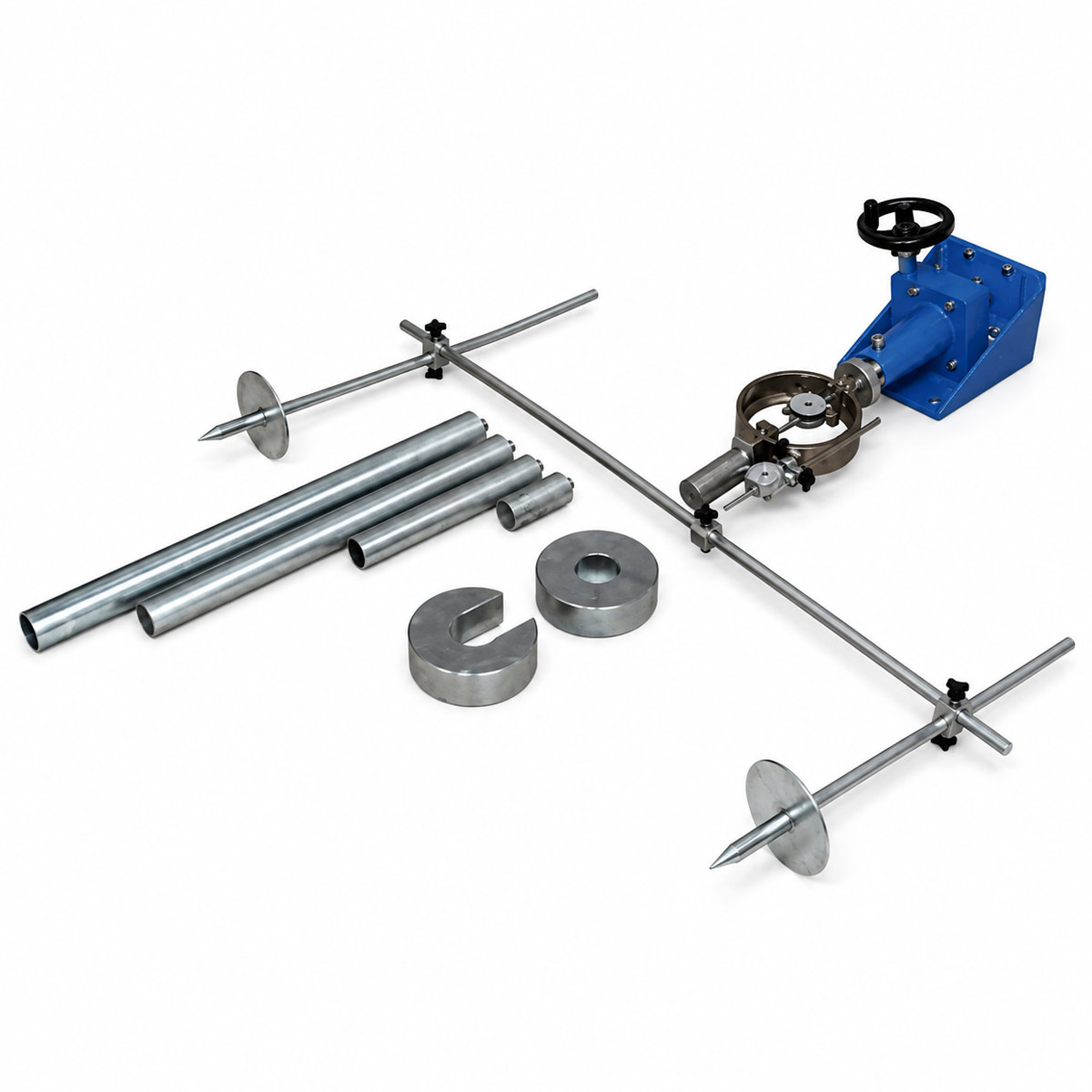
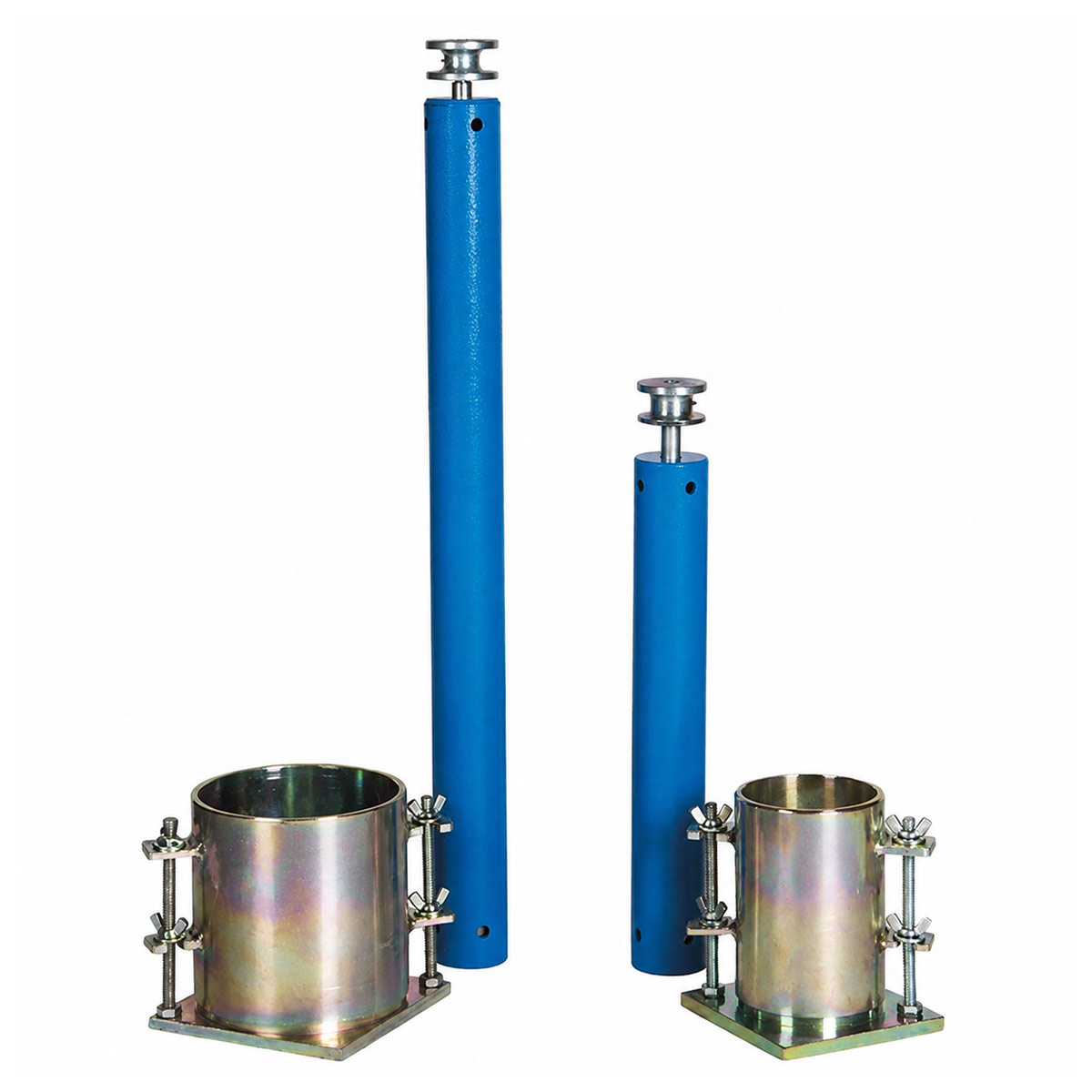
Proctor Moulds and Rammers are used to determine the relationship between water content and dry density of soils and road construction materials. Different mould and rammer configurations are available for standard and modified Proctor compaction procedures according to ASTM, EN and BS methods.
- ASTM Standard Proctor Mould: LT-S0055, Ø101.6 × 116.4 mm.
- ASTM Modified Proctor Mould: LT-S0056, Ø152.4 × 116.4 mm.
- EN Type A Standard Proctor Mould: LT-S0060, Ø100 × 120 mm.
- EN Type B Modified Proctor Mould: LT-S0061.
- 1 Litre Standard Proctor Mould: LT-S0065, Ø150 × 120 mm.
- ASTM Standard Proctor Rammer: LT-S0057, approximately 2.5 kg rammer mass and 304.8 mm free-fall height.
- ASTM Modified Proctor Rammer: LT-S0058, approximately 4.54 kg rammer mass and 457 mm free-fall height.
- EN Type A Rammer: LT-S0062, 2.5 kg and 305 mm free-fall height.
- EN Type B Rammer: LT-S0063, 4.5 kg and 457 mm free-fall height.
- BS rammer options: 2.5 kg and 4.5 kg configurations are available.
- Galvanized steel construction: Moulds and rammers provide a durable laboratory working structure.
- Complete mould assembly: Mould body, extension collar and base plate form the standard mould configuration.
- Standard Proctor testing: Uses lower compactive effort.
- Modified Proctor testing: Uses higher compactive effort.
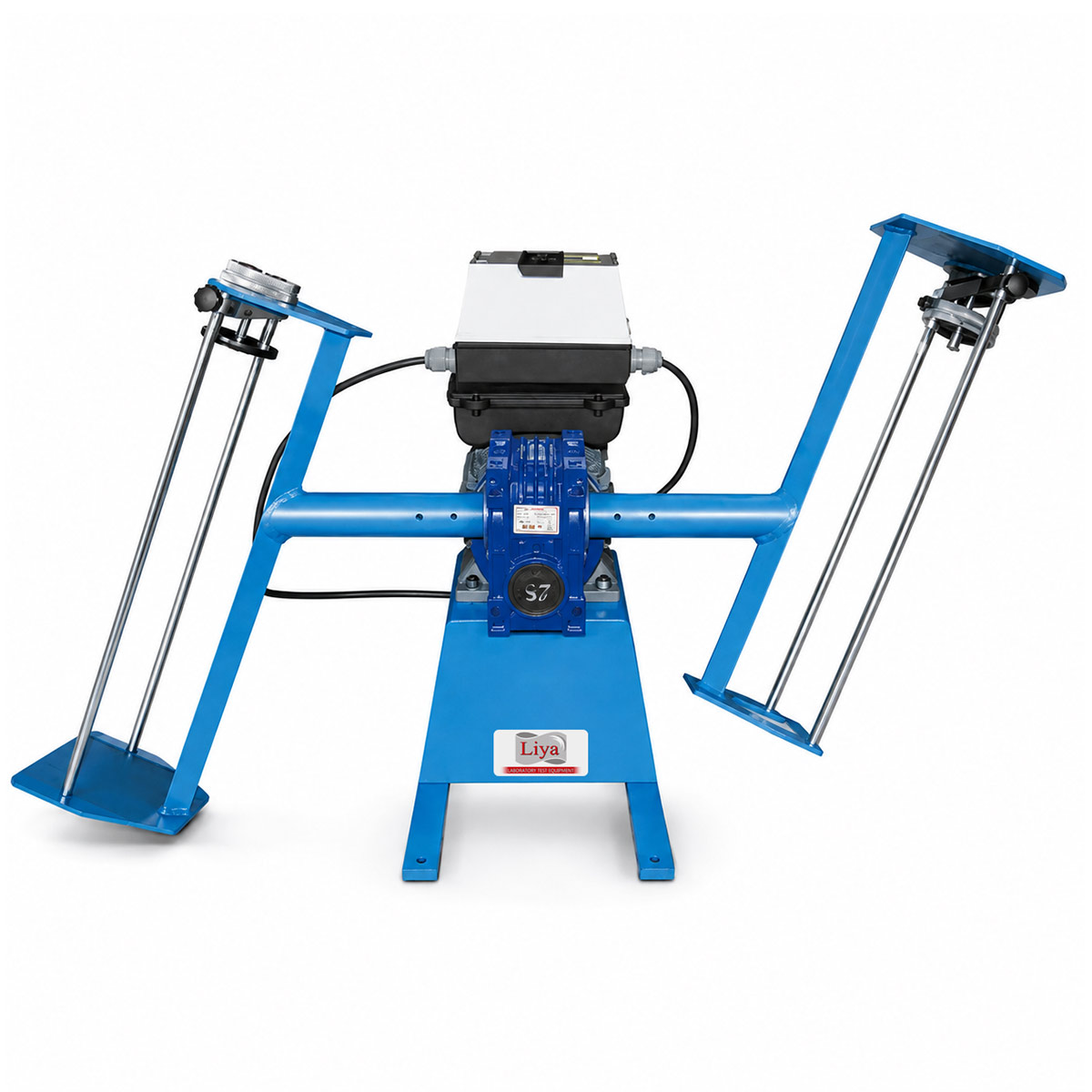
- Automatic compaction compatibility: The product group also includes the LT-S0075 Automatic Soil Compactor.
| Product Code | Product Name | Internal Diameter (mm) | Body Height (mm) | Weight (kg) |
| LT-S0055 | Standard Proctor Mould | 101.6 ± 0.4 | 116.4 ± 0.5 | 7 |
| LT-S0056 | Modified Proctor Mould | 152.4 ± 0.7 | 116.4 ± 0.5 | 9 |
| LT-S0060 | Type A Standard Proctor Mould | 100 ± 1 | 120 ± 1 | 5 |
| LT-S0061 | Type B Modified Proctor Mould | — | — | — |
| LT-S0065 | 1 Litre Standard Proctor Mould | 150 ± 1 | 120 ± 1 | 8.9 |
| Product Code | Product Name | Rammer Diameter (mm) | Free Fall Height (mm) | Rammer Mass (g) | Weight (kg) |
| LT-S0057 | Standard Proctor Rammer | 50.8 | 304.8 ± 1 | 2495 ± 23 | 4.5 |
| LT-S0058 | Modified Proctor Rammer | 50.8 | 457 ± 1.3 | 4540 ± 10 | 8 |
| LT-S0062 | Type A Standard Proctor Rammer | 50 ± 0.5 | 305 ± 3 | 2500 ± 20 | 4.5 |
| LT-S0063 | Type B Modified Proctor Rammer | 50 ± 0.5 | 457 ± 3 | 4500 ± 40 | 8 |
| LT-S0066 | 2.5 kg Compaction Rammer | 50 ± 0.5 | 300 ± 3 | 2500 ± 25 | 4.5 |
| LT-S0067 | 4.5 kg Compaction Rammer | 50 ± 0.5 | 450 ± 4 | 4500 ± 50 | 8 |

What Are Proctor Moulds and Rammers?
Proctor Moulds and Rammers are laboratory accessories used to determine the relationship between the water content and dry density of soils and selected road construction materials.
During a Proctor compaction test, the prepared material is placed into a mould in several layers. Each layer is compacted using a specified rammer mass, drop height and number of blows.
The procedure is repeated at different moisture contents. The resulting measurements are used to establish a compaction curve and determine the optimum moisture content and maximum dry density of the material.
Different international test methods require different mould dimensions, rammer masses and free-fall heights. Liya Test therefore provides ASTM, EN and BS-type configurations within the same product family.
ASTM Standard Proctor Mould and Rammer
The LT-S0055 Standard Proctor Mould has an internal diameter of 101.6 ± 0.4 mm and a body height of 116.4 ± 0.5 mm.
The corresponding LT-S0057 Standard Proctor Rammer has a nominal diameter of 50.8 mm, a mass of 2495 ± 23 g and a free-fall height of 304.8 ± 1 mm.
These dimensions are consistent with the standard-effort laboratory compaction arrangement used in ASTM D698-12(2021). ASTM describes a 101.6 or 152.4 mm mould with an approximately 2.5 kg rammer dropped from about 305 mm to produce a compactive effort of approximately 600 kN·m/m³.
ASTM Modified Proctor Equipment
Higher compaction energy is required for the modified Proctor procedure.
The LT-S0056 Modified Proctor Mould has an internal diameter of 152.4 ± 0.7 mm and a body height of 116.4 ± 0.5 mm.
The LT-S0058 Modified Proctor Rammer has a diameter of 50.8 mm, a mass of 4540 ± 10 g and a free-fall height of 457 ± 1.3 mm.
The current ASTM D1557-12(2021) defines modified-effort laboratory compaction using an approximately 4.5 kg rammer dropped from 457 mm, producing a compactive effort of approximately 2700 kN·m/m³.
EN Type A and Type B Proctor Equipment
For EN applications, Liya Test provides Type A and Type B Proctor equipment.
The LT-S0060 Type A Standard Proctor Mould has a nominal internal diameter of 100 ± 1 mm and a body height of 120 ± 1 mm.
The corresponding LT-S0062 Type A Standard Proctor Rammer has a diameter of 50 ± 0.5 mm, a mass of 2500 ± 20 g and a free-fall height of 305 ± 3 mm.
The LT-S0063 Type B Modified Proctor Rammer uses a 4500 ± 40 g mass and a 457 ± 3 mm free-fall height.
BS EN 13286-2:2010 specifies Proctor compaction methods for determining the relationship between water content and dry density of unbound and hydraulically bound mixtures used in road construction and civil engineering works. BSI currently lists the standard as Current, Under Review.
Galvanized Steel Mould Construction
The Proctor moulds are manufactured from plated or galvanized steel and are supplied as a laboratory mould assembly.
The typical configuration includes the mould body, extension collar and base plate. The removable collar allows the material to be compacted slightly above the mould body before the excess material is trimmed to the required level.
Durable steel construction supports repeated impact loading during routine laboratory compaction testing.
Soil-Cement Compaction Applications
The product group also references ASTM D558.
The active version is ASTM D558/D558M-19, which determines the relationship between water content and density of soil-cement mixtures before cement hydration. The method uses a 944 cm³ mould and an approximately 2.5 kg rammer dropped from about 305 mm.
This standard is therefore relevant when the mould and rammer equipment is used for soil-cement specimen preparation rather than conventional untreated-soil Proctor testing.
Standard and Modified Compaction Testing
Standard and modified Proctor methods use different compactive energies.
The standard procedure applies lower impact energy, while the modified method uses a heavier rammer and greater drop height. This allows laboratories to evaluate material behaviour under different levels of compaction effort.
Correct selection of the mould, rammer mass and drop height is essential because these parameters directly affect the resulting moisture-density relationship.
Overall, Proctor Moulds and Rammers provide the basic equipment required for controlled standard and modified compaction testing of soils and road construction materials.