
Relative Density Test Set
STANDART: EN 13286-5, ASTM D4253, ASTM D4254
LT-S4253 Relative Density Test Set | EN
LT-S4254 Relative Density Test Set | ASTM
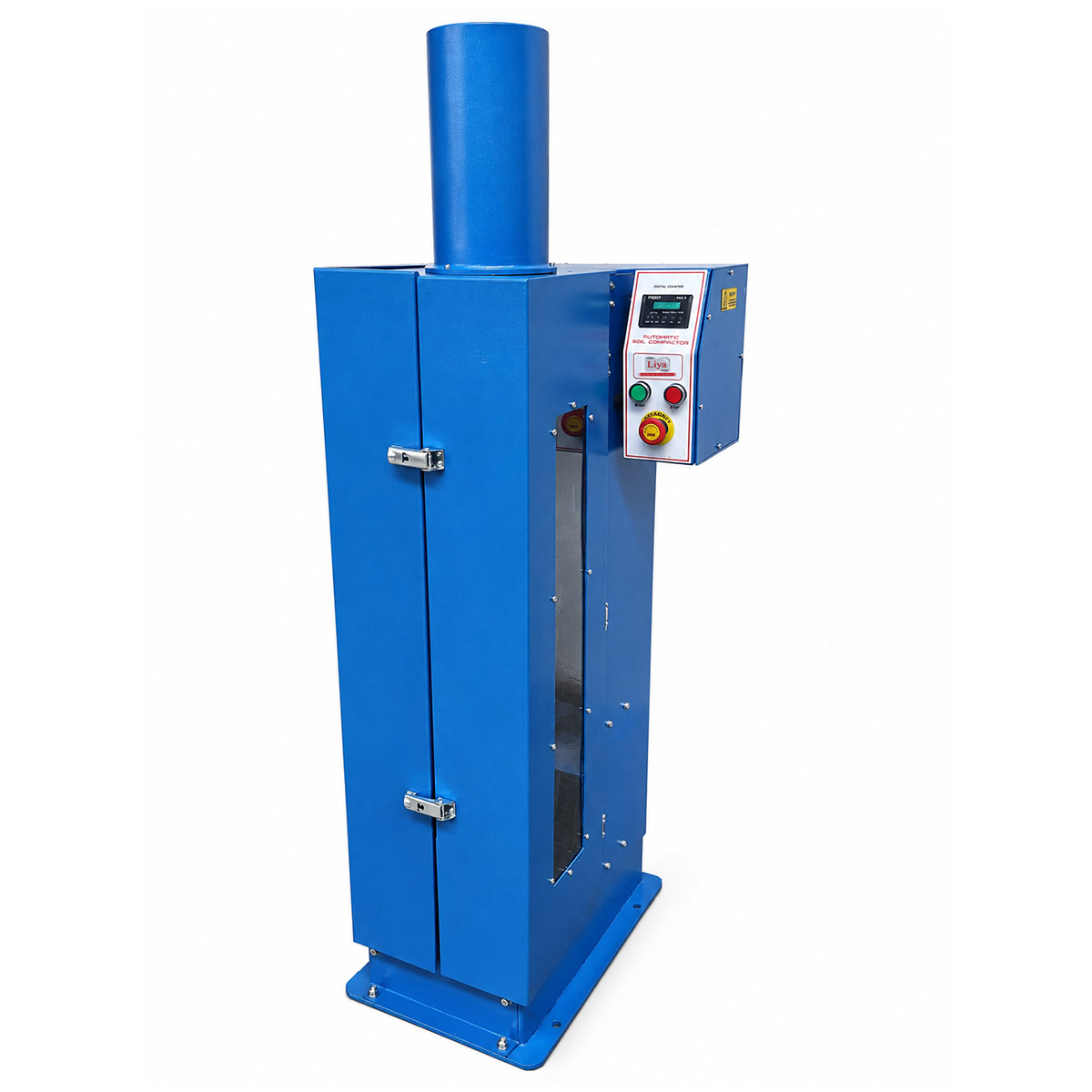
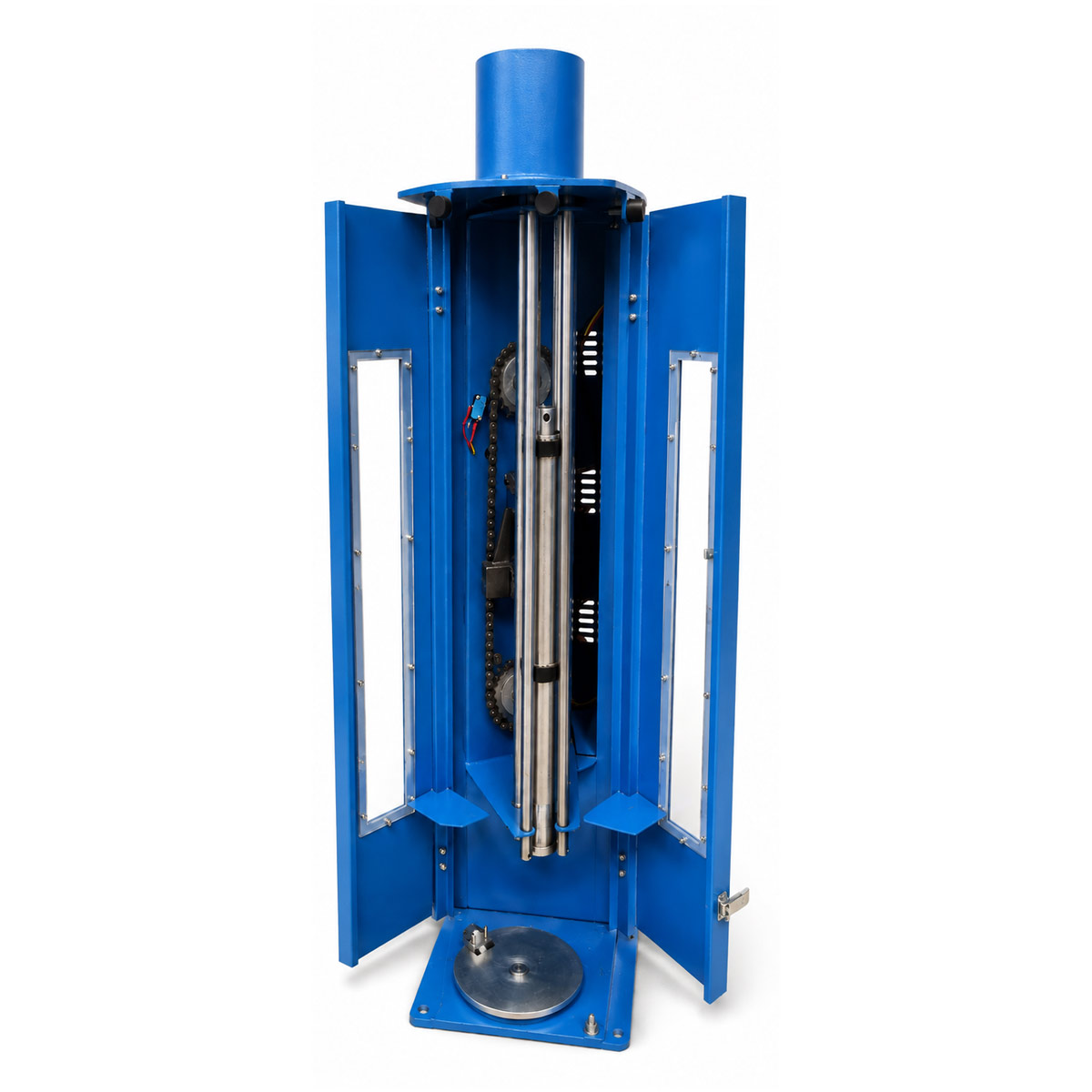
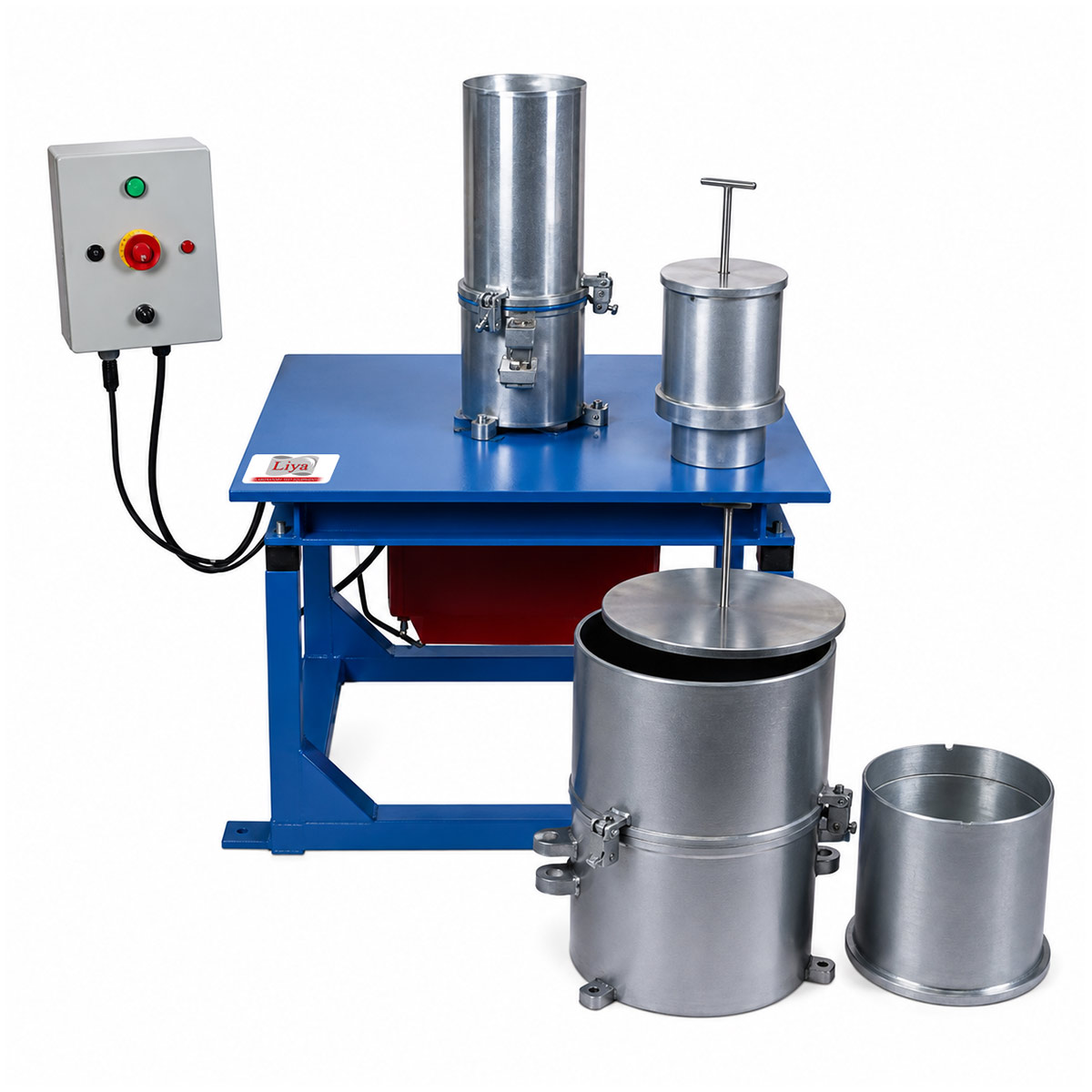
The Relative Density Test Set is designed to determine the maximum and minimum index density of cohesionless soils and granular road materials under laboratory conditions. The system helps evaluate the compactness of free-draining materials by comparing their actual dry density with their maximum and minimum index densities.
The LT-S4253 configuration is designed for the EN method, while the LT-S4254 includes the additional mould arrangement historically used with ASTM D4253 and ASTM D4254 procedures. Liya Test currently lists both configurations within the same product family.
- Two model options: LT-S4253 EN and LT-S4254 ASTM-type configurations.
- Vibrating table: Features a 762 × 762 mm working platform.
- Operating speed: Vibrating table operates at approximately 3600 rpm.
- Adjustable vibration magnitude: Allows vibration intensity to be adapted to the test configuration.
- 0.5 ft³ mould set: Approximately 14,200 cm³ capacity.
- Additional 0.1 ft³ mould: Included with the LT-S4254 configuration.
- Cast aluminium construction: Main cylindrical mould components are manufactured from cast aluminium.
- Relative density gauge set: Measures specimen height changes after vibration.
- Dial indicator: 50.8 mm travel with 0.025 mm graduations.
- Calibration bar: 76 × 305 × 3.2 mm.
- Pouring funnel set: Supports loose placement of fine granular materials.
- Funnel outlets: 25.4 mm and 12.7 mm.
- LT-S4253 dimensions: 120 × 120 × 150 cm.
- LT-S4253 weight: Approximately 350 kg.
- LT-S4254 dimensions: 120 × 120 × 150 cm.
- LT-S4254 weight: Approximately 400 kg.
| Product Code | Product Name | Rammer Diameter (mm) | Free Fall Height (mm) | Rammer Weight (g) | Weight (kg) |
| LT-S0057 | Standard Proctor Rammer | 50.8 | 304.8 ± 1 | 2495 ± 23 | 4.5 |
| LT-S0058 | Modified Proctor Rammer | 50.8 | 457 ± 1.3 | 4540 ± 10 | 8 |
| LT-S0062 | Type A Standard Proctor Rammer | 50 ± 0.5 | 305 ± 3 | 2500 ± 20 | 4.5 |
| LT-S0063 | Type B Standard Proctor Rammer | 50 ± 0.5 | 457 ± 3 | 4500 ± 40 | 8 |
| LT-S0066 | 2.5 kg Compaction Rammer | 50 ± 0.5 | 300 ± 3 | 2500 ± 25 | 4.5 |
| LT-S0067 | 4.5 kg Compaction Rammer | 50 ± 0.5 | 450 ± 4 | 4500 ± 50 | 8 |
| Product Code | Product Name | Internal Diameter (mm) | Height (mm) | Weight (kg) |
| LT-S0055 | Standard Proctor Mould | 101.6 ± 0.4 | 116.4 ± 0.5 | 7 |
| LT-S0056 | Modified Proctor Mould | 152.4 ± 0.7 | 116.4 ± 0.5 | 9 |
| LT-S0060 | Type A Standard Proctor Mould | 100 ± 1 | 120 ± 1 | 5 |
| LT-S0061 | Type B Modified Proctor Mould | — | — | — |
| LT-S0065 | 1 Litre Standard Proctor Mould | 150 ± 1 | 120 ± 1 | 8.9 |

What Is a Relative Density Test Set?
The Relative Density Test Set is used to evaluate the compactness of cohesionless and free-draining granular materials under laboratory conditions.
Relative density compares the existing dry density of a cohesionless soil with its maximum and minimum index density values. This provides a practical indication of whether the material is in a loose, medium or dense condition.
The method is particularly useful for materials such as sands, gravels and granular road-construction mixtures where conventional cohesive-soil consistency methods are not applicable.
Vibrating Table System
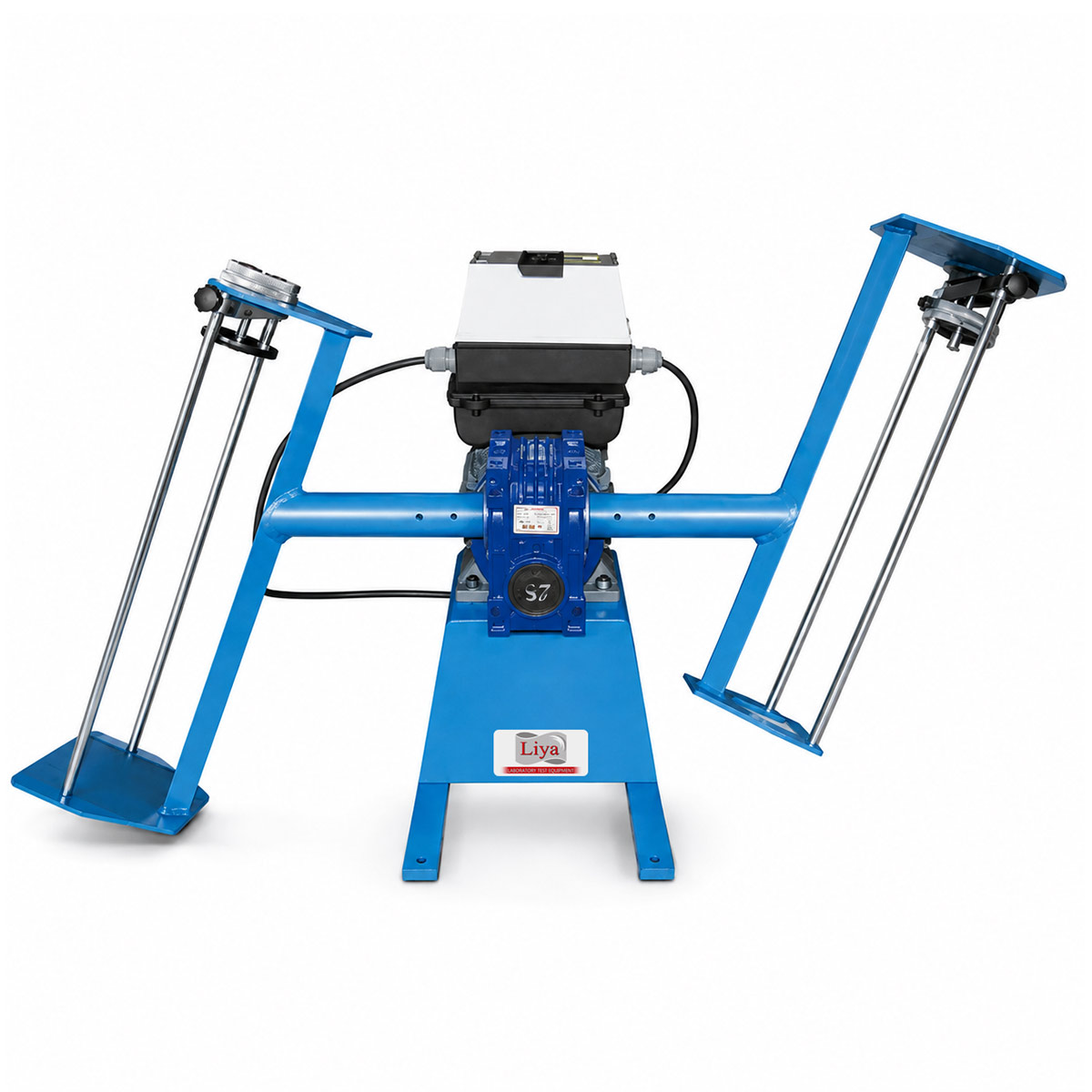
The test system includes a 762 × 762 mm vibrating table operating at approximately 3600 rpm.
The magnitude of vibration can be adjusted according to the test configuration. During maximum-density determination, vibration rearranges the granular particles and reduces the void space between them.
As the particles move into a denser arrangement, the specimen volume decreases. This allows the laboratory to evaluate the maximum dry density achievable under the specified vibratory conditions.
Liya Test supplies the vibrating table together with the required mould and measurement components.
0.5 ft³ and 0.1 ft³ Mould Options
The LT-S4253 EN configuration includes an approximately 14,200 cm³ / 0.5 ft³ Relative Density Mould Set.
The LT-S4254 ASTM-type configuration additionally includes a 0.1 ft³ mould.
The main cylindrical mould components are manufactured from cast aluminium. The different mould capacities allow the equipment arrangement to accommodate the corresponding EN and historical ASTM test procedures.
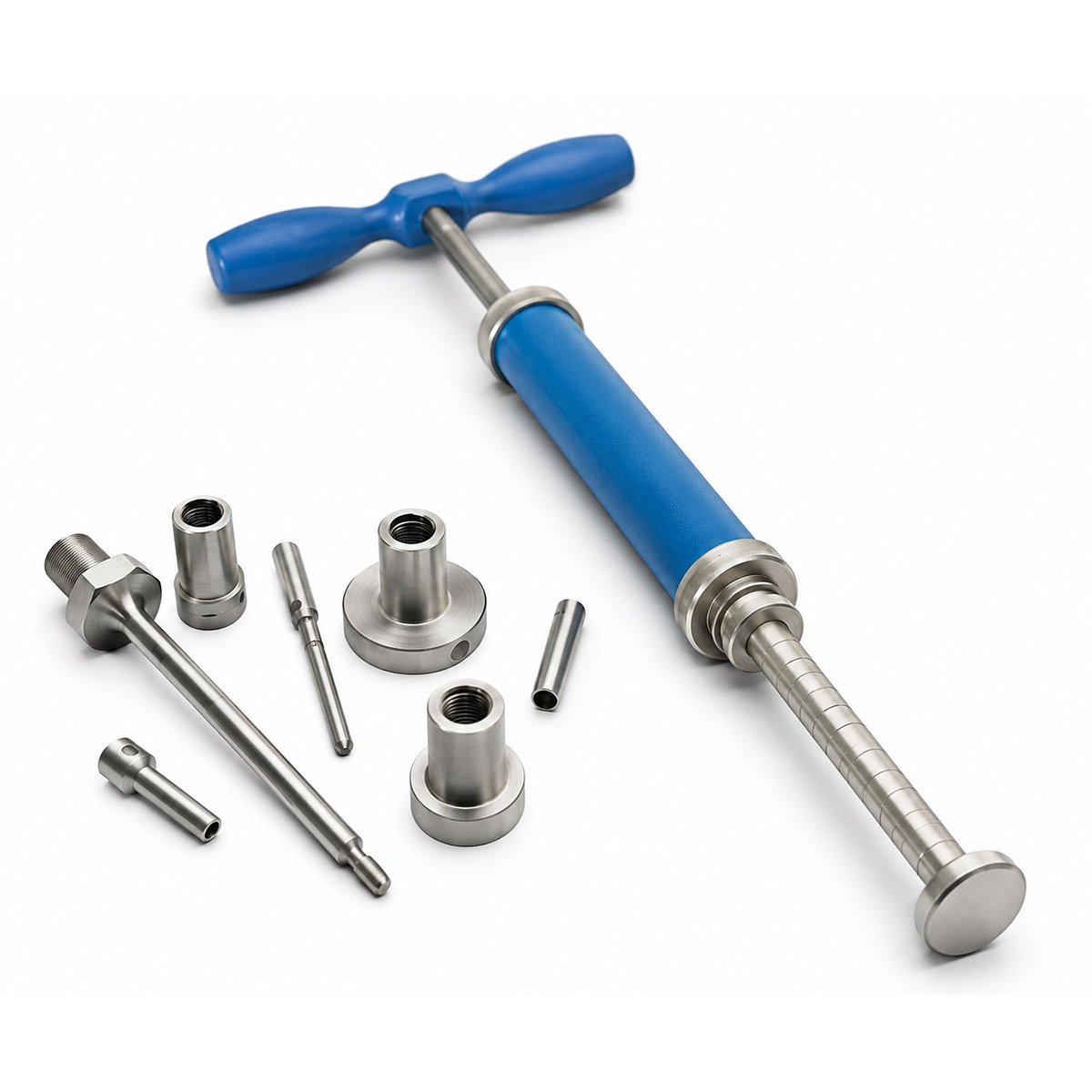
Relative Density Gauge Set
After vibration, the change in specimen height must be measured accurately to determine the volume change.
The Relative Density Gauge Set includes a dial indicator with approximately 50.8 mm travel and 0.025 mm graduations, together with a dedicated mould holder and a 76 × 305 × 3.2 mm calibration bar.
This arrangement helps determine the distance between the mould reference surface and the compacted specimen after vibration.
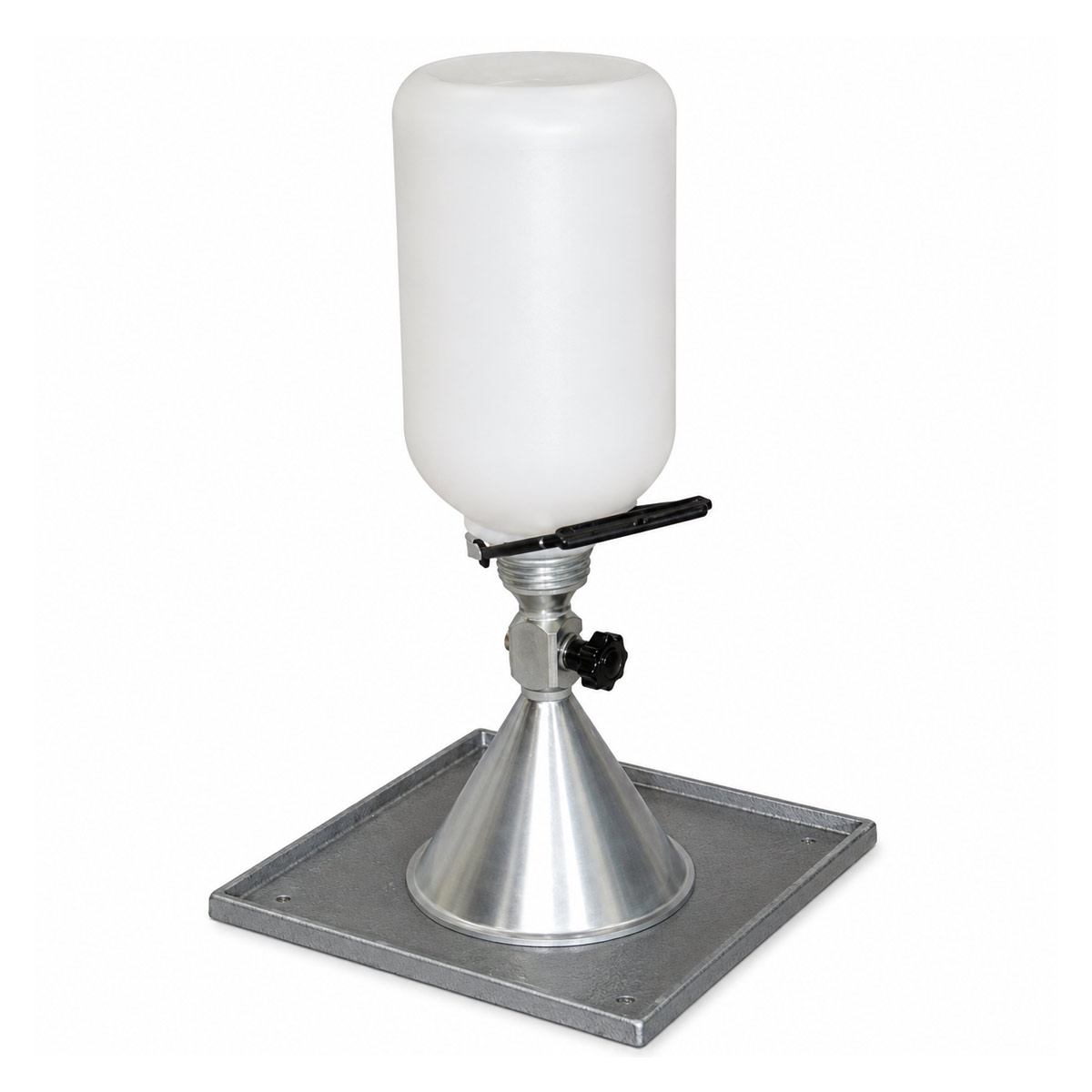
Pouring Funnel Set
Loose placement is important when determining the minimum index density of granular material.
The available pouring funnel arrangement contains two Ø152 × 305 mm metal cylinders fitted with delivery spouts. The outlet diameters are 25.4 mm and 12.7 mm.
The system supports controlled placement of granular materials without intentional compaction. Liya Test notes that this accessory arrangement was required under the former ASTM D4253 procedure and should be ordered separately where needed.
EN 13286-5:2003
The current European reference is EN 13286-5:2003. Its British adoption, BS EN 13286-5:2003, is still listed by BSI as Current in 2026. The standard covers laboratory reference density and water-content determination using a vibrating table for unbound and hydraulically bound mixtures.
The method applies to materials containing up to 12% by mass below 0.063 mm and permits a maximum particle size of 80 mm, as reflected in Liya’s product description.
ASTM D4253 and ASTM D4254 Status
Liya’s existing product page still references ASTM D4253 and ASTM D4254. However, this needs a note on the new website.
ASTM D4253-16e1 was withdrawn in 2025 without replacement. ASTM also lists D4254-16 as withdrawn in 2025.
Therefore, the LT-S4254 configuration can still be described as equipment designed around the former ASTM test arrangement, but we should not write “complies with the current ASTM D4253/D4254 standards.”
Overall, the Relative Density Test Set combines a vibrating table, interchangeable mould configurations and precision measurement accessories to support laboratory evaluation of the compactness and density characteristics of cohesionless granular materials.