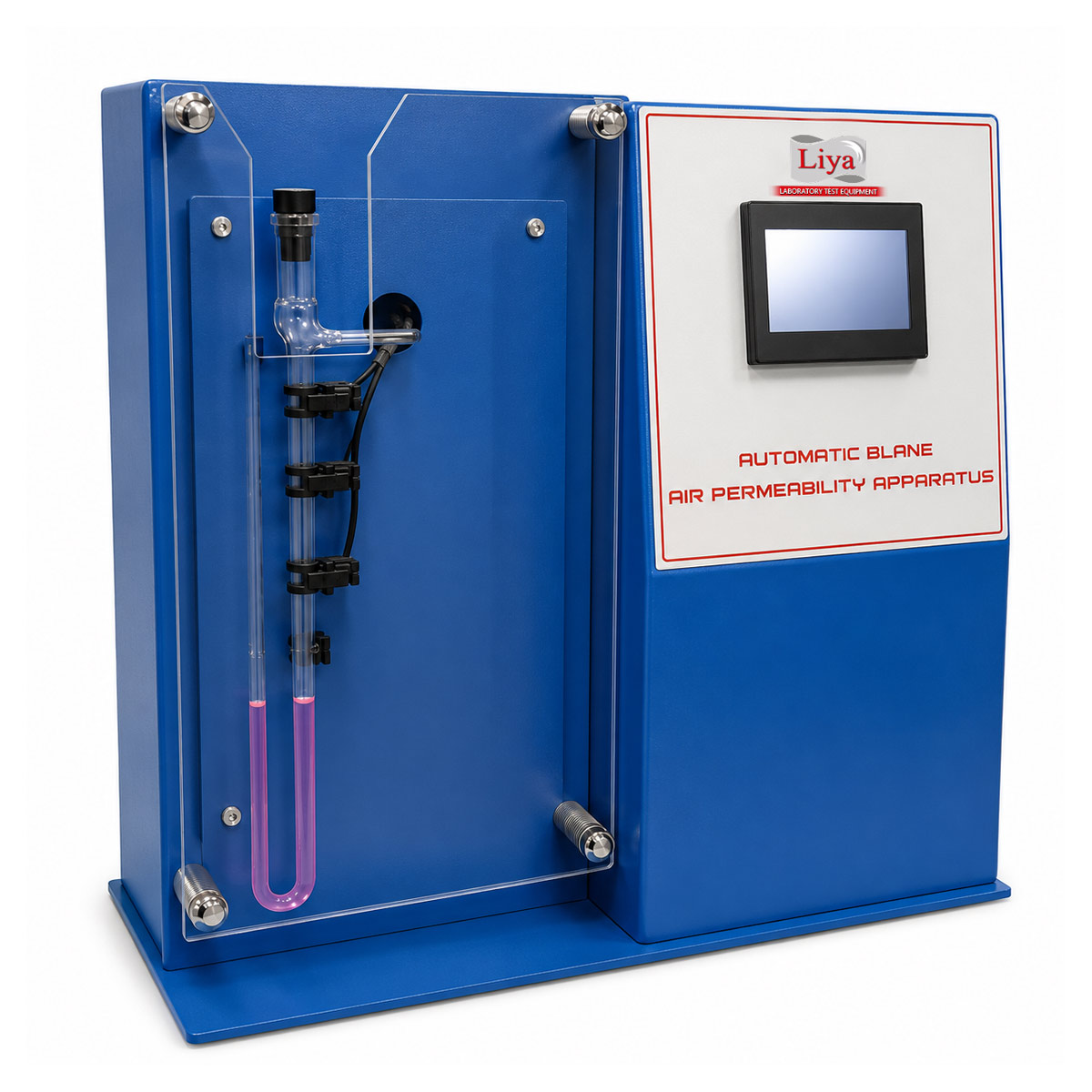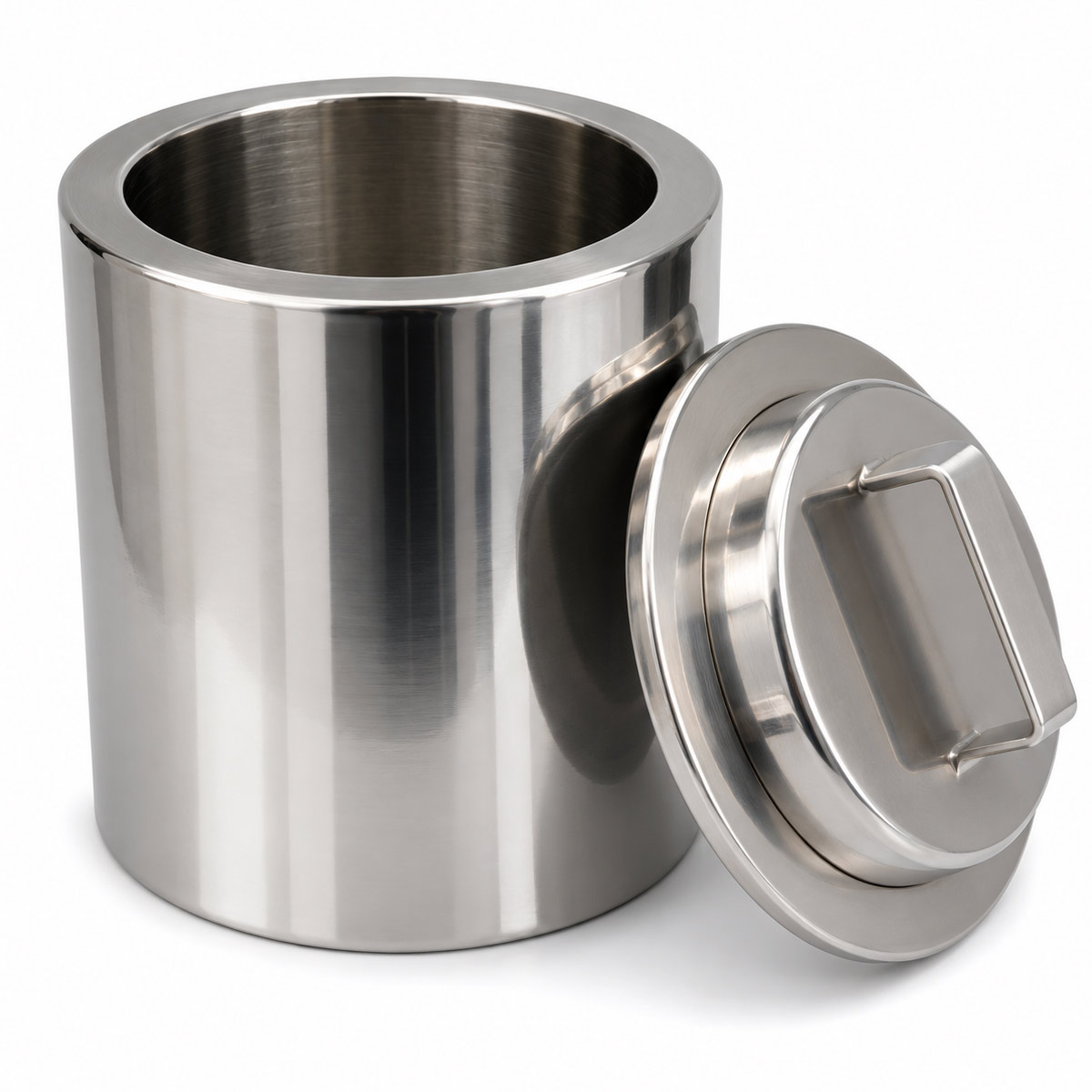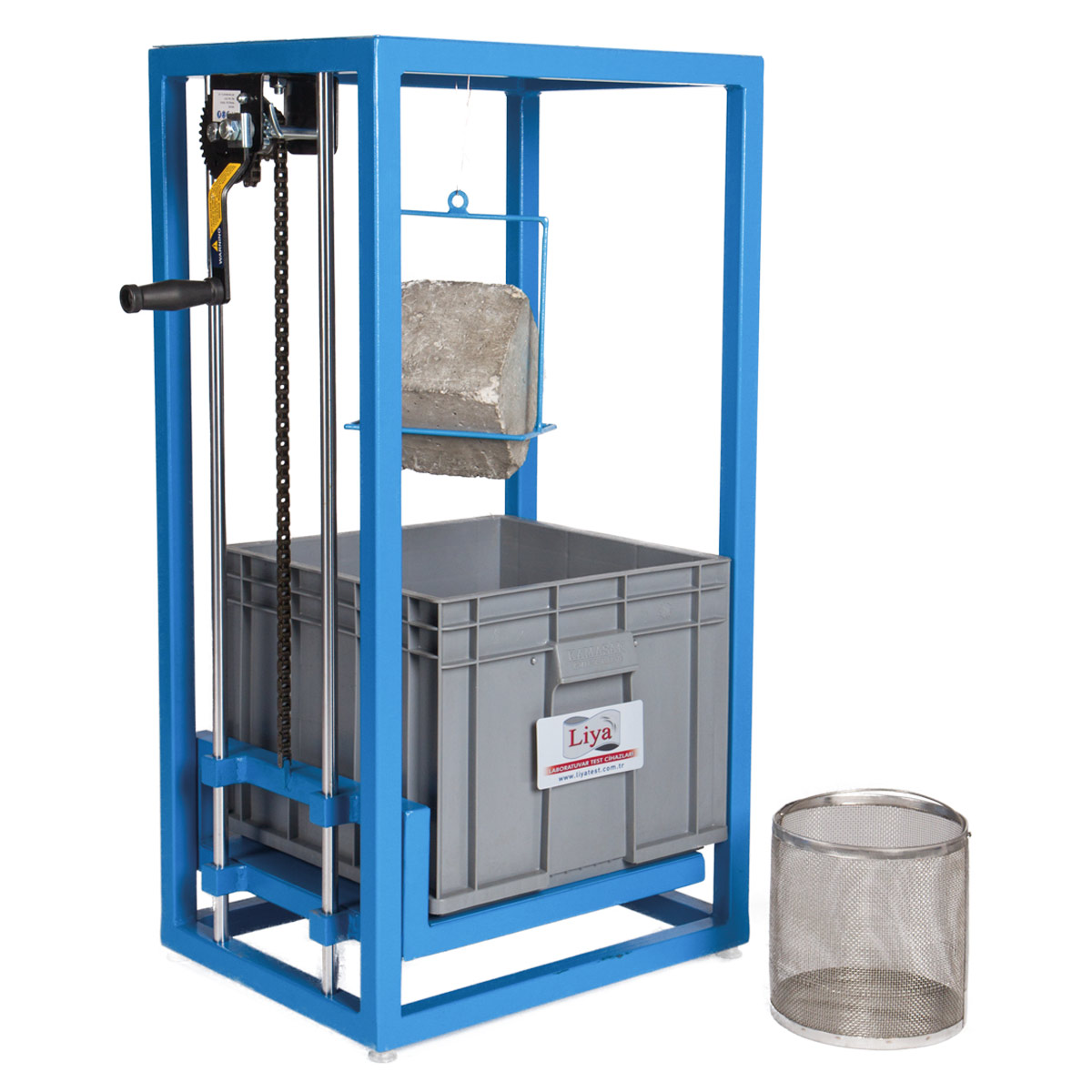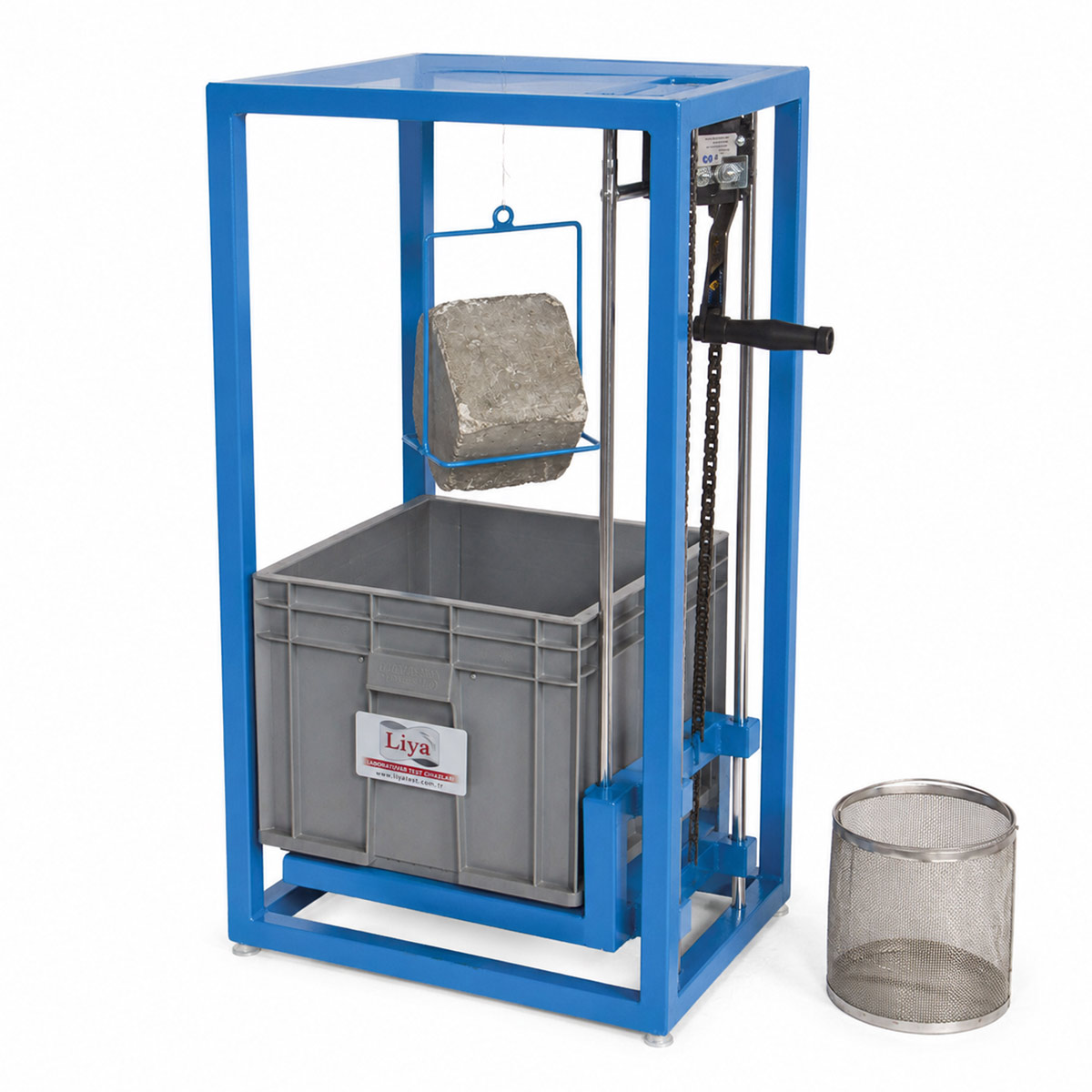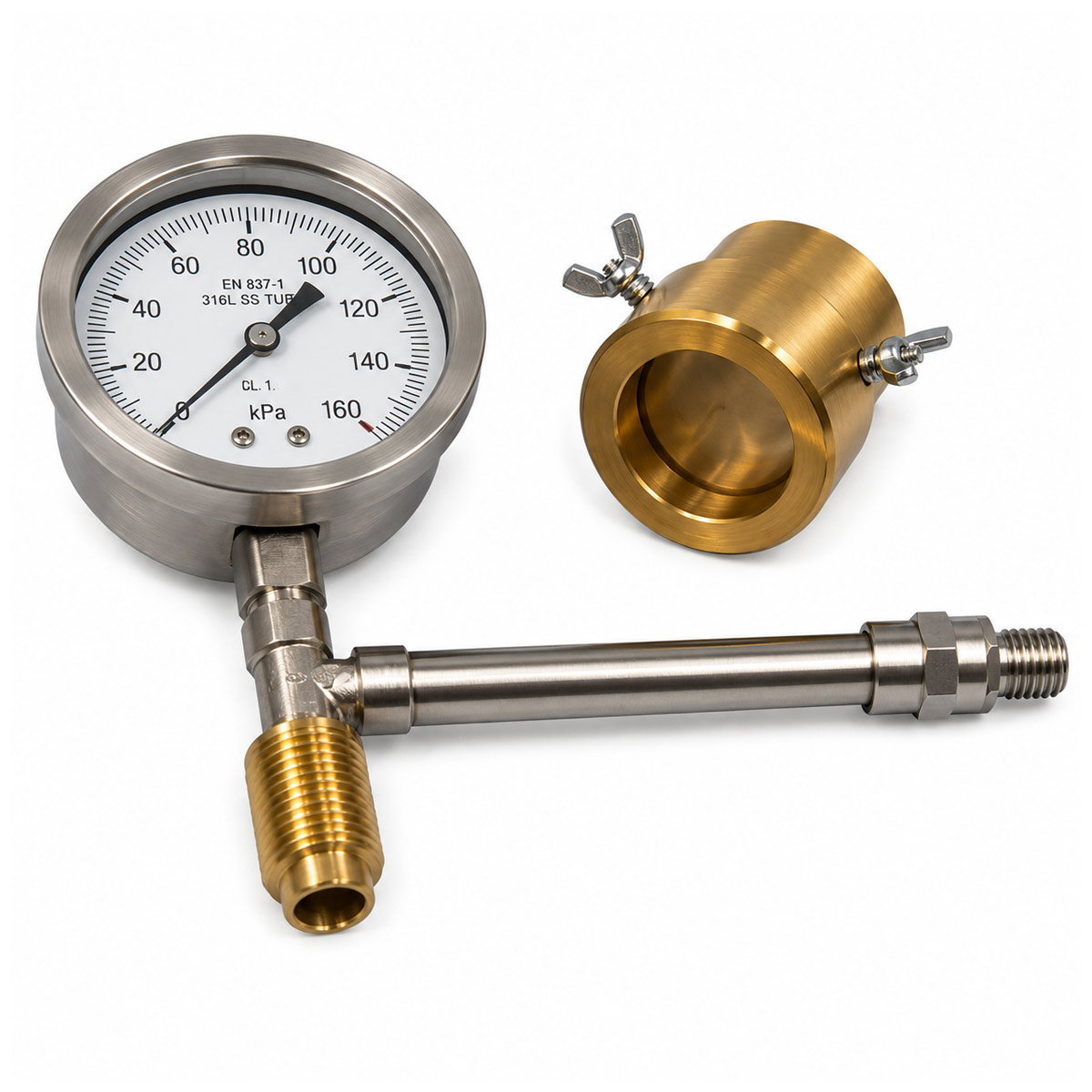

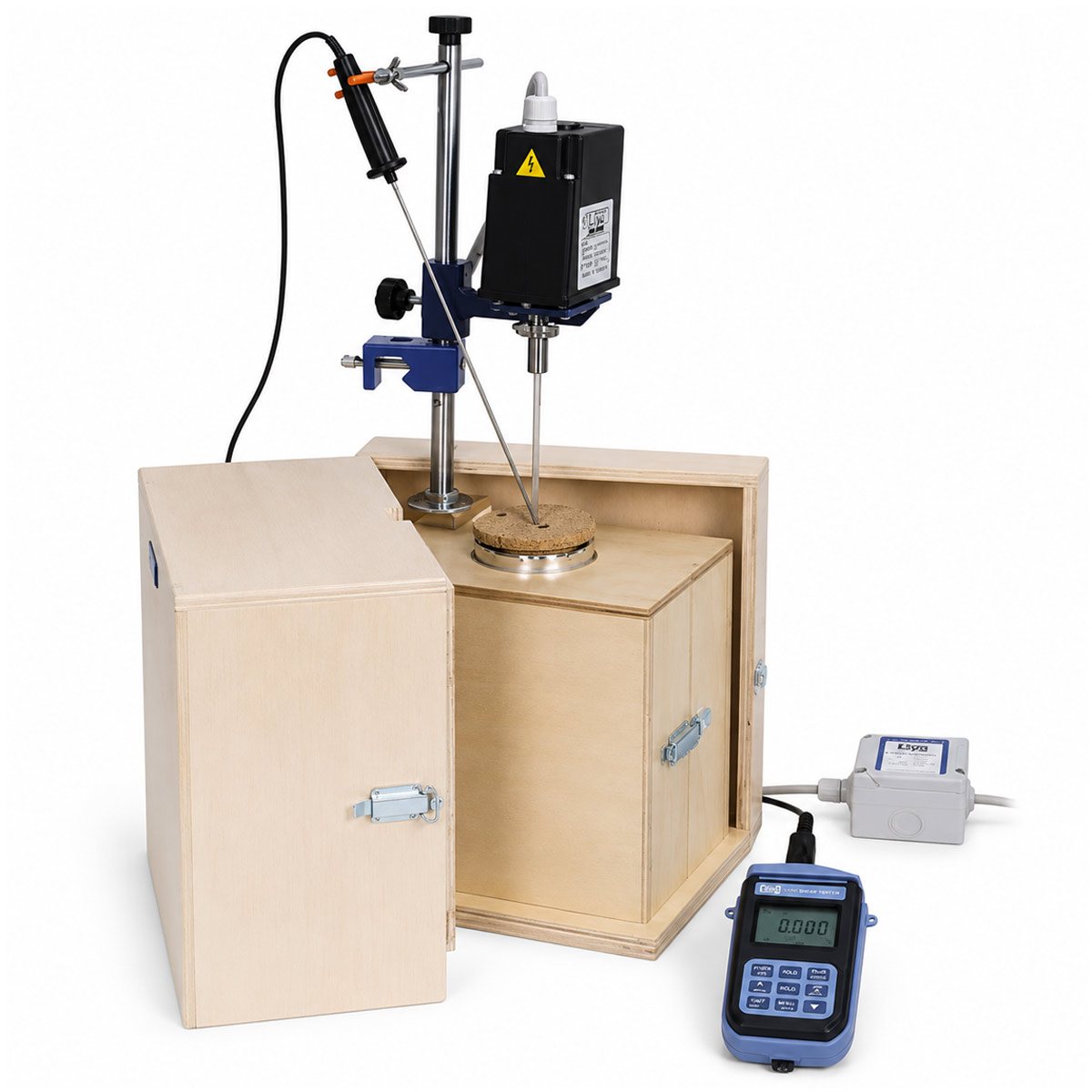
Heat of Hydration Apparatus is designed to determine the heat released during the hydration of hydraulic cement by the solution calorimetry method. The system compares the heat of solution of an unhydrated cement sample with that of a cement sample hydrated for a specified period. The difference between these values is used to calculate the heat of hydration per unit mass of cement.
- Heat of Hydration Determination: Measures the thermal energy released during cement hydration.
- Solution Calorimetry Method: Compares the heat of solution of anhydrous and hydrated cement samples.
- Comparable Test Results: Supports controlled comparison of different cement types.
- Cement Quality Control: Useful for evaluating cement with different heat-development characteristics.
- Research Applications: Supports studies involving cement composition, fineness and hydration behaviour.
- Controlled Laboratory Testing: Requires accurate temperature measurement and standardized test preparation.
- Compact Design: External dimensions of approximately 30 × 20 × 65 cm.
- Laboratory Weight: Approximately 13 kg.
- Product Code: LT-CE0606.
- Standard Support: EN 196-8 solution-method testing. Liya also lists the former ASTM C186 method.
| Product Code | Product Name | External Dimensions (cm) | Weight (kg) |
| LT-CE0606 | Heat of Hydration Apparatus | 30 × 20 × 65 | 13 |

LT_CIMENTO_CIMENTOKALORIMETRESI_
Heat of Hydration Apparatus for Cement Testing
The Heat of Hydration Apparatus determines the thermal energy released as hydraulic cement reacts with water. The system uses solution calorimetry, which compares the heat of solution of unhydrated cement with the heat of solution of the same cement after a defined hydration period.
The difference between these measurements represents the heat released during hydration. Results are normally expressed as energy per unit mass of cement, such as joules per gram. EN 196-8:2010 defines this solution-calorimetry method for cements and hydraulic binders.
Solution Calorimetry Method
The laboratory first prepares an anhydrous cement sample and measures its heat of solution under controlled conditions.
A separate portion of the same cement is then allowed to hydrate for the period specified by the test procedure. After conditioning, the laboratory measures the heat of solution of the hydrated sample.
The difference between the two measured values is used to determine the heat of hydration. This approach allows laboratories to evaluate cement thermal behaviour without measuring the temperature rise of a full concrete element.
Cement Quality Control
Heat of hydration is an important characteristic of cement. Different cement compositions and fineness levels can produce different rates and amounts of heat release.
For this reason, cement manufacturers can use the apparatus to compare production batches or assess different formulations. Research laboratories can also study the effect of mineral additions and other cement constituents on hydration behaviour.
The result should not be interpreted as the actual temperature reached inside a concrete structure. Field temperature development also depends on section dimensions, ambient conditions, insulation and mixture design.
Controlled Laboratory Measurement
Solution calorimetry requires accurate temperature monitoring and careful specimen preparation. The operator should maintain consistent sample mass, test temperature and solution conditions throughout the procedure.
Clean test vessels are also important. Residual material or uncontrolled heat loss can affect the measurement and reduce comparability between tests.
Compact Laboratory Design
The LT-CE0606 Heat of Hydration Apparatus has external dimensions of approximately 30 × 20 × 65 cm and weighs about 13 kg. Its compact structure makes it suitable for cement laboratories, production quality-control departments and research facilities.
EN 196-8 and ISO 29582-1
EN 196-8:2010 remains the current European solution-method standard for determining cement heat of hydration.
ISO 29582-1:2009 specifies the corresponding international solution-calorimetry method and remains confirmed by ISO.
As a result, the Heat of Hydration Apparatus provides laboratories with a controlled solution-calorimetry system for comparing the thermal behaviour of hydraulic cement samples.