
Digital Point Load Tester
STANDART: ASTM D5731
LT-R0001 Digital Point Load Tester | 50 kN
LT-R0003 Digital Point Load Tester | 100 kN
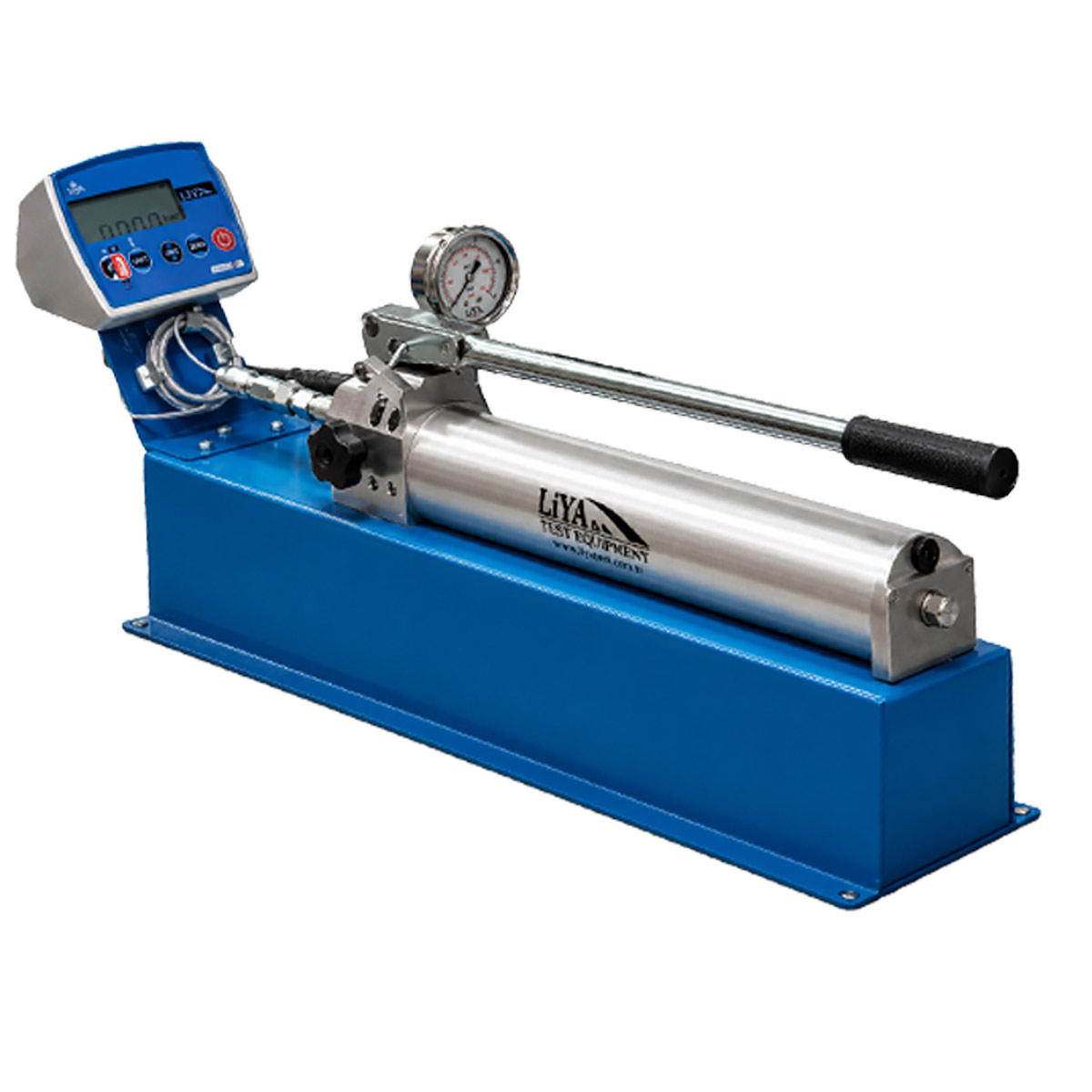
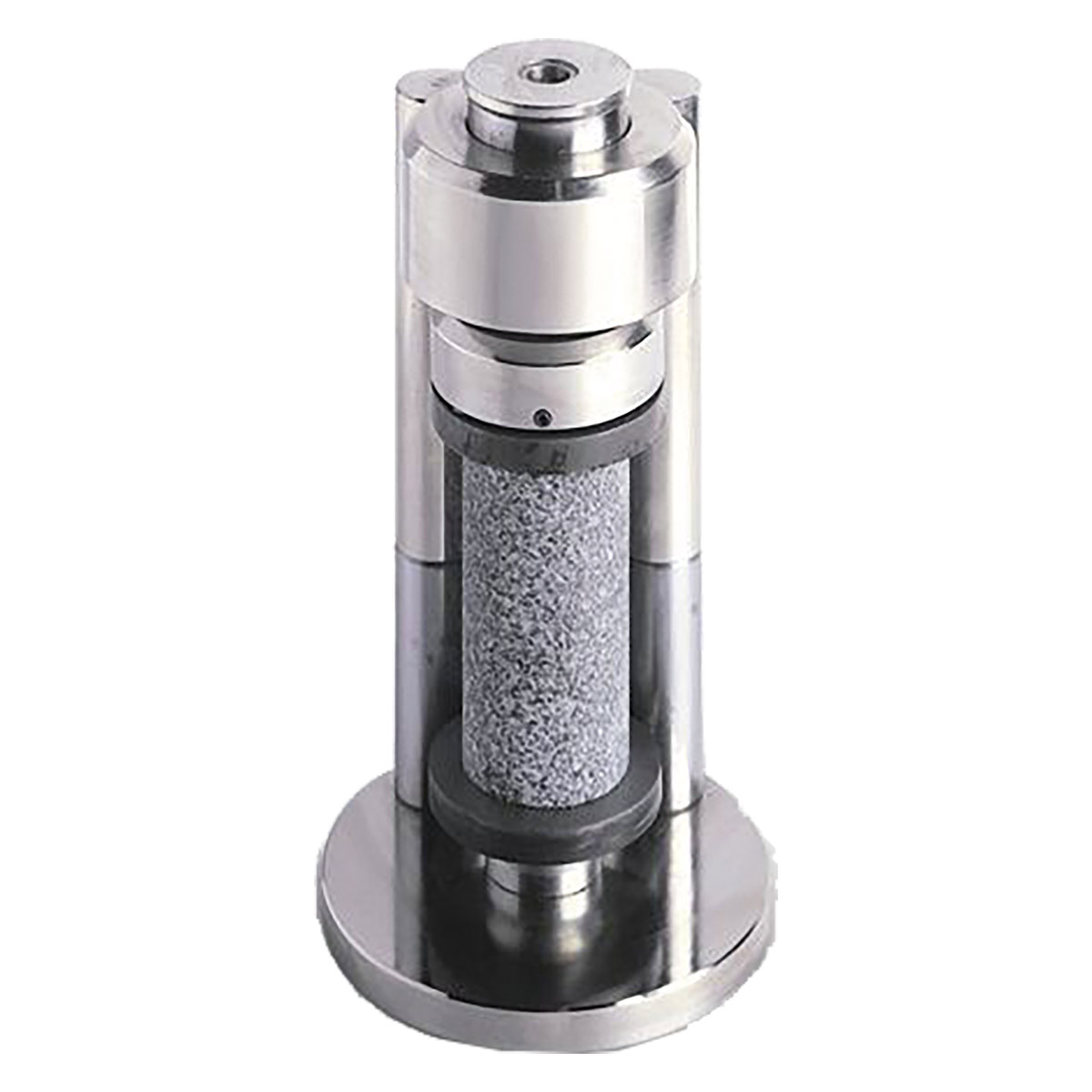
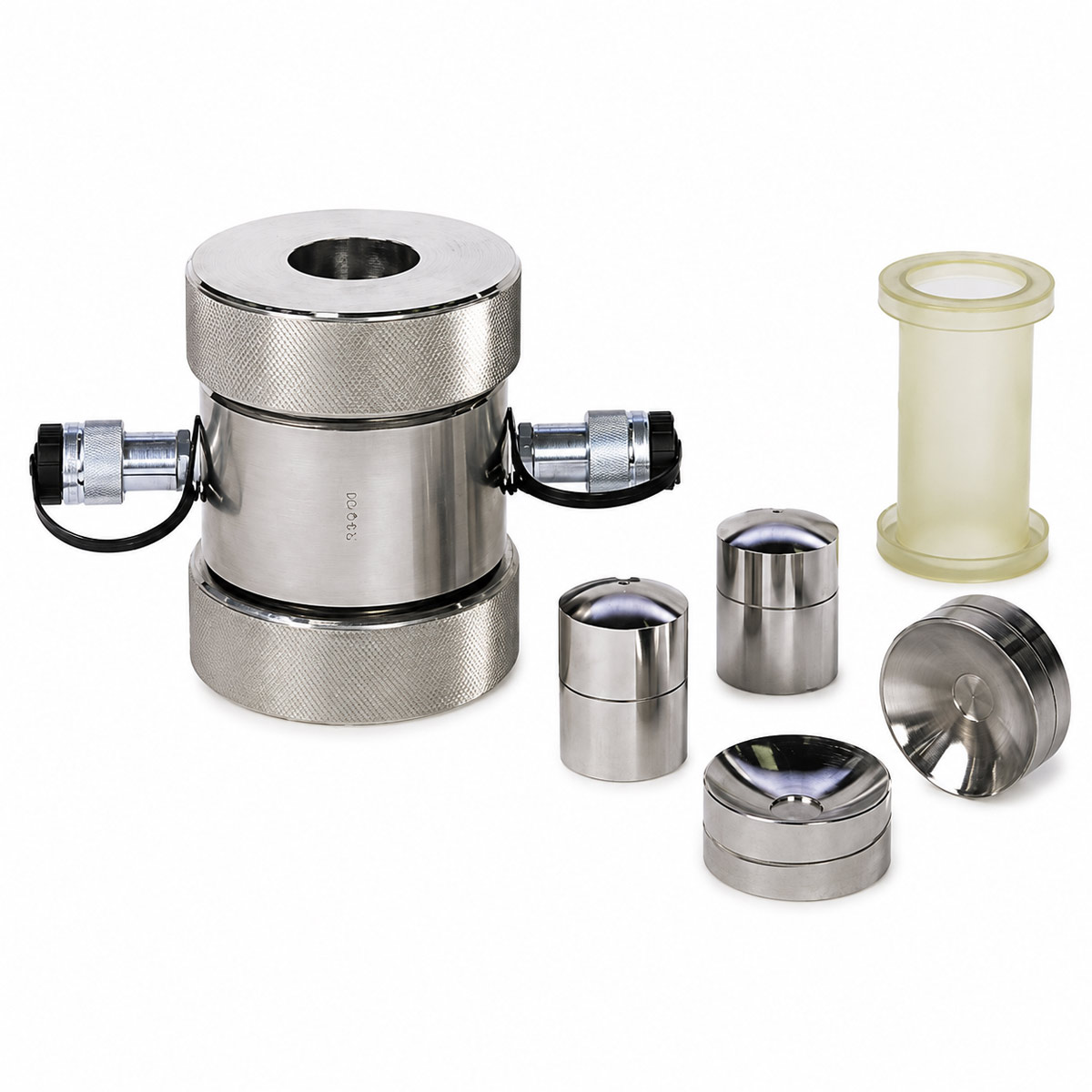
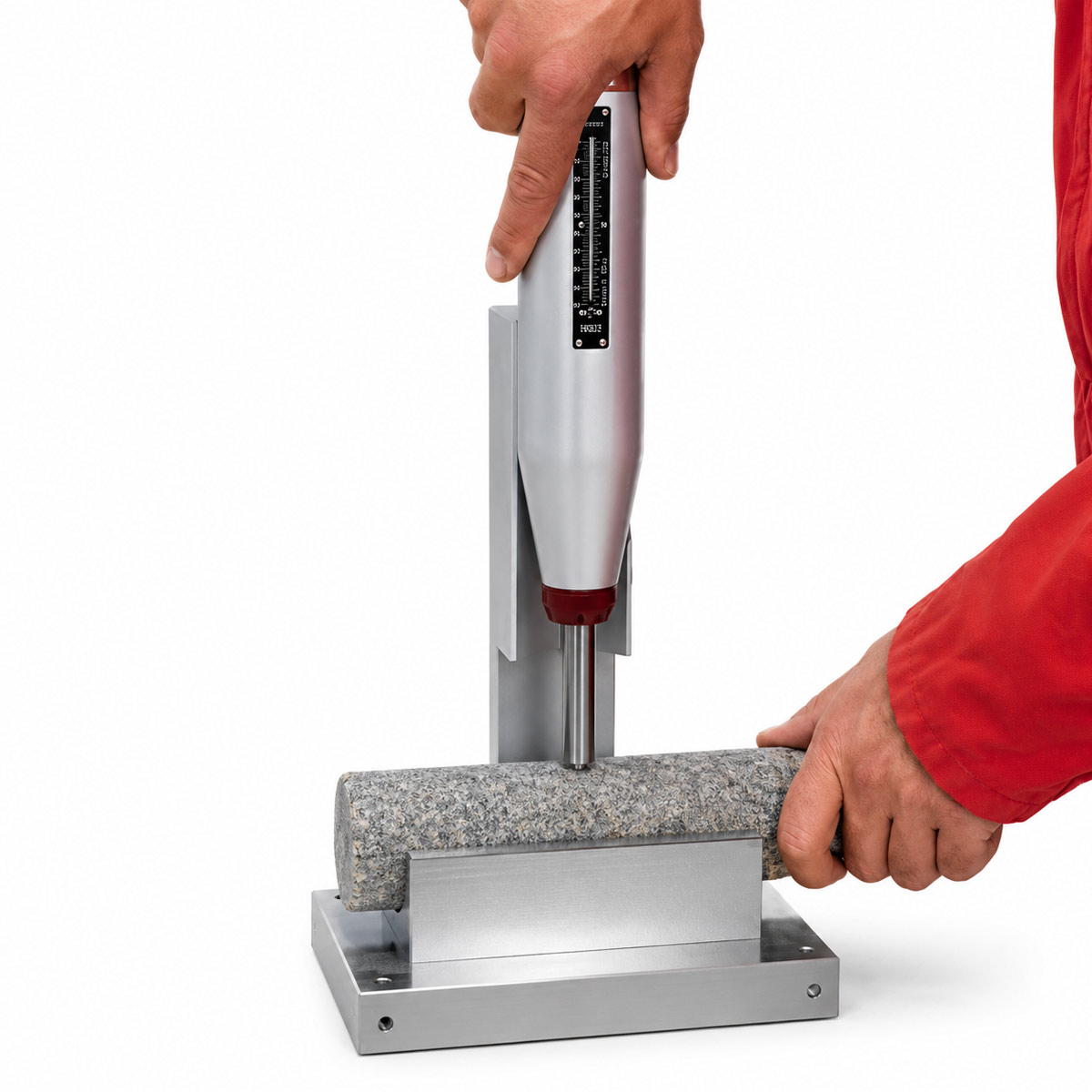
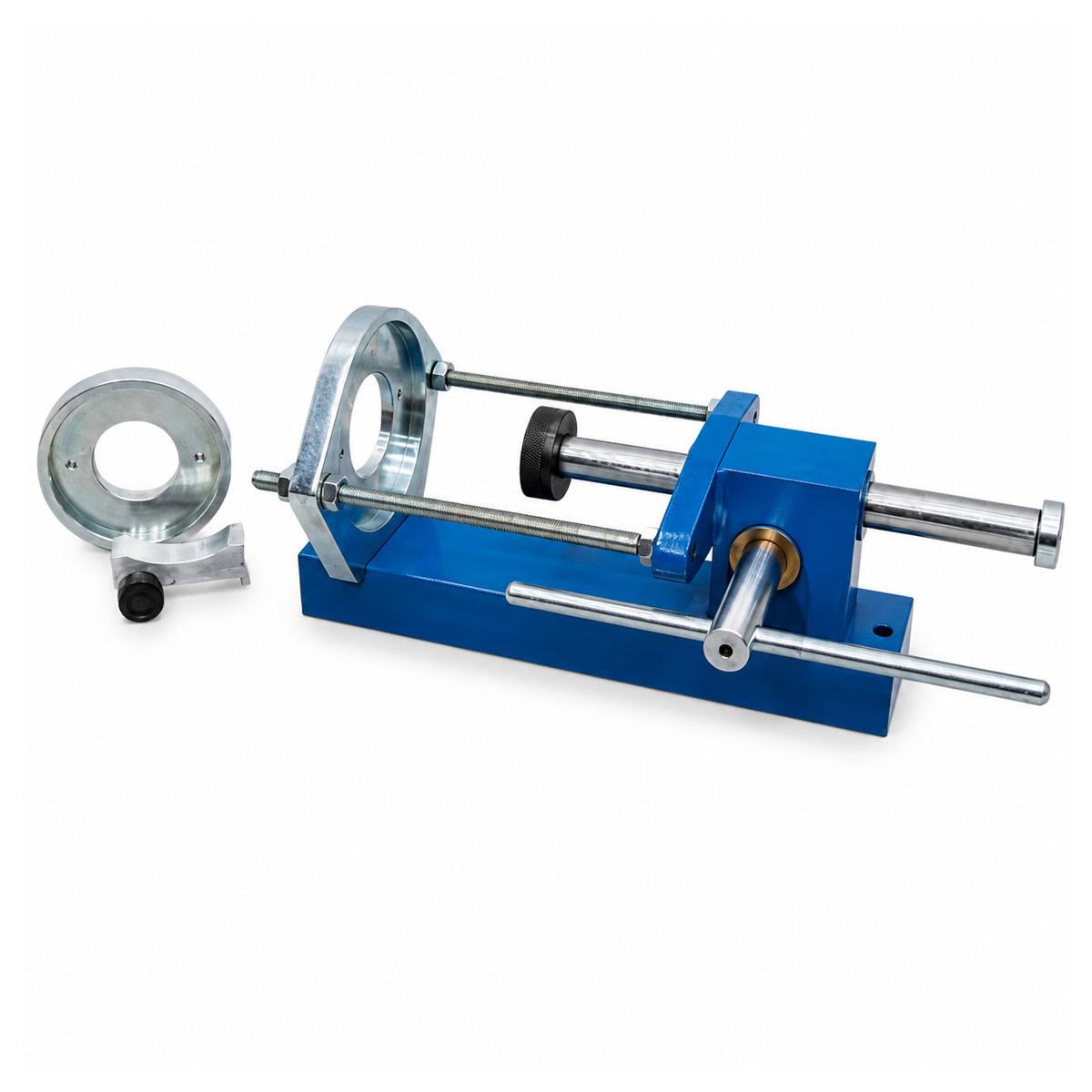
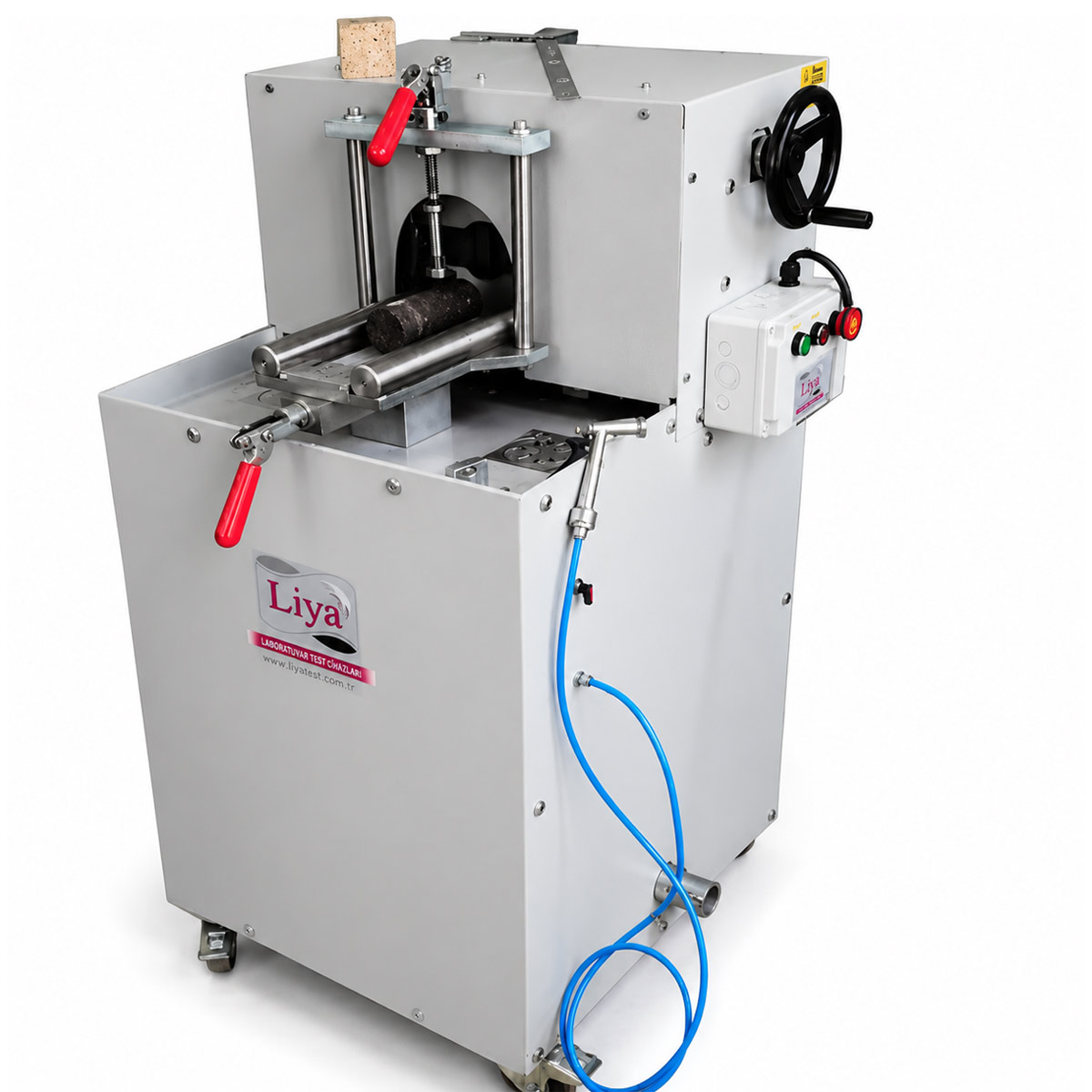
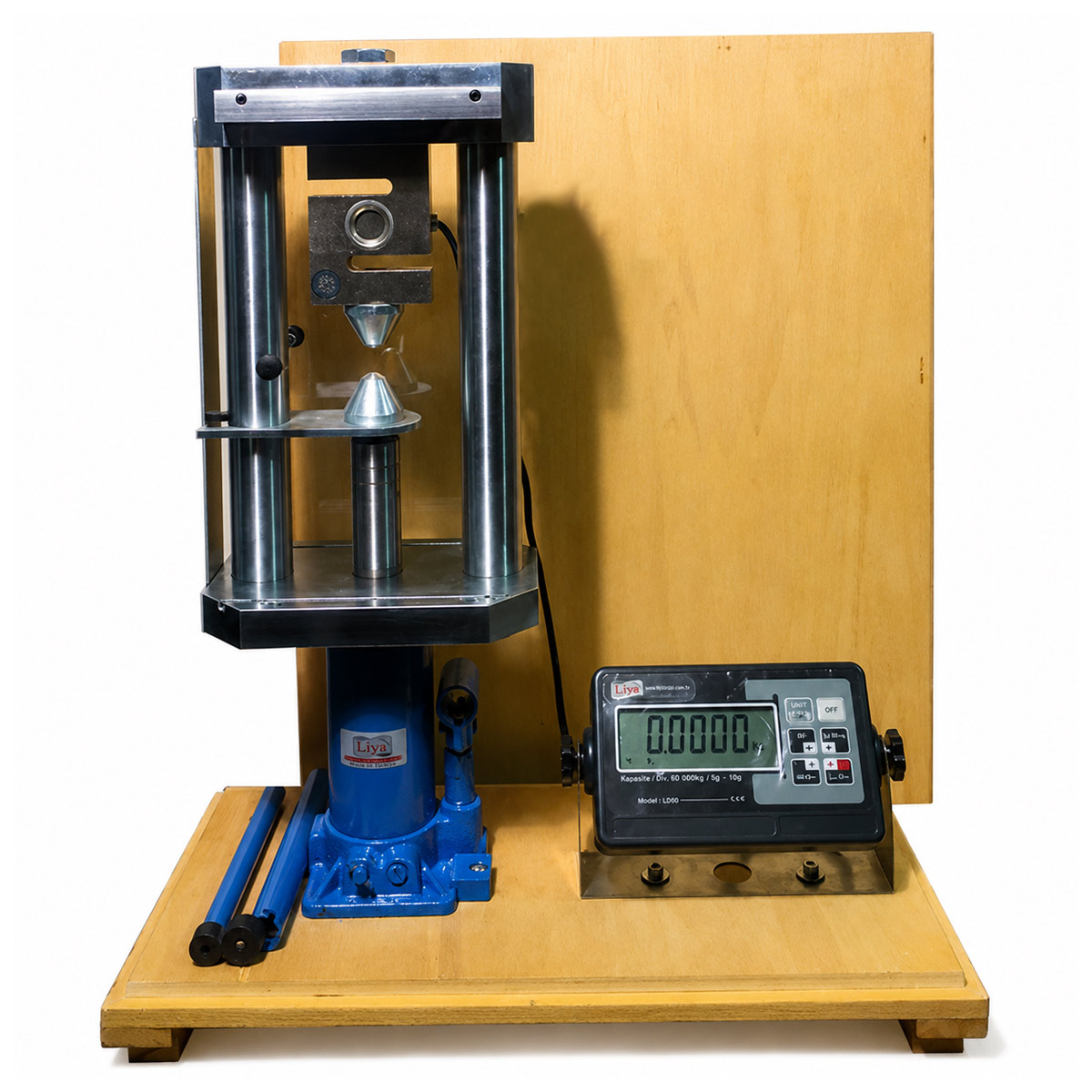
Digital Point Load Tester is designed to determine the point load strength index of rock specimens in laboratory and field applications. Rock cores, cut blocks and irregular rock pieces are loaded between two hardened conical platens until failure occurs. The digital display automatically records the maximum failure load, allowing rapid classification and comparison of different rock materials.
- Two Capacity Options: Available in 50 kN and 100 kN models.
- Point Load Strength Testing: Determines the point load strength index of rock materials.
- Digital Peak Load Recording: Automatically captures the maximum load at specimen failure.
- Hardened Conical Platens: Apply concentrated force through a small contact area.
- Different Specimen Shapes: Suitable for rock cores, blocks and irregular rock pieces.
- 101.6 mm Test Opening: Allows specimens up to approximately 4 in to be positioned in the frame.
- Manual Hydraulic Loading: Hand-operated system provides controlled loading without electrical power.
- Field and Laboratory Use: Portable configuration supports testing at different locations.
- Protective Shield: Helps reduce exposure to fragments during specimen failure.
- Carrying Case: Simplifies transportation and storage.
- 50 kN Model: LT-R0001.
- 100 kN Model: LT-R0003.
- Historical Reference Method: ASTM D5731-16.
| Product Code | Product Name | Dimensions (cm) | Weight (kg) |
| LT-R0001 | Digital Point Load Tester | 40 × 53 × 72 | 25 |
| LT-R0003 | Digital Point Load Tester | 40 × 53 × 72 | 50 |

LT_KAYA_DIGINOKTAYUKLEME_
Digital Point Load Tester for Rock Strength Classification
The Digital Point Load Tester provides a fast method for evaluating the relative strength of rock specimens. The system applies concentrated load through two hardened conical platens until the specimen fails. The digital measuring unit records the maximum force reached during the test.
The point load method requires relatively little specimen preparation. Therefore, laboratories and field teams can quickly compare rock cores, cut blocks and irregular specimens.
50 kN and 100 kN Capacity Options
Liya Test offers two models for different rock-strength ranges. The LT-R0001 provides 50 kN capacity, while the LT-R0003 provides 100 kN capacity.
Both models have external dimensions of 40 × 53 × 72 cm. The 50 kN version weighs approximately 25 kg, while the 100 kN version weighs approximately 50 kg.
The higher-capacity model provides additional working range when testing specimens that require greater failure loads.
Hardened Conical Loading Platens
Two hardened conical platens transfer the hydraulic force to a small area of the rock specimen. The operator positions the sample between these platens and gradually increases the load.
The concentrated force eventually causes the specimen to fracture. Consistent platen condition and correct specimen positioning help produce more repeatable results.
Digital Maximum Load Recording
The digital indicator monitors the applied force throughout the test. When the specimen breaks, the unit retains the maximum load value.
This feature is particularly useful because failure may occur suddenly. Automatic peak recording prevents the operator from missing the highest load during the rapid drop after fracture.
Different Rock Specimen Types
The system can accommodate rock cores, cut blocks and irregular lumps. Its frame provides an opening of approximately 101.6 mm, or 4 inches.
The historical ASTM D5731 procedure generally covered test diameters between 30 and 85 mm, even though a machine may physically accommodate larger specimens. Therefore, the actual specimen dimensions should follow the selected test procedure rather than only the machine opening.
Manual Hydraulic Field Operation
A hand-operated hydraulic system applies the test force. Since the loading mechanism does not require electrical power, the machine can operate in both laboratory and field environments.
A protective shield helps limit the spread of fragments when the rock breaks. The carrying case also makes transportation between test locations easier.
Point Load Strength Index
The point load test produces an index value for rock classification and comparison. It should not automatically replace a full uniaxial compressive strength test for structural design. ASTM specifically described the point load method as an index test and cautioned against using the result directly for design or analytical purposes.
As a result, the Digital Point Load Tester combines portable hydraulic loading, digital peak-force measurement and two capacity options for fast rock-strength evaluation.