
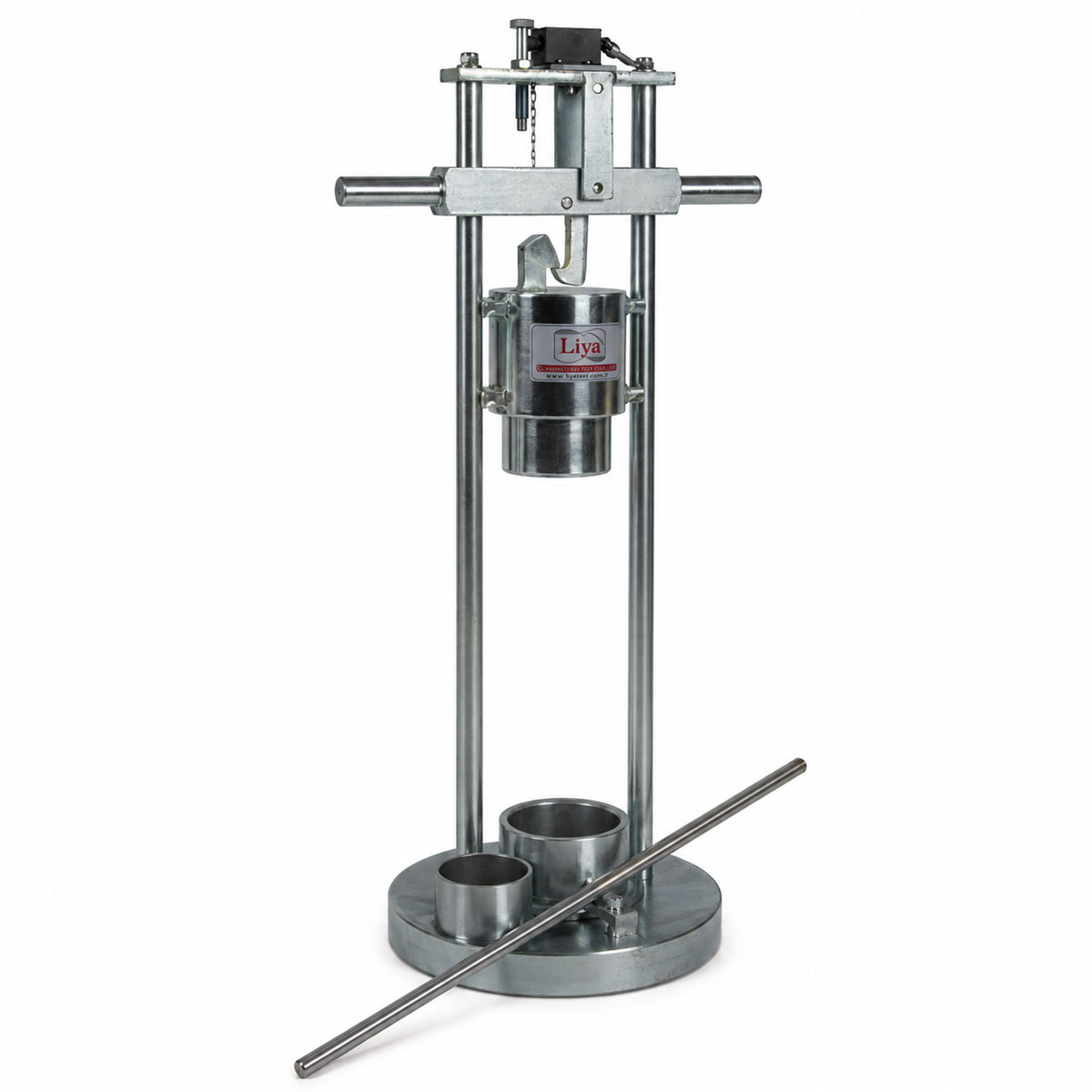
Aggregate Impact Value Apparatus

STANDART:  BS 812:112

LT-A0066      Aggregate Impact Value Apparatus

    PRODUCT DETAILS

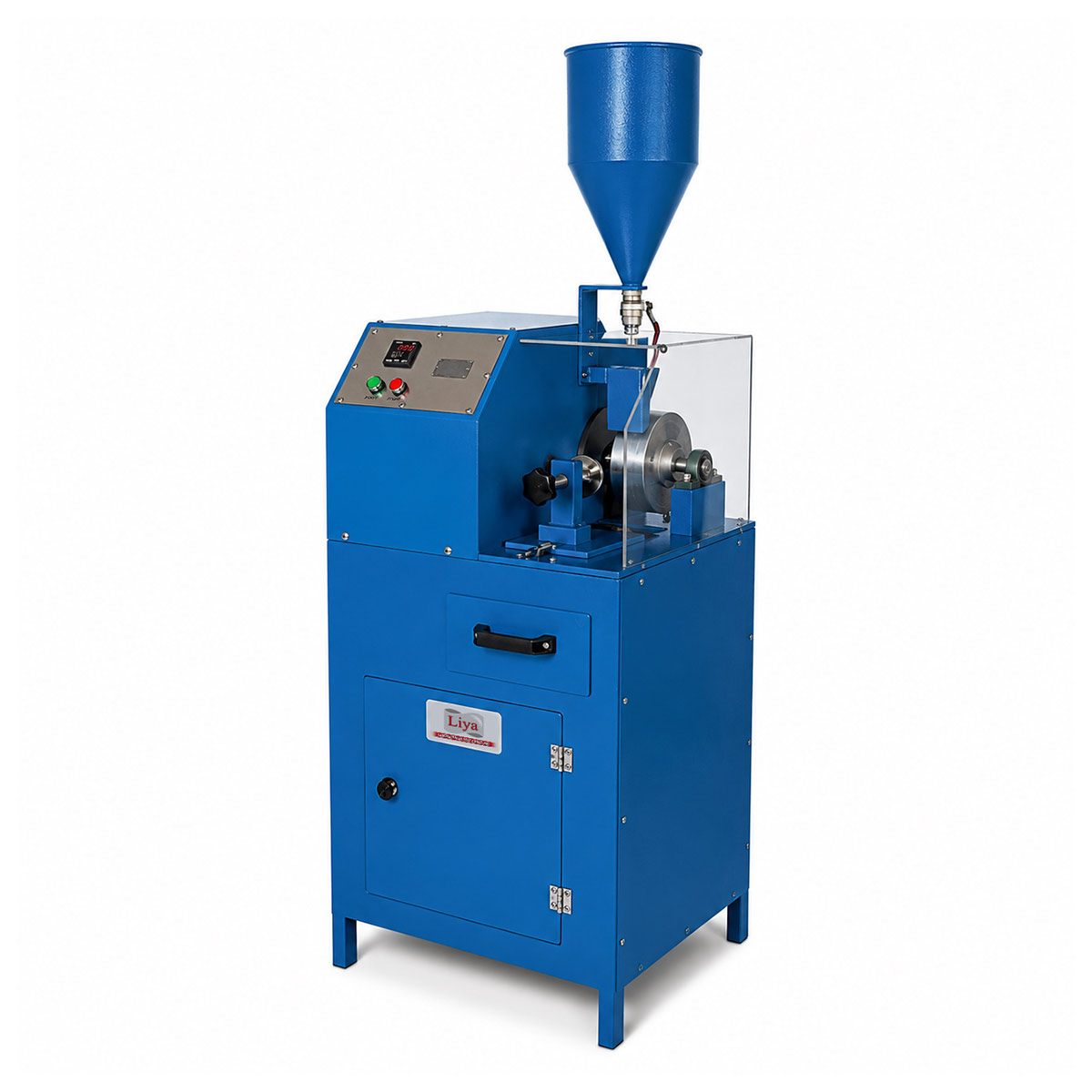
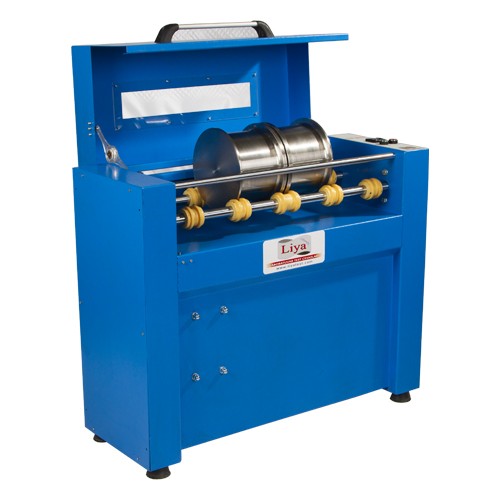
    Aggregate Impact Value Apparatus determines the resistance of aggregates to sudden impact and shock loads. The test supports the calculation of the Aggregate Impact Value (AIV), which provides a numerical indication of the aggregate's resistance to impact-induced fragmentation. The hardened steel construction, automatic blow counter and standard accessories provide controlled and repeatable laboratory testing.

    • Aggregate Impact Testing: Determines resistance of aggregates to sudden impact and shock.
    • AIV Determination: Supports calculation of the Aggregate Impact Value.
    • Automatic Blow Counter: Records the number of impacts applied during the test.
    • Hardened Steel Construction: Provides durability under repeated impact loading.
    • Cylindrical Measure: Includes a Ø75 × 50 mm cylindrical measure.
    • Steel Tamping Rod: Supports consistent specimen preparation.
    • Controlled Test Procedure: Helps maintain repeatable impact conditions.
    • Compact Dimensions: Machine dimensions are 45 × 35 × 85 cm.
    • Robust Construction: Approximate machine weight is 51.5 kg.
    • Product Code: LT-A0066
    • Standard: BS 812-112
    TECHNICAL SPECIFICATIONS
    Product Code Product Name Dimensions (cm) Weight (kg)
    LT-A0066 Aggregate Impact Value Apparatus 45 × 35 × 85 51.5


    TECHNICAL DOCUMENT

    LT_AGREGADARBE_

    Description
    What Is an Aggregate Impact Value Apparatus?

    The Aggregate Impact Value Apparatus determines the resistance of aggregates to sudden impact and shock. The test produces the Aggregate Impact Value (AIV), which allows laboratories to compare the impact resistance of different aggregate samples.

    Aggregates can experience repeated impact loads during production, transportation, compaction and service. Therefore, impact resistance provides useful information when evaluating materials for construction applications. A lower AIV generally indicates greater resistance to impact-induced fragmentation.

    Controlled Impact Testing

    The operator first prepares the aggregate sample according to the applicable test procedure. The prepared material is then placed into the cylindrical test cup.

    A steel tamping rod helps distribute and compact the aggregate in a consistent manner. After sample preparation, the impact mechanism applies a defined series of blows to the aggregate.

    The integrated automatic blow counter records each impact. Therefore, the operator does not need to count the blows manually. This feature simplifies the test and helps maintain consistent conditions between different samples.

    How Is the Aggregate Impact Value Determined?

    After the required number of impacts has been completed, the operator removes the crushed aggregate from the apparatus.

    The material is then sieved using the specified test sieve. The fine fraction passing through the sieve is collected and weighed.

    The mass of this fine material is compared with the original dry sample mass. The result is expressed as a percentage and reported as the Aggregate Impact Value.

    A higher percentage indicates that a larger proportion of the aggregate fragmented during impact loading. In contrast, a lower result indicates stronger resistance to sudden shock.

    Hardened Steel Construction

    The main components of the apparatus are manufactured from durable steel to withstand repeated impact loads.

    This robust construction supports intensive laboratory use. It also helps maintain the geometry of the test assembly during repeated testing.

    The set includes a Ø75 × 50 mm cylindrical measure and a steel tamping rod for sample preparation.

    The LT-A0066 model has overall dimensions of 45 × 35 × 85 cm and weighs approximately 51.5 kg.

    Aggregate Quality Control

    The AIV test can support the comparison of aggregates from different sources or production batches.

    However, laboratories should not evaluate aggregate quality from a single mechanical test alone. Impact resistance can be considered together with crushing resistance, abrasion resistance, particle density and water absorption results.

    This combined approach provides a broader understanding of aggregate performance.

    Testing According to BS 812-112

    BS 812-112 describes the method for determining the Aggregate Impact Value and evaluating aggregate resistance to sudden impact.

    The Aggregate Impact Value Apparatus combines a hardened steel test assembly, automatic impact counting and practical sample preparation accessories. As a result, laboratories can perform AIV testing under controlled and repeatable conditions.