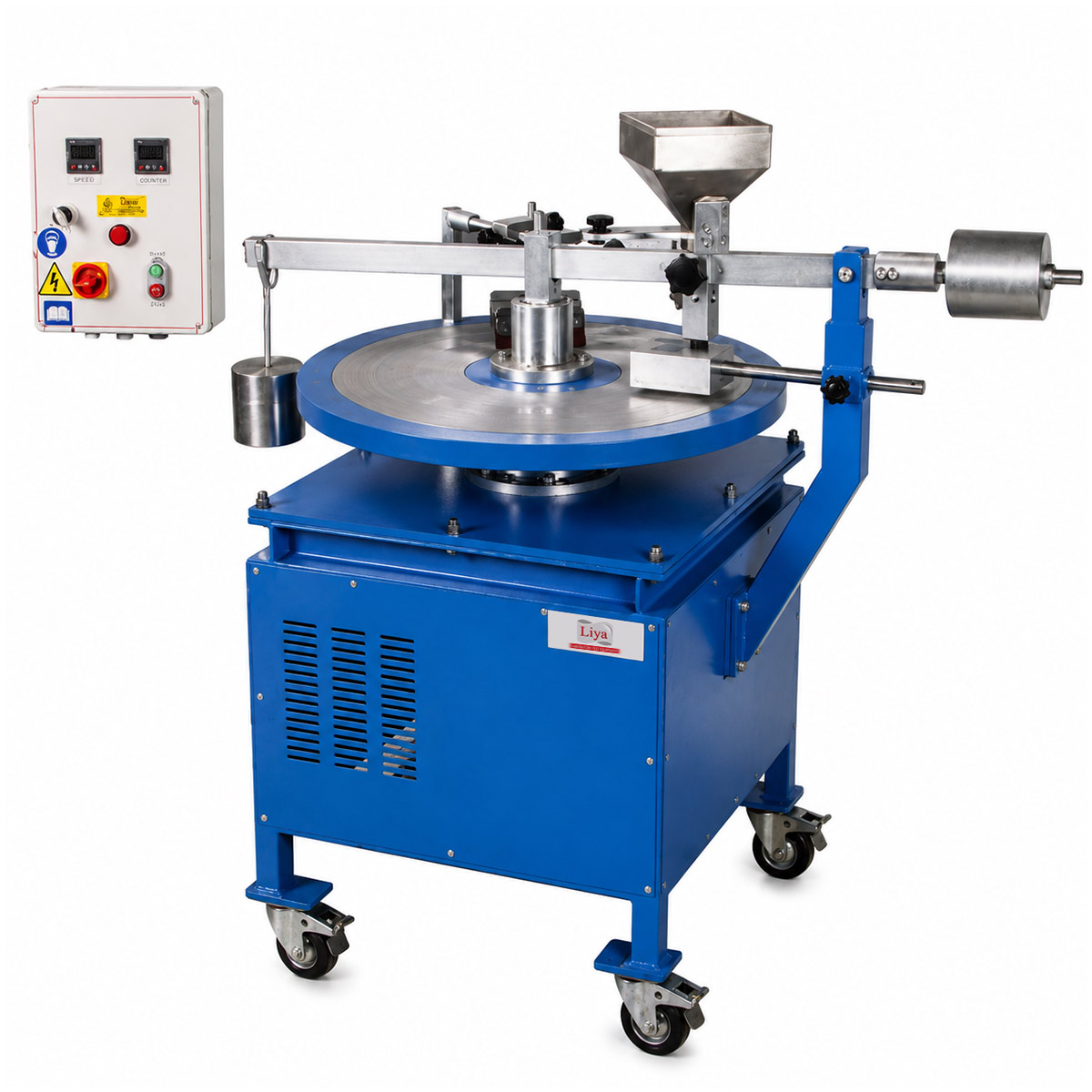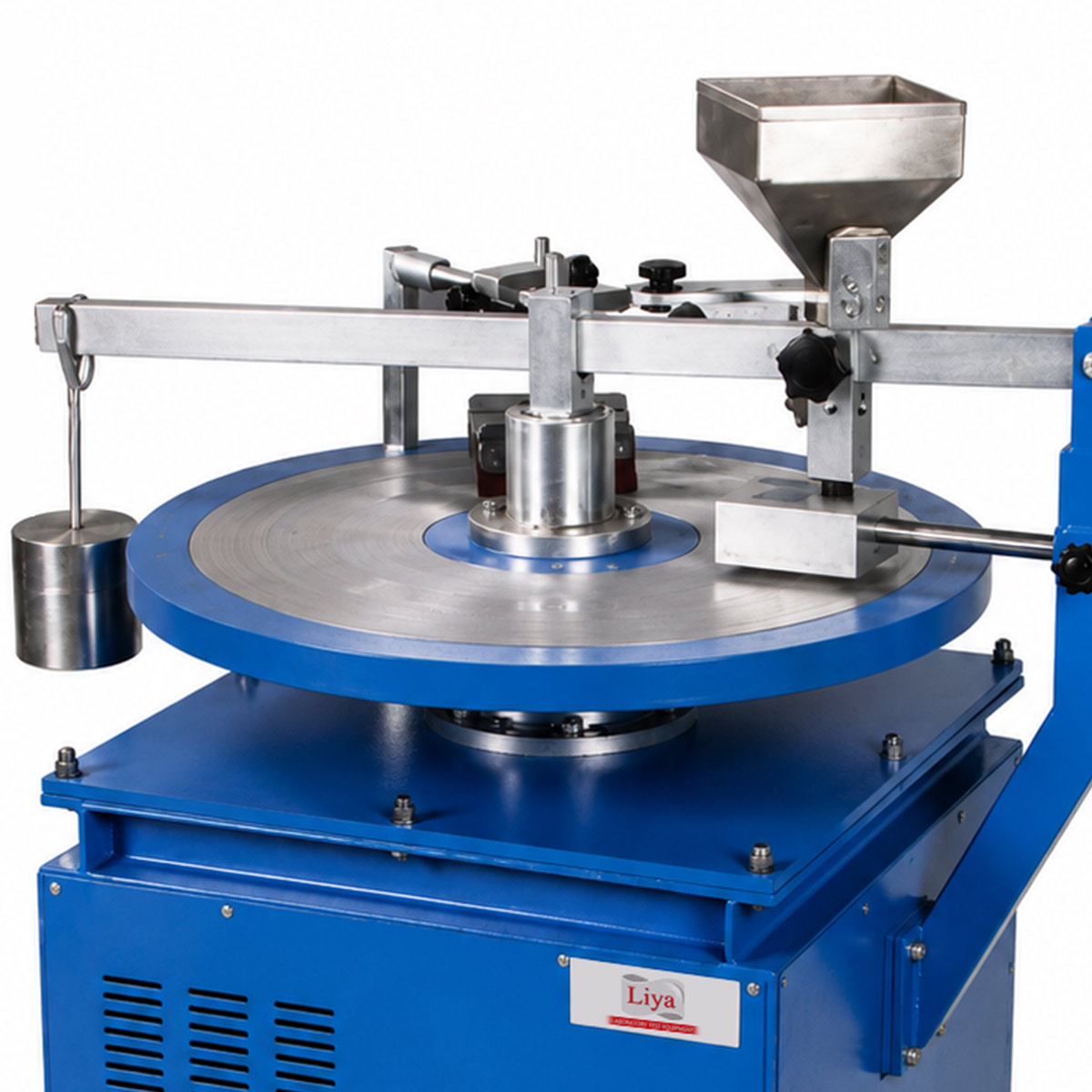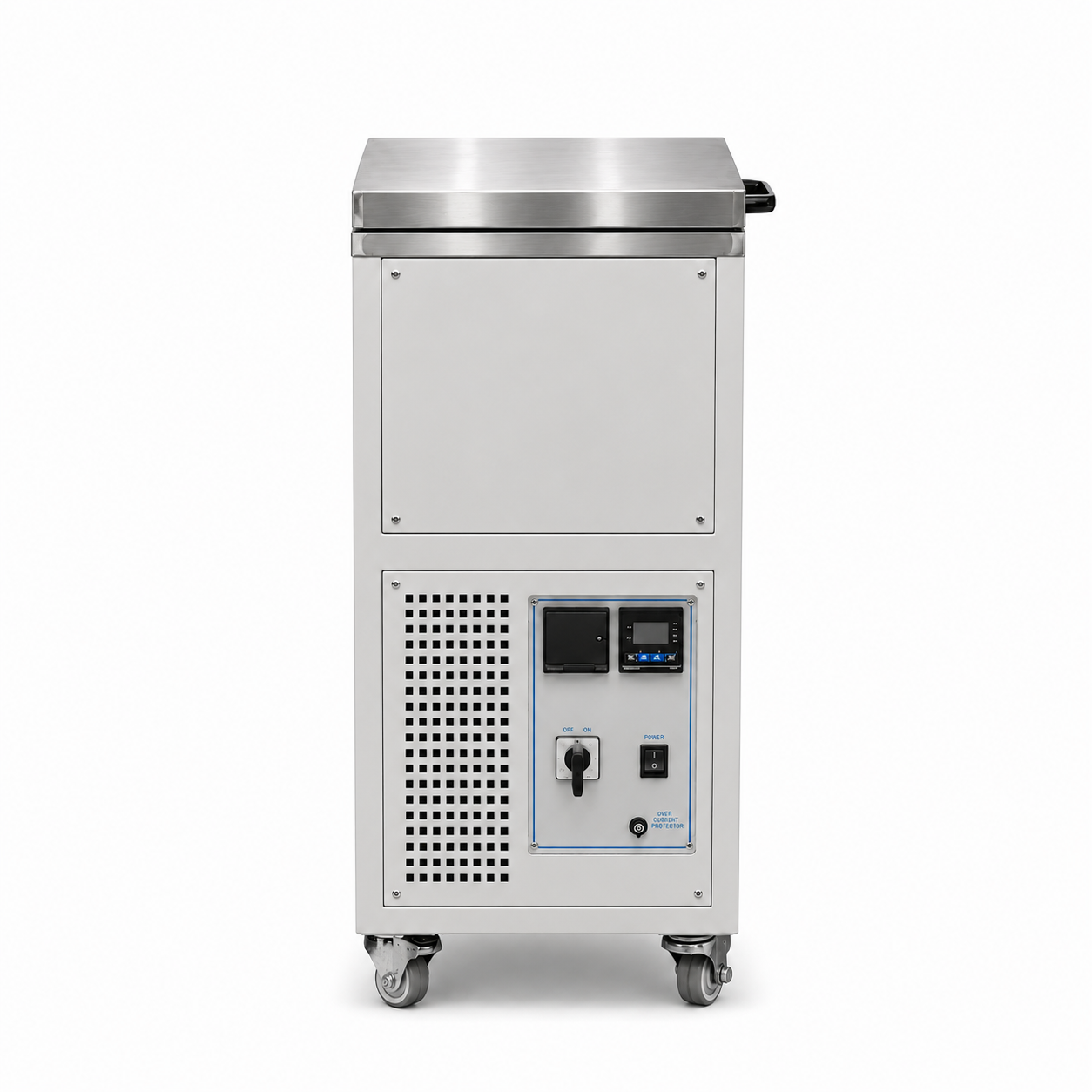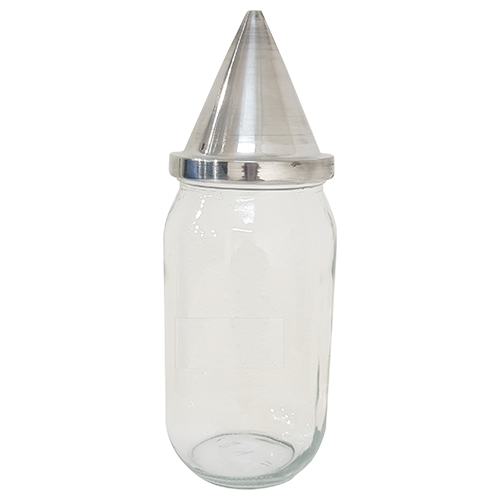

Pendulum Skid Resistance Tester
STANDART: BS 812
LT-A1044 Pendulum Skid Resistance Tester
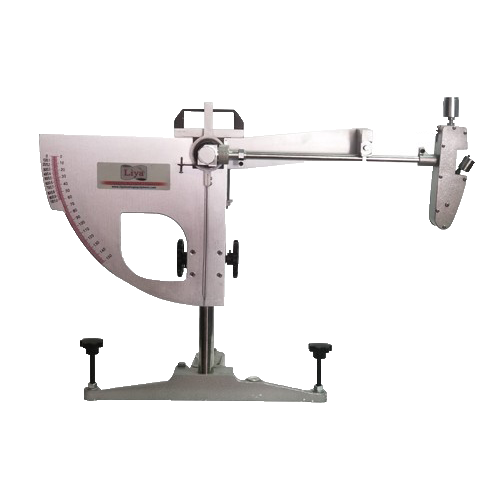
Pendulum Skid Resistance Tester measures the friction and skid resistance characteristics of wet and dry surfaces using the pendulum method. The rubber slider mounted at the end of the pendulum arm passes over the test surface under controlled conditions. The energy loss generated during this movement is converted into a skid resistance value, allowing different road, pavement and flooring surfaces to be compared under standardized conditions.
- Pendulum-Type Measurement: Evaluates friction between the rubber slider and the test surface.
- Wet and Dry Testing: Supports comparative measurements under different surface conditions.
- Field and Laboratory Use: Portable construction is suitable for both on-site and laboratory testing.
- Adjustable Contact Length: Slider contact distance can be set before testing.
- Direct Scale Reading: Results can be read directly from the instrument scale.
- Surface Comparison: Allows relative skid resistance of different surface materials to be evaluated.
- Rubber Slider System: Standard rubber slider provides controlled contact with the surface.
- Compact Construction: Approximate dimensions are 40 × 75 × 75 cm.
- Portable Design: Approximate weight is 17 kg.
- Product Code: LT-A1044
- Standards / References: ASTM E303, EN 13036-4, BS 812
| Product Code | Product Name | Dimensions (cm) | Weight (kg) |
| LT-A1044 | Pendulum Skid Resistance Tester | 40 × 75 × 75 | 17 |

LT_KAYMADIRENCI_
What Is a Skid Resistance Tester?
The Skid Resistance Tester evaluates the friction characteristics of wet or dry surfaces using the pendulum method. A rubber slider mounted at the end of the pendulum arm passes across the test surface under controlled conditions. The instrument measures the energy lost during this contact and converts it into a skid resistance value.
Skid resistance is an important parameter when evaluating the safety and performance of road, pavement and flooring surfaces. However, the measured value can be affected by surface texture, moisture, temperature and contamination. The condition of the rubber slider can also influence the result.
How Does the Pendulum System Work?
The instrument uses a pendulum arm mounted on a vertical support.
A specially designed rubber slider is attached to the end of the arm. The operator raises the pendulum to its starting position and releases it. As the arm passes across the test surface, the slider contacts the material over a controlled distance.
Friction between the slider and the surface reduces the energy of the pendulum.
The indicator displays this energy loss as a skid resistance value. Under the same test conditions, a higher reading generally indicates greater surface friction.
The pendulum method provides a practical way to compare different materials under repeatable laboratory or field conditions.
How Is the Skid Resistance Test Performed?
First, the operator places the tester on a stable and level surface. The levelling adjustments are checked before beginning the test.
The test area is then cleaned. If a wet-surface measurement is required, the surface is prepared with water according to the applicable test procedure.
Next, the operator adjusts the rubber slider contact length. Several preliminary swings may be performed to ensure correct operation and surface contact.
The required number of measurements is then taken and recorded.
Testing the same area in different directions can also provide useful information because surface texture may vary according to orientation.
Rubber Slider Inspection
The rubber slider should be inspected before each series of measurements.
A worn, hardened, damaged or contaminated slider can change the friction response and influence the final result.
For this reason, the slider should be cleaned regularly and replaced when necessary.
The pendulum arm must also move freely without unwanted mechanical resistance. Keeping the moving components clean and correctly adjusted helps maintain consistent test conditions.
Portable Field and Laboratory Testing
The LT-A1044 Pendulum Skid Resistance Tester has approximate dimensions of 40 × 75 × 75 cm and weighs approximately 17 kg.
Its portable design allows the instrument to be transported between the laboratory and different field locations.
This makes it suitable for applications involving road surfaces, pedestrian areas, airport surfaces, flooring materials and other finished surfaces where friction performance needs to be evaluated.
Surface Comparison and Quality Control
The pendulum method allows different surface materials and treatments to be compared under similar conditions.
Engineers can use the results to evaluate changes in surface friction caused by polishing, wear, surface treatment or environmental exposure.
However, skid resistance should not be evaluated from a single reading alone. Multiple measurements should be taken over a representative test area.
Test conditions should also be recorded so that future results can be compared correctly.
Testing According to ASTM E303 and EN 13036-4
ASTM E303 describes the measurement of surface frictional properties using the British Pendulum Tester.
EN 13036-4 covers measurement of slip/skid resistance of pavement and road surfaces using the pendulum method.
The Pendulum Skid Resistance Tester combines a portable design, direct scale reading and controlled rubber-slider contact in one practical testing system.
As a result, laboratories and field teams can evaluate and compare surface friction performance in a repeatable and controlled manner.