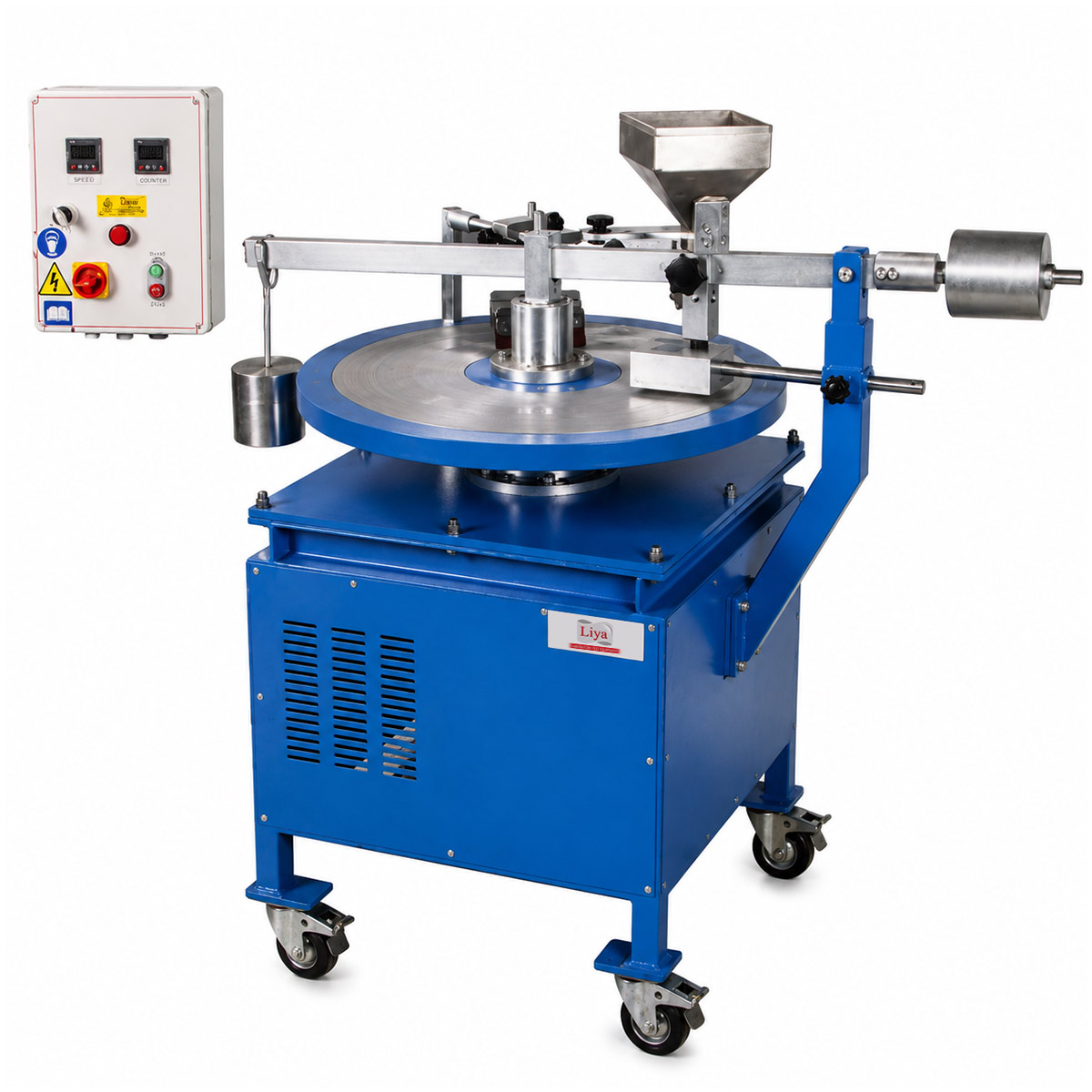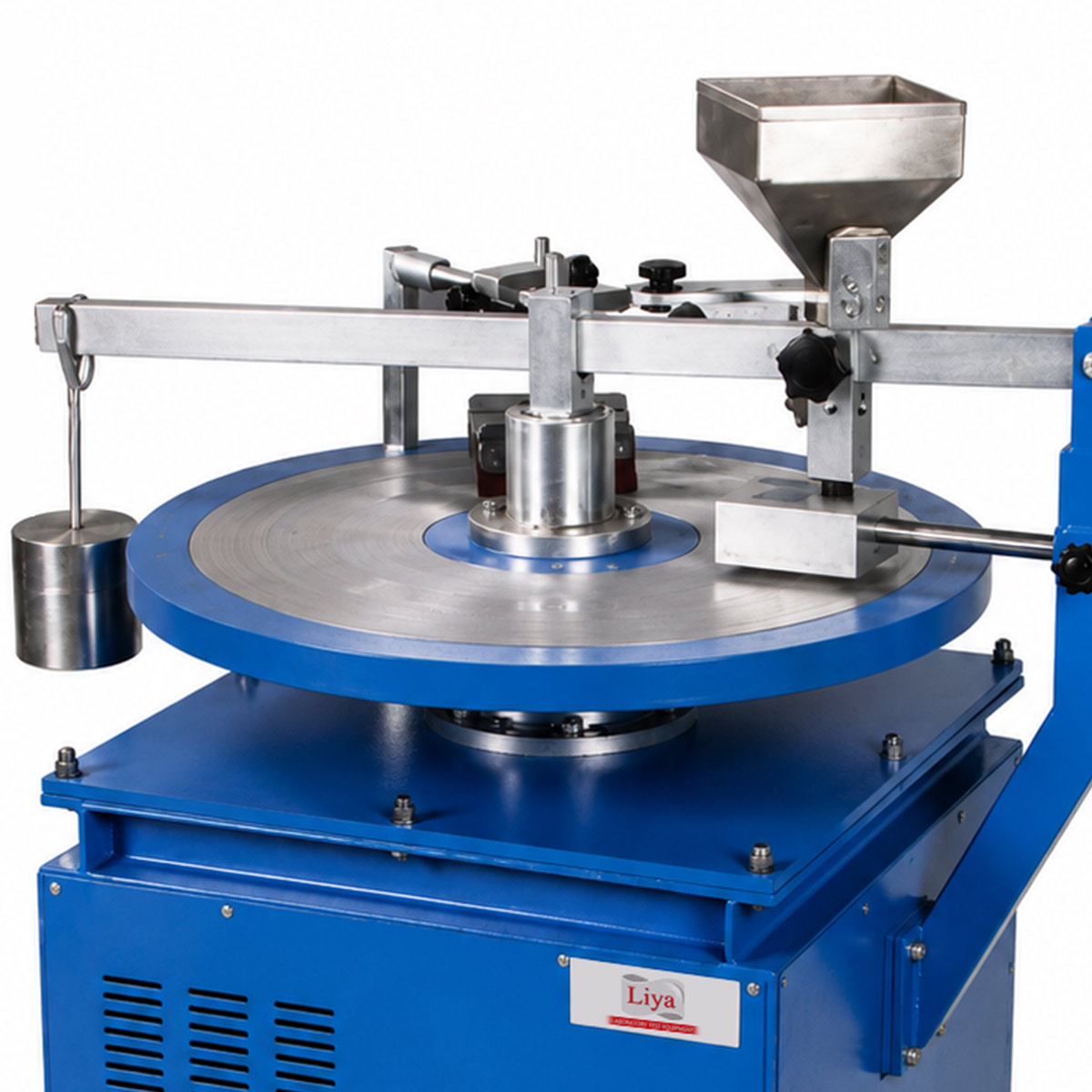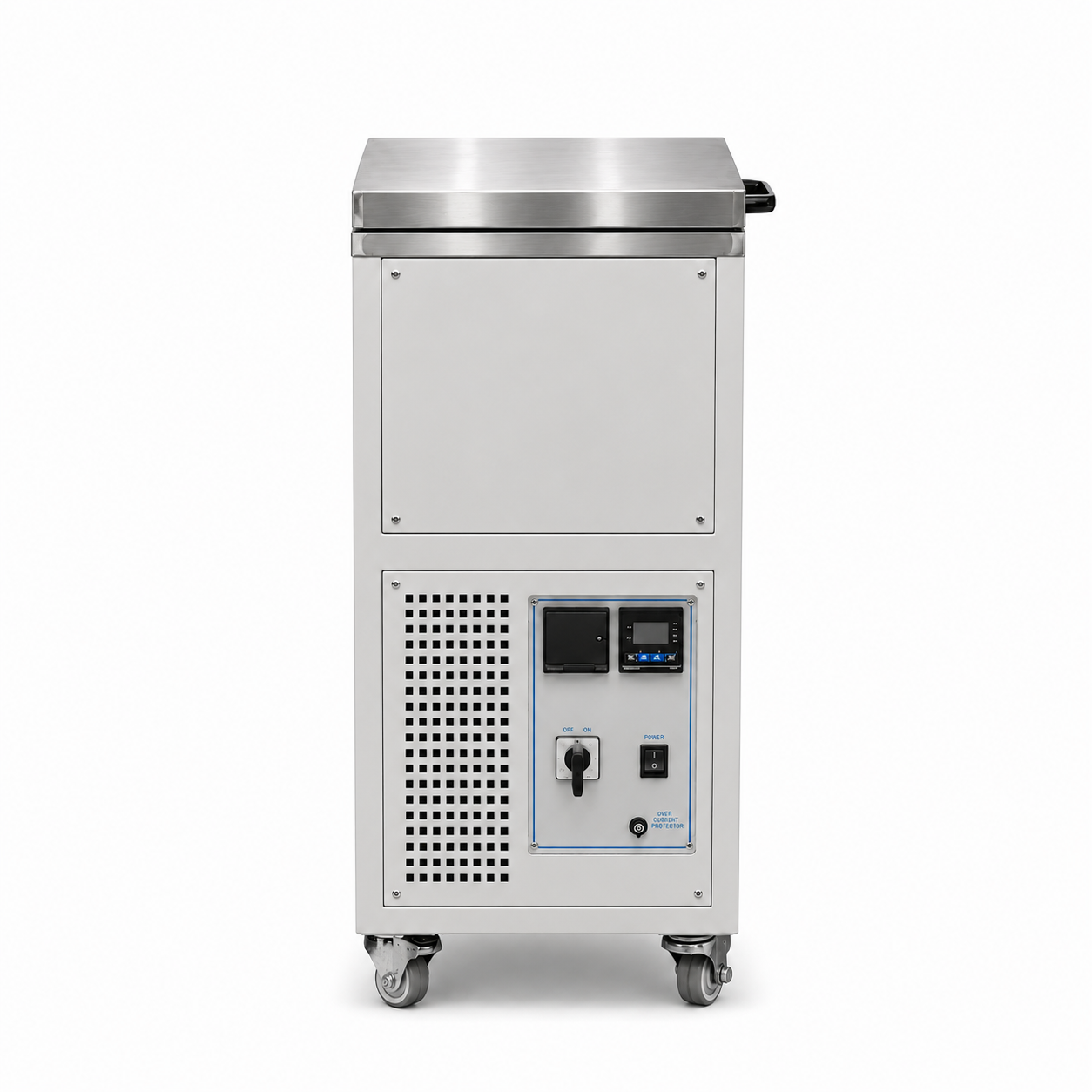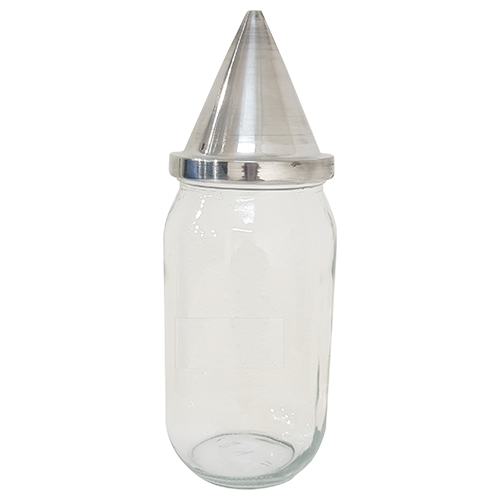

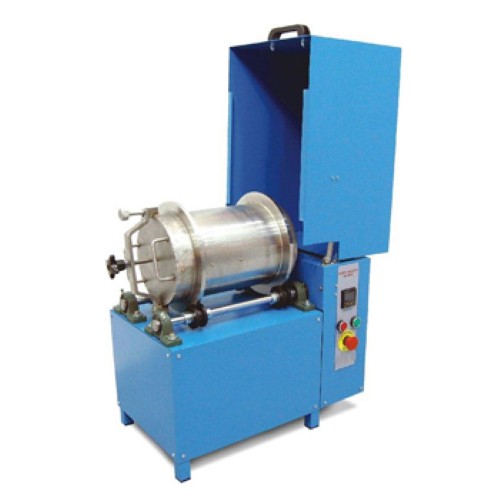
Nordic Abrasion Test Machine determines the resistance of road aggregates to wear caused by studded tyres. During testing, the aggregate sample rotates inside a steel drum together with water and steel abrasive balls. The digital control system manages the test duration and drum rotation, allowing laboratories to compare aggregates intended for road construction under controlled conditions.
- Aggregate Abrasion Testing: Simulates the abrasive action caused by studded tyres on road surfaces.
- Aggregate Size Range: Designed for coarse aggregate fractions between 11.2 and 16 mm.
- Wet Abrasion Method: Aggregate specimens rotate together with water and steel abrasive balls.
- Controlled Drum Speed: Drum operates at 90 ±3 rpm.
- Digital Control Unit: Provides convenient control of the test cycle.
- Automatic Test Completion: Stops the machine automatically when the programmed cycle is completed.
- Three Mixing Ribs: Promote uniform movement of aggregate, water and abrasive balls inside the drum.
- Durable Steel Drum: Suitable for intensive and repeatable laboratory abrasion testing.
- Road Aggregate Evaluation: Supports comparison of aggregates intended for pavement applications.
- Standard: EN 1097-9
| Product Code | Product Name | Capacity (kN) | Internal Dimensions (cm) | Piston Speed (mm/s) | Weight (kg) | Power Supply |
| LT-U0200 | Nordic Abrasion Test Machine | 160 | 154 × 80 × 130 | 0–6 | 350 | 220 V, 50–60 Hz, 1 ph |

LT_NORDİKAŞINDIRMA_
What Is a Nordic Abrasion Test Machine?
The Nordic Abrasion Test Machine determines the resistance of road aggregates to abrasive wear caused by studded tyres. During the test, the aggregate sample rotates inside a steel drum together with water and steel abrasive balls. This action reproduces severe abrasion conditions that can occur on road surfaces exposed to studded tyre traffic.
Studded tyres may generate significant wear on pavement surfaces, particularly in cold-climate regions. For this reason, aggregates used in road construction must provide suitable resistance to abrasion. The Nordic abrasion method allows laboratories to compare different aggregate sources under controlled test conditions.
Controlled Steel Drum System
The steel drum rotates at approximately 90 ±3 rpm. A stable rotational speed helps create comparable abrasion conditions between different tests.
Three internal mixing ribs continuously move the aggregate particles, water and abrasive balls throughout the drum. This movement distributes the abrasive action more uniformly across the test sample.
The digital control unit allows the operator to manage the test cycle conveniently. Once the programmed test sequence is completed, the system automatically stops the drum.
How Is the Nordic Abrasion Test Performed?
First, the operator prepares the aggregate sample according to the required particle-size fraction. The Nordic method is intended for coarse aggregates within the 11.2–16 mm size range.
The prepared aggregate is weighed and placed inside the drum. The specified quantity of water and steel abrasive balls is then added.
After the drum is securely closed, the operator starts the test programme. During rotation, the steel balls repeatedly contact the aggregate particles while water supports the wet abrasion process.
When the test cycle is complete, the sample is removed from the drum. The aggregate is then washed, sieved and dried according to the test procedure.
Finally, the remaining material is weighed and compared with the initial sample mass. The calculated material loss indicates the aggregate’s resistance to studded tyre abrasion.
Evaluation of Road Aggregates
A lower material loss generally indicates stronger resistance to abrasive wear.
This information is particularly useful when evaluating aggregates for road pavements exposed to severe traffic and cold-climate conditions.
However, the Nordic abrasion result should not be considered alone when selecting a road aggregate. Laboratories may evaluate it together with fragmentation resistance, polishing resistance, particle shape and water absorption results.
This combined approach provides a broader understanding of aggregate performance.
Durable Construction for Laboratory Testing
The robust steel drum is designed for repeated abrasion testing.
Its internal ribs maintain continuous sample movement, while the controlled rotation system helps laboratories reproduce consistent test conditions.
Regular cleaning of the drum is important after each test. Residual fines or aggregate fragments should be removed before preparing the next sample. The condition of the abrasive balls should also be checked periodically.
Testing According to EN 1097-9
EN 1097-9 specifies the determination of the resistance to wear by studded tyres for coarse aggregates using the Nordic test method.
The standard covers the apparatus, sample preparation, testing procedure and calculation of the final abrasion result.
The Nordic Abrasion Test Machine combines controlled drum rotation, wet abrasion and digital test management in one laboratory system. As a result, road laboratories, aggregate producers and research centres can compare aggregate abrasion performance in a controlled and repeatable manner.