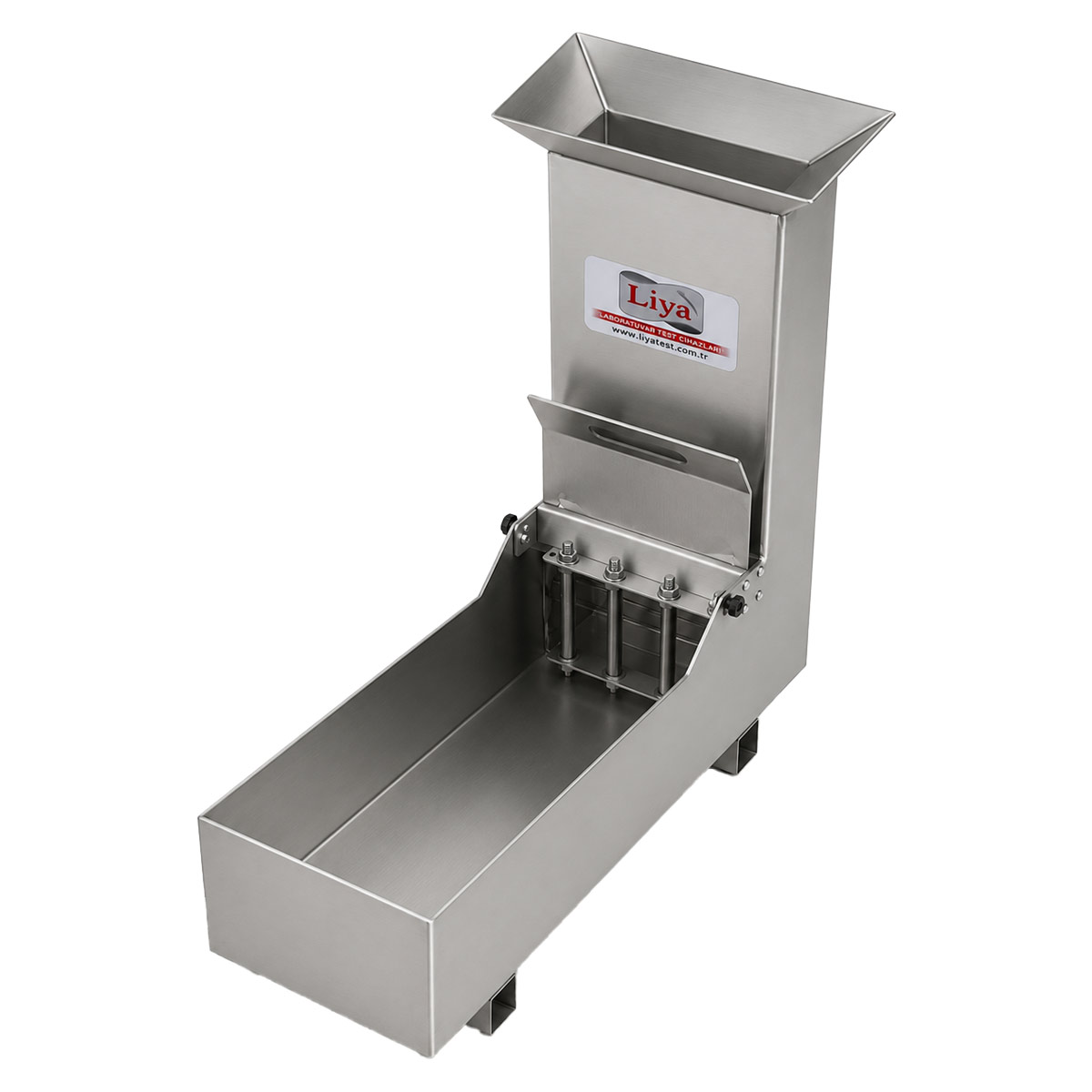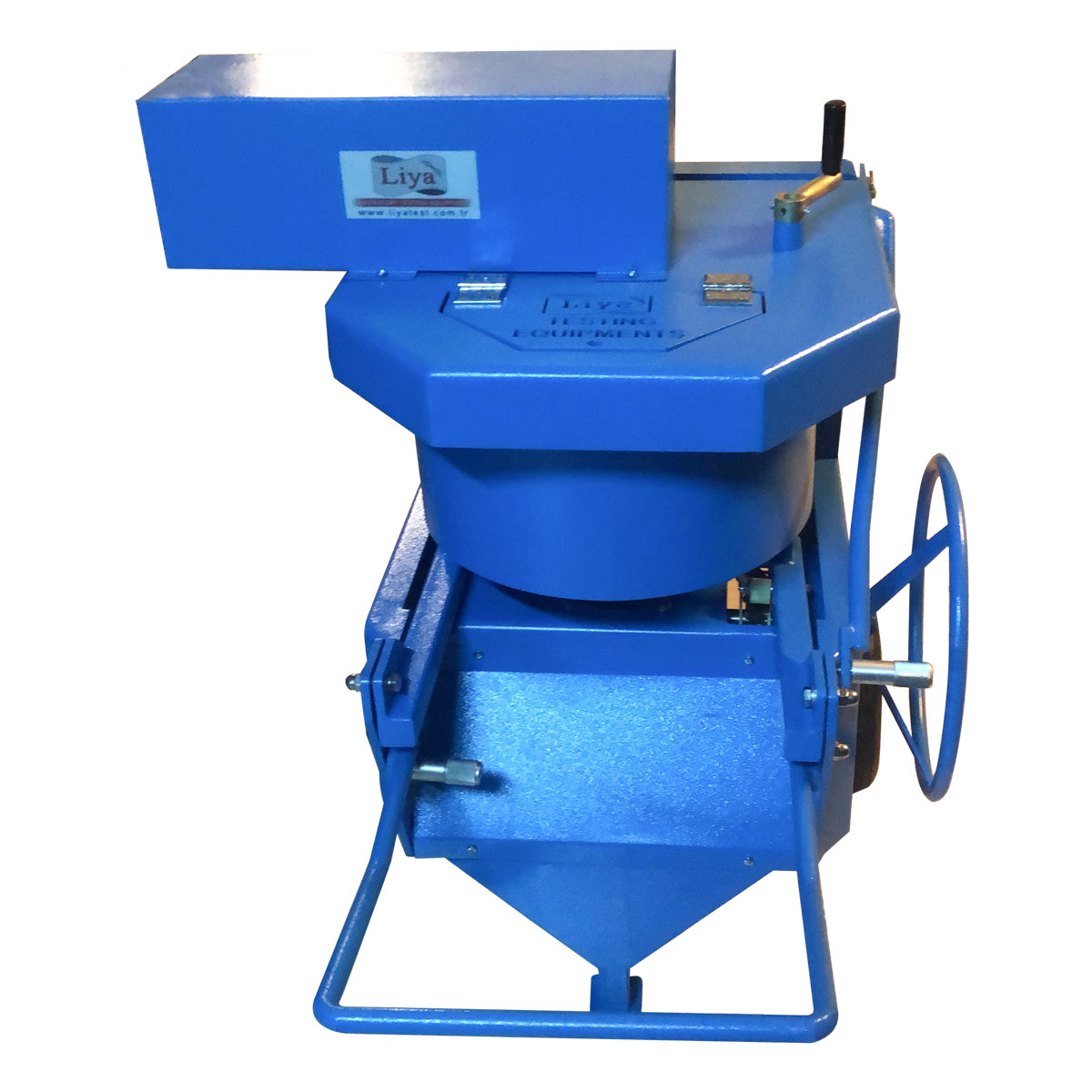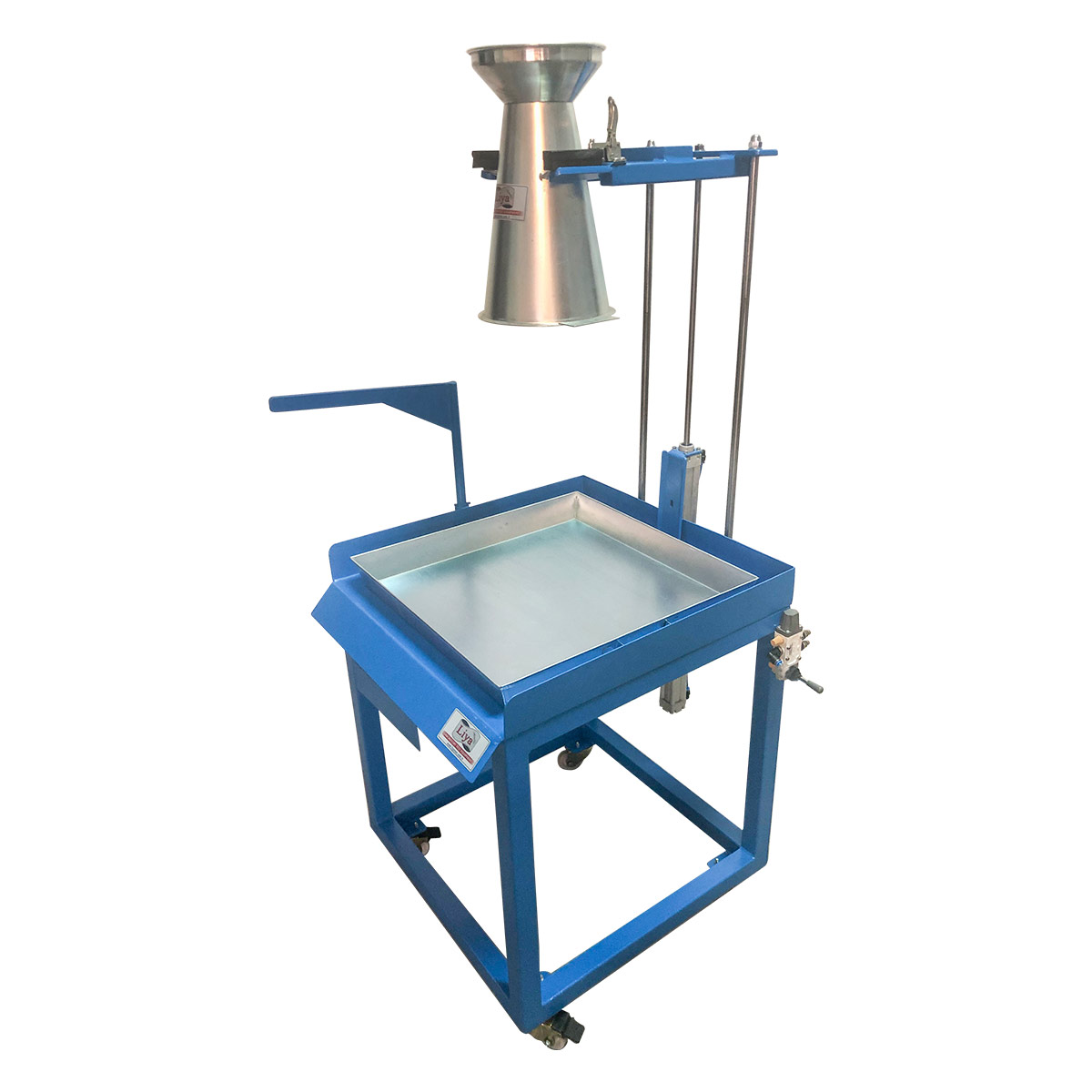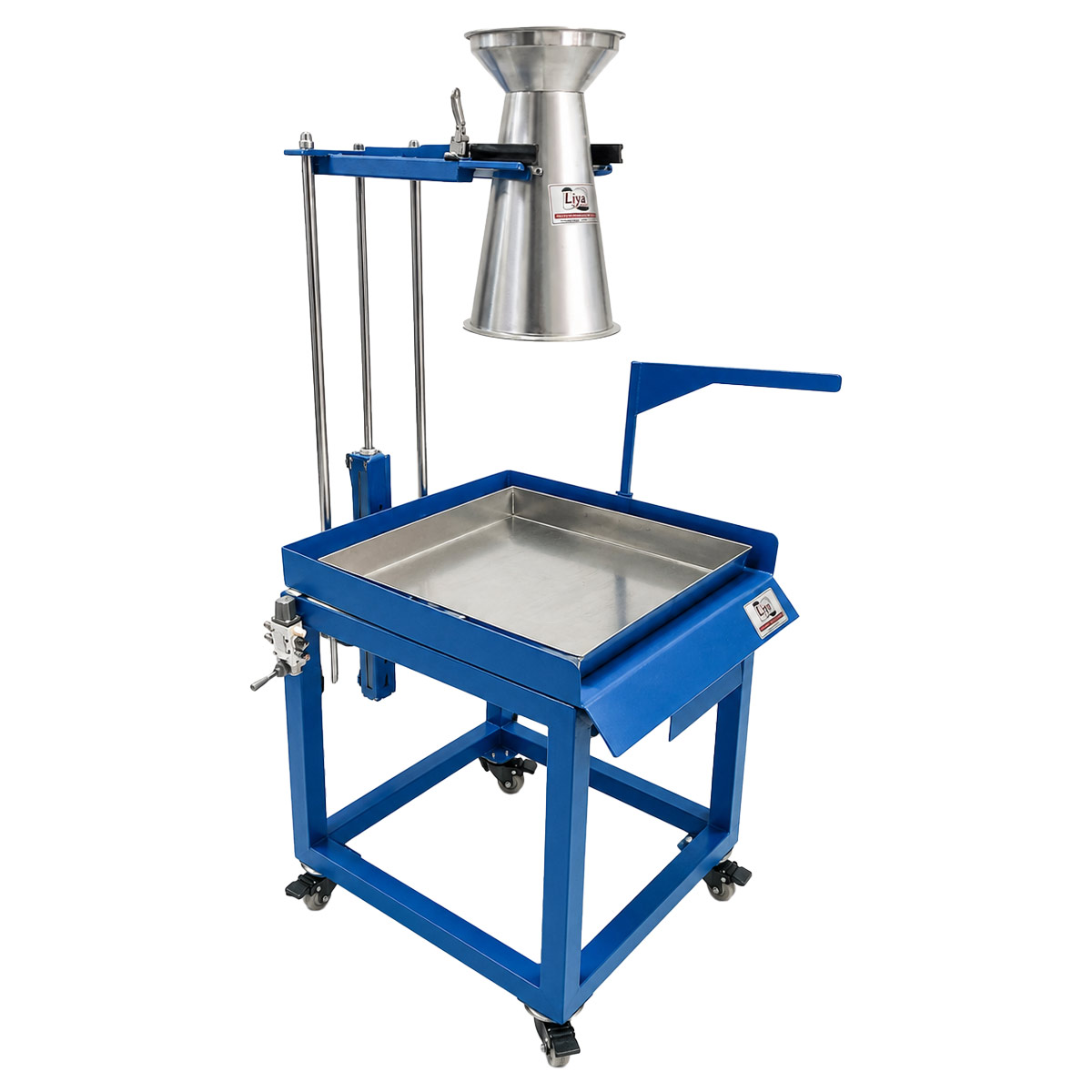

Filling Box Apparatus | Kajima Test
STANDART: EFNARC, JSCE
LT-C1150 Filling Box Apparatus | Kajima Test
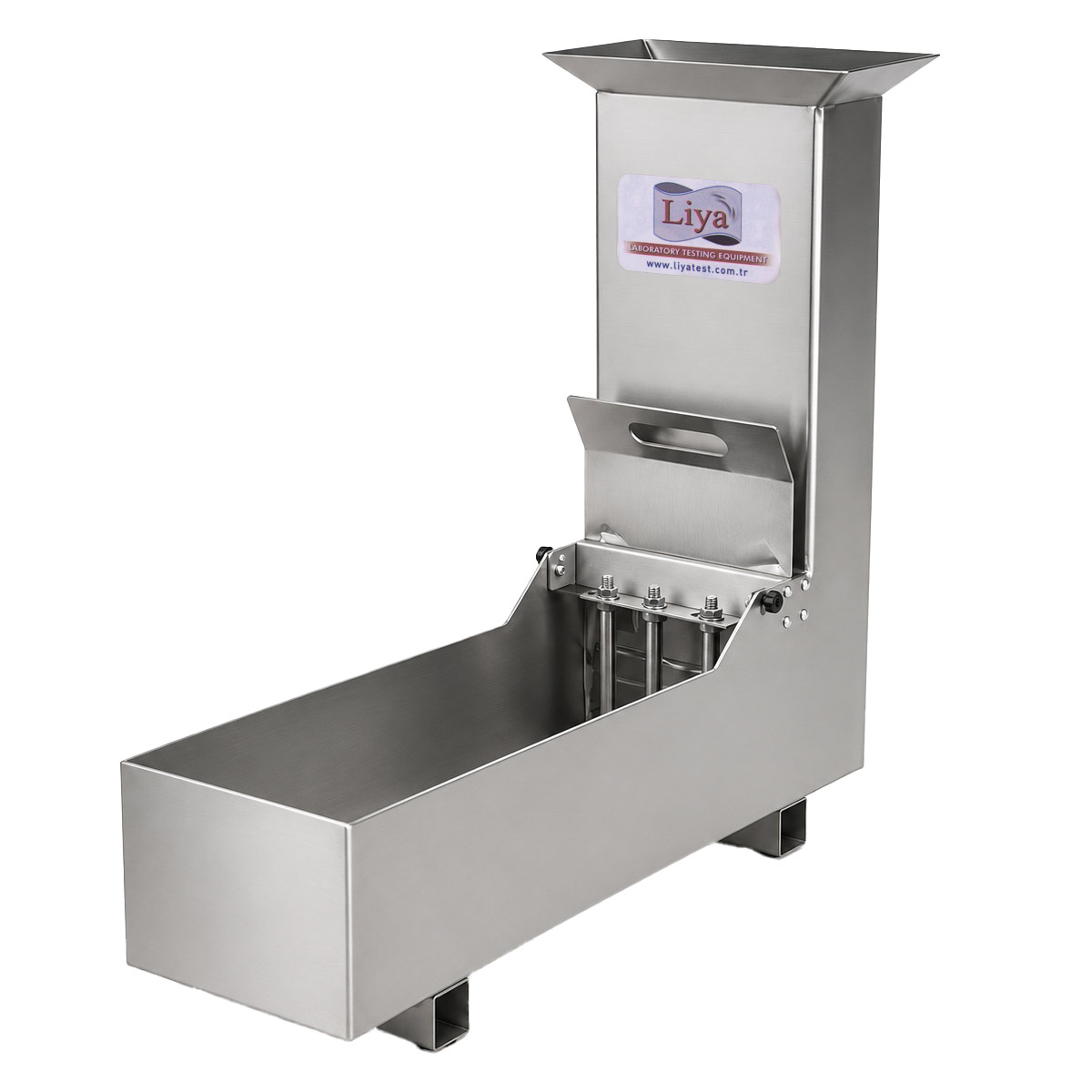
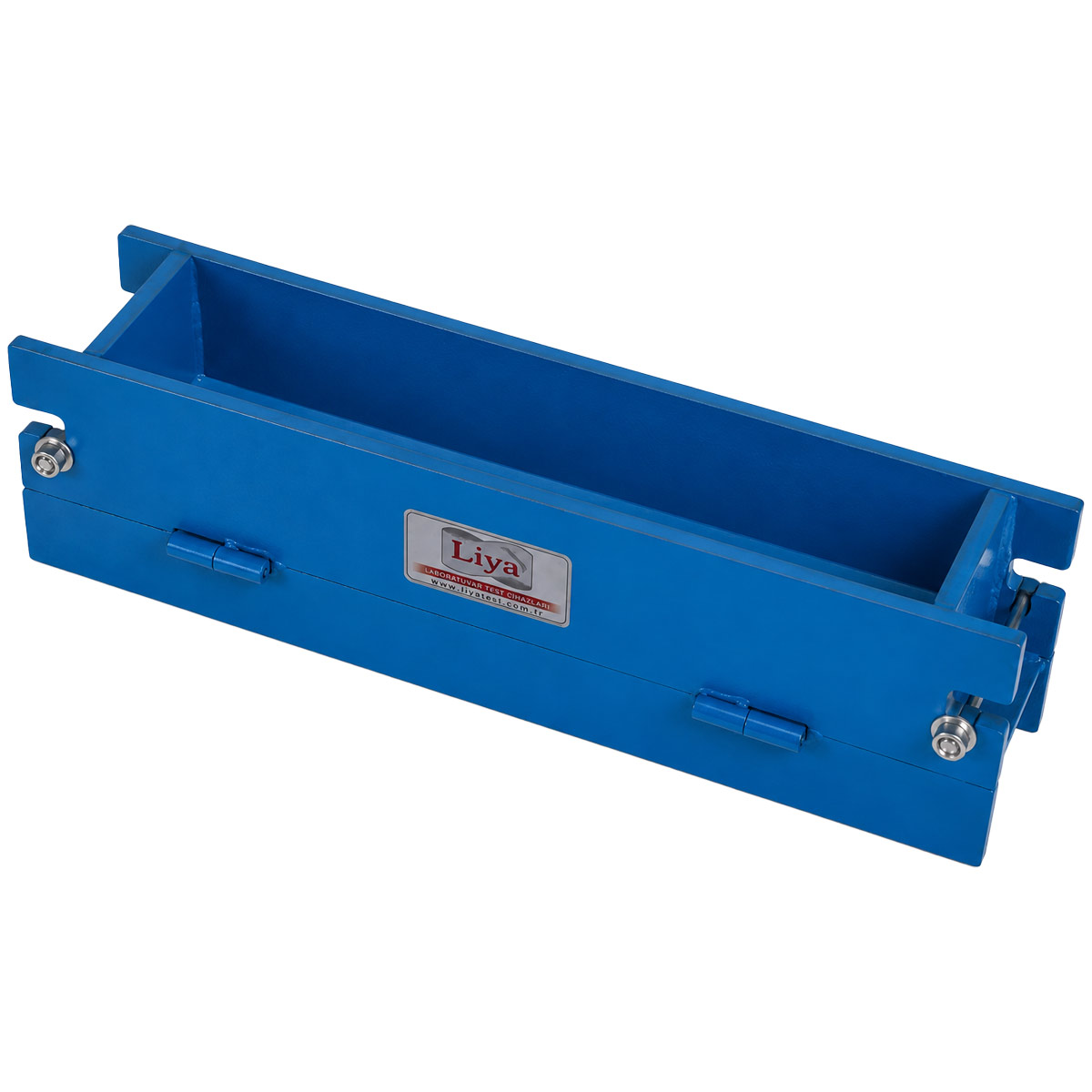
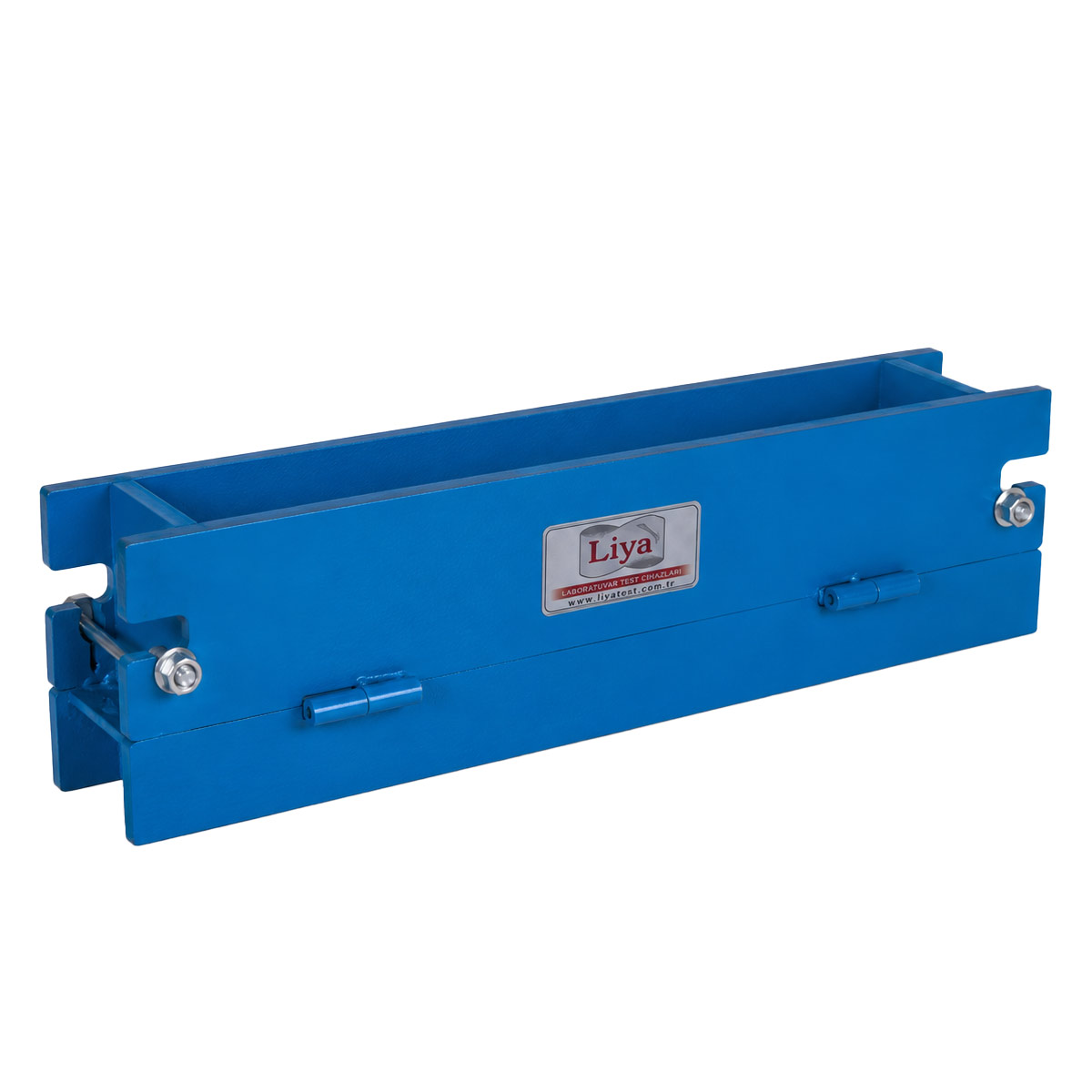
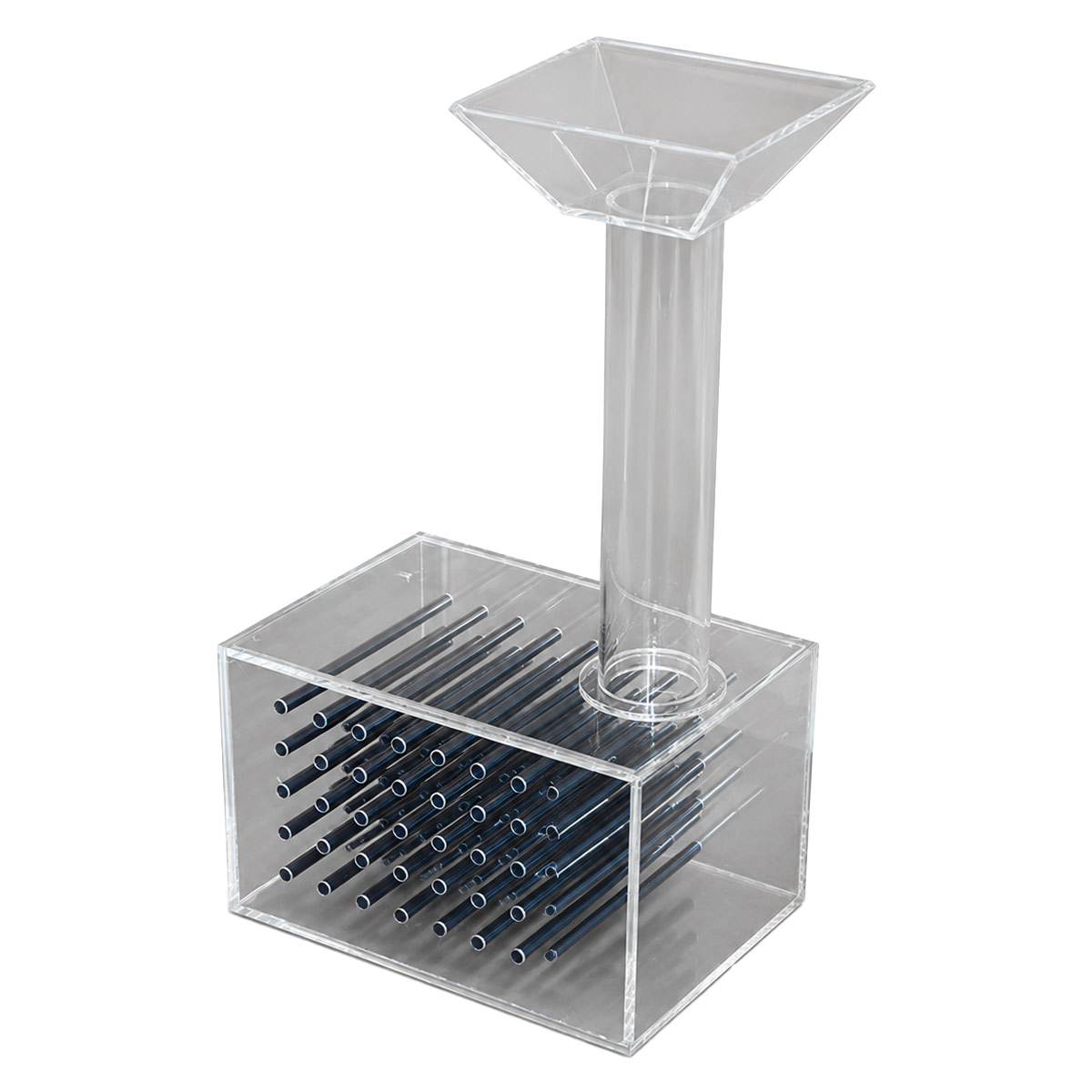
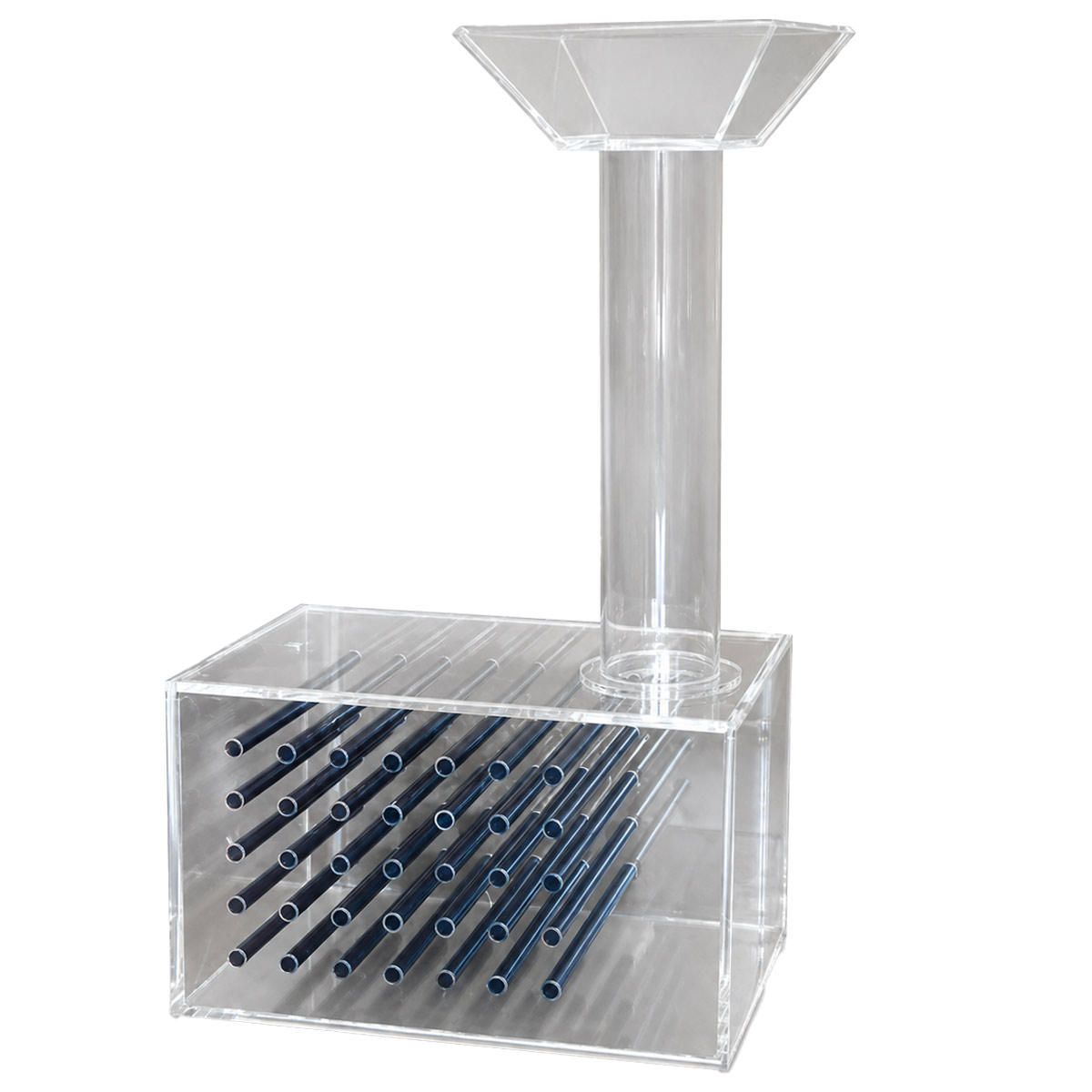
Filling Box Apparatus evaluates the filling ability of self-compacting concrete (SCC) in confined areas containing closely spaced obstacles. Fresh concrete flows through the apparatus under its own weight while the transparent body allows the operator to observe its movement. After filling is complete, the concrete heights on both sides of the box are compared. This measurement provides useful information about filling performance, passing behaviour and potential segregation.
- Product Code: LT-C1150
- Product Name: Filling Box Apparatus | Kajima Test
- Application: Filling ability testing of self-compacting concrete
- Concrete Type: Self-Compacting Concrete (SCC)
- Transparent Body: Allows direct observation of concrete flow
- Obstacle System: 35 bars
- Bar Diameter: Ø20 mm
- Maximum Aggregate Size: 20 mm
- Filling System: Upper funnel and Ø100 mm filling pipe
- Evaluation: Comparison of concrete heights on both sides of the box
- Segregation Observation: Transparent construction helps identify aggregate accumulation and irregular flow
- Overall Dimensions: 50 × 30 × 90 cm
- Approximate Weight: 5 kg
- References: EFNARC, JSCE
| Product Code | Product Name | Dimensions (cm) | Weight (kg) |
| LT-C1150 | Filling Box Apparatus | Kajima Test | 50 × 30 × 90 | 5 |

LT_BETON_KAJIMA_
What Is a Filling Box Test Apparatus?
The Filling Box Test Apparatus evaluates the ability of self-compacting concrete to fill confined areas containing closely spaced obstacles. Fresh concrete moves through the apparatus only under its own weight. As a result, laboratories can observe how effectively the mixture reaches restricted sections.
High flowability alone does not guarantee good SCC performance. The concrete must also pass around obstacles and fill the available space without excessive blocking or segregation. Therefore, the Kajima filling box test provides useful information during SCC mixture development and quality control.
How Is the Kajima Test Performed?
First, the operator places the apparatus on a flat and stable surface. The internal surfaces are cleaned before the fresh concrete is introduced.
The concrete enters through the upper funnel and Ø100 mm filling pipe. As the material moves through the transparent box, it encounters 35 obstacle bars with a diameter of Ø20 mm.
These obstacles simulate the restricted flow conditions found in heavily reinforced structural elements.
After the concrete stops moving, the operator measures the concrete heights on both sides of the box. The difference between these values helps indicate the filling performance of the SCC mixture.
A smaller height difference generally indicates better filling behaviour. In contrast, a larger difference may show restricted movement through the obstacle zone.
Dense Obstacle System
The apparatus contains 35 closely spaced bars that challenge the passing ability of the fresh concrete.
This arrangement helps laboratories observe whether coarse aggregate moves together with the mortar phase. If aggregate accumulates around the obstacles, the operator can identify possible blocking behaviour.
The apparatus is intended for SCC mixtures with a maximum aggregate size of 20 mm. Therefore, the concrete composition should be checked before testing.
Transparent Body for Flow Observation
The transparent body allows the operator to monitor the concrete throughout the entire test.
This visual access makes it easier to identify blocking, aggregate accumulation, uneven flow or segregation. Therefore, the test provides more than a final height measurement. It also gives the laboratory useful visual information about the movement of the mixture.
Use in SCC Quality Control
The Filling Box test can support quality-control and research applications in ready-mixed concrete plants, precast facilities and construction-material laboratories.
It is particularly useful for SCC mixtures intended for columns, walls and other heavily reinforced structural elements.
However, one test cannot describe all fresh-concrete properties. For a broader evaluation, laboratories can combine the results with slump-flow, V-Funnel or L-Box tests.
Reliable Evaluation of Filling Ability
The Filling Box Test Apparatus combines a transparent body, dense obstacle arrangement and straightforward height measurement in one practical system.
As a result, laboratories can evaluate the filling ability, passing behaviour and potential segregation of self-compacting concrete under controlled conditions. The LT-C1150 provides a practical solution for comparing different SCC mixtures using the Kajima filling box method.